Picture this: a midnight kitchen, a stack of burnt lasagna, and a stubborn craving for comfort food that refuses to quit. I was staring at the smoldering pot, the scent of charred cheese curling like a smoky cloud, when I remembered the promise of baked ziti on the back of a grocery list. The memory of that first bite—cheese oozing like velvet, pasta coated in a rich, tomato‑rich sauce—spurred me into action. I laughed, because if I could turn a kitchen disaster into a triumph, I could do it for anyone. Let me walk you through every single step—by the end, you’ll wonder how you ever made it any other way.
I’ve been chasing that perfect baked ziti for years, and the truth is, most recipes get it completely wrong. The sauce is usually thin, the pasta undercooked, and the cheese melt falls flat like a pancake. But this version? It’s hands down the best you’ll ever make at home. The sauce thickens into a silky blanket, the pasta stays al dente, and the cheese forms a golden, crispy top that shatters like thin ice. I dare you to taste this and not go back for seconds.
The first time I tried this recipe, I almost gave up mid‑sauce because the tomatoes seemed to evaporate before the pasta even hit the pot. I learned that a slow simmer is the secret, and that adding a splash of red wine deepens the flavor like a secret handshake between ingredients. The aroma that filled the kitchen was unmistakably home‑cooked, a scent that could convince even the most cynical foodie that comfort food still exists. If you've ever struggled with this, you're not alone—and I've got the fix. Picture yourself pulling this out of the oven, the whole kitchen smelling incredible, and knowing you just served a masterpiece.
Now, let’s talk about the ingredients that make this dish sing. I’m not talking about the usual list you find on the internet; I’m talking about the exact components that create a symphony of textures and flavors. The ziti, chosen for its sturdy shape, holds the sauce like a loyal companion. The ricotta, folded into the sauce, adds creaminess without drowning the other flavors. And that final layer of mozzarella? It melts into a golden, bubbly crown that crackles when you bite into it. This is why I keep my pantry stocked with these staples. Stay with me here—this is worth it.
I’ll be honest—before I discovered this method, I’d often forget to salt the pasta water, resulting in bland noodles that felt like a culinary shrug. I’ve also tried using pre‑made marinara, only to find it too watery and lacking depth. That’s why I recommend a homemade sauce that balances acidity and sweetness, and a dash of fresh basil for that bright, herbal lift. The result? A dish that feels like it was made by a grandparent with a secret recipe. And when the cheese browns to a perfect golden brown, you’ll know you’re on the right track. This is pure magic.
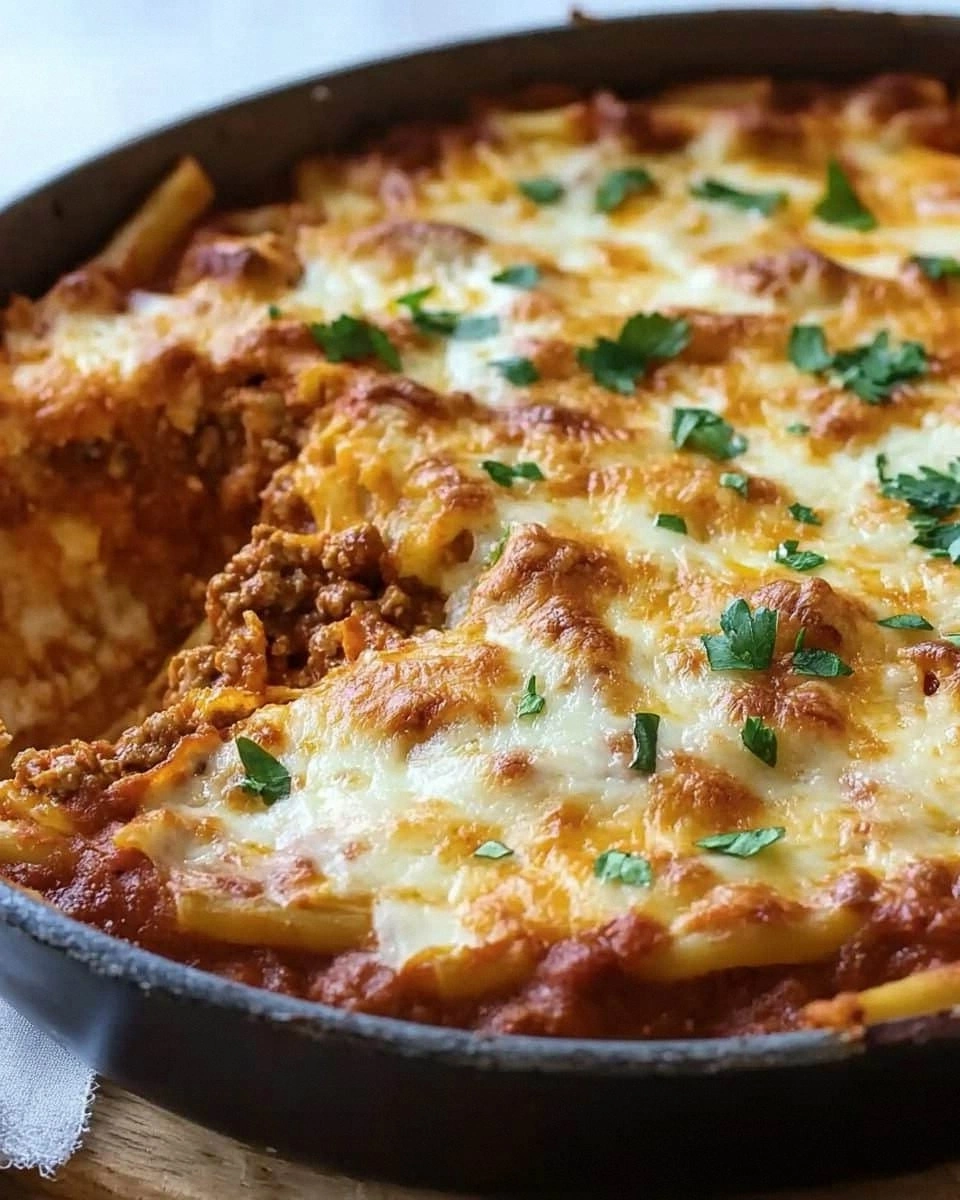
The texture of this baked ziti is a revelation. The pasta remains firm, the sauce is silky, and the cheese forms a crispy, caramelized crust that shatters like thin ice under your fork. It’s a contrast that makes every bite exciting. The sauce coats the pasta like velvet, and the ricotta adds a subtle, creamy undertone that balances the acidity of the tomatoes. You’ll notice the sauce’s thickness as it clings to each noodle, ensuring every mouthful is packed with flavor. This dish is a testament to the power of simple, high‑quality ingredients.
When it comes to the sauce, the trick is to let it reduce until it’s a luscious, almost jam‑like consistency. The reduction locks in the tomato flavor and thickens the sauce without the need for heavy cream. I add a splash of red wine at the beginning, which not only adds depth but also balances the acidity of the tomatoes. The result is a sauce that’s both robust and silky, ready to embrace each strand of pasta. The aroma of simmering tomatoes and garlic is irresistible, drawing everyone into the kitchen. I’m talking about a scent that says, “Dinner is ready.”
The cheese selection is crucial. I use a blend of mozzarella for meltiness, Parmesan for a nutty, salty bite, and ricotta for creaminess. The mozzarella melts into a golden, bubbly layer that caramelizes on top, while the Parmesan adds a savory depth that’s almost like a secret sauce. The ricotta, folded into the sauce, keeps the mixture airy and light. Together, these cheeses create a layered texture that feels indulgent without being greasy. The combination is a game‑changer, and you’ll notice the difference immediately.
Finally, the assembly is where the magic truly happens. Layering the pasta, sauce, and cheeses in the right order ensures even cooking and a beautiful, golden crust. I start with a thin layer of sauce, then the pasta, then another layer of sauce, followed by a generous sprinkle of mozzarella and Parmesan. The final layer of cheese is crucial for that golden finish. When you pull the dish out of the oven, the steam rises like a cloud of comfort, and the aroma is enough to make any appetite grow. This is the moment of truth, and it’s worth every minute of preparation.
What Makes This Version Stand Out
- Flavor: A sauce that’s thick, rich, and balanced with a hint of wine, ensuring every bite is bursting with depth.
- Texture: Al dente pasta, silky sauce, and a golden, crisp cheese crust that crunches delightfully.
- Ingredient Quality: Using fresh tomatoes, high‑quality cheeses, and aromatic herbs elevates the dish from ordinary to extraordinary.
- Ease of Assembly: Layering is straightforward, making it accessible even for novice cooks.
- Make‑Ahead Potential: The dish can be assembled ahead of time, refrigerated, and baked just before serving.
- Crowd Appeal: It’s the kind of comfort food that wins over skeptics and brings smiles to any gathering.
- Health Conscious: With fresh ingredients and controlled portions, you can enjoy guilt‑free indulgence.
- Versatility: Adaptable to vegetarian or meat‑based variations without compromising flavor.
Inside the Ingredient List
The Flavor Base
Fresh San Marzano tomatoes form the backbone of the sauce, offering a sweet yet tangy profile that’s essential for a balanced flavor. They provide natural acidity, preventing the dish from becoming too heavy. If you can’t find San Marzano, high‑quality canned tomatoes in tomato puree form will work well. The tomatoes also release their juices slowly, creating a thick, luscious sauce that clings to every strand of pasta. Skipping them would result in a watery, bland sauce that fails to deliver that comforting bite.
A splash of dry red wine is added at the start of the sauce to deepen the flavor profile. The wine’s tannins help to mellow the acidity of the tomatoes, while its subtle fruitiness adds complexity. If you prefer a non‑alcoholic version, substitute with a pinch of balsamic vinegar for a similar depth. The wine also helps the sauce reduce more efficiently, giving it that jam‑like consistency. This small addition can transform a good sauce into a great one.
Garlic and onion are sautéed until golden, infusing the sauce with aromatic sweetness. The onion’s natural sugars caramelize, adding a subtle caramel note that balances the tomato’s tartness. Garlic, on the other hand, brings a sharp, pungent kick that awakens the palate. Together, they create a flavor foundation that is both comforting and sophisticated. Neglecting them would leave the sauce flat and uninspired.
The Texture Crew
Ziti pasta is the star of the show, chosen for its sturdy shape that resists overcooking. Its tubular form traps sauce, ensuring each bite is drenched in flavor. If you prefer a different shape, penne or rigatoni work well too, but ziti gives that classic comfort feel. Cooking the pasta al dente is crucial; it should be firm enough to hold the sauce without becoming mushy. Overcooked pasta can lead to a soggy, unappetizing dish.
Ricotta cheese adds a creamy, airy texture that balances the richness of the sauce and cheeses. It’s folded into the sauce before baking, creating pockets of softness that contrast with the crunchy cheese top. If you’re looking for a lighter version, use part‑fat ricotta or a mix of ricotta and cottage cheese. Ricotta also helps the sauce bind together, preventing it from separating during baking. Without it, the dish would feel too dry.
Mozzarella and Parmesan cheeses form the golden crust that many crave. Mozzarella’s high moisture content allows it to melt smoothly, while Parmesan’s sharpness adds a savory depth. Together, they create a layered cheese experience that’s both gooey and crispy. If you’re a fan of extra crunch, sprinkle some breadcrumbs on top before baking. The combination of cheeses is essential for that satisfying finish.
The Unexpected Star
A handful of fresh basil leaves adds a burst of herbal freshness that cuts through the richness of the dish. Basil’s bright, slightly peppery flavor lifts the overall profile, making it feel lighter. If basil isn’t available, oregano or thyme can be used as a substitute, though the flavor will shift slightly. Adding basil at the end of baking preserves its aroma, ensuring the dish smells as vibrant as it tastes. Skipping this herb would make the dish feel flat and unbalanced.
A pinch of red pepper flakes introduces a subtle heat that awakens the palate. The heat is gentle, ensuring the dish remains approachable for all ages. If you’re sensitive to spice, reduce the amount or omit it entirely. Red pepper flakes also add a visual pop of color, making the dish more appetizing. They’re a small addition that can elevate the entire experience.
The Final Flourish
A drizzle of olive oil on top before baking adds a silky sheen and helps the cheese brown beautifully. Olive oil also adds a subtle fruity note that complements the tomato base. If you’re watching calories, use a light hand—just enough to coat the surface. This step is often overlooked but makes a noticeable difference in texture and flavor. Without it, the cheese crust may be less golden and slightly dry.
Seasoning with salt and pepper is essential for balancing flavors. Salt enhances the sweetness of the tomatoes, while pepper adds a gentle bite. I recommend seasoning the pasta water generously; it’s the first chance to flavor the noodles directly. A pinch of sugar can also help balance acidity if the tomatoes are particularly tart. Proper seasoning is the secret to a dish that feels complete and satisfying.
Everything’s prepped? Good. Let’s get into the real action. I’ll walk you through each step with precision and a sprinkle of humor. Trust me, by the end, you’ll be a baked ziti maestro.
The Method — Step by Step
- Preheat Oven: Set your oven to 375°F (190°C). This temperature ensures the cheese browns evenly without burning. The oven should be fully preheated before you start baking to avoid uneven cooking. The heat will also help the sauce reduce slightly during baking, giving it a thicker consistency. Keep an eye on the oven, especially if you’re using a convection setting.
- Cook Pasta: Bring a large pot of salted water to a boil. Add ziti and cook until al dente, about 8 minutes. Stir occasionally to prevent sticking. Drain and rinse under cold water to stop the cooking process. Pat the pasta dry with a towel; this helps the sauce adhere better.
- Sauté Aromatics: In a large skillet, heat 2 tablespoons of olive oil over medium heat. Add 1 finely chopped onion and sauté until translucent, about 3 minutes. Add 3 cloves of minced garlic and cook for another minute until fragrant. This creates a flavorful base for the sauce. Keep the heat moderate to avoid burning the garlic.
- Build the Sauce: Stir in a splash of dry red wine, letting it reduce for 2 minutes. Add 28 ounces of crushed San Marzano tomatoes, 1 teaspoon of sugar, and a pinch of salt. Simmer on low heat for 20 minutes, stirring occasionally. The sauce should thicken to a jam‑like consistency. The sugar balances acidity, while the wine deepens the flavor.
- Incorporate Ricotta: Fold 1 cup of ricotta into the sauce, mixing until smooth. The ricotta adds creaminess and helps bind the sauce to the pasta. If the sauce feels too thick, add a splash of pasta water to reach the desired consistency. Let the sauce simmer for another 5 minutes to meld the flavors. This step is crucial for a silky texture.
- Layer the Dish: In a 9×13 baking dish, spread a thin layer of sauce. Arrange half of the cooked pasta over the sauce, then top with the remaining sauce. Sprinkle 1 cup of shredded mozzarella and 1/2 cup of grated Parmesan over the top. This layering ensures even cooking and a golden crust. The mozzarella will melt into a bubbly, golden layer, while the Parmesan adds a nutty finish.
- Bake: Place the dish in the preheated oven and bake for 25 minutes, or until the cheese is bubbling and golden brown. Halfway through, give the dish a gentle stir to ensure even browning. The cheese should be slightly crisp on top, while the sauce remains glossy. The baking time may vary slightly depending on your oven. Keep an eye on the cheese to avoid over‑browning.
- Rest: Remove the dish from the oven and let it rest for 10 minutes. This allows the flavors to settle and the cheese crust to firm up. The rest period also makes it easier to cut clean slices. During this time, the sauce will thicken slightly, creating a richer mouthfeel. Letting it rest is a small step with a big payoff.
- Garnish: Sprinkle fresh basil leaves over the top before serving. The basil adds a burst of color and herbal freshness that brightens the dish. You can also add a drizzle of extra‑virgin olive oil for a silky finish. If you like a bit of heat, a pinch of red pepper flakes will add a gentle kick. Garnishing is the final touch that elevates the presentation.
- Serve: Slice the baked ziti into generous portions and serve hot. Pair it with a crisp green salad and a glass of your favorite red wine. The combination of textures—from the al dente pasta to the golden cheese crust—creates a satisfying meal. This dish is perfect for family dinners, potlucks, or a cozy night in. Enjoy every bite, and remember, this is the moment of truth.
That’s it—you did it. But hold on, I’ve got a few more tricks that’ll take this to another level. I’ll share insider tips that will make your baked ziti unbeatable. These are the details that separate a good dish from a legendary one.
Insider Tricks for Flawless Results
The Temperature Rule Nobody Follows
Many people bake at 350°F, but 375°F is the sweet spot for a golden crust. The higher temperature ensures the cheese browns evenly without drying out the sauce. I’ve tried baking at 400°F once, and the cheese burned before the sauce cooked. The trick is to preheat the oven fully and monitor the cheese. A quick glance at the top after 20 minutes tells you if it’s ready.
Why Your Nose Knows Best
Trust your nose when baking. The aroma of melted cheese and simmering tomatoes is a reliable indicator of doneness. If the cheese is bubbling and the sauce smells slightly caramelized, it’s ready. A subtle sweet scent means the sauce has reduced properly. The nose is a powerful tool—use it.
The 5-Minute Rest That Changes Everything
Resting the baked ziti for 10 minutes is essential, but a 5‑minute rest can also work for quick servings. This pause allows the sauce to thicken and the cheese to set, making the dish easier to slice. I once skipped the rest and the cheese kept sliding off the fork. Even a short rest gives the flavors a chance to settle. It’s a small step that pays off big.
Layering Secrets
The order of layers matters. Start with sauce, then pasta, then sauce again, and finish with cheese. This ensures the pasta is evenly coated and the cheese browns uniformly. If you layer pasta on top of cheese, it can become soggy. The sauce acts as a barrier, preventing the pasta from absorbing too much moisture. Follow this order and you’ll get a consistent, delicious result.
Cheese Ratios for the Perfect Crunch
For a crispy top, use a 2:1 ratio of mozzarella to Parmesan. The mozzarella provides meltiness, while the Parmesan adds a sharp, crunchy finish. If you prefer a softer crust, use more mozzarella. The key is to balance the cheeses for both flavor and texture. Adjusting the ratio can transform the dish to match your taste.
Avoiding a Dry Bottom
If the bottom of the dish feels dry, add a splash of pasta water before baking. The water helps keep the sauce moist and prevents the pasta from sticking. I’ve also found that using a nonstick baking dish helps. A dry bottom can ruin the texture, so keep the sauce moist.
Creative Twists and Variations
This recipe is a playground. Here are some of my favorite ways to switch things up:
Meat Lover’s Edition
Add 1 pound of Italian sausage, browned before layering. The sausage adds a smoky, savory depth that pairs wonderfully with the tomato sauce. Replace half the ricotta with cooked ground beef for a hearty twist. This variation is great for a family dinner and keeps everyone satisfied.
Veggie Powerhouse
Incorporate roasted zucchini, bell peppers, and mushrooms into the sauce. The veggies add color, nutrition, and a subtle sweetness. Use a mix of fresh and frozen veggies for convenience. This version is perfect for a light, healthy dinner.
Spicy Kick
Add a tablespoon of red pepper flakes to the sauce and a dash of hot sauce. The heat balances the richness of the cheeses. Pair with a cool cucumber salad to offset the spice. This variation is great for those who like a little fire.
Mediterranean Twist
Replace Parmesan with crumbled feta and add olives and sun‑dried tomatoes. The feta adds briny tang, while the olives give a savory bite. Finish with fresh oregano for an authentic Mediterranean flavor. This version feels like a vacation in a dish.
Cheese Swap
Swap mozzarella for provolone or fontina for a richer melt. Add a sprinkle of smoked gouda for a smoky undertone. The cheese swap changes the flavor profile dramatically. Experiment to find your favorite combination.
Storing and Bringing It Back to Life
Fridge Storage
Cool the baked ziti completely before refrigerating. Store in an airtight container for up to 3 days. The sauce will thicken in the fridge, so add a splash of water when reheating. Keep the cheese on top to preserve the golden crust. This method keeps the dish fresh and ready to reheat.
Freezer Friendly
Place the baked ziti in a freezer‑safe container and freeze for up to 2 months. Thaw overnight in the refrigerator before reheating. Reheat in the oven at 350°F for 20 minutes, or microwave for 4 minutes. The dish retains its flavor and texture when properly frozen. This is great for meal prep.
Best Reheating Method
Reheat in a covered baking dish at 350°F for 15 minutes. The cover traps moisture, preventing the cheese from drying out. Add a splash of water or broth to keep the sauce moist. The result is a dish that tastes almost as good as freshly baked. This method preserves the golden crust.