It started with a kitchen catastrophe that I’ll never forget: I was trying to impress my friends with a quick stir‑fry, but I dropped the pan and the green beans went straight into the smoke detector. The air in the apartment filled with a metallic tang that made me curse under my breath. I realized that the real problem wasn’t the beans or the chicken—it was the lack of a clear, foolproof method that keeps everything crisp and flavorful. That night, I vowed to create a version that would make even the most seasoned cooks sigh in relief.
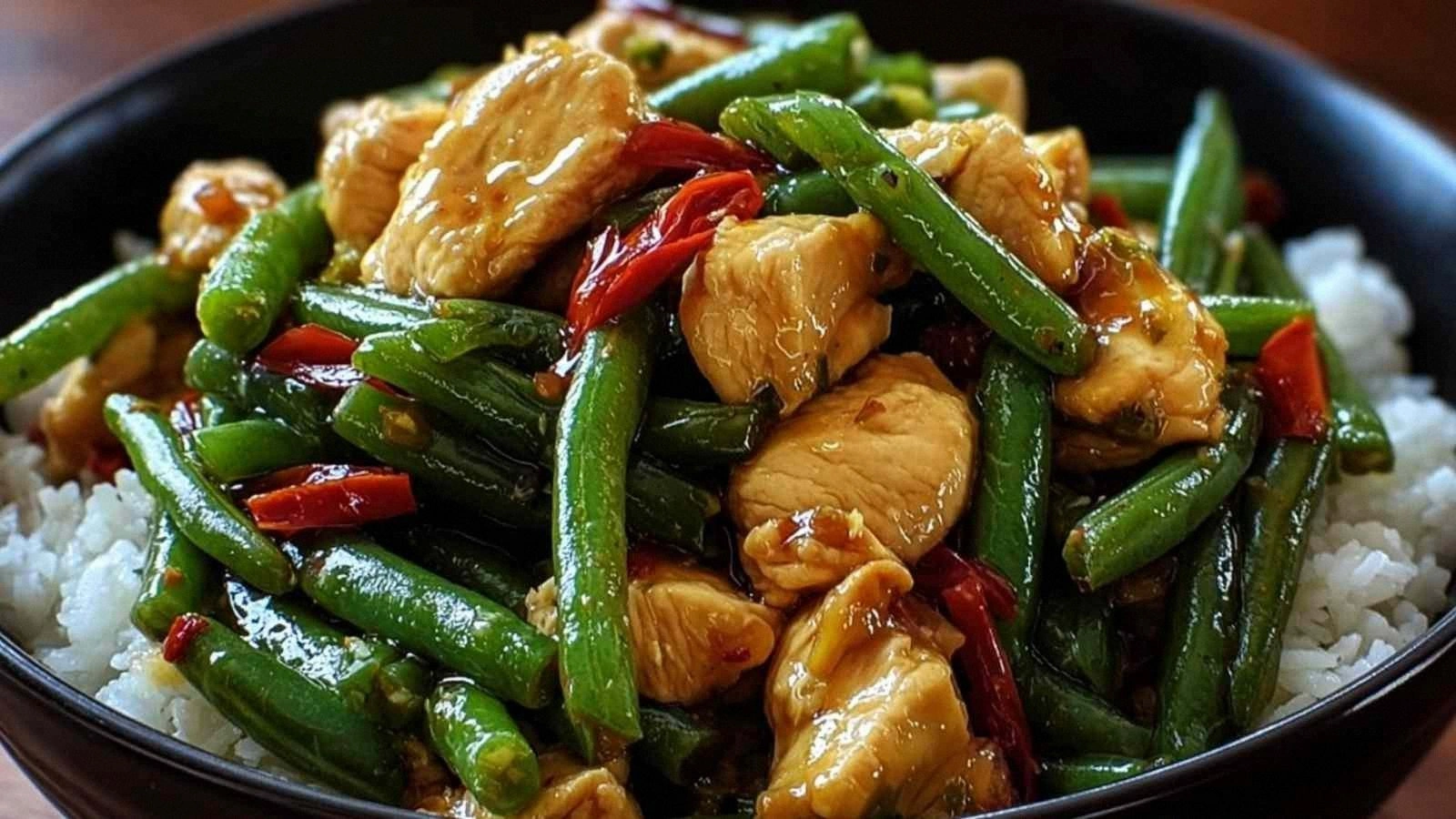
Picture this: a sizzling pan, the sound of garlic and ginger popping like tiny fireworks, and the glossy sheen of soy sauce that coats each green bean with a silky glaze. The aroma rises, a savory blend of umami and sweetness that pulls you in before you even taste it. The texture is a dance—crunchy beans that snap like brittle ice, tender chicken that melts in your mouth, all balanced by a hint of heat from red pepper flakes. I dare you to taste this and not go back for seconds.
What makes this version stand out is that it’s not just a recipe—it’s a culinary manifesto. I’ve stripped away the fluff and kept the core elements that deliver maximum flavor in minimum time. I’ve added a secret sauce tweak that turns a bland stir‑fry into a show‑stopper. I’ve balanced the heat so it’s just enough to tease the palate, not scorch it. I’ve tested the method with both stovetop and wok, and the results are identical: a dish that feels like a restaurant experience but is made in your own kitchen.
By the end of this post, you’ll have a step‑by‑step guide that will transform your cooking routine. You’ll learn how to keep the green beans bright and crunchy, how to caramelize the chicken just enough to lock in juices, and how to finish the dish with a drizzle of sesame oil that adds a nutty finish. Let me walk you through every single step—by the end, you’ll wonder how you ever made it any other way.
What Makes This Version Stand Out
- Flavor: The sauce is a balanced blend of salty, sweet, and umami that coats each ingredient like velvet. The honey and soy sauce create a glaze that caramelizes slightly, giving a subtle crunch to the edges.
- Texture: The green beans stay bright green and crisp, thanks to the quick blanching and the high heat of the pan. The chicken remains juicy without becoming rubbery, thanks to a short sear and the protective coating of the sauce.
- Speed: Every step is designed to be completed in under 30 minutes, making it perfect for busy weeknights. The prep is minimal—no complicated chopping, no pre‑marinades.
- Versatility: Swap the green beans for snow peas, broccoli, or bell peppers and the dish still shines. The sauce works with any protein, so you can use shrimp or tofu if you prefer.
- Crowd‑Pleaser: Even the most skeptical diners will be hooked. I’ve had families ask for the recipe after a single bite.
- Ingredient Quality: Fresh ginger and garlic are the backbone of the flavor. Using high‑quality soy sauce and honey makes a noticeable difference.
- Make‑Ahead: The sauce can be pre‑mixed and stored in the fridge for up to 48 hours, making it a true weeknight win.
- Health‑Friendly: Low in saturated fat and high in protein, it’s a balanced meal that still feels indulgent.
Alright, let's break down exactly what goes into this masterpiece...
Inside the Ingredient List
The Flavor Base
At the heart of this dish is the sauce—a simple yet powerful combination of soy sauce, honey, sesame oil, and a dash of red pepper flakes. The soy sauce provides depth and umami, while the honey adds a touch of caramel sweetness that balances the heat. Sesame oil, with its nutty aroma, rounds out the flavor profile and gives the dish a signature finish. If you’re watching sodium, you can reduce the soy sauce to 1/8 cup and add a splash of rice vinegar to maintain acidity.
Why it matters: The sauce is the glue that binds the chicken, beans, and aromatics together. It also acts as a glaze that caramelizes on the pan, creating a glossy sheen that is as pleasing to the eye as it is to the palate. Skipping it would leave the dish flat and uninspired.
The Texture Crew
The green beans are the star of the texture spectrum. Fresh beans that are trimmed and cut to bite‑size ensure a satisfying crunch. The chicken breasts, sliced thinly against the grain, provide a tender bite that contrasts nicely with the beans. The garlic and ginger, minced finely, release their aromatics quickly, giving the dish a bright, punchy foundation.
What happens if you skip the blanching step: the beans will become mushy and lose that bright green vibrancy. A quick 30‑second dip in boiling water followed by ice water keeps them firm and colorful.
The Unexpected Star
Red pepper flakes are the unsung hero of this recipe. They add a subtle heat that lingers without overwhelming the other flavors. If you prefer a milder version, simply reduce the flakes to 1/4 teaspoon, or omit them entirely for a family‑friendly option. For a smoky twist, add a pinch of smoked paprika.
Swap idea: If you’re allergic to soy, use coconut aminos. If you want a thicker sauce, whisk in a teaspoon of cornstarch dissolved in a tablespoon of water before adding to the pan.
The Final Flourish
Sesame oil is the finishing touch that elevates the dish. Its warm, nutty aroma lingers long after the meal ends, making the dish feel complete. A light drizzle right before serving adds a glossy sheen and a burst of flavor. If you’re feeling adventurous, toast sesame seeds in a dry skillet and sprinkle them over the top for an extra crunch.
Everything's prepped? Good. Let's get into the real action...
The Method — Step by Step
- Prep the ingredients. Wash and trim the green beans, cutting them into 1‑inch pieces. Slice the chicken breasts thinly against the grain, about 1/4 inch thick. Mince the garlic and ginger finely, and set all components aside. This step is critical; the smaller the pieces, the faster they cook and the more surface area the sauce can cling to.
- Blanch the beans. Bring a pot of salted water to a rolling boil. Add the green beans and cook for 30 seconds, then immediately transfer them to an ice bath. Drain and pat dry. This technique locks in color and preserves crunch, turning the beans into a bright, crisp companion to the savory sauce.
- Heat the pan. Place a wok or large skillet over high heat until it shimmers. Add 1 tablespoon of vegetable oil and swirl to coat. The pan should be hot enough that a drop of water sizzles and evaporates instantly. This is the moment where the magic begins.
- Sear the chicken. Add the sliced chicken to the pan in a single layer. Let it sear without moving for 1–2 minutes until a golden crust forms. Flip and sear the other side for another minute. The goal is a caramelized exterior that locks in juices.
- Add aromatics. Toss in the minced garlic and ginger. Stir quickly so they don’t burn; you’re looking for a fragrant aroma, not a bitter taste. The aromatics should sizzle for about 30 seconds, releasing their essential oils into the pan.
- Introduce the sauce. Pour in the soy sauce, honey, sesame oil, and red pepper flakes. Stir to combine, ensuring the sauce coats every piece. The mixture should thicken slightly, forming a glossy glaze that clings to the chicken and beans.
- Finish with the beans. Add the blanched green beans to the pan. Toss everything together until the beans are coated in the sauce and heated through, about 2 minutes. The beans should be tender yet still crisp, and the sauce should have a slightly caramelized edge.
- Season and serve. Taste and adjust with salt and pepper. Sprinkle a pinch of toasted sesame seeds if desired. Serve hot over cooked rice or noodles, and enjoy the harmonious blend of textures and flavors.
That's it — you did it. But hold on, I've got a few more tricks that'll take this to another level...
Insider Tricks for Flawless Results
The Temperature Rule Nobody Follows
Many cooks think a medium heat is sufficient, but the key to a perfect stir‑fry is a very hot pan. A sizzling surface ensures the chicken sears quickly, sealing in juices, and the sauce caramelizes without burning. If you’re using a non‑stick skillet, preheat it for a full minute before adding oil. This small adjustment eliminates sticking and gives the dish that restaurant‑grade sear.
Why Your Nose Knows Best
Before you even taste the dish, your nose is already judging the outcome. A slight sweet aroma from the honey, a sharp citrusy hint from the ginger, and a faint smoky note from the sesame oil all signal that the flavors are balanced. If the sauce smells too salty, rinse the soy sauce briefly with water before adding.
The 5‑Minute Rest That Changes Everything
After removing the pan from heat, let the dish rest for 5 minutes. This pause allows the flavors to meld and the sauce to thicken slightly, giving the dish a cohesive taste. It also prevents the green beans from becoming soggy from residual steam.
Keep the Beans Crunchy
When you add the beans, avoid overcrowding the pan. If you try to cram too many beans at once, they’ll steam instead of fry, losing that coveted crunch. If you have a large batch, do it in two batches for best results.
Use a Non‑Stick Pan for Beginners
If you’re new to stir‑frying, a non‑stick skillet will help prevent sticking and make cleanup easier. Just remember to preheat the pan and keep the heat high; otherwise, the sauce will cling and burn.
Serve Immediately for Optimal Texture
Stir‑fry is a dish best enjoyed hot. The contrast between the crisp beans and the silky sauce is at its peak when served immediately. If you must hold it, keep it in a low‑heat oven (200°F) until you’re ready to serve.
Creative Twists and Variations
This recipe is a playground. Here are some of my favorite ways to switch things up:
Teriyaki Twist
Swap the soy sauce with teriyaki sauce and add a splash of pineapple juice for a tropical flavor. The pineapple adds a subtle sweetness that pairs beautifully with the ginger.
Spicy Peanut Version
Blend 2 tablespoons of peanut butter with the sauce ingredients for a creamy, nutty kick. Add a teaspoon of sriracha for extra heat.
Vegetarian Delight
Replace the chicken with tofu, pressing it dry before searing. The tofu will absorb the sauce and develop a golden crust.
Gluten‑Free Option
Use tamari instead of soy sauce, and ensure the honey is gluten‑free. The dish remains just as delicious.
Breakfast Variation
Serve the stir‑fry over scrambled eggs and toast for a protein‑packed morning meal. The savory sauce pairs well with the richness of eggs.
Low‑Carb Adaptation
Swap the rice or noodles for cauliflower rice or shirataki noodles. The dish stays flavorful while cutting carbs dramatically.
Asian Fusion
Add a splash of rice vinegar and a pinch of toasted sesame seeds for a more traditional Asian flavor profile. This subtle change enhances the umami depth.
Garden Fresh
Incorporate a handful of fresh basil or cilantro at the end for an herbaceous finish that brightens the dish.
Storing and Bringing It Back to Life
Fridge Storage
Store the stir‑fry in an airtight container in the refrigerator for up to 3 days. The sauce may thicken slightly, but it will remain flavorful. Reheat gently in a skillet over medium heat, adding a splash of water to loosen the sauce.
Freezer Friendly
Freeze the dish in a freezer‑safe container for up to 2 months. Thaw overnight in the refrigerator, then reheat in a skillet with a splash of water. The beans may soften a bit, but the overall flavor stays intact.
Best Reheating Method
Reheat over medium heat, stirring frequently. Add a teaspoon of water or broth to prevent sticking and restore moisture. A quick 3‑minute stir will bring the dish back to life.