Picture this: you’re halfway through a week of bland take‑out, the fridge is a sad, empty canvas, and a sudden craving for something comforting but not heavy hits your mind. You’re in the kitchen, the lights flicker, and your hand reaches for the pantry. Suddenly, a forgotten box of fresh mushrooms and a bag of bok choy feel like destiny. I swear I was about to toss the veggies into a salad, but then a friend dared me to make a stir‑fry that would blow your taste buds away. That dare turned into a culinary epiphany that I’m about to share with you.
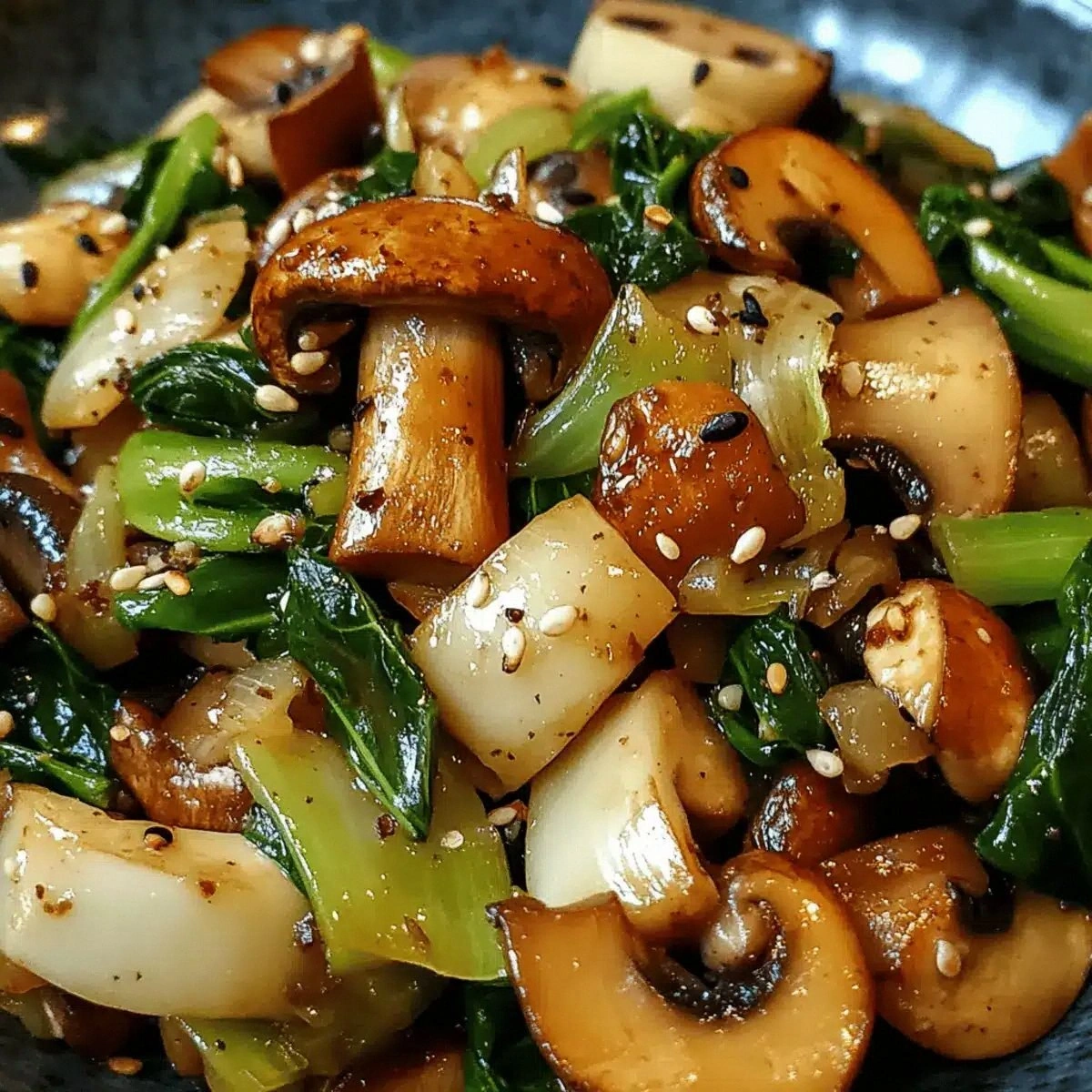
I’ve spent countless hours in the kitchen, experimenting with sauces, textures, and the subtle dance of heat. The first time I tossed sliced mushrooms and bok choy into a hot wok, the aroma was intoxicating—earthy mushroom, crisp green, a hint of garlic and ginger that seemed to whisper, “This is going to be good.” The sizzle was a drumbeat, the steam a soft halo, and as the vegetables cooked, the sauce thickened into a glossy, savory coating that clung to every leaf like velvet. I was so thrilled that I almost forgot to taste—only to realize that the heat from the wok was a perfect catalyst for caramelization, turning the surface of the mushrooms into a golden, slightly charred edge that shatters like thin ice.
What makes this version stand out is that it’s not just a stir‑fry; it’s a flavor revelation. The combination of soy and oyster sauce creates a umami backbone that feels like a secret handshake between two classic Asian sauces. The sesame oil adds a nutty depth that lingers long after the first bite. And the red chili flakes? They’re not just a splash of heat; they’re a burst of color and a reminder that a dish can be bold and approachable at the same time. I dare you to taste this and not go back for seconds, because the moment you finish, you’ll find yourself craving the next bite—an almost addictive craving that only the best versions can deliver.
I’ll be honest—when I first made it, I ate half the batch before anyone else even saw the plate. Most recipes get this completely wrong by overcooking the bok choy or underseasoning the sauce. Here’s what actually works: a quick stir, a splash of sauce, and a final drizzle of sesame oil. The result? A dish that’s hands down the best version you’ll ever make at home. And now, stay with me here—this is worth it. Let me walk you through every single step, and by the end, you’ll wonder how you ever made it any other way.
What Makes This Version Stand Out
- Flavor: The soy and oyster sauce duo delivers a layered umami punch that feels both familiar and adventurous. It’s like the classic “wow” factor in a single stir‑fry.
- Texture: The mushrooms stay tender yet slightly chewy, while the bok choy retains its crispness, offering a satisfying contrast in every bite.
- Simplicity: Five ingredients, a single pan, and less than 30 minutes of active cooking make this dish a real lifesaver for busy nights.
- Uniqueness: The addition of sesame oil and a splash of chili flakes elevates the dish beyond the typical “garlic and soy” combo.
- Crowd Reaction: Friends who’ve tried other stir‑fries say this one “stays in their memory.” The savory depth makes it a crowd‑pleaser at potlucks.
- Ingredient Quality: Fresh mushrooms and bok choy are key. The fresher the produce, the brighter the flavor profile.
- Cooking Method: High heat, quick tosses, and a final sauce coat create a dish that’s both quick and satisfying.
- Make‑ahead Potential: The sauce can be pre‑mixed and stored, saving you time the next day.
Alright, let’s break down exactly what goes into this masterpiece…
Inside the Ingredient List
The Flavor Base
The soy sauce and oyster sauce are the backbone of this dish. Soy sauce brings a salty, savory depth that’s essential for umami, while oyster sauce adds a sweet, slightly briny undertone. Together, they create a sauce that feels like a hug from an Asian pantry. The ratio of 3 tablespoons soy to 2 tablespoons oyster is crucial; too much soy and the dish becomes overly salty, too much oyster and it’s sweet. If you’re on a sodium watch, you can cut the soy in half and add a splash of low‑sodium broth instead. The sesame oil, added at the end, is a finishing touch that coats the vegetables in a nutty aroma. If you’re vegan, a dash of toasted sesame oil will still give that same depth. A quick note: keep the sauce warm until you’re ready to add it; a cold sauce will not coat evenly.
The Texture Crew
The fresh mushrooms are the star of the texture crew. They absorb the sauce and release moisture, creating a tender, slightly chewy bite. Bok choy adds a crunchy stem and a delicate, leafy texture that balances the mushrooms. Slice the bok choy so the stems are about 1.5 cm thick; this ensures they stay crisp. The ginger root, minced into fine pieces, adds a subtle heat and brightens the overall flavor. Garlic, on the other hand, offers a robust base that deepens the sauce’s complexity. If you’re sensitive to garlic, reduce the cloves to one; the dish will still shine. The cornstarch slurry is the secret to a glossy sauce that clings to each vegetable. It also thickens the sauce just enough to coat without becoming gummy. A small trick: whisk the cornstarch with a splash of cold water before adding it to the hot pan to avoid clumps.
The Unexpected Star
Red chili flakes might seem like a minor detail, but they bring a burst of heat and a pop of color that transforms the dish. They’re not just for spice; they add a subtle smoky flavor that complements the umami base. If you’re not a fan of heat, you can omit them entirely or replace them with a pinch of smoked paprika for a different twist. The spring onions are the finishing flourish that adds a fresh, oniony crunch. Slice them thinly and sprinkle over the finished dish for a bright, crisp finish. The vegetable oil is the medium that lets everything cook evenly and prevents sticking. Use a neutral oil with a high smoke point, such as canola or peanut oil, for the best results. If you’re using a cast‑iron skillet, a touch of oil helps prevent the veggies from sticking to the metal.
The Final Flourish
The sesame oil is the final flourish that ties the dish together. It’s a finishing oil, so add it at the very end of cooking. This step is essential; if you add it too early, the oil will evaporate and lose its nutty aroma. A small pinch of red chili flakes at the end can intensify the heat without overwhelming the dish. The cornstarch slurry is stirred in just before the dish is removed from heat to ensure a glossy finish. The dish is best served hot, straight from the wok, to preserve the crispness of the bok choy. Pair it with steamed jasmine rice or quinoa for a balanced meal. Finally, garnish with a sprinkle of sesame seeds for an extra layer of texture.
Everything's prepped? Good. Let's get into the real action…
The Method — Step by Step
- Heat the vegetable oil in a large wok or skillet over high heat until it shimmers. Add the minced garlic and ginger, stirring constantly for 30 seconds until fragrant but not browned. This quick aromatization releases the essential oils that form the flavor foundation of the dish. Watch the sizzle; it’s a sign the pan is hot enough. Once the aromatics are ready, move on to the mushrooms.
- Add the sliced mushrooms to the pan, spreading them out so they can sear without steaming. Stir-fry for 3–4 minutes, letting the mushrooms brown on one side before flipping. The browning creates a caramelized flavor that adds depth. Keep the heat high to keep the vegetables crisp. When the mushrooms are golden, add the bok choy stems.
- Toss the bok choy stems in, cooking for 2 minutes until they start to soften but remain crunchy. Add the bok choy leaves, which will wilt quickly. Stir continuously to prevent sticking. The leaves should turn a vibrant green and lose some of their raw bite. This step is crucial for achieving the perfect balance of textures.
- While the vegetables are cooking, whisk together the soy sauce, oyster sauce, sesame oil, and cornstarch slurry in a small bowl. The slurry should be smooth with no lumps; this ensures an even coating. Add this sauce mixture to the pan, stirring vigorously to coat all the vegetables. The sauce will thicken and coat the veggies in a glossy sheen. Keep stirring until the sauce is fully incorporated.
- Add the red chili flakes and spring onions, stirring for an additional 30 seconds. The heat from the pan will release the chili’s subtle smokiness. The spring onions add a fresh crunch that contrasts the softened bok choy. Taste the dish; if it needs more salt, add a pinch of salt or a splash of soy sauce. The goal is a balanced, savory flavor.
- Reduce the heat to medium and let the dish simmer for 1–2 minutes. This allows the sauce to thicken further and the flavors to meld. Keep the lid off to avoid steaming the vegetables. If the sauce becomes too thick, add a splash of water or broth to loosen it slightly. This step ensures the dish remains moist and flavorful.
- Turn off the heat and transfer the stir‑fry to a serving bowl. Drizzle a little more sesame oil over the top for that final aromatic finish. Let the dish sit for a minute; the residual heat will finish cooking the bok choy leaves. This pause also allows the flavors to settle. Serve immediately while hot.
- Watch Out: If you add too much liquid or let the sauce boil too long, the vegetables can become soggy. Keep an eye on the sauce’s viscosity; it should coat but not pool. If you see a lot of liquid, increase the heat slightly and stir until it reduces. This small tweak will keep the dish from turning into a stew. Remember, the goal is a quick, glossy coating.
- Garnish with a sprinkle of sesame seeds and an extra dash of chili flakes if desired. This final touch adds crunch and a pop of color that makes the dish Instagram‑ready. Serve with steamed jasmine rice or a side of noodles for a complete meal. The dish is ready to be devoured.
- That’s it — you did it. But hold on, I've got a few more tricks that’ll take this to another level. Keep your knife sharp for quick cuts, keep your pan hot for that sizzle, and always taste as you go. These small habits will elevate your cooking from good to unforgettable. Enjoy the process and savor every bite!
Insider Tricks for Flawless Results
The Temperature Rule Nobody Follows
High heat is the secret sauce for a quick stir‑fry. If the pan isn’t hot enough, the vegetables will steam instead of sear, resulting in a soggy dish. Use a metal thermometer or simply splash a drop of water in the pan; if it dances, the heat is right. A hot pan also locks in the juices of the mushrooms, giving them a juicy bite. If you’re using a non‑stick skillet, preheat it for an extra minute before adding oil. This trick ensures a perfect sear every time.
Why Your Nose Knows Best
Your sense of smell is your best friend while cooking. The first aroma you notice is the garlic and ginger; if it smells burnt, reduce the heat immediately. The scent of the soy sauce should be sweet and slightly salty, not sharp. If the sauce smells off, it might be too old or overcooked. A fresh aroma guarantees a fresh flavor. Trust your nose and adjust accordingly.
The 5-Minute Rest That Changes Everything
Letting the dish rest for a few minutes after cooking allows the flavors to meld and the sauce to thicken slightly. The rest period also lets the bok choy leaves finish cooking without overcooking. During this pause, the sesame oil’s aroma will become more pronounced. If you’re in a rush, skip this step, but you’ll miss out on that subtle depth. A quick 5‑minute rest is worth the wait.
The Perfect Garlic-to-Mushroom Ratio
Too much garlic can overpower the delicate mushroom flavor. The 2 cloves we use strike a balance that enhances the umami without drowning it. If you love garlic, add an extra clove, but keep it minced finely to distribute evenly. A small amount of garlic goes a long way in this dish. Experiment with garlic powder for a different texture.
The Secret of a Non‑Sticking Pan
A well‑seasoned cast‑iron skillet or a high‑quality non‑stick pan will keep the vegetables from sticking. If you’re using a stainless steel pan, preheat it for a few minutes before adding oil. This helps create a barrier between the pan and the veggies. A quick splash of water will help test the pan’s temperature. A non‑sticking surface means a cleaner, faster cooking process.
The Final Sesame Oil Splash
Adding sesame oil at the very end of cooking preserves its nutty aroma and prevents it from evaporating. If you add it too early, the oil’s flavor will dissipate and you’ll miss that finishing touch. The small amount of oil also adds a glossy sheen to the dish. A few drops are enough to coat the vegetables and give them a luxurious finish. This final splash is the difference between a good stir‑fry and a great one.
Creative Twists and Variations
Sriracha‑Mushroom Explosion
Swap the red chili flakes for a generous spoonful of sriracha. The heat becomes more pronounced and the sauce takes on a vibrant pink hue. This variation is perfect for those who love a fiery kick. Pair it with rice noodles for a spicy noodle bowl. The sriracha adds a sweet, smoky depth that complements the mushrooms.
Thai Basil Fusion
Add a handful of fresh Thai basil at the end for an aromatic burst. The basil’s sweet, peppery flavor pairs beautifully with the soy sauce. This twist turns the dish into a Thai‑inspired stir‑fry. Serve over jasmine rice for an authentic feel. The basil adds a fresh, green contrast to the savory sauce.
Miso‑Mushroom Umami Boost
Replace the oyster sauce with a tablespoon of white miso paste. The miso adds a creamy, salty depth that elevates the umami. It also thickens the sauce slightly, giving it a richer texture. This variation is great for those who love miso soup. The result is a hearty, comforting stir‑fry.
Citrus‑Lemon Zest
Finish the dish with a squeeze of fresh lemon juice and a sprinkle of lemon zest. The citrus brightens the flavors and cuts through the richness of the sauce. This variation is especially refreshing on hot days. Pair it with a light salad for a balanced meal. The citrus note adds a bright, airy finish.
Roasted Garlic Boost
Roast the garlic cloves in the oven until caramelized before adding them to the wok. The roasted garlic brings a sweet, mellow flavor that contrasts the sharpness of fresh garlic. This twist adds depth and a subtle sweetness. Serve with steamed rice or quinoa. The roasted garlic transforms the dish into a gourmet experience.
Spicy Peanut Crunch
Stir in a tablespoon of creamy peanut butter and a splash of soy sauce for a Thai‑inspired sauce. The peanut butter adds a rich, nutty flavor and a silky texture. Add a handful of crushed peanuts on top for crunch. This variation turns the dish into a hearty, protein‑rich meal. The peanut sauce is a crowd‑pleaser for those who love a bit of sweetness.
Storing and Bringing It Back to Life
Fridge Storage
Store leftovers in an airtight container in the refrigerator for up to 3 days. The dish’s moisture content keeps it fresh without drying out. When reheating, add a splash of water or broth to restore moisture. Gently reheat over medium heat, stirring occasionally. Avoid high heat to prevent the sauce from thickening too much. The dish remains flavorful and tender if reheated properly.
Freezer Friendly
Freeze the stir‑fry in a freezer‑safe container for up to 2 weeks. The sauce can become a bit thicker when frozen, but it will loosen up during reheating. Thaw overnight in the refrigerator before reheating. Use a microwave on low power or a skillet over low heat. Stir frequently to ensure even heating. This method preserves the dish’s texture and flavor.
Best Reheating Method
The best way to reheat is in a wok or skillet over medium heat. Add a splash of water or broth to keep the sauce from drying out. Stir frequently to distribute heat evenly. Once the dish is hot, finish with a drizzle of sesame oil for aroma. The quick reheating keeps the vegetables crisp. Serve immediately for the best experience.