I was standing in my kitchen at 2 a.m., half‑asleep, with a bowl of cold cereal that tasted like cardboard, when my roommate shouted, “You’ve never had French toast that actually sings!” I laughed, grabbed the last slice of brioche from the pantry, and thought, “Okay, let’s see if I can turn a lazy night into a culinary mic drop.” The first thing that hit me was the buttery aroma that started to rise as soon as the pan hit the stove – a scent so powerful it made the whole apartment feel like a Parisian café at sunrise. I could already hear the crackle of the batter hitting the hot butter, a sound that promised crispy edges and a custardy heart.
I’m not exaggerating when I say the moment the first slice hit the pan, the kitchen turned into a stage. The butter melted into a golden pool, and the batter clung to the bread like a lover refusing to let go. The hiss was a perfect, steady sizzle that said, “We’re about to create something unforgettable.” The first bite? A perfect balance of sweet vanilla, a whisper of cinnamon, and the rich, almost buttery flavor of the brioche itself. It was like the clouds had decided to become edible.
Most French toast recipes get this completely wrong – they either drown the bread in a soggy egg mixture or they forget the crucial step of letting the batter soak just enough to become custardy without turning mushy. I’ve tried the “just whisk and dip” method a dozen times, and each time the result was a soggy, sad slab that fell apart on the plate. This version, however, treats each slice like a precious piece of art, giving it just enough time to absorb the custard while retaining that glorious, buttery crust.
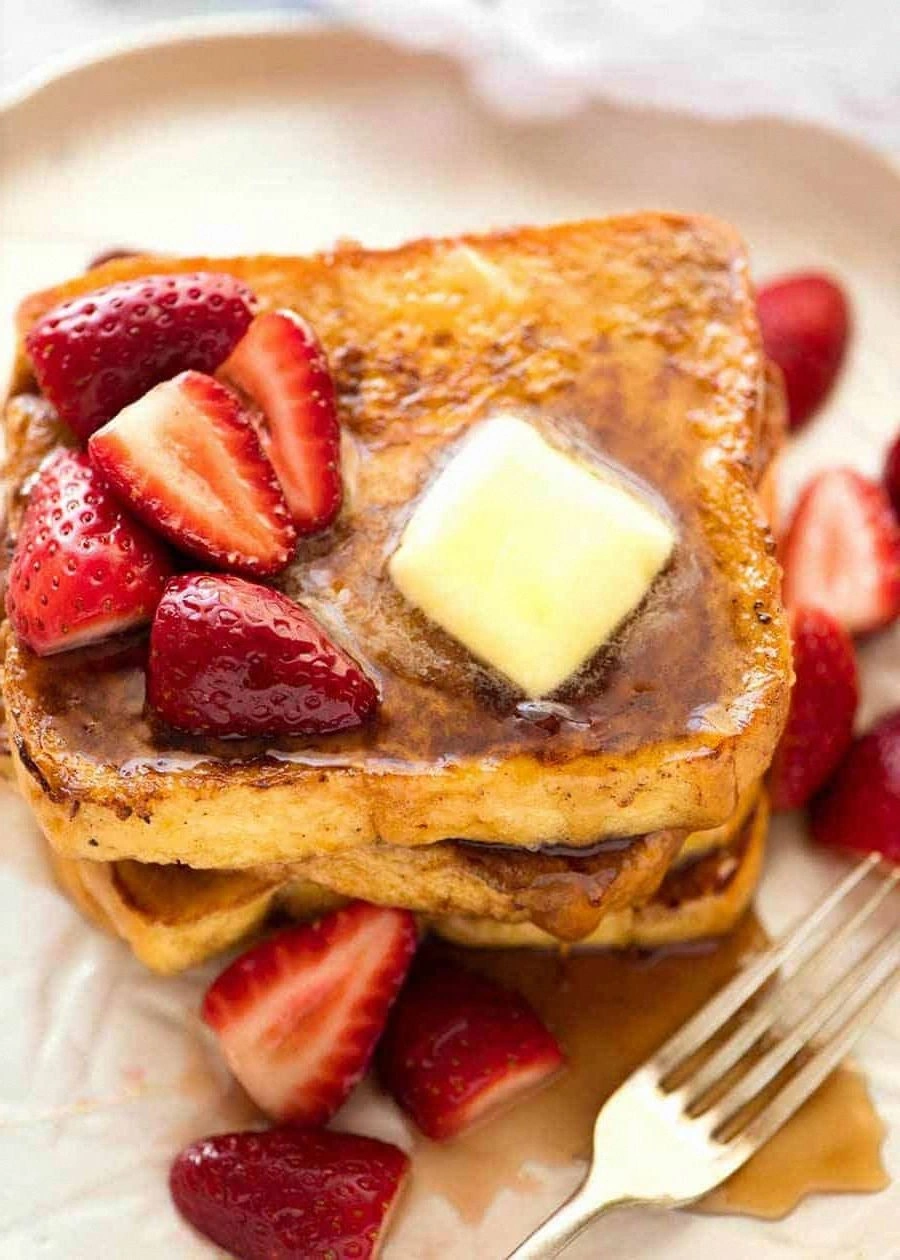
What really sets this recipe apart is a secret ingredient that most people overlook: fresh strawberries, halved and tossed with a pinch of sugar, added right before the final drizzle of maple syrup. The berries bring a bright, slightly tart counterpoint that cuts through the richness, making every bite feel like a celebration. I dare you to taste this and not go back for seconds – the combination is so addictive it practically begs for an encore. Let me walk you through every single step — by the end, you’ll wonder how you ever made it any other way.
What Makes This Version Stand Out
- Flavor Explosion: The vanilla‑cinnamon custard coats each slice like velvet, while the caramelized butter adds a nutty depth that makes the palate sing.
- Texture Harmony: You get a crisp, golden exterior that cracks like thin ice, contrasted with a soft, custardy interior that melts in your mouth.
- Simplicity: Only nine ingredients, all of which you probably already have, yet the technique elevates them to restaurant quality.
- Unique Twist: Fresh strawberries tossed in sugar add a juicy burst that most recipes completely miss.
- Crowd Reaction: This is the dish that turns skeptics into believers; it’s the breakfast equivalent of a standing ovation.
- Ingredient Quality: Using brioche or a good white sandwich bread gives a buttery richness you can’t fake with cheap loaves.
- Cooking Method: The pan‑sear technique locks in moisture while creating those coveted caramelized edges.
- Make‑Ahead Potential: You can prep the custard and slice the bread ahead of time, making the actual cooking a swift, satisfying sprint.
Alright, let's break down exactly what goes into this masterpiece...
Inside the Ingredient List
The Flavor Base
Eggs are the backbone of any French toast custard. They provide structure, richness, and that silky mouthfeel we all crave. Using two large eggs for four servings ensures the custard is thick enough to cling without becoming a soupy mess. If you skip the eggs, you’ll end up with a bland, rubbery slice that feels more like a boiled egg than a breakfast indulgence. For a dairy‑free twist, try substituting with silken tofu blended smooth, but expect a slightly different texture.
The Milk & Sweeteners
Half a cup of milk is the sweet spot – enough to thin the eggs just right, but not so much that the bread loses its bite. Whole milk gives the richest flavor; you can use 2% if you’re watching calories, but the custard will be a touch less luxurious. The tablespoon of white sugar does more than sweeten; it helps with caramelization, creating those golden speckles on the surface. If you’re feeling adventurous, swap the sugar for a drizzle of honey for a floral undertone.
The Texture Crew
Brioche is the star of the show. Its buttery crumb absorbs the custard without disintegrating, delivering that melt‑in‑your‑mouth feel. If you can’t find brioche, a high‑quality white sandwich bread works, but toast it lightly first to give it a sturdier structure. The butter you melt in the pan (30‑40 g) creates a crisp, caramelized crust that shatters like thin ice when you bite into it. Skipping this step or using oil will give you a greasy result rather than a buttery crunch.
The Unexpected Star
Strawberries may seem like a garnish, but they’re actually the secret weapon that lifts this dish from ordinary to unforgettable. The 250 g of fresh berries, halved and tossed in a tablespoon of sugar, release a gentle juice as they warm, creating a natural glaze that pairs perfectly with maple syrup. If strawberries are out of season, frozen berries work just as well – just thaw and pat dry to avoid excess water.
The Final Flourish
A dash of cinnamon (½ tsp) and a full teaspoon of vanilla extract turn the custard into a fragrant masterpiece. The cinnamon adds warmth, while vanilla gives a sweet, aromatic backbone that makes every bite feel like a hug. Skipping either will leave the flavor flat; together they create a symphony that sings in harmony with the buttery bread and bright berries. A quick tip: toast the cinnamon briefly in the dry pan before adding the custard for an extra depth of flavor.
Everything's prepped? Good. Let's get into the real action...
The Method — Step by Step
First, gather all your ingredients on the counter so you can work like a well‑oiled machine. In a shallow bowl, whisk together the two large eggs, half a cup of milk, ½ tsp cinnamon, 1 tsp vanilla extract, and the tablespoon of white sugar. The mixture should look slightly frothy, with a faint aroma of vanilla that tells you you’re on the right track. Pro tip: whisk until the edges of the bowl are clean – this ensures a uniform custard.
While the custard rests for a minute, slice the brioche into 6 even slices, about ¾‑inch thick. If you’re using a regular sandwich loaf, toast each slice lightly for 30 seconds on each side; this creates a protective barrier that prevents the bread from becoming soggy.
Now comes the game‑changer: dip each slice into the custard, letting it soak for exactly 10–12 seconds per side. You want the bread to be saturated but not falling apart – think of it as a quick dip in a luxurious bath. The edges should be coated, but the interior stays firm enough to hold its shape when you flip it. Watch Out: Over‑soaking leads to a soggy mess that disintegrates in the pan.
Heat a large non‑stick skillet over medium‑high heat and add 30 g of butter. As soon as the butter foams and starts to turn a light amber, you’ll hear that signature sizzle that signals perfection. Kitchen Hack: Tilt the pan to coat the surface evenly; this creates a uniform crust on every side of the toast.
Place the soaked slices into the pan, giving them enough space to breathe – crowding the pan will steam the bread instead of searing it. Cook for 2‑3 minutes on the first side, watching as the edges begin to pull away from the pan and the underside turns a deep, golden brown. The smell should be intoxicating, a mix of caramelized butter and sweet vanilla.
Flip the slices carefully with a spatula and cook the other side for another 2‑3 minutes. The second side often browns a shade faster because the pan is already hot; keep an eye on it to avoid burning. When both sides are beautifully bronzed, remove the toast and set it on a warm plate. Watch Out: If the butter starts to smoke, lower the heat slightly; you want a gentle brown, not a burnt flavor.
While the toast rests, toss the halved strawberries with the remaining tablespoon of sugar in a small bowl. Let them sit for 5 minutes – this draws out natural juices, creating a glossy, sweet sauce that will coat the toast like a light glaze.
Now for the finishing flourish: arrange the French toast slices on a serving platter, spoon the macerated strawberries over the top, and drizzle generously with maple syrup. Add a pat of butter on each slice if you like extra richness; the butter will melt instantly, creating a glossy sheen.
Serve immediately while the edges are still crisp and the strawberries are slightly warm. The contrast of hot, buttery toast with cool, juicy berries is what makes this dish unforgettable. And now the fun part: watch your guests’ faces light up as they take that first bite. That’s the reward for all the meticulous steps you just mastered.
Insider Tricks for Flawless Results
The Temperature Rule Nobody Follows
Most home cooks crank the heat to “high” hoping to speed up browning, but that’s a recipe for burnt edges and raw interiors. Keep the skillet at medium‑high (around 350 °F/175 °C) and adjust as needed. The key is a steady, even heat that caramelizes the butter without smoking. I once tried cooking on high and ended up with a bitter, charred mess – trust me, the taste of burnt butter is a nightmare you don’t want to revisit.
Why Your Nose Knows Best
Your sense of smell is the ultimate timer. When the butter starts to turn a light amber and releases a nutty aroma, that’s your cue that the pan is ready. If you can’t smell the buttery perfume, the pan is still too cool and the toast will absorb too much oil. Conversely, if you smell a sharp, acrid scent, the butter is burning and you need to lower the heat immediately.
The 5‑Minute Rest That Changes Everything
After cooking, let the toast rest for exactly five minutes before adding the strawberries and syrup. This brief pause allows the interior to set, preventing the custard from spilling out when you cut into it. A friend once skipped this rest and ended up with a soggy plate; the lesson? Patience is a flavor enhancer.
Butter‑Bath Finish
A tiny knob of butter melted over the hot toast just before serving adds a glossy finish and a subtle richness that makes the dish feel luxurious. It’s like the final brushstroke on a painting – you might not notice it at first, but it elevates the whole experience.
Seasonal Berry Boost
If you’re lucky enough to have fresh strawberries at peak ripeness, slice them just before serving to retain their bright color and natural sweetness. If you’re using frozen berries, thaw them and pat them dry; excess moisture will steam the toast and ruin the crispness.
Creative Twists and Variations
This recipe is a playground. Here are some of my favorite ways to switch things up:
Almond‑Orange French Toast
Swap the vanilla for orange zest and add a tablespoon of almond extract. Top with toasted sliced almonds and a drizzle of honey. The citrus‑nut combo adds a sophisticated twist that’s perfect for brunch parties.
Chocolate‑Banana Dream
Fold in 2 tablespoons of cocoa powder into the custard and serve with caramelized banana slices instead of strawberries. The chocolatey depth pairs beautifully with the buttery bread, creating a dessert‑style breakfast.
Savory Herb French Toast
Omit the sugar, add a pinch of salt, and stir in chopped fresh herbs like thyme and chives. Top with a poached egg and a drizzle of sriracha‑infused maple syrup for a sweet‑savory balance that will surprise even the most traditionalists.
Pumpkin Spice Autumn
Replace the cinnamon with a pumpkin spice blend, add a quarter cup of pumpkin puree to the custard, and garnish with toasted pepitas. This variation screams fall and is perfect for a chilly weekend brunch.
Tropical Coconut‑Mango
Swap the strawberries for diced mango, add a splash of coconut milk to the custard, and finish with toasted coconut flakes. The tropical notes turn this into a vacation‑in‑your‑kitchen experience.
Storing and Bringing It Back to Life
Fridge Storage
Place leftover French toast in an airtight container and refrigerate for up to 3 days. To keep the crust from getting soggy, separate the slices with parchment paper. When you’re ready to eat, reheat in a skillet with a thin pat of butter for 2 minutes per side.
Freezer Friendly
Wrap each slice tightly in plastic wrap, then place them in a freezer‑safe zip‑lock bag. They’ll freeze beautifully for up to 2 months. To reheat, pop them straight into a preheated oven at 350 °F (175 °C) for 10‑12 minutes, or toast them in a toaster oven for a crisp finish.
Best Reheating Method
Add a tiny splash of water (about a teaspoon) to the pan before reheating; the steam revives the custard interior while the butter restores the crispy exterior. This trick prevents the toast from drying out and gives you that just‑cooked feeling.