Picture this: I’m in a cramped apartment kitchen, a stack of take‑out menus on the counter, and a sudden craving for something comforting, savory, and unmistakably Korean. I flip through a battered cookbook, stumble over a page that says “Jajangmyeon,” and my stomach does a little happy dance. That moment felt like a culinary dare—“I’ll make the best Jajangmyeon at home,” I whispered to the empty fridge, and the rest of the evening followed suit.
The first thing that struck me was the aroma of toasted sesame oil mingling with the earthy sweetness of Korean black bean paste. My nose caught the faint scent of garlic and ginger, already sizzling in a hot pan. The sound of the oil crackling was like a promise of depth, and the sight of glossy noodles waiting in a pot made my heart beat faster. When the first spoonful hit my tongue, the sauce clung to the noodles like velvet, its dark, umami-rich body balanced by a subtle hint of sweetness.
I’ve tried countless versions of this dish, from instant ramen mixes to restaurant take‑outs, but none felt as complete as this. The sauce in this recipe is thick, glossy, and perfectly caramelized, while the noodles stay firm yet tender. Every bite is a harmonious blend of savory, sweet, and a whisper of heat from the chili flakes I add at the end. It’s the kind of comfort food that feels like a hug in a bowl, and I’m here to spill every secret that makes it stand out.
What makes this version truly special is the unexpected twist of using a homemade sauce base instead of canned paste. The slow simmer allows the black bean paste to develop a richer flavor profile, and the addition of a splash of rice wine brightens the dish. I also experimented with a touch of Korean chili flakes, which gives a gentle kick without overpowering the delicate balance. This little tweak turns a classic into a memorable experience.
I dare you to taste this and not go back for seconds—once you’ve had a bowl of this, other versions will just feel like a warm memory. The sauce coats the noodles like a silky coat, and the savory umami lingers long after the last bite. I’ve already had two plates, and I’m still craving more. That’s the power of a well‑crafted Jajangmyeon.
If you’ve ever struggled with getting the sauce right, you’re not alone. Many people add too much water or skip the caramelization step, ending up with a thin, watery mess. In this recipe, every ingredient has a purpose, and the technique ensures a depth of flavor that’s hard to replicate. Let me walk you through every single step—by the end, you’ll wonder how you ever made it any other way.
What Makes This Version Stand Out
- Depth: The sauce undergoes a slow caramelization that brings out the beans’ natural sweetness, creating a complex umami profile that feels both hearty and refined. This is a far cry from the thin, watery sauces of many store‑bought versions.
- Texture: The noodles are cooked al dente, providing a satisfying chew that contrasts with the silky sauce. The vegetables maintain a gentle crunch, adding layers of mouthfeel.
- Balance: Sweetness, saltiness, and a hint of heat coexist in perfect harmony, thanks to carefully measured soy sauce, sugar, and chili flakes. The result is a well‑rounded flavor that never feels one‑dimensional.
- Authenticity: Using authentic Korean black bean paste (chunjang) and sesame oil gives the dish an unmistakable Korean character that feels both traditional and fresh.
- Versatility: The recipe can be adapted for pork, beef, or even tofu, making it suitable for a wide range of dietary preferences.
- Make‑ahead Potential: The sauce can be prepared a day in advance; it actually tastes better after the flavors marry overnight. This makes it ideal for busy weeknights or pre‑party meals.
- Presentation: The glossy sauce, the bright green scallions, and the subtle sheen of sesame seeds turn a humble bowl into a visual feast, perfect for impressing friends.
- Health Conscious: By controlling the amount of oil and sugar, the dish stays relatively low in calories while still delivering a satisfying flavor profile.
Inside the Ingredient List
The Flavor Base
The heart of this dish is the black bean paste, or chunjang, a fermented soybean paste that carries a deep, earthy sweetness. When toasted, it releases a nutty aroma that sets the stage for the entire sauce. Skipping this step would leave your dish flat and lifeless; the paste is what gives Jajangmyeon its signature dark hue and robust flavor. For those who can’t find authentic chunjang, a mix of soybean paste and a splash of dark soy sauce can work as a makeshift substitute, but the depth will be slightly diminished.
The next key component is sesame oil, which adds a fragrant, nutty undertone. A teaspoon is enough to elevate the sauce without overpowering the beans. If you’re avoiding refined oils, you can replace sesame oil with a light olive oil, though the flavor profile will shift slightly toward Mediterranean.
Soy sauce provides the necessary saltiness, balancing the sweetness of the black bean paste. A tablespoon is the sweet spot; too much can drown the other flavors. For a gluten‑free version, opt for tamari or coconut aminos, which maintain the salty depth without the wheat component.
Finally, a tablespoon of sugar (or honey for a natural sweetener) rounds off the sauce, creating a subtle caramelized finish. If you prefer a less sweet dish, reduce the sugar by half; the beans will still carry enough natural sweetness to keep the sauce interesting.
The Protein and Vegetable Crew
Pork belly or pork shoulder adds a savory, fatty element that pairs beautifully with the sauce. Dice it into bite‑sized cubes so it cooks evenly and absorbs the flavors. If you’re vegetarian, tofu or tempeh works wonderfully, providing a firm texture that holds up against the sauce.
Onions, carrots, and zucchini bring sweetness and crunch. Dice them into uniform pieces so they cook at the same rate. Skipping any of these vegetables will alter the flavor balance; the carrots add a touch of natural sugar, while the zucchini keeps the dish from feeling too heavy.
Garlic and ginger are the aromatics that kick the sauce into high gear. Mince them finely to release their essential oils. If you’re sensitive to strong flavors, reduce the garlic to one clove and keep the ginger at half a teaspoon; the result will still be aromatic but gentler.
Water or stock is the liquid base that helps the sauce thicken into a glossy coating. Using chicken or vegetable stock instead of plain water adds a subtle depth that enhances the umami profile. For a vegan version, a simple vegetable stock works perfectly.
The Final Flourish
Sesame seeds and sliced scallions are the finishing touches that add texture and a bright, fresh note. They’re optional, but they bring a satisfying crunch and a pop of color that makes the dish visually appealing. Sprinkle them over the top right before serving to preserve their crispness.
If you like a bit of heat, a pinch of Korean chili flakes (gochugaru) gives the dish a gentle kick that doesn’t overpower the other flavors. Add them at the end of cooking so they retain their bright color and subtle spice. A small amount goes a long way, so start with a quarter teaspoon and adjust to taste.
An egg, fried or poached, can be a decadent addition, creating a silky, velvety layer that melts into the sauce. This is optional and more of a luxury than a necessity. If you’re in a hurry, skip the egg and enjoy the dish as it is.
Everything’s prepped? Good. Let’s get into the real action…
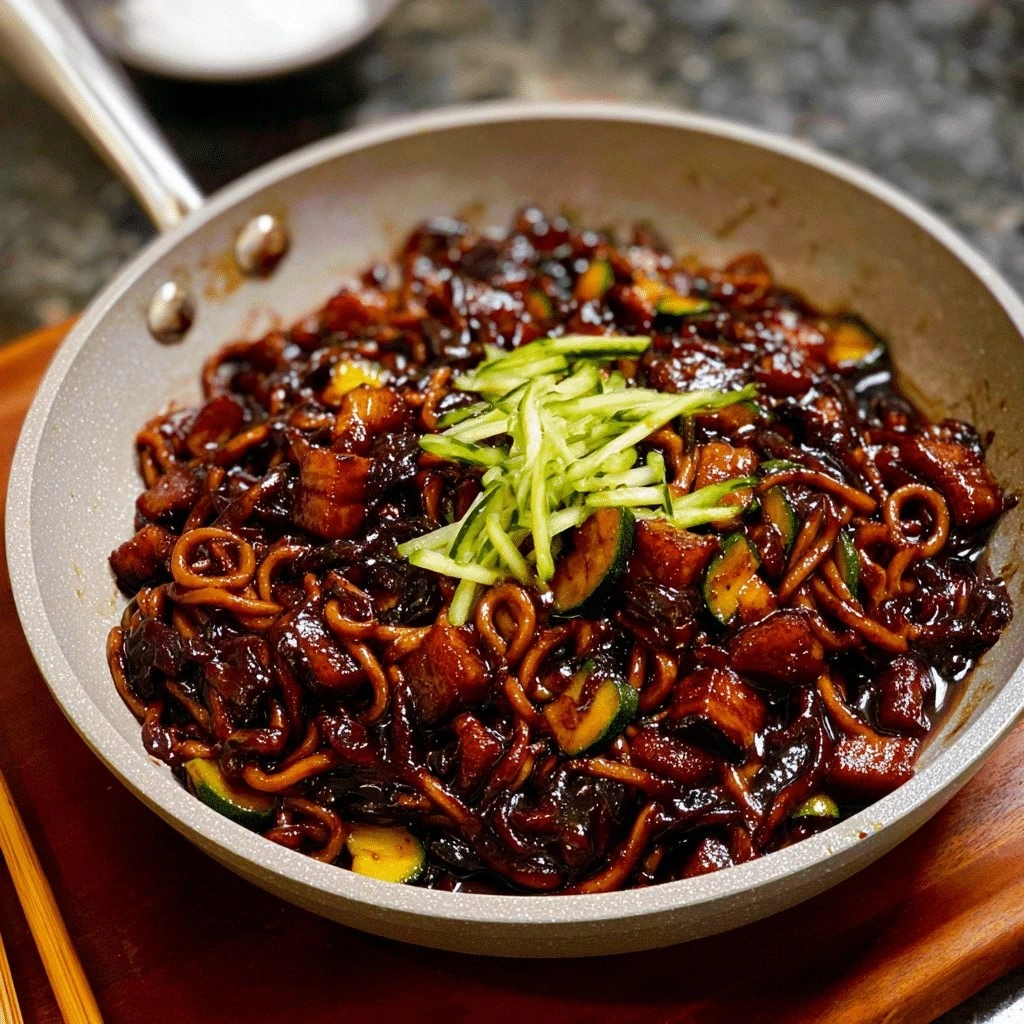
The Method — Step by Step
- Start by heating a tablespoon of vegetable oil in a large skillet or wok over medium‑high heat. When the oil shimmers, add the diced pork and sear until it’s browned on all sides. This step locks in the meat’s juices and creates a caramelized crust that adds depth to the sauce.
- Once the pork is browned, push it to the side of the pan and add a splash of water to deglaze, scraping up any browned bits. These bits are the flavor goldmine that will enrich the sauce. Let the water evaporate completely before moving on.
- Introduce the onions, carrots, and zucchini, sautéing them until they’re just tender but still hold a slight bite. The vegetables should release their juices and start to soften, creating a fragrant base for the sauce.
- Add the minced garlic and ginger to the pan, stirring constantly to avoid burning. The aromatics should turn bright yellow and give off a fragrant aroma within 30 seconds. This quick sauté infuses the oil with essential oils that will carry through the dish.
- Stir in the black bean paste and sesame oil, coating the vegetables and pork evenly. Cook for 2–3 minutes, allowing the paste to toast slightly; this brings out a nutty sweetness that’s essential to a great Jajangmyeon.
- Pour in the water or stock, then add the soy sauce and sugar. Bring the mixture to a gentle simmer, stirring to dissolve the sugar. Let it simmer for 8–10 minutes, allowing the sauce to thicken and the flavors to meld.
- While the sauce simmers, cook the noodles according to the package instructions until they’re al dente. Drain and rinse them under cold water to stop the cooking process and prevent sticking.
- Add the cooked noodles to the sauce, tossing gently to coat each strand. Cook for an additional 2 minutes, letting the noodles absorb the sauce’s richness. The sauce should coat the noodles like a glossy glaze.
- If you’re using an egg, crack it into a small bowl, whisk lightly, then pour it into the pan. Stir gently to create a silky ribbon of egg throughout the dish. This step is optional but adds a luxurious texture.
- Finally, sprinkle the scallions, sesame seeds, and chili flakes over the top. Give everything one last gentle toss and transfer the dish to a serving bowl. The aroma at this point is intoxicating, and the colors are vibrant.
That’s it — you did it. But hold on, I’ve got a few more tricks that’ll take this to another level. These little tweaks will elevate the dish from good to unforgettable.
Insider Tricks for Flawless Results
The Temperature Rule Nobody Follows
Many home cooks cook the sauce at a high heat, which can cause the black bean paste to burn and create a bitter taste. I always keep the heat on medium, allowing the flavors to develop slowly. This method ensures the sauce remains smooth and aromatic, and the pork stays juicy.
Why Your Nose Knows Best
Your sense of smell is the first indicator of when the sauce is ready. When the oil is slightly smoky and the paste has a nutty aroma, it’s time to add the liquid. This subtle cue prevents over‑cooking and keeps the sauce from becoming too thick or too thin.
The 5‑Minute Rest That Changes Everything
After simmering, let the sauce rest for 5 minutes off the heat. This allows the flavors to settle and the sauce to thicken naturally. When you reheat the dish, it will have a richer, more cohesive taste.
The Secret of the Perfect Noodle Bite
To keep noodles al dente, rinse them under cold water after draining. This stops the cooking process and removes excess starch, preventing the noodles from becoming gummy. The result is a firm bite that complements the silky sauce.
The Quick Garnish Trick
Instead of chopping scallions finely, slice them into thin ribbons. This gives the dish a delicate texture and a bright green pop of color that looks professional and appetizing.
The One‑Minute Oil Finish
Right before serving, drizzle a teaspoon of toasted sesame oil over the dish. This final splash adds a burst of nutty aroma that elevates the entire experience. It’s a simple step that makes a huge difference.
Creative Twists and Variations
This recipe is a playground. Here are some of my favorite ways to switch things up:
Spicy Kimchi Jajangmyeon
Add a cup of chopped kimchi during step 3. The fermented tang adds a punch of flavor that complements the black bean paste. It’s perfect for those who love a bit of heat and umami.
Seafood Surprise
Replace pork with a mix of shrimp and squid. Sauté them in step 1, and they’ll absorb the sauce’s richness. The result is a coastal twist that feels both exotic and familiar.
Vegan Delight
Swap pork for tofu or tempeh, and use vegetable stock instead of chicken stock. The tofu will soak up the sauce, creating a hearty, plant‑based version that’s just as satisfying.
Breakfast Jajangmyeon
Serve the dish with a side of fried eggs and a splash of soy sauce. The combination of savory noodles and runny yolk is a breakfast classic that will wake up your taste buds.
Low‑Carb Version
Swap the noodles for shirataki or zucchini noodles. The sauce still coats the noodles beautifully, and the dish becomes a lighter, keto‑friendly option.
Gluten‑Free Jajangmyeon
Use gluten‑free ramen noodles and tamari instead of soy sauce. The flavor stays authentic, and the dish remains safe for those with gluten sensitivities.
Storing and Bringing It Back to Life
Fridge Storage
Cool the dish completely before transferring it to an airtight container. Store it in the refrigerator for up to 3 days. The sauce may thicken, but it will reheat beautifully.
Freezer Friendly
For longer storage, freeze the sauce and noodles separately. The sauce can be kept for up to 2 months, while the noodles last up to 1 month. This separation prevents the noodles from becoming mushy.
Best Reheating Method
When reheating, add a splash of water or stock to loosen the sauce, then warm it on low heat until it reaches the desired temperature. A quick stir ensures even heating and prevents the sauce from drying out.