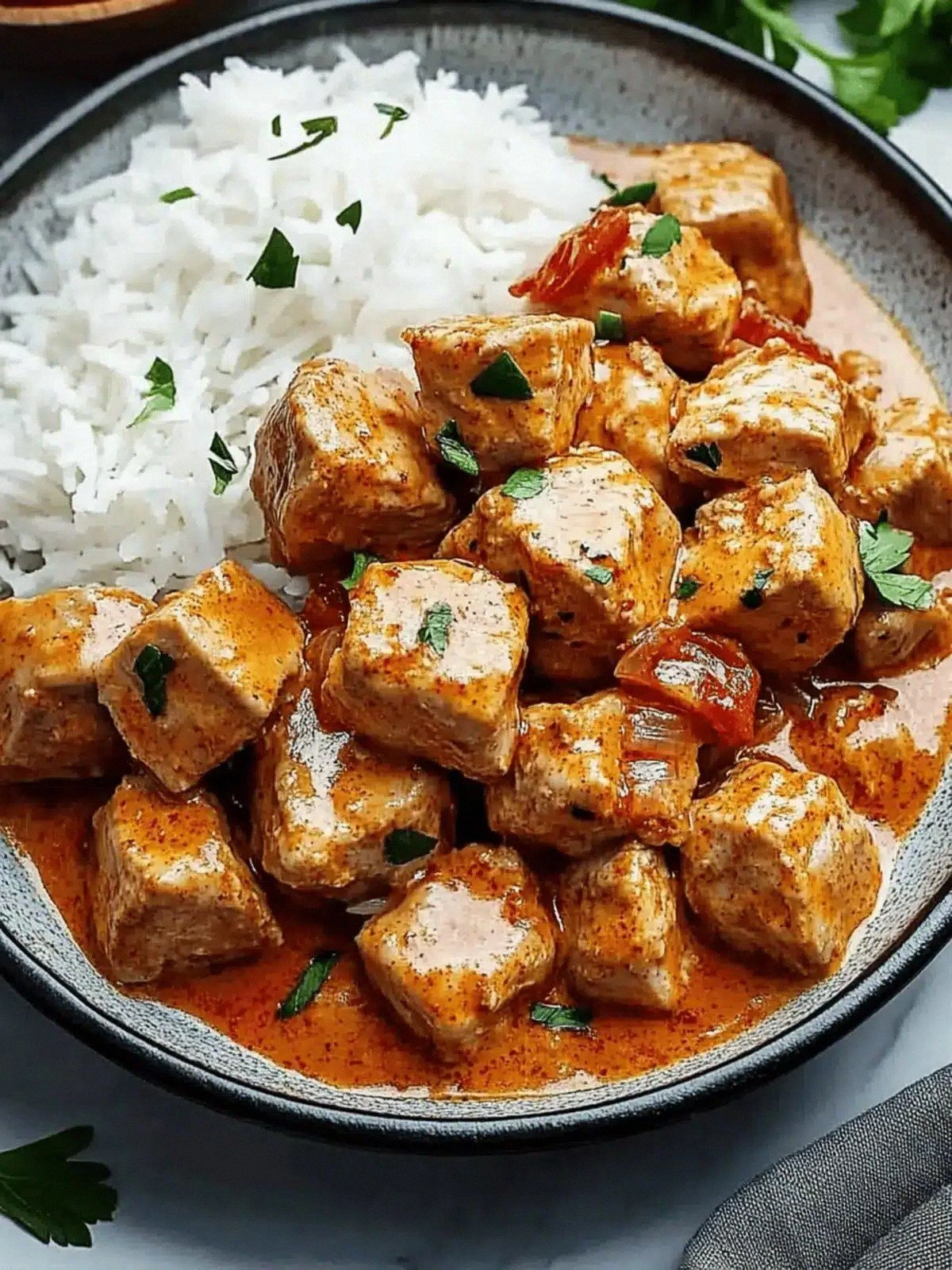
I was halfway through a midnight snack, flipping through a cookbook that looked like a relic from a Korean war, when I stumbled upon the most ridiculous idea: fried rice with Spam and kimchi. The kitchen smelled of burnt garlic and the faint tang of fermented cabbage, and I could feel the heat rising from the stove like a promise. My friends had dared me to cook something that would make even the most skeptical of us go back for seconds, and I knew this was the challenge. The moment the pan hissed and the rice began to sizzle, I realized that this dish was going to be more than a meal; it was going to be a revelation. Let me walk you through every single step — by the end, you'll wonder how you ever made it any other way.
Picture the first bite: the crunch of kimchi, the smoky saltiness of Spam, the nutty aroma of sesame oil, and the soft, comforting hug of rice. I dare you to taste this and not go back for seconds; the flavor explosion will keep you coming back. The contrast between the fiery kimchi and the mellow Spam is a dance that never ends. Most recipes get this completely wrong by undercooking the rice or overcooking the Spam, but we’ll keep it crisp. The best part? You can whip this up in less than 30 minutes, making it the ultimate dinner for busy nights.
I’ve spent countless hours tweaking the ratios, trying to find the perfect balance between umami and spice. After a few experiments that left me with soggy rice and burnt Spam, I discovered the secret: use day‑old rice and a high heat pan. The rice clumps together like a loyal army, while the Spam crisps into golden ribbons that shatter like thin ice when you bite. The addition of a splash of soy sauce and a drizzle of sesame oil brings everything together into a silky, glossy coating. If you’re skeptical, just taste a spoonful and feel the harmony.
This version stands out because it respects the integrity of each ingredient while elevating them to new heights. The kimchi isn’t just a sidekick; it’s the star that brings a spicy, fermented tang and a touch of crunch. The Spam doesn’t just add saltiness; it crisps up beautifully for extra texture. Green onions provide a fresh green pop, while garlic adds warm, aromatic undertones. Soy sauce gives a savory depth, and sesame oil offers a nutty aroma. Together, they create a dish that’s both comforting and adventurous.
What Makes This Version Stand Out
- Taste: The kimchi’s fermented heat cuts through the rich Spam, creating a balanced, bold flavor that’s hard to forget.
- Texture: Day‑old rice stays firm, preventing clumping, while Spam crisps to a delightful crunch.
- Simple Prep: No elaborate marinades or pre‑cooking steps; just chop, sauté, and serve.
- Unique Twist: The combination of kimchi and Spam is a playful nod to Korean comfort food with an unexpected twist.
- Crowd Reaction: Friends rave about the contrast between spicy kimchi and savory Spam; it’s an instant crowd‑pleaser.
- Ingredient Quality: Fresh, high‑quality Spam and real kimchi make all the difference in flavor depth.
- Cooking Method: High‑heat pan searing locks in flavors and creates a caramelized crust on the rice.
- Make‑Ahead Potential: This dish keeps its texture when reheated, making it perfect for meal prep.
Alright, let's break down exactly what goes into this masterpiece. This next section will walk you through the essential ingredients, how to pick the best ones, and what happens if you skip a step. Get ready for the deep dive.
Inside the Ingredient List
The Flavor Base
Kimchi is the heart of this dish, offering a punch of fermented spice that lingers on the palate. It’s more than a condiment; it’s the flavor engine that drives the entire dish. If you skip kimchi, you lose the depth of umami and the signature heat that makes this fried rice unforgettable. When selecting kimchi, look for one that’s bright red, slightly translucent, and has a balanced crunch. A good kimchi will bring both tang and a subtle sweetness that counterbalances the saltiness of Spam.
The Texture Crew
Day‑old rice is essential; it’s dry enough to separate into grains and absorb flavors without becoming mushy. The rice should be chilled in the fridge for at least an hour, which also makes it easier to stir‑fry. Spam, when sliced into thin cubes, crisps up on the edges, creating a delightful crunch that contrasts with the soft rice. Green onions add a fresh, bright note and a splash of color that makes the dish visually appealing. If you prefer a vegetarian version, substitute Spam with tofu or tempeh; just be sure to marinate it for extra flavor.
The Unexpected Star
Sesame oil is the finishing touch that gives the dish a nutty aroma and a glossy sheen. It’s best added at the end of cooking to preserve its delicate flavor. Soy sauce provides the savory depth and a hit of saltiness that balances the sweet and spicy elements. Garlic, when minced finely, releases a warm, aromatic undertone that permeates the rice. If you’re sensitive to garlic, use a small amount or replace it with garlic powder for a milder version.
The Final Flourish
Eggs, optional but highly recommended, add a creamy texture and a protein boost. Scrambling them into the rice creates a velvety consistency that coats each grain. If you choose to skip eggs, you’ll still have a flavorful dish, but the texture will be slightly drier. A splash of water or broth before reheating can help restore moisture. This final flourish makes the dish feel complete and satisfying.
Everything’s prepped? Good. Let’s get into the real action and start cooking.
The Method — Step by Step
- Heat a large skillet or wok over medium‑high heat and add 2 tablespoons of vegetable oil. Once the oil shimmers, add the minced garlic and let it sizzle for about 30 seconds until fragrant. The sound of the garlic popping is a clear sign that the pan is hot enough. Don’t let the garlic burn; it will taste bitter and ruin the dish. This is the moment of truth, so stay focused.
- Add the diced Spam to the skillet and stir‑fry until it starts to brown on the edges, about 3–4 minutes. This step is crucial for developing the smoky, caramelized flavor that gives the dish its signature depth. Keep the Spam moving so it doesn’t stick or burn. The aroma that fills the kitchen will make your stomach growl with anticipation. Once browned, remove the Spam and set it aside.Kitchen Hack: Use a cast‑iron skillet for even heat distribution and a deeper caramelization on the rice.
- Add the chopped kimchi to the same skillet and sauté for 2 minutes until it releases its juices and starts to soften. The kimchi should still retain a slight crunch; don’t overcook it. This is where the dish’s fiery kick begins to develop. Keep an eye on the color; it should deepen to a rich, vibrant hue. The sizzle when it hits the pan is absolute perfection.
- Push the kimchi to the side of the skillet, pour in the cold rice, and spread it out evenly. Use a spatula to press the rice down, creating a thin layer that can crisp up. Let it sit undisturbed for 2 minutes to develop a golden crust. Flip the rice gently and repeat on the other side. The rice should be fragrant and slightly caramelized, with a subtle crunch.
- Drizzle 3 tablespoons of soy sauce over the rice, then stir to combine everything evenly. The soy sauce will coat each grain, giving a savory, slightly sweet flavor that balances the kimchi’s heat. Make sure to spread the sauce evenly to avoid any pockets of excess salt. The mixture should look glossy and appetizing. Let the rice cook for another minute to absorb the sauce.Kitchen Hack: For an extra burst of flavor, sprinkle a tablespoon of toasted sesame seeds over the rice before adding the Spam.
- Return the browned Spam to the skillet and stir to combine with the rice and kimchi. The Spam should reheat quickly, absorbing the flavors of the sauce and rice. This step ensures that every bite is packed with savory goodness. Keep the heat on medium‑high to maintain the crispness of the Spam. The rice should be hot and steaming, with a slightly caramelized surface.
- Add 1 tablespoon of sesame oil and stir until the oil is evenly distributed. The sesame oil’s nutty aroma will rise, creating a fragrant, almost intoxicating scent. The rice should look glossy, with a slight sheen from the oil. This final touch enhances the overall flavor profile. Let it cook for 30 seconds to allow the oil to coat every grain.Watch Out: Don’t stir too vigorously or the rice will become mushy and lose its texture.
- If using eggs, whisk 2 eggs in a small bowl. Push the rice mixture to one side of the skillet and pour the eggs into the empty space. Scramble the eggs gently until just set, then mix them back into the rice. The eggs add a creamy texture and a protein boost, turning the dish into a complete meal. Be careful not to overcook the eggs, or they will become rubbery. Once the eggs are fully incorporated, the dish is ready to serve.
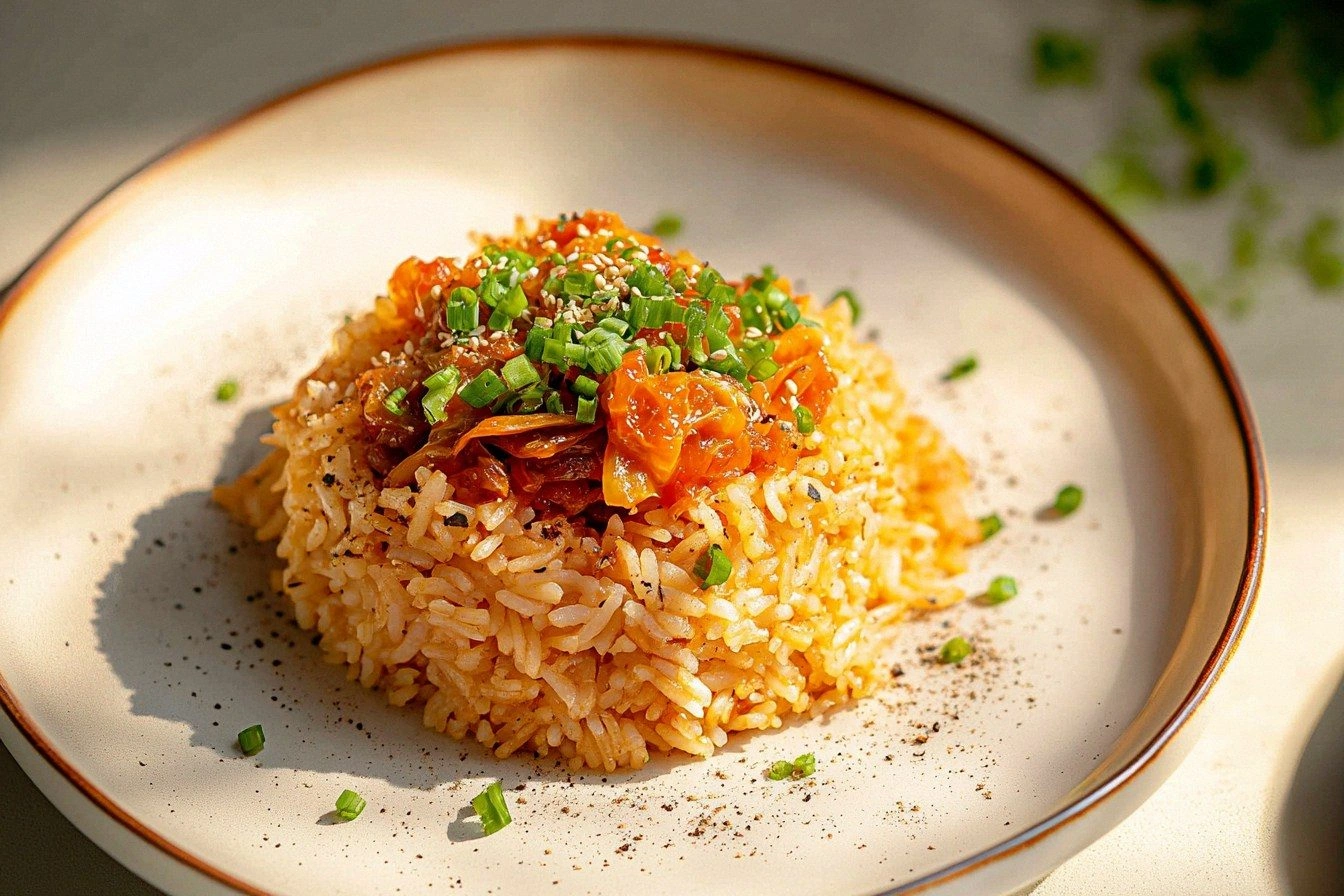
- Finish by sprinkling sliced green onions over the top and giving everything one final gentle stir. The green onions add a fresh, bright contrast to the rich, savory base. Plate the fried rice immediately to enjoy it at its peak temperature and texture. The dish will be hot, fragrant, and irresistibly delicious. This is the moment to savor the culmination of all your hard work. Enjoy the triumph of a perfectly balanced meal.
That's it — you did it. But hold on, I've got a few more tricks that'll take this to another level. Keep reading for insider tips that will make your fried rice even more spectacular.
Insider Tricks for Flawless Results
The Temperature Rule Nobody Follows
Many cooks lower the heat to avoid burning, but this dish thrives on high heat. The key is to maintain a steady medium‑high temperature so the rice crisps without becoming soggy. Use a wok or a heavy skillet to distribute heat evenly. If your stove runs hot, reduce the heat slightly after the first few minutes. This trick ensures a perfect caramelized crust and a tender interior.
Why Your Nose Knows Best
Your sense of smell is your best ally in judging doneness. When the rice starts to caramelize, a nutty aroma will fill the kitchen. If the scent is too sharp, the rice is overcooked; if it’s faint, it needs more time. Trust your nose to tell you when the rice is just right. This sensory cue will save you from overcooking or undercooking.
The 5‑Minute Rest That Changes Everything
After you finish cooking, let the skillet rest for 5 minutes before serving. This allows the flavors to meld and the rice to finish steaming. The rest period also gives the Spam a chance to reheat evenly. During this time, sprinkle a few extra green onions for a fresh burst of color. This simple step elevates the dish’s overall presentation.
The Secret to Crispy Spam
To achieve the best crispiness, pat the Spam dry with a paper towel before slicing. This removes excess moisture and allows it to brown nicely. If you prefer a spicier version, toss the Spam cubes in a pinch of red pepper flakes before frying. The result is a spicy, crunchy texture that pairs beautifully with the savory rice. Don’t skip this step; the difference is noticeable.
The Final Splash of Water
When reheating leftovers, add a splash of water or broth before microwaving. This prevents the rice from drying out and keeps it fluffy. Cover the container to trap steam, then heat for 1–2 minutes. The water will rehydrate the rice, giving it a fresh, almost freshly cooked texture. This trick is essential for maintaining quality.
Creative Twists and Variations
Spicy Sriracha Kick
Add a tablespoon of Sriracha to the sauce mixture for an extra layer of heat. The sweet and spicy profile will complement the kimchi’s tang. This variation is perfect for those who love a fiery bite. Serve with a side of cool cucumber slices to balance the heat. The result is a vibrant, bold dish that satisfies the palate.
Miso Magic
Stir in a tablespoon of white miso paste with the soy sauce for a richer umami depth. Miso adds a subtle sweetness that pairs well with the saltiness of Spam. The dish will have a slightly thicker, silkier sauce. This twist is ideal for a comforting, umami‑rich meal. The result is a complex, layered flavor profile.
Vegetarian Delight
Replace Spam with tofu or tempeh, marinated in soy sauce and sesame oil. The tofu will absorb the flavors and provide a chewy texture. Add extra vegetables like carrots or peas for color and nutrition. This version is perfect for plant‑based diners. The result is a hearty, satisfying dish that still delivers the kimchi kick.
Seafood Surprise
Swap Spam for diced shrimp or scallops for a seafood twist. The shrimp’s sweet, briny flavor complements the kimchi’s spice. Cook the seafood until just pink to keep it tender. This variation turns the dish into a quick, upscale meal. The result is a fresh, oceanic flavor that pairs well with the rice.
Breakfast Edition
Serve the fried rice with a sunny‑side‑up egg on top for a breakfast‑style dish. The runny yolk adds a rich, buttery flavor that melts into the rice. Pair it with a side of kimchi to keep the meal balanced. This version is a perfect start to any day. The result is a savory, satisfying breakfast that feels indulgent.
Storing and Bringing It Back to Life
Fridge Storage
Store leftover fried rice in an airtight container for up to 3 days in the refrigerator. The rice will stay moist and flavorful if you keep it sealed. Before serving, give it a quick stir to redistribute any sauce that may have settled. The texture should still be crisp and tender. This method preserves the dish’s integrity for later.
Freezer Friendly
For longer storage, freeze the fried rice in a freezer‑safe bag for up to 2 months. Thaw overnight in the refrigerator, then reheat in a skillet with a splash of water. The rice will regain its moisture and flavor. Avoid microwaving directly from frozen; it can become dry. This technique keeps your meal ready to go whenever you need it.
Best Reheating Method
Reheat the rice in a skillet over medium heat, adding a tablespoon of water or broth to steam it. Stir frequently to ensure even heating and to prevent sticking. The rice should be steaming hot and the flavors well blended. Serve immediately for the best texture. This method restores the dish’s original taste and mouthfeel.