INTRODUCTION
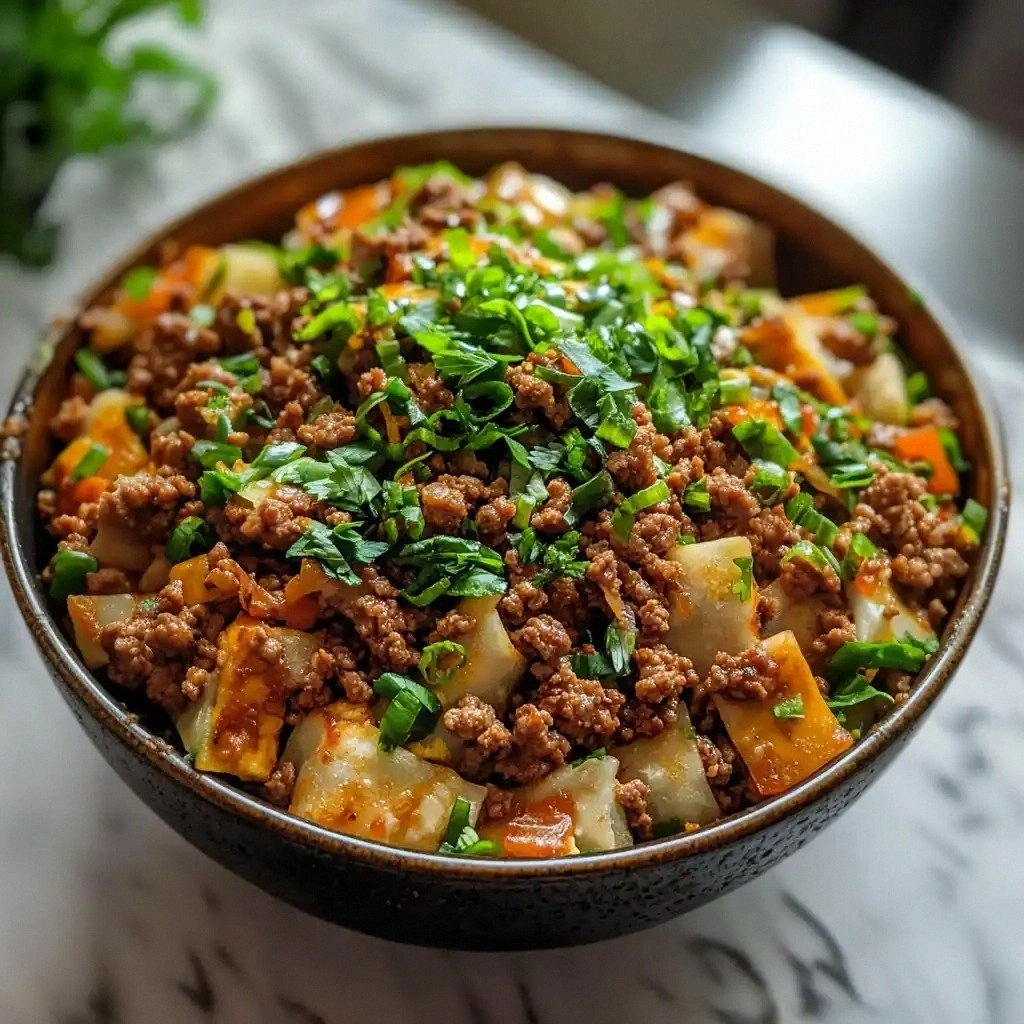
Picture this: I was standing in a cramped kitchen, a bag of pre‑cooked chicken and a jar of soy sauce at the ready, when a friend challenged me to “turn a handful of leftovers into a masterpiece.” I stared at the empty fridge, feeling the familiar pang of culinary boredom. Then the idea sparked—why not combine the crunch of cabbage, the sweetness of carrots, and the umami of ground pork into a single bowl that feels like an egg roll but with zero wrappers? I dared myself to create a dish that would make the rest of us question the very existence of traditional egg rolls.
As I began chopping, the scent of fresh ginger cut through the air like a crisp, citrusy whisper. The green cabbage swirled in my hands, its bright veins glinting under the kitchen light. I could hear the faint hiss of the pan heating, a prelude to the sizzling symphony that would soon follow. The anticipation built until the moment the first bite landed on my tongue—crisp, savory, and utterly addictive. That first bite was the proof that I had cracked the code: a low‑carb, low‑wrapper alternative that delivers all the flavor and texture of a classic egg roll.
I’ll be honest—I ate half the batch before anyone else got to try it. The rest of my friends were left staring, mouths watering, as I whispered the secret: “I dare you to taste this and not go back for seconds.” The dish was so satisfying that I almost forgot to ask for seconds. That’s the power of a well‑balanced, low‑carb bowl that feels like a full‑on feast.
Most recipes get this completely wrong by over‑cooking the veggies or under‑seasoning the meat. The key is to keep the vegetables bright and the pork juicy while layering layers of flavor with ginger, garlic, and a splash of soy sauce. I’ve tweaked the original concept until it feels like the best version you'll ever make at home, and I’m about to walk you through every single step. By the end, you’ll wonder how you ever made it any other way.
What Makes This Version Stand Out
- Taste: The combination of soy sauce, sesame oil, and a hint of red pepper flakes creates a savory depth that’s reminiscent of a classic egg roll, but with a modern, low‑carb twist. The sauce coats each ingredient like velvet, leaving a lingering umami finish that keeps you reaching for more. It’s the kind of flavor that turns a humble bowl into a headline dish.
- Texture: Freshly shredded cabbage and carrots provide a satisfying crunch that mimics the crispness of a fried wrapper. The ground pork is browned to a caramelized perfection, delivering a juicy bite that contrasts with the vegetables. Every spoonful offers a harmonious blend of textures that feels both comforting and exciting.
- Low‑Carb Focus: By eliminating the wrapper, we cut out the bulk of carbs without sacrificing volume or flavor. The dish stays hearty enough to serve as a main course while still fitting into a low‑carb lifestyle. It’s proof that you can indulge without compromising your dietary goals.
- Speed & Simplicity: With a prep time of just 15 minutes and a cook time of 30 minutes, this bowl is a lifesaver for busy weeknights. You can have a satisfying, restaurant‑quality meal on the table in under an hour. No elaborate prep, no fancy equipment—just a skillet and a handful of pantry staples.
- Crowd‑Pleaser: Whether you’re feeding a family or hosting a potluck, this bowl’s vibrant colors and bold flavors win over even the most skeptical eaters. It’s a conversation starter and a crowd‑pleaser, perfect for showcasing your cooking prowess.
- Ingredient Quality: Using fresh, high‑quality ground pork (or your preferred protein) ensures that each bite is packed with flavor. The vegetables should be crisp and bright, not wilted, to maintain that satisfying crunch.
- Versatility: The recipe is easily adaptable—swap the pork for beef, chicken, or turkey, or add a splash of hot sauce for an extra kick. It’s a blank canvas that invites experimentation while staying true to its core.
- Make‑Ahead Potential: Once cooked, the bowl can be refrigerated and reheated without losing its integrity. The flavors meld beautifully over time, making it a practical option for meal prep enthusiasts.
Inside the Ingredient List
The Flavor Base
Ground pork, whether it’s the lean cut or a fattier blend, is the heart of this dish. It absorbs the soy sauce and sesame oil, becoming a savory, umami‑rich core that ties all the components together. Skipping the pork would leave the bowl feeling like a salad; the protein is what gives it substance. If you prefer a leaner option, choose ground turkey or chicken—just be mindful that it may dry out faster, so keep an eye on the moisture level.
The Texture Crew
Fresh green cabbage and carrots bring that coveted crunch that mimics a fried wrapper. The cabbage’s fibrous strands stay crisp when sautéed just long enough to soften slightly, preserving a satisfying bite. Carrots add a subtle sweetness and a pop of color that makes the dish visually appealing. If you’re short on time, pre‑shredded cabbage and julienned carrots work just fine; the key is to avoid over‑cooking them.
The Unexpected Star
Green onions, garlic, and ginger are the aromatic trio that transforms a simple bowl into a flavor powerhouse. The garlic offers a sharp, sweet bite, while the ginger cuts through the richness of the pork with a bright, peppery note. Green onions add a fresh, slightly sharp finish that lifts the entire dish. Don’t skip any of these; each one plays a pivotal role in balancing the flavors.
The Final Flourish
Red pepper flakes, sesame seeds, and a splash of sesame oil finish the bowl with a burst of heat, nuttiness, and visual appeal. The pepper flakes provide a gentle heat that doesn’t overpower, while the sesame seeds add a crunchy texture and a toasty aroma. A drizzle of sesame oil at the end brightens the dish and ties all the flavors together. If you’re a heat‑connoisseur, feel free to increase the pepper flakes to taste.
Everything's prepped? Good. Let's get into the real action...
The Method — Step by Step
- Heat a large skillet or wok over medium‑high heat until it shimmers. Add one tablespoon of sesame oil, allowing it to coat the bottom of the pan. As the oil warms, the pan should emit a faint, nutty aroma that signals readiness. This step is crucial; a hot pan ensures the pork browns quickly and develops a caramelized crust.
- Add the ground pork to the skillet in a single, even layer. Avoid piling it on top of itself; this keeps the meat from steaming. Stir occasionally, breaking it into small crumbles, until it turns a deep brown and releases a savory scent. When the pork is nearly cooked, season with salt, pepper, and a pinch of red pepper flakes.
- Push the pork to one side of the pan and add the minced garlic, grated ginger, and chopped green onions. Let them sauté for about 30 seconds, ensuring they don't burn. The garlic should turn golden, releasing its sweet fragrance, while the ginger gives a bright, peppery kick that cuts through the richness of the pork.
- Introduce the shredded cabbage and julienned carrots, stirring them into the pork mixture. The vegetables should quickly wilt, turning bright and slightly translucent. This step should take no longer than 4 minutes; over‑cooking will turn the vegetables mushy and lose that satisfying crunch.
- Pour in three tablespoons of soy sauce, stirring to coat all the ingredients evenly. The sauce should coat the pork and vegetables, creating a glossy, savory coating. Keep the heat medium to ensure the soy sauce doesn’t burn; a gentle simmer is ideal.
- Reduce the heat to medium‑low and let the mixture cook for an additional 5 minutes. This allows the flavors to meld and the vegetables to soften just enough. The aroma at this point will be a warm, comforting blend of soy, garlic, and ginger.
- Add a splash of water if the mixture looks too dry; a few tablespoons will keep the pork from drying out. Let the bowl finish cooking for another minute, allowing the moisture to redistribute.
- Remove the skillet from heat and drizzle a tablespoon of sesame oil over the top. Toss gently to combine, letting the oil’s nutty aroma envelop the dish. This final touch elevates the flavor profile and adds a silky finish.
- Finish by sprinkling red pepper flakes, toasted sesame seeds, and a generous handful of chopped green onions. These toppings provide a burst of heat, nuttiness, and a pop of color that transforms the bowl into a feast for the senses.
That's it — you did it. But hold on, I've got a few more tricks that'll take this to another level...
Insider Tricks for Flawless Results
The Temperature Rule Nobody Follows
Many cooks assume a high heat is always best, but for this dish, maintaining a medium‑high heat for the pork and then dialing down for the vegetables is key. The pork needs a quick sear to lock in juices, while the veggies benefit from a gentler heat to preserve crunch. If you let the pan get too hot during the vegetable stage, you’ll end up with a soggy bowl that feels more like soup than a crisp roll.
Why Your Nose Knows Best
Trust your nose to gauge doneness. When the pork is nearly finished, the aroma should shift from raw meat to a deep, caramelized scent. The vegetables should emit a faint, sweet fragrance as they soften. If the dish still smells like raw garlic or raw pork, give it a few more minutes.
The 5‑Minute Rest That Changes Everything
Once the skillet is off the heat, let the bowl rest for exactly five minutes before serving. This short pause allows the flavors to settle and the remaining heat to finish cooking the veggies. It also gives the pork a chance to re‑absorb juices, resulting in a moister bite.
Use Fresh Ginger for a Punch
Fresh ginger offers a bright, peppery flavor that dried ginger simply can’t match. If fresh isn’t available, use fresh ginger paste, but be mindful that the flavor may be slightly different. The key is to keep the ginger fresh and vibrant to maintain the dish’s lively character.
Keep the Veggies Fresh
Start with crisp, bright vegetables. If the cabbage is wilted or the carrots are limp, the final bowl will lack that satisfying crunch. Store your veggies in a dry, cool place or a crisper drawer to keep them crisp until you’re ready to cook.
Use a Non‑Stick Pan for Easy Cleanup
A non‑stick skillet ensures the pork and veggies don’t stick to the surface, making cleanup a breeze. If you prefer a cast‑iron skillet, preheat it slowly to avoid scorching the ingredients. Either way, a good pan is a secret ingredient to success.
Creative Twists and Variations
Spicy Korean BBQ Bowl
Swap the soy sauce for Korean gochujang and add a splash of sesame oil. Sprinkle Korean chili flakes for an extra kick. This variation delivers a smoky, spicy depth that pairs wonderfully with the crisp vegetables.
Thai Peanut Crunch
Replace soy sauce with a low‑carb peanut sauce made from almond butter, lime juice, and a touch of fish sauce. Toss in a handful of chopped cilantro and a squeeze of lime for a bright finish. The creamy peanut flavor balances the savory pork beautifully.
Veg‑Heavy Buddha Bowl
Use tofu or tempeh instead of pork for a plant‑based version. Add sliced bell peppers and a handful of spinach for extra color and nutrition. Drizzle with a low‑sugar teriyaki sauce for a sweet‑savory finish.
Mexican Fusion
Introduce cumin, smoked paprika, and a dash of lime juice. Top with chopped avocado and a sprinkle of cotija cheese (or a low‑fat alternative). This gives the bowl a bold, Mexican flair that’s both familiar and fresh.
Italian Herb Blend
Infuse the pork with dried oregano, basil, and a pinch of crushed red pepper. Finish with a drizzle of balsamic reduction and a handful of grated Parmesan. The result is a comforting, low‑carb Italian‑style bowl.
Breakfast‑Style Skillet
Replace the ground pork with breakfast sausage or bacon bits. Add sautéed mushrooms and a sprinkle of shredded cheddar. Serve over a bed of sautéed kale for a hearty, protein‑packed morning meal.
Storing and Bringing It Back to Life
Fridge Storage
Cool the bowl completely before transferring to an airtight container. Store in the refrigerator for up to three days. The flavors deepen, making it a convenient option for leftovers.
Freezer Friendly
Place the cooled bowl in a freezer‑safe container or zip‑lock bag. Freeze for up to two weeks. When ready to eat, thaw overnight in the refrigerator.
Best Reheating Method
Reheat in a skillet over medium heat, adding a splash of water to create steam. Stir until the bowl is heated through, about 5 minutes. The added water prevents the pork from drying out and restores the vegetables’ crunch.