Introduction
Picture this: I’m halfway through a Sunday brunch, flipping pancakes that look like they’ve been baked on a meteorite, when a friend drops a dare in the kitchen—“I bet you can’t make pancakes that taste like a cloud of protein powder and oats.” I laughed, but the kitchen disaster that followed was a real eye‑opener: the batter had turned into a lumpy, dry sludge that clung to the pan like a stubborn coat of wax. That moment sparked a mission: to craft a pancake that is not only fluffy and sweet but also packs a serious protein punch.
The air in my kitchen was thick with the aroma of toasted oats, vanilla, and cinnamon, a scent that made my stomach rumble with anticipation. When the first golden circle hit the skillet, the sizzle was a satisfying crackle that promised something extraordinary. I could taste the subtle sweetness of vanilla against the gentle bite of cinnamon, and the texture felt like a cloud that would never collapse. The sound of the batter bubbling was music, and the sight of the pancakes rising to a perfect height felt like a small victory over culinary mediocrity.
This isn’t just another protein pancake recipe; it’s a revelation that turns the humble breakfast into a performance art piece. The secret lies in the harmony of oats, protein powder, and Greek yogurt, a trio that works together to create a batter that holds its shape, stays moist, and delivers a protein hit that feels indulgent, not chalky. Most protein pancake recipes end up too dense or too dry, but this version balances everything like a well‑tuned orchestra, and it does so with minimal fuss.
What makes this version stand out is a trick that most cooks overlook: blending the oats into a fine flour before mixing with the protein powder. That tiny step unlocks a silky batter that spreads evenly, preventing those dreaded pockets of dry protein. And the icing on the cake—using Greek yogurt instead of milk—adds a subtle tang and a boost of protein that keeps the pancakes fluffy without any artificial thickeners. Let me walk you through every single step—by the end, you’ll wonder how you ever made pancakes any other way.
What Makes This Version Stand Out
- Texture: The batter is silky, not gritty, thanks to oat flour that dissolves into a smooth base. The protein powder blends seamlessly, avoiding that chalky residue many protein pancakes suffer from. The result is a pancake that feels airy on the inside and lightly crisp on the edges. Each bite delivers a gentle snap, like a feather landing on your tongue.
- Flavor: Vanilla and cinnamon mingle in a dance that lifts the sweetness without overpowering. The Greek yogurt adds a subtle tartness that balances the vanilla, creating a complex flavor profile. The subtle nutty undertone from the oats gives depth, making each bite more satisfying. The finish is lingering, leaving a warm, comforting aftertaste.
- Protein Power: One scoop of vanilla protein powder gives you a solid 25 grams of protein per serving. That’s enough to keep you full through a busy morning or a post‑workout recovery. The protein is well‑distributed throughout the batter, ensuring every bite is equally nutritious. It’s a breakfast that truly supports muscle repair and growth.
- Convenience: The recipe takes only 15 minutes to prep and 30 minutes to cook, making it a breeze even on a hectic weekday. No separate mixing bowls, no extra equipment—just a blender or a food processor and a skillet. The cleanup is minimal, and you can even make the batter ahead of time for a quick grab‑and‑go option. It’s the kind of recipe that saves you time without sacrificing quality.
- Versatility: The batter can be flavored with fresh fruit, cocoa powder, or a splash of espresso for a mocha twist. It’s also suitable for vegan adaptations—swap the egg for a flaxseed binder and use plant‑based yogurt. The pancakes hold up well when topped with berries, nut butter, or a drizzle of honey. The recipe invites experimentation while staying grounded in its core.
- Make‑ahead Potential: You can prepare the batter in advance, refrigerate it for up to 24 hours, and cook fresh pancakes whenever you need them. The oats keep the batter from drying out, and the protein powder stays intact. When you’re ready to cook, just heat a pan and pour—no re‑mixing required. This feature makes it ideal for meal prepping or busy families.
- Ingredient Quality: Using high‑quality vanilla protein powder and Greek yogurt ensures a clean flavor profile. The oats are rolled, not instant, which gives the pancakes a pleasant chew. The cinnamon is fresh, not powdered, adding a natural sweetness. The use of coconut oil or cooking spray keeps the pancakes from sticking without excess fat.
- Crowd‑Pleaser: Whether you’re serving a family breakfast or a brunch for friends, these pancakes wow everyone. They’re thick enough to be filling, yet light enough to be enjoyed by kids and adults alike. The visual appeal—golden brown, slightly domed—makes them Instagram‑ready. You’ll hear the classic “wow” reaction at the table.
Alright, let’s break down exactly what goes into this masterpiece…
Inside the Ingredient List
The Flavor Base
Vanilla protein powder is the star of the show, delivering a sweet, creamy undertone that pairs beautifully with the oats. The vanilla flavor masks any metallic taste that protein powders sometimes bring, making the pancakes taste like a dessert rather than a health snack. If you’re on a keto diet, look for a low‑carb vanilla protein to keep the carb count in check. The protein powder also acts as a binder, helping the batter hold together without the need for flour.
Greek yogurt is the secret to a moist interior and a tender crumb. Its high protein content boosts the nutrition profile, while the natural acidity tenderizes the batter and prevents it from becoming too dense. If you prefer a tangier flavor, swap the plain Greek yogurt for a vanilla‑infused version—just be sure to keep the protein powder vanilla to maintain balance. Yogurt also adds a subtle tang that complements the cinnamon and vanilla, creating a layered flavor experience.
Vanilla extract ties the flavors together, giving the pancakes a warm, aromatic finish. A splash of vanilla can turn a bland batter into a fragrant, comforting breakfast. If you’re sensitive to strong vanilla, reduce the amount to half; the oats will still carry the flavor. For an extra depth, a pinch of sea salt can enhance the sweetness without making the pancakes salty.
Milk is the liquid that brings everything together into a pourable batter. Using whole milk gives a richer taste, but skim or plant‑based milk keeps the calorie count lower. The milk also helps dissolve the protein powder more efficiently, ensuring a smooth consistency. If you’re lactose intolerant, opt for a lactose‑free milk or a fortified almond milk to keep the texture intact.
Coconut oil or cooking spray is used to lightly grease the skillet, preventing sticking and giving the pancakes a golden crust. Coconut oil adds a subtle coconut flavor that complements the vanilla and cinnamon. If you prefer a neutral taste, a light spray is sufficient and keeps the fat content low. The key is to use just enough to coat the pan—too much oil will make the pancakes greasy.
The Texture Crew
Rolled oats are the foundation of the batter’s structure. They provide a chewy, fibrous texture that keeps the pancakes from becoming too fluffy and falling apart. Oats also absorb liquid, ensuring the batter stays moist and doesn’t dry out during cooking. For a finer texture, pulse the oats in a blender until they reach a flour consistency.
Eggs act as a natural binder, giving the pancakes structure and a slight richness. They also help the pancakes rise slightly, creating that desirable lightness. If you’re vegan, replace the egg with a flaxseed egg or a commercial egg replacer to achieve a similar effect. The yolk contributes to the golden color and adds a subtle buttery flavor.
Salt is a subtle but essential enhancer. Even a pinch brightens the sweetness and balances the flavors. Salt also helps to break down proteins, improving the texture of the batter. Be careful not to overdo it; too much salt will overpower the delicate vanilla and cinnamon notes.
Baking powder is the leavening agent that gives the pancakes a slight lift. It reacts with the acidic Greek yogurt to create carbon dioxide bubbles, making the batter airy. If you’re sensitive to sodium, use a low‑sodium baking powder or reduce the amount slightly. The key is to keep the ratio balanced; too little baking powder and the pancakes will be flat.
Cinnamon is the spice that brings warmth and depth. Its sweet, woody flavor complements the vanilla, creating a comforting aroma. Cinnamon also has natural anti‑inflammatory properties, making these pancakes a smart choice for a health‑conscious breakfast. A pinch of nutmeg or a dash of cardamom can add an unexpected twist.
The Unexpected Star
Greek yogurt is not just a binder; it’s a flavor transformer. Its tanginess cuts through the sweetness of vanilla, preventing the pancakes from becoming cloying. The protein content from the yogurt boosts the overall protein of each serving, making the pancakes a balanced meal. Yogurt also contributes to a soft crumb that melts in your mouth.
When you think of protein pancakes, you might picture a chalky texture. This recipe defies that expectation by using Greek yogurt to smooth out the protein powder’s grit. The result is a batter that feels silky and a finished pancake that feels airy. This unexpected star is the secret to making protein pancakes that taste like a treat, not a diet food.
Using Greek yogurt also adds a slight tang that pairs beautifully with the cinnamon. This combination creates a flavor profile reminiscent of a warm, spiced latte, but in pancake form. The yogurt’s natural acidity also helps the batter rise, giving the pancakes that fluffy interior. It’s a win‑win for taste and texture.
The Final Flourish
Coconut oil or cooking spray is the finishing touch that ensures a crisp, golden crust. Coconut oil adds a subtle coconut aroma that enhances the vanilla and cinnamon. The oil also helps the batter release from the pan, preventing sticking and uneven browning. A light spray is enough for a low‑fat version.
The final flourish is the way you cook the pancakes. A medium‑high heat allows the batter to set quickly, creating a golden crust while keeping the inside moist. Turning the pancakes at the right time—when bubbles form on the surface—ensures even cooking. This small timing detail is crucial for a perfect pancake.
Once the pancakes are cooked, let them rest on a wire rack for a minute before serving. This allows excess steam to escape, keeping the pancakes from becoming soggy. The brief rest also lets the flavors meld, creating a richer taste. It’s a simple step that makes a big difference.
Everything’s prepped? Good. Let’s get into the real action…
The Method — Step by Step
- Step 1: Blend the Oats – Place the rolled oats in a blender or food processor and pulse until they reach a fine flour consistency. This step is essential for achieving a smooth batter that doesn’t have a gritty texture. The fine oat flour will absorb the liquid more efficiently, preventing the pancakes from drying out. The result is a silky base that feels luxurious on the tongue. The aroma of toasted oats will start to rise, signaling that you’re on the right track.
- Step 2: Whisk the Wet Ingredients – In a medium bowl, whisk together the Greek yogurt, milk, vanilla extract, and egg until the mixture is uniform. The egg provides structure, while the yogurt adds protein and moisture. Whisking ensures there are no lumps and that the batter will spread evenly. This mixture should look slightly thick but still pourable. Keep the bowl covered to prevent the yogurt from curdling.
- Step 3: Combine Dry Ingredients – In a separate bowl, whisk the oat flour, protein powder, baking powder, cinnamon, and a pinch of salt. Mixing these dry components first ensures an even distribution of leavening agents and spices. The protein powder should be fully incorporated to avoid clumps. The cinnamon will infuse the batter with a warm aroma. This step also helps the baking powder activate properly when the wet mix is added.
- Step 4: Merge Wet and Dry – Pour the wet mixture into the dry ingredients and stir gently with a spatula. Use a gentle folding motion to preserve the air bubbles introduced by the egg and baking powder. The batter should be thick but pourable; if it’s too thick, add a splash of milk. Avoid over‑mixing, as that can break down the proteins and make the pancakes tough. The batter should look like a smooth, thick custard.
- Step 5: Let It Rest – Cover the bowl with plastic wrap and let the batter rest for 5 minutes. Resting allows the oat flour to fully absorb the liquid, resulting in a denser, more cohesive texture. It also gives the baking powder time to activate, ensuring a better rise. During this time, you can prep the skillet. The batter will thicken slightly, which is normal.
- Step 6: Preheat the Skillet – Place a non‑stick skillet over medium heat and add a small amount of coconut oil or a light spray of cooking spray. The oil should coat the surface without pooling. Heat the skillet until it’s hot but not smoking, about 3–4 minutes. A drop of water should sizzle and evaporate instantly. This indicates the pan is ready for the batter.
- Step 7: Pour the Batter – Using a 1/4‑cup measure, pour the batter onto the skillet, forming a circle about 6 inches in diameter. The batter should spread slightly but not run. If the edges start to bubble, let the pancake cook for another minute. The golden crust should begin to form on the bottom. Flip the pancake when the surface shows small bubbles and the edges look set.
- Step 8: Flip and Cook – Flip the pancake gently with a spatula and cook for 1–2 minutes on the other side. The second side should be golden brown and slightly crisp. The interior should be warm and moist. If you prefer a thicker pancake, add an extra splash of milk to the batter before cooking. This step ensures a balanced texture throughout.
- Step 9: Keep Warm – Once cooked, transfer the pancakes to a plate and cover loosely with foil to keep them warm. If you’re making a large batch, keep the skillet warm and continue cooking. The pancakes will stay fluffy and moist as long as they’re not left to cool on a cold surface. This keeps the texture consistent for all servings.
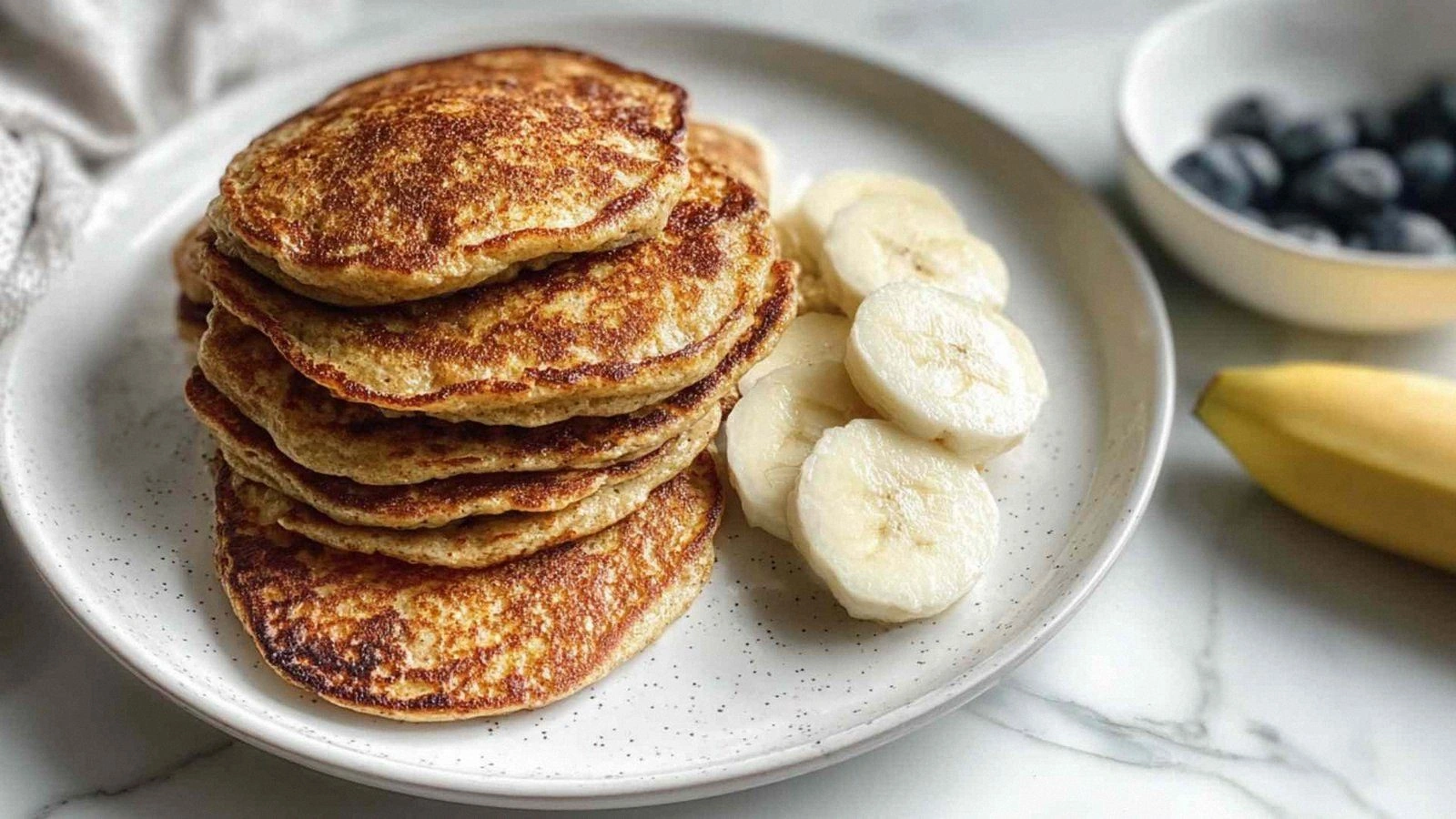
- Step 10: Serve and Enjoy – Serve the pancakes with your favorite toppings: fresh berries, sliced bananas, a drizzle of maple syrup, or a dollop of Greek yogurt. The combination of sweet, tangy, and protein‑rich flavors creates a breakfast that feels indulgent yet healthy. The final presentation should be golden, slightly domed, and ready to devour. Remember: the first bite is the most important—let the flavors unfold.
That's it — you did it. But hold on, I've got a few more tricks that'll take this to another level…
Insider Tricks for Flawless Results
The Temperature Rule Nobody Follows
Many cooks assume that high heat is always best for pancakes, but this recipe thrives on medium heat. The medium setting allows the batter to set slowly, preventing the outside from burning while the inside remains raw. If you’re using a gas stove, let the flame settle before adding the batter. For electric pans, preheat for a full minute before cooking. This small adjustment ensures a golden crust without compromising the interior.
Why Your Nose Knows Best
When the first pancake starts to form, the scent of toasted oats will rise. Trust that aroma as a cue to flip. If you’re unsure, look for bubbles that have popped and a slight lift on the surface. The batter should feel firm enough to lift with a spatula. This sensory check eliminates guesswork and guarantees even cooking.
The 5‑Minute Rest That Changes Everything
After you finish cooking the pancakes, let them rest for five minutes on a wire rack. This brief pause allows the steam to redistribute, keeping the pancakes fluffy. It also lets the flavors meld, creating a richer taste. If you skip this step, the pancakes can become soggy and lose their structure. The rest period is a simple but critical part of the process.
Keep the Skillet Warm
When making a batch, keep the skillet on low heat after each pancake. This prevents the pan from cooling down, which would cause the next batter to cook unevenly. A warm surface ensures each pancake finishes with the same golden crust. If you’re cooking many at once, use a second skillet to keep the flow steady.
Use a Silicone Baking Mat
After cooking, place the pancakes on a silicone mat to prevent them from sticking together. The mat also keeps them from drying out. If you prefer a rustic look, you can skip the mat, but the pancakes will still stay fluffy. This small tool saves time and preserves the texture.
Adjusting for Altitude
At higher elevations, the air pressure is lower, which can cause pancakes to rise too quickly and then collapse. To counter this, reduce the baking powder slightly and add a splash of milk to maintain moisture. Keep the heat moderate, and flip early to prevent the batter from over‑browning. Altitude adjustments ensure consistent results no matter where you are.
Creative Twists and Variations
This recipe is a playground. Here are some of my favorite ways to switch things up:
Berry Blast
Fold fresh blueberries or sliced strawberries into the batter before cooking. The fruit bursts with juice, adding natural sweetness and a pop of color. The berries also provide antioxidants, turning the pancakes into a superfood treat. Serve with a dollop of whipped cream for an extra indulgence.
Chocolate Mocha
Swap the vanilla protein powder for a chocolate one and add a teaspoon of espresso powder. The mocha flavor gives the pancakes a coffeehouse vibe, perfect for a mid‑morning pick‑up. The chocolate protein also adds a richer taste without extra sugar. Top with dark chocolate shavings for a decadent finish.
Nutty Crunch
Add chopped walnuts or almonds into the batter. The nuts bring a satisfying crunch and a dose of healthy fats. They also enhance the nutty undertones of the oats. Sprinkle a pinch of sea salt on top to balance the sweetness.
Spiced Pumpkin
Incorporate pumpkin puree and a dash of pumpkin pie spice into the batter. This variation is ideal for fall, offering a comforting, seasonal flavor. The pumpkin adds moisture, keeping the pancakes tender. Serve with a swirl of maple syrup for a classic holiday touch.
Vegan Delight
Replace the egg with a flaxseed egg (1 tbsp ground flaxseed + 3 tbsp water). Use a plant‑based protein powder and oat milk instead of dairy. The result is a fully vegan pancake that still delivers on protein and texture. Top with fresh fruit and a drizzle of agave syrup for a sweet finish.
Minty Fresh
Stir in a handful of fresh mint leaves into the batter for a refreshing twist. The mint pairs well with the vanilla and cinnamon, creating a subtle, aromatic flavor. Serve with a scoop of vanilla Greek yogurt for a cool contrast. This version is especially refreshing on hot mornings.
Storing and Bringing It Back to Life
Fridge Storage
Store the cooked pancakes in an airtight container in the refrigerator for up to three days. The airtight seal prevents them from drying out and keeps the moisture locked in. When ready to serve, reheat on a skillet over low heat for 2 minutes, turning once. The pancakes will regain their warmth and fluffiness. Avoid microwaving, as it can make them soggy.
Freezer Friendly
For longer storage, place the pancakes in a freezer bag, separating each layer with parchment paper. Freeze for up to two months. When you’re ready, thaw overnight in the refrigerator or pop them straight into a preheated oven at 350°F for 10 minutes. The parchment prevents sticking, and the oven restores a crisp edge. This method keeps the pancakes fresh and ready to eat.
Best Reheating Method
The ideal way to reheat is a skillet on low heat with a splash of water. Add a teaspoon of water, cover the skillet, and let the steam rehydrate the pancakes for 2–3 minutes. This trick revives the moisture, making them as good as fresh. If you’re in a hurry, a quick microwave burst of 20–30 seconds works, but be careful not to over‑cook. The water method is the gold standard for texture.