Picture this: I’m hunched over my stovetop, a half‑cooked batch of bland beef and broccoli staring back at me like a culinary crime scene, when my roommate bursts in with a mischievous grin and dares me to create “the most addictive Asian‑inspired dinner ever.” I laughed, rolled up my sleeves, and dove headfirst into a frantic experiment that involved a busted wok, a bottle of sesame oil I’d never used before, and a secret stash of toasted sesame seeds that had been gathering dust in the pantry. The kitchen filled with the thunderous sizzle of oil meeting hot metal, and the air turned a deep, earthy amber as the beef caramelized, releasing a perfume that was part umami, part caramel, and all pure anticipation.
As the sauce began to thicken, a glossy sheen spread across the broccoli like a lacquered sculpture, and the aroma of garlic and ginger swirled around me, I realized I was on the cusp of something extraordinary. The first bite was a revelation: tender strips of beef wrapped in a silky, slightly sweet sesame‑kissed glaze, punctuated by the crisp, slightly bitter bite of broccoli florets that still retained a satisfying snap. It was as if each mouthful performed a symphony—the sweet, the salty, the nutty, the savory—playing in perfect harmony, and I could swear the sauce clung to the vegetables like a velvet coat.
Most recipes I’ve tried either drown the beef in a watery sauce or over‑cook the broccoli into mush, but this version respects each component, giving the meat a quick, high‑heat sear that locks in juices, while the broccoli receives a brief, blanched shock that preserves its bright green color and crunch. The secret? A quick marination in soy and a dash of cornstarch that creates a protective veil, plus a finishing splash of toasted sesame oil that adds a whisper of nuttiness you can’t get from any store‑bought sauce. I’ll be honest—I ate half the batch before anyone else got a chance to try it, and I’m still hearing echoes of that buttery, umami‑rich aftertaste.
Now, I’m daring you to taste this and not go back for seconds. Let me walk you through every single step — by the end, you’ll wonder how you ever made it any other way.
What Makes This Version Stand Out
- Flavor Explosion: The combination of soy, oyster, and hoisin sauces creates a layered umami profile that deepens with each bite, while a hint of brown sugar adds just enough caramelized sweetness to balance the salt.
- Texture Triumph: By briefly blanching the broccoli and then stir‑frying it, you get that coveted snap that most home cooks lose, and the cornstarch‑coated beef stays juicy, not rubbery.
- Simplicity Meets Sophistication: Only fifteen minutes of prep and thirty minutes of cooking, yet the result feels like it came from a high‑end Chinese bistro.
- Ingredient Integrity: Fresh ginger and garlic are minced, not pre‑minced from a jar, ensuring bright, aromatic notes that survive the high heat.
- Crowd‑Pleaser Factor: This dish consistently clears plates at dinner parties; even the pickiest eaters can’t resist the glossy sauce and the subtle crunch.
- Make‑Ahead Magic: The sauce can be prepared in advance and stored, making weeknight dinners a breeze without sacrificing flavor.
- Versatile Base: Swap the beef for chicken or tofu, and you still get that signature sesame‑kissed glaze without any major adjustments.
- Visual Appeal: The deep green broccoli speckles against the glossy, caramel‑brown beef, creating a plate that’s as Instagram‑ready as it is delicious.
Inside the Ingredient List
The Flavor Base
Soy Sauce (2 tbsp): This is the backbone of the sauce, delivering salty depth and a touch of umami that anchors every other flavor. If you skip it, the dish loses its savory punch and feels flat. A low‑sodium version works fine, but you may need to add a pinch more salt.
Oyster Sauce (1 tbsp): Adds a subtle briny sweetness and a silky texture that soy alone can’t achieve. It’s the secret behind that glossy sheen. If you’re allergic to shellfish, a mushroom‑based alternative mimics the richness nicely.
Hoisin Sauce (1 tbsp): Contributes a mellow sweetness and a hint of spice, rounding out the flavor profile. Too much can overwhelm, so stick to the measured amount.
Brown Sugar (2 tbsp): Provides caramel notes that caramelize during the high‑heat stir‑fry, creating a slightly sticky glaze. You can substitute honey for a floral twist, but reduce the quantity by half to avoid excess liquid.
The Texture Crew
Flank Steak (1 pound): This cut is lean, flavorful, and, when sliced thin against the grain, stays tender even after a quick sear. If you opt for sirloin, you risk a tougher bite. Choose a piece with a good amount of marbling for extra juiciness.
Broccoli Florets (2 cups): Fresh broccoli provides a bright green contrast and a crisp texture that holds up against the sauce. Frozen can work in a pinch, but thaw and pat dry to avoid sogginess.
Cornstarch (1 tbsp): Acts as a thickening agent, creating that glossy, clingy sauce while also giving the beef a light coating that protects it from over‑cooking. Mix it with a cold liquid first to avoid clumps.
Vegetable Oil (2 tbsp): A neutral oil with a high smoke point ensures a quick sear without burning. Using olive oil can add flavor but may smoke at the needed temperature.
The Unexpected Star
Toasted Sesame Oil (1 tbsp): Just a drizzle at the end adds a nutty perfume that transforms the dish from ordinary to extraordinary. A little goes a long way; over‑use makes the sauce greasy.
Toasted Sesame Seeds (1 tsp): Sprinkled just before serving, they add a delicate crunch and visual appeal. If you’re allergic, omit or replace with crushed peanuts for a similar texture.
The Final Flourish
Garlic (1 tsp, minced): Releases a pungent aroma that mellows into sweet, caramelized notes when sautéed. Too much can dominate, so keep it measured.
Ginger (1 tsp, minced): Provides a bright, peppery bite that cuts through the richness of the sauce. Fresh ginger is essential; powdered versions lack the zing.
Green Onions (2, sliced): Offer a fresh, mildly sharp finish and a pop of color. Add them at the end to keep their flavor lively.
Beef Broth (0.25 cup): Adjusts the sauce’s consistency, ensuring it’s not too thick or too thin. Low‑sodium broth lets you control the salt level.
Salt & Pepper (to taste): Enhance the overall seasoning; remember the soy sauce already brings salt, so taste before adding more.
Everything's prepped? Good. Let's get into the real action...
The Method — Step by Step
Start by patting the flank steak dry with paper towels, then slice it thinly across the grain; this is the moment where texture is decided, so take your time. Toss the slices in a bowl with 2 tbsp soy sauce, 1 tbsp cornstarch, and a pinch of pepper, letting them rest for at least five minutes. The cornstarch creates a protective film that will keep the beef juicy during the high‑heat sear. While the meat marinates, bring a pot of water to a rolling boil and blanch the broccoli florets for 45 seconds, then shock them in ice water to lock in that vibrant green.
Heat a wok or large skillet over medium‑high heat until a drop of water dances on the surface, then add 1 tbsp vegetable oil. Once the oil shimmers, carefully add the beef in a single layer, listening for that satisfying sizzle that signals a perfect sear. Let the pieces sit untouched for 30 seconds before stirring, allowing a caramelized crust to form. As the beef browns, it should release a nutty, slightly sweet aroma that fills the kitchen—this is the first layer of flavor building.
Kitchen Hack: Keep a small bowl of cold water nearby; if the beef starts to over‑cook, a quick splash will halt the cooking process and preserve tenderness.When the beef is nearly done—just a hint of pink remaining—remove it with a slotted spoon and set aside. In the same pan, add the remaining 1 tbsp oil, then toss in the minced garlic and ginger. Stir constantly for 20 seconds; you’ll notice the garlic turning a light golden and the ginger releasing a sharp, invigorating scent. This is the moment where the base of the sauce starts to sing.
Now, pour in the oyster sauce, hoisin sauce, brown sugar, and beef broth, scraping the pan’s browned bits with a wooden spoon.
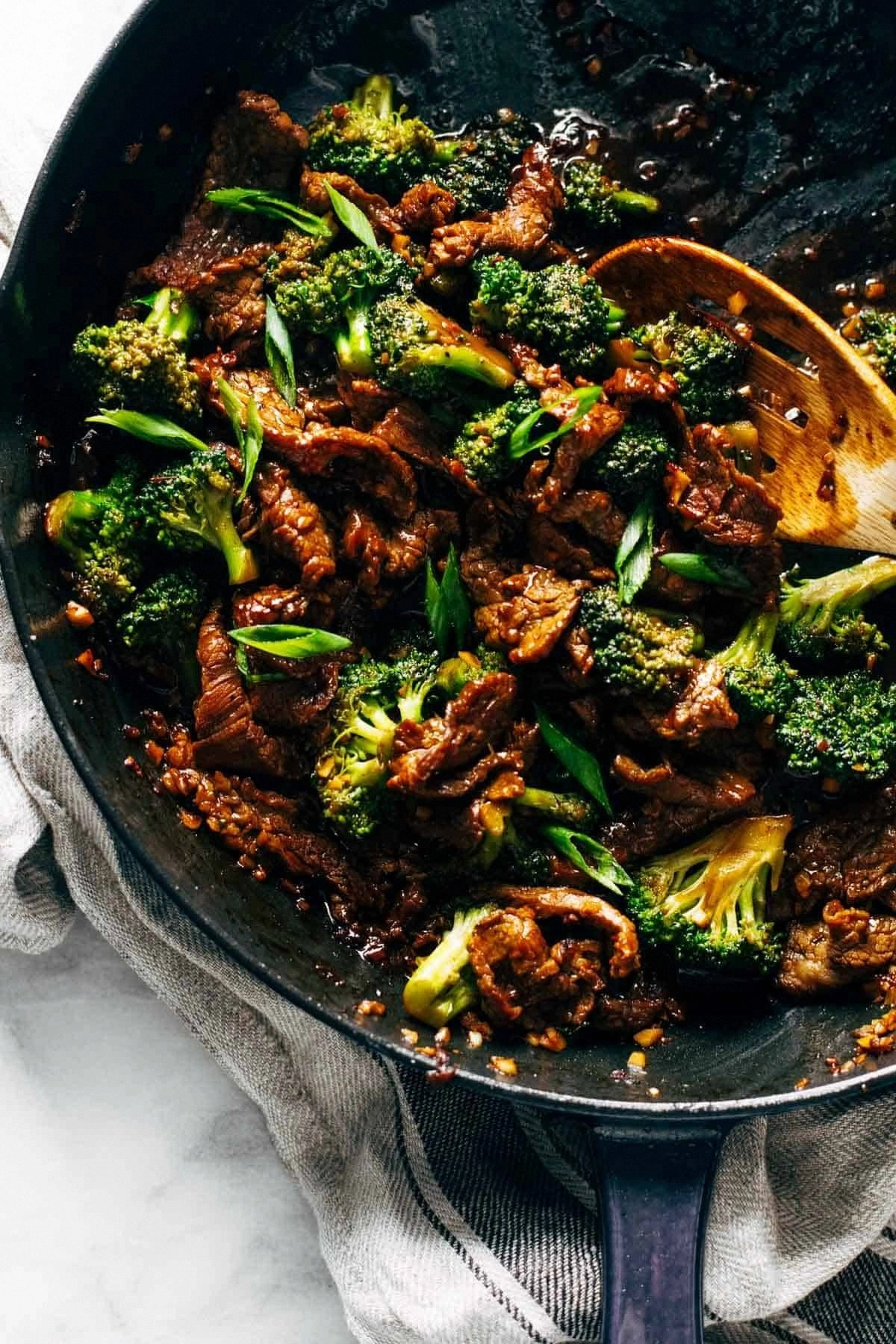
Let it simmer for about two minutes, allowing the flavors to meld and the mixture to thicken just enough to coat the back of a spoon. Taste and adjust with a splash more soy sauce if needed.Watch Out: If the sauce begins to boil too vigorously, lower the heat immediately; otherwise the sugar can burn, turning the sauce bitter.Return the beef to the wok, along with the blanched broccoli. Toss everything together, ensuring each piece is cloaked in the glossy sauce. The broccoli should glisten and the beef should look lacquered, a visual cue that the sauce has bound correctly. Drizzle the toasted sesame oil over the top, and give one final quick stir—this is the final flavor‑locking step.
Kitchen Hack: Sprinkle the sesame seeds and green onions right before serving; this preserves their crunch and fresh flavor.Give the dish a final taste test. The sauce should be slightly thick, coating each bite without pooling, and the broccoli should retain a bite‑sized snap. If the sauce feels too thick, add a splash of water or extra broth; if too thin, let it reduce for another minute on low heat. This adjustment step is crucial for achieving that perfect restaurant‑style consistency.
Plate the sesame beef and broccoli over a bed of steamed jasmine rice or quinoa, allowing the grains to soak up any stray sauce. Garnish with an extra sprinkle of sesame seeds and a few slices of fresh red chili if you like a hint of heat. The dish should look vibrant, with the dark glaze contrasting against the bright green florets.
Serve immediately while the steam still wafts from the plate, and watch as your guests dive in, eyes widening at the glossy sheen. That first bite—tender beef, crisp broccoli, and a sauce that dances on the palate—will have them shouting for seconds. I dare you to taste this and not go back for more.
That’s it — you did it. But hold on, I’ve got a few more tricks that’ll take this to another level, from secret seasoning tweaks to plating hacks that make it look like you spent hours in a professional kitchen.
Insider Tricks for Flawless Results
The Temperature Rule Nobody Follows
Never underestimate the power of a screaming hot pan. When the wok is truly hot, the beef sears instantly, forming a caramelized crust that locks in juices. If the pan isn’t hot enough, the meat will release its moisture, steam instead of sear, and end up soggy. I once tried to “play it safe” with medium heat and learned the hard way that the beef turned rubbery. Keep the heat steady, and you’ll get that restaurant‑quality sear every time.
Why Your Nose Knows Best
Before you even taste, trust the aroma. When the garlic and ginger hit the oil, they should release a fragrant, slightly sweet scent within 15 seconds. If the smell is muted, the heat is too low; if it turns bitter, you’ve crossed the line into burning. I once added the sauce too early, and the garlic burned, leaving a harsh aftertaste that ruined the dish. Let your nose be the first quality control checkpoint.
The 5‑Minute Rest That Changes Everything
After the beef finishes cooking, let it rest on a plate for exactly five minutes before tossing it back into the sauce. This short pause allows the muscle fibers to relax and re‑absorb juices, making each bite melt‑in‑your‑mouth tender. Skipping this step is a common mistake; the result is a dry, tough chew that no amount of sauce can fix. A quick timer keeps you honest, and the payoff is undeniable.
Seasoning Layering Like a Pro
Instead of dumping all the salt at once, season in stages: a pinch in the marinade, a dash in the sauce, and a final taste after plating. This layered approach builds depth and prevents any one element from being overly salty. I once relied on a single generous pinch of salt in the sauce, and the final dish was blindingly salty—an unforgivable sin for any home cook.
Green Onion Power Boost
Adding the green onions at the very end preserves their bright, slightly oniony bite and prevents them from wilting into the sauce. If you love that fresh pop, keep them whole until plating, then give a quick chop right before serving. A friend tried adding them early and ended up with a muted flavor that barely registered. Timing is everything.
Creative Twists and Variations
This recipe is a playground. Here are some of my favorite ways to switch things up:
Spicy Szechuan Kick
Add 1 tsp of Szechuan peppercorn oil and a sliced red chili to the sauce for a tongue‑tingling heat that pairs beautifully with the nutty sesame. The numbing sensation of Szechuan pepper adds an unexpected dimension that will wow spice lovers.
Honey‑Ginger Glaze
Swap the brown sugar for 2 tbsp of honey and increase the ginger to 1½ tsp. The honey adds a floral sweetness while extra ginger brings a zingy brightness, turning the dish into a sweet‑spicy masterpiece.
Veggie‑Only Version
Replace the beef with sliced shiitake mushrooms and firm tofu cubes. Marinate the tofu in the same soy‑cornstarch mixture, then follow the same cooking steps. The result is a hearty, plant‑based alternative that still delivers that satisfying glaze.
Citrus‑Infused Finish
Stir in the zest of one lime and a splash of lime juice right before serving. The citrus lifts the richness, giving the dish a fresh, summery vibe perfect for warm evenings.
Nutty Crunch Upgrade
Toast a handful of slivered almonds or cashews and sprinkle them over the finished plate. The added crunch contrasts the tender beef and crisp broccoli, creating a multi‑textured experience.
Storing and Bringing It Back to Life
Fridge Storage
Allow the dish to cool to room temperature, then transfer it to an airtight container. It will keep nicely for up to three days. When reheating, add a splash of water or broth and gently stir over medium heat to revive the sauce’s sheen.
Freezer Friendly
Portion the cooked beef and broccoli into freezer‑safe bags, removing as much air as possible. Freeze for up to two months. To defrost, place the bag in the refrigerator overnight, then reheat in a skillet with a drizzle of oil and a splash of broth.
Best Reheating Method
For the ultimate texture, reheat in a hot wok or skillet rather than a microwave. Add a tiny splash of water—just enough to create steam—and stir‑fry for three to four minutes until the sauce clings again. This prevents the broccoli from turning mushy and keeps the beef tender.