I was halfway through a midnight snack run, scrolling through Instagram for a quick fix, when the kitchen lights flickered and a faint, caramelized scent drifted through the air. I’d just burnt a batch of noodles, and my stomach was rumbling like a freight train. Suddenly, the pantry door opened, revealing a bag of teriyaki sauce, a bag of rice, and a head of broccoli that looked like it was ready for the spotlight. That moment felt like a culinary epiphany: a sticky, sweet‑savory sauce, crisp vegetables, and tender chicken could turn an ordinary night into a flavor explosion. If you’ve ever stared at a bland dinner and thought, “What if I could make this amazing?” then this recipe is your answer.
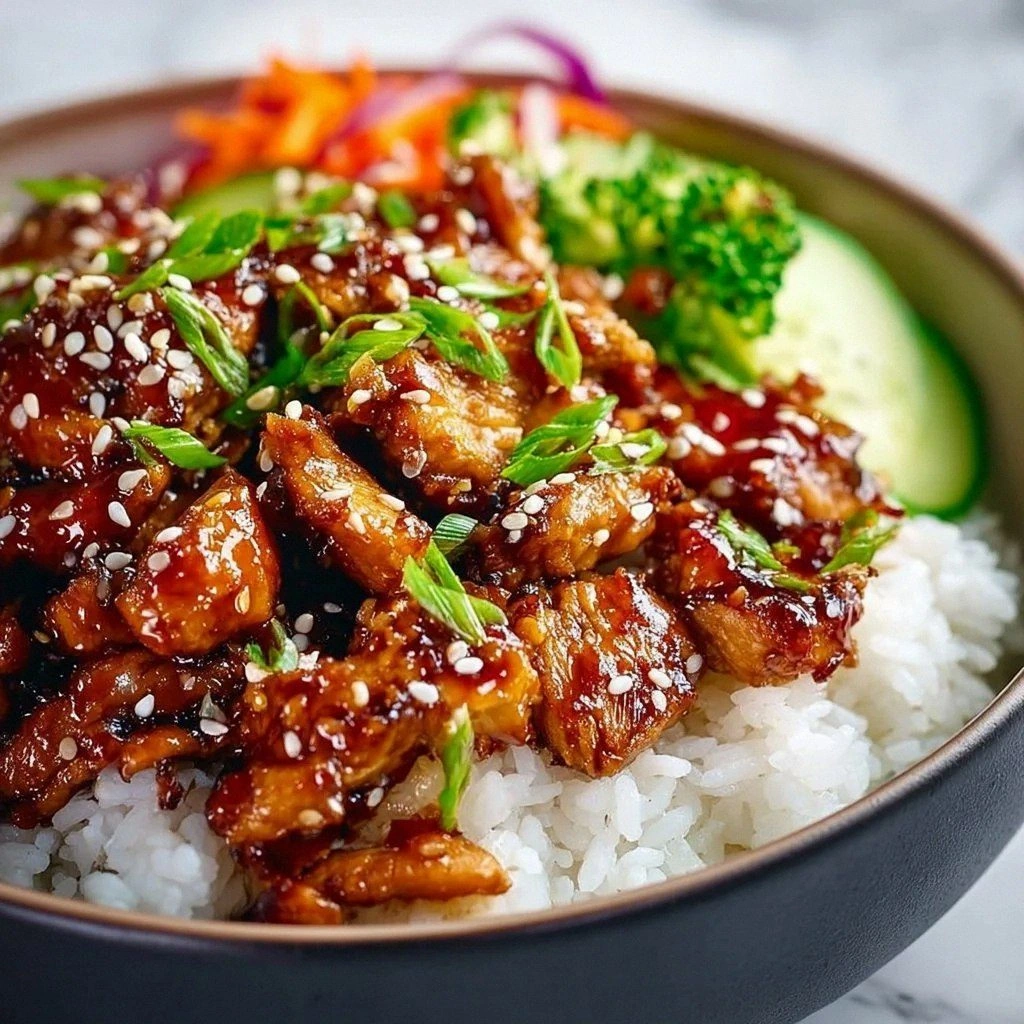
Picture the first bite: the teriyaki glaze coats the chicken like velvet, the broccoli snaps with a satisfying crunch, and the bell pepper and carrot add a pop of color and a burst of sweetness that dances on your tongue. The aroma is a heady mix of soy, garlic, and a hint of ginger that makes the whole house smell like a Japanese market. The texture is a perfect balance between juicy, caramelized meat and tender yet firm veggies. The sauce, thick and glossy, clings to the rice like a blanket, turning each grain into a pocket of flavor. The result is a bowl that feels like a hug in a bowl, comforting yet exciting.
I dare you to taste this and not go back for seconds. That’s the power of a sauce that doesn’t just season but transforms the dish into a glossy masterpiece. Most recipes get this completely wrong, leaving the chicken dry and the vegetables soggy. Here, the sauce’s balance of sweetness and umami locks in moisture, and the quick sear on the chicken gives it a caramelized crust that shatters like thin ice when you bite. The vegetables stay crisp, providing a textural counterpoint that keeps each mouthful interesting. And the best part? It’s all made in under an hour, making it the perfect weeknight win.
If you’ve ever struggled with making teriyaki at home, you’re not alone. The secret lies in the timing—searing the chicken until it’s just golden, then simmering it in the sauce so it absorbs the flavor without losing its bite. The rice is the canvas that holds everything together, absorbing the sauce like a sponge. The veggies are the supporting actors that add color, crunch, and nutrition. The sesame seeds and green onions finish the dish with a nutty crunch and a bright, fresh note. Picture yourself pulling this out of the stove, the whole kitchen smelling incredible, and the table set for a quick, satisfying meal that feels like a treat.
Let me walk you through every single step—by the end, you’ll wonder how you ever made it any other way.
What Makes This Version Stand Out
- Flavor: The teriyaki sauce is thick, sweet, and slightly tangy, coating the chicken like velvet while the vegetables keep their crispness. The combination of soy, mirin, and a touch of honey creates a depth that feels both familiar and new.
- Texture: The chicken remains juicy inside with a caramelized exterior, while the broccoli and bell pepper stay firm and bright. This contrast makes each bite dynamic, preventing the dish from feeling mushy.
- Simplicity: Five main ingredients plus a few pantry staples keep the recipe straightforward, yet the final result feels gourmet.
- Uniqueness: The addition of sesame seeds and green onions gives a finishing crunch and a fresh, herbaceous note that elevates the bowl beyond standard teriyaki.
- Crowd Reaction: Friends and family rave about how the sauce sticks to everything and how the veggies keep their bite, making it a hit at gatherings.
- Ingredient Quality: Using fresh, high‑quality chicken and fresh vegetables maximizes flavor and keeps the dish bright.
- Cooking Method: Quick searing followed by a gentle simmer locks in moisture and flavor, ensuring the dish is ready in 30 minutes.
- Make‑Ahead Potential: The sauce can be pre‑made, and the dish can be assembled the night before, making it a stress‑free meal prep option.
Inside the Ingredient List
The Flavor Base
The chicken is the star of the show, and using lean breast ensures quick cooking while retaining moisture. Dicing the chicken into bite‑sized pieces allows each piece to get a quick sear and then soak up the teriyaki glaze. The teriyaki sauce is the heart of the dish; a store‑bought bottle works great, but a homemade version with mirin, soy sauce, and a touch of honey can elevate the flavor even further. Olive oil is the medium that carries the heat and helps the chicken brown evenly; swapping it for sesame oil adds an extra layer of Asian aroma.
The Texture Crew
Rice is the canvas that holds everything together; jasmine rice is fragrant and fluffy, but brown rice or quinoa can add a nuttier flavor and extra nutrients. Broccoli florets bring a satisfying crunch and a pop of green that keeps the bowl visually appealing. The bell pepper adds sweetness and a subtle peppery note, while the julienned carrot provides a burst of color and a slight earthiness. Together, these vegetables keep the dish from feeling one‑dimensional.
The Unexpected Star
Sesame seeds might seem like a garnish, but they add a subtle nutty crunch that contrasts beautifully with the soft chicken and vegetables. Green onions bring a bright, oniony freshness that cuts through the sweetness of the sauce. If you’re vegetarian or vegan, tofu or tempeh can replace the chicken, absorbing the teriyaki just as well. A splash of rice vinegar at the end can brighten the dish and balance the sweetness.
The Final Flourish
The final flourish of sesame seeds and green onions not only adds a visual pop but also introduces a nutty and fresh layer of flavor that elevates the dish from simple to extraordinary. A quick drizzle of sesame oil just before serving gives the bowl an extra aroma that makes the dish feel restaurant‑quality. If you’re a fan of spice, a pinch of crushed red pepper flakes can add a subtle heat that pairs well with the sweetness.
Everything's prepped? Good. Let's get into the real action…
The Method — Step by Step
- Heat a large skillet over medium‑high heat and add one tablespoon of olive oil. Let the oil shimmer but not smoke. Add the diced chicken in a single layer, ensuring each piece has space to sear. Sear for about 3–4 minutes on each side until golden brown and just cooked through. Flip only once to maintain a nice crust.
- Reduce the heat to medium and pour in the whole cup of teriyaki sauce. Stir the chicken so it’s coated evenly. Let the sauce simmer for 2–3 minutes, allowing it to thicken slightly and the chicken to soak up the glaze. The sauce should coat the chicken like a glossy coat.
- While the chicken is absorbing the sauce, heat a separate pan over medium heat and add the remaining tablespoon of olive oil. Toss in the broccoli florets, sliced bell pepper, and julienned carrot. Stir‑fry for 4–5 minutes until the vegetables are bright green, tender yet still crisp. The veggies should still have a slight bite.
- Combine the cooked vegetables with the glazed chicken in the skillet. Stir gently to coat everything in the sauce. Let the mixture cook together for an additional 2 minutes, allowing the flavors to meld. The sauce should be thick and cling to the chicken and veggies.
- Add the cooked rice to the pan. Use a wooden spoon to break up any clumps and ensure the rice gets a generous coating of sauce. Stir for 3 minutes until the rice is heated through and glossy. The rice should look like it’s been kissed by a golden glaze.
- Finish the bowl with a sprinkle of sesame seeds and chopped green onions. The sesame seeds should pop when you bite, adding a nutty crunch. The green onions bring a bright, fresh note that balances the sweetness. Toss everything together one final time.
- Taste the bowl and adjust the seasoning if needed. A pinch of salt or a splash of soy sauce can enhance the depth. If the sauce feels too sweet, a squeeze of lime or a dash of rice vinegar can brighten it.
- Serve immediately while the bowl is hot and the sauce is glossy. The rice should still be warm, and the chicken should be tender.
- If you’re preparing ahead, let the bowl cool completely before refrigerating. Store in an airtight container for up to 3 days.
That's it — you did it. But hold on, I've got a few more tricks that'll take this to another level.
Insider Tricks for Flawless Results
The Temperature Rule Nobody Follows
Many cooks overheat the pan, causing the sauce to burn. Keep the heat medium and let the sauce reduce slowly; this allows the flavors to meld without scorching. If the sauce starts to stick, add a splash of water or broth to loosen it. A steady, even temperature ensures the chicken stays juicy and the sauce stays glossy.
Why Your Nose Knows Best
When the teriyaki is simmering, the aroma should be sweet and slightly smoky. If it smells too sharp or raw, let it cook a bit longer. Your nose is a reliable indicator of doneness; trust it to tell you when the sauce has thickened to perfection.
The 5‑Minute Rest That Changes Everything
After cooking, let the bowl sit covered for 5 minutes. This brief rest allows the sauce to settle and the flavors to deepen. The rice will absorb the remaining glaze, making each bite more flavorful. A quick rest also helps the chicken rest, preventing it from drying out.
The Crunch Factor
If you like an extra crunch, sprinkle toasted sesame seeds or crushed cashews on top before serving. The contrast between the soft chicken and crunchy seeds adds a delightful texture. A quick stir of the seeds in the pan just before plating ensures they stay fresh and crunchy.
The Sweet‑Savory Balance
If you prefer a less sweet dish, reduce the amount of teriyaki sauce or add a splash of rice vinegar. Conversely, for a sweeter bite, add a teaspoon of honey or maple syrup. The key is to taste as you go and adjust to your preference.
The Quick Fix for Leftovers
To revive leftovers, add a splash of water or broth and gently reheat over low heat. The added liquid prevents the rice from drying out and helps the sauce re‑emulsify. A quick stir will bring the dish back to its original glossy glory.
Creative Twists and Variations
The Protein Switch
Swap chicken for tofu or tempeh to create a vegetarian version. Press the tofu to remove excess moisture, then cube it for even cooking. The tofu will absorb the teriyaki just as well, creating a protein‑rich, plant‑based bowl.
The Grain Swap
Use quinoa or cauliflower rice instead of jasmine for a lower‑carb option. Quinoa adds a nutty flavor and extra protein, while cauliflower rice keeps the dish light and low‑calorie. Both grains take on the glossy sauce beautifully.
The Heat Level
Add a pinch of crushed red pepper flakes or a splash of sriracha for a spicy kick. The heat cuts through the sweetness and adds a layer of complexity. Adjust the amount to match your spice tolerance.
The Sweet Surprise
Incorporate pineapple chunks or diced mango for a tropical twist. The fruit’s natural sweetness pairs well with the teriyaki glaze, creating a sweet, savory, and slightly tangy flavor profile that feels like a beach vacation.
The Crunch Upgrade
Top the bowl with roasted chickpeas or crispy wonton strips for an extra crunch. The chickpeas add protein and a nutty flavor, while wonton strips bring a satisfying snap. These additions keep the dish from becoming too soft.
The Flavor Booster
Finish with a drizzle of sesame oil and a squeeze of lime to brighten the dish. The sesame oil adds depth, and the lime’s acidity balances the sweetness. This final touch turns an already great bowl into a culinary masterpiece.
Storing and Bringing It Back to Life
Fridge Storage
Cool the bowl completely before transferring it to an airtight container. Store in the refrigerator for up to 3 days. When you’re ready to eat, reheat in the microwave for 2–3 minutes, stirring halfway through.
Freezer Friendly
For longer storage, place the bowl in a freezer‑safe container and freeze for up to 2 weeks. Thaw overnight in the refrigerator, then reheat on the stovetop over low heat, adding a splash of water to keep the rice from drying out.
Best Reheating Method
The best way to reheat is on the stovetop with a splash of water or broth. Heat gently, stirring until the sauce is heated through and glossy again. A quick stir will re‑emulsify the sauce, restoring the dish to its original glory.