
Turkey Meatballs
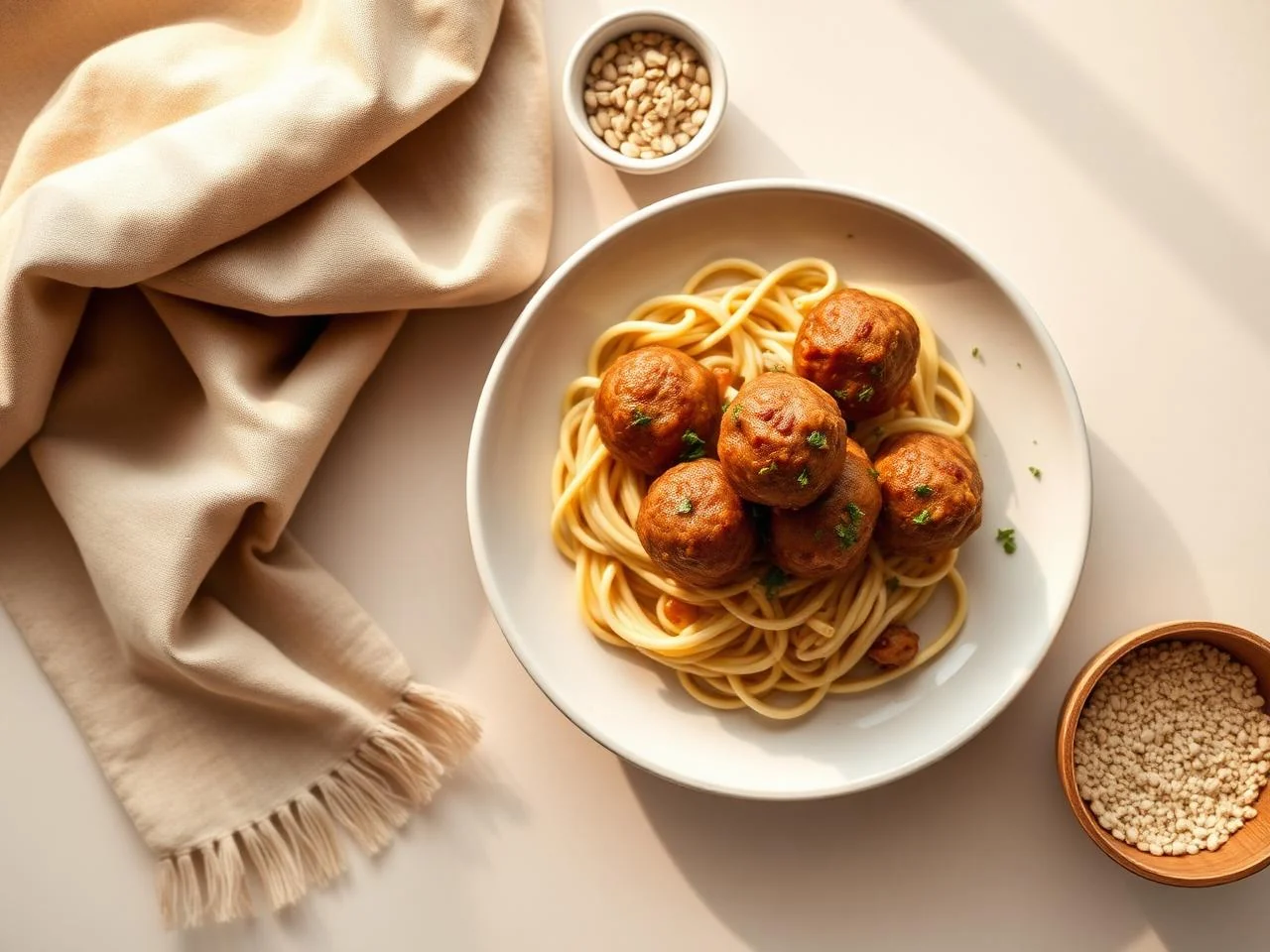
I still remember the first time I made turkey meatballs from scratch. It was a game-changer for our weeknight dinners, and I've been perfecting the recipe ever since. There's something so satisfying about biting into a tender, flavorful meatball, knowing it's made with wholesome ingredients and no gluten in sight.
As a home cook who's had to adapt to a gluten-free diet, I've learned that it's all about smart swaps and good technique. That's why I'm excited to share this recipe with you, which uses a balanced blend of rice flour, tapioca starch, and xanthan gum to create a tender, non-gritty texture.
Turkey meatballs are incredibly versatile, and I love serving them with a variety of sides, from classic marinara sauce to roasted vegetables or a hearty salad. They're also a great make-ahead option, perfect for busy weeknights or special occasions.
In this recipe, I'll walk you through the steps to create delicious, gluten-free turkey meatballs that are sure to become a staple in your household. From the importance of using high-quality ingredients to the technique of forming the perfect meatball, I'll share all my tips and tricks to ensure your success.
So, let's get started and make some mouthwatering turkey meatballs that everyone will love! Whether you're a seasoned cook or just starting out, this recipe is perfect for anyone looking for a delicious, gluten-free meal option.
Why You’ll Love This Recipe
- These turkey meatballs are easy to make and require minimal ingredients.
- They're perfect for a weeknight dinner or special occasion.
- The recipe is gluten-free, making it accessible to those with dietary restrictions.
- The meatballs are tender and flavorful, with a great texture.
- They can be made ahead of time and refrigerated or frozen for later use.
- They're a great source of protein and can be served with a variety of sides.
- The recipe is versatile and can be adapted to suit different tastes and preferences.
Why This Recipe Works
The key to making great turkey meatballs is to use a combination of ingredients that provide moisture, flavor, and texture. By using ground turkey, eggs, and breadcrumbs made from gluten-free flours, we create a meatball that's tender and juicy on the inside and crispy on the outside.
Another important factor is the cooking technique. By baking the meatballs in the oven, we can ensure that they're cooked evenly and thoroughly, without the risk of overcooking or burning. This method also helps to prevent the meatballs from becoming tough or dense.
Finally, the resting time after cooking is crucial. By letting the meatballs rest for a few minutes, we allow the juices to redistribute, making them even more tender and flavorful. This step is often overlooked, but it makes a big difference in the final result.
By following these steps and using the right ingredients, you'll be able to create delicious, gluten-free turkey meatballs that are sure to impress your family and friends.
Ingredients You’ll Need
When it comes to making turkey meatballs, the ingredients are just as important as the technique. That's why I've chosen a select group of high-quality ingredients that provide the perfect balance of moisture, flavor, and texture. From the ground turkey to the gluten-free breadcrumbs, every ingredient plays a crucial role in creating a delicious and tender meatball.
When shopping for ingredients, be sure to choose fresh and wholesome options. For the ground turkey, look for a leaner option with less than 10% fat. For the eggs, choose large or extra-large eggs for the best results. And for the gluten-free breadcrumbs, opt for a high-quality brand that's made with wholesome ingredients.
- 1 lb (450g) ground turkeyChoose a leaner option with less than 10% fat for the best results. You can also use ground chicken or beef if you prefer.
- 1/2 cup (60g) gluten-free breadcrumbsOpt for a high-quality brand that's made with wholesome ingredients. You can also make your own breadcrumbs by blending gluten-free bread into fine crumbs.
- 1/4 cup (30g) grated Parmesan cheeseChoose a high-quality Parmesan cheese for the best flavor. You can also use other hard cheeses like cheddar or mozzarella.
- 1 eggChoose large or extra-large eggs for the best results. The egg helps to bind the ingredients together and adds moisture to the meatballs.
- 1/4 cup (60g) chopped fresh parsleyChoose fresh parsley for the best flavor. You can also use other herbs like basil or oregano if you prefer.
- 2 cloves garlic, mincedChoose fresh garlic for the best flavor. You can also use garlic powder or garlic salt if you prefer.
- 1/2 tsp (2g) saltChoose a high-quality salt for the best flavor. You can also use other seasonings like pepper or paprika if you prefer.
- 1/4 tsp (1g) black pepperChoose a high-quality pepper for the best flavor. You can also use other seasonings like paprika or cayenne pepper if you prefer.
- 1/4 tsp (1g) xanthan gumXanthan gum helps to improve the texture of the meatballs and prevent them from becoming too dense. You can omit it if you don't have it on hand.
- 1 tbsp (15g) olive oilChoose a high-quality olive oil for the best flavor. You can also use other oils like coconut oil or avocado oil if you prefer.
- 1 cup (250g) marinara sauceChoose a high-quality marinara sauce for the best flavor. You can also make your own marinara sauce by blending canned tomatoes with olive oil, garlic, and herbs.
Equipment You’ll Need
How to Make Turkey Meatballs
- 1Preheat the oven to 400°F (200°C).
- 2In a large mixing bowl, combine the ground turkey, gluten-free breadcrumbs, Parmesan cheese, egg, parsley, garlic, salt, pepper, and xanthan gum. Mix the ingredients together with your hands or a wooden spoon until just combined. Be careful not to overmix.
- 3Use a meatball scoop or small ice cream scoop to form the mixture into meatballs, about 1 1/2 inches (3.8 cm) in diameter. You should end up with around 20-25 meatballs.
- 4Place the meatballs on a baking sheet lined with parchment paper, leaving a little space between each meatball to allow for even cooking.
- 5Drizzle the meatballs with olive oil and gently roll them around to coat evenly.
- 6Bake the meatballs in the preheated oven for 18-20 minutes, or until they reach an internal temperature of 165°F (74°C).
- 7While the meatballs are baking, heat the marinara sauce in a large skillet or sauté pan over medium-low heat.
- 8Once the meatballs are done, remove them from the oven and carefully place them in the skillet with the marinara sauce.
- 9Let the meatballs simmer in the sauce for a few minutes to absorb the flavors.
- 10Serve the meatballs hot, garnished with additional parsley and Parmesan cheese if desired.
- 11Let the meatballs rest for a few minutes before serving to allow the juices to redistribute.
Expert Tips
- Make sure to handle the meat mixture gently to avoid compacting it too much, which can make the meatballs dense.
- If you find that your meatballs are too dense, try adding a little more breadcrumbs or egg to the mixture.
- To make the meatballs more flavorful, try adding other ingredients to the mixture, such as chopped onion or bell pepper.
- You can also make the meatballs in advance and store them in the refrigerator or freezer for later use.
- When reheating the meatballs, make sure to heat them to an internal temperature of 165°F (74°C) to ensure food safety.
- Experiment with different types of cheese, such as mozzarella or feta, for a unique flavor profile.
- For an extra crispy exterior, try baking the meatballs at a higher temperature, such as 425°F (220°C), for a shorter amount of time.
- To add some heat to the meatballs, try adding a pinch of red pepper flakes to the mixture.
Common Mistakes to Avoid
- Overmixing the meat mixture, which can make the meatballs dense and tough.
- Not cooking the meatballs to a safe internal temperature, which can lead to foodborne illness.
- Not letting the meatballs rest before serving, which can make them dry and less flavorful.
- Using low-quality ingredients, which can affect the flavor and texture of the meatballs.
- Not handling the meatballs gently, which can cause them to break apart or become misshapen.
- Not storing the meatballs properly, which can lead to spoilage or contamination.
Variations and Substitutions
- Try using different types of meat, such as beef or pork, for a unique flavor profile.
- Add some heat to the meatballs by incorporating spicy ingredients, such as jalapenos or hot sauce.
- Experiment with different types of cheese, such as mozzarella or feta, for a unique flavor profile.
- Add some freshness to the meatballs by incorporating herbs, such as parsley or basil.
- Try using different types of breadcrumbs, such as panko or gluten-free breadcrumbs, for a unique texture.
- Add some smokiness to the meatballs by incorporating ingredients, such as smoked paprika or chipotle peppers.
- Try using different types of sauce, such as BBQ sauce or teriyaki sauce, for a unique flavor profile.
What to Serve With Turkey Meatballs
These turkey meatballs are incredibly versatile and can be served in a variety of ways. Try serving them with a side of marinara sauce and pasta for a classic Italian-inspired dish. You can also serve them with a side of roasted vegetables, such as broccoli or Brussels sprouts, for a healthier option.
For a more substantial meal, try serving the meatballs with a side of garlic bread or a green salad. You can also use the meatballs as a topping for a pizza or as a filling for a sub sandwich.
Make-Ahead, Storage, Freezing and Reheating
These turkey meatballs can be stored in the refrigerator or freezer for later use. To store them in the refrigerator, simply place them in an airtight container and refrigerate for up to 3 days.
To freeze the meatballs, place them on a baking sheet lined with parchment paper and put them in the freezer until frozen solid. Then, transfer them to an airtight container or freezer bag and store for up to 3 months.
When reheating the meatballs, make sure to heat them to an internal temperature of 165°F (74°C) to ensure food safety. You can reheat them in the oven, microwave, or on the stovetop.
It's also important to note that the meatballs can be made ahead of time and stored in the refrigerator or freezer before cooking. Simply thaw them overnight in the refrigerator or reheat them from frozen when you're ready to cook them.
Frequently Asked Questions
What type of meat is best for making meatballs?
Ground turkey is a great option for making meatballs, but you can also use ground beef, pork, or a combination of the three. The key is to choose a leaner option with less than 10% fat for the best results.
How do I prevent the meatballs from becoming too dense?
To prevent the meatballs from becoming too dense, make sure to handle the meat mixture gently and avoid overmixing. You can also try adding a little more breadcrumbs or egg to the mixture to help keep them light and fluffy.
Can I make the meatballs ahead of time and store them in the refrigerator or freezer?
Yes, you can make the meatballs ahead of time and store them in the refrigerator or freezer for later use. Simply place them in an airtight container and refrigerate for up to 3 days or freeze for up to 3 months.
How do I reheat the meatballs without drying them out?
To reheat the meatballs without drying them out, make sure to heat them to an internal temperature of 165°F (74°C) and use a low heat setting. You can reheat them in the oven, microwave, or on the stovetop.
Can I use different types of cheese in the meatballs?
Yes, you can use different types of cheese in the meatballs, such as mozzarella, feta, or parmesan. The key is to choose a cheese that melts well and adds flavor to the meatballs.
How do I prevent the meatballs from sticking to the baking sheet?
To prevent the meatballs from sticking to the baking sheet, make sure to line the sheet with parchment paper or a silicone mat. You can also try spraying the sheet with cooking spray or brushing it with olive oil.
Can I make the meatballs in a slow cooker?
Yes, you can make the meatballs in a slow cooker. Simply place the meatballs in the slow cooker and cook on low for 3-4 hours or on high for 1-2 hours.
How do I know when the meatballs are cooked through?
To know when the meatballs are cooked through, use an instant-read thermometer to check the internal temperature. The meatballs should reach an internal temperature of 165°F (74°C) to ensure food safety.
Ingredients
- 1 lb (450g) ground turkey
- 1/2 cup (60g) gluten-free breadcrumbs
- 1/4 cup (30g) grated Parmesan cheese
- 1 egg
- 1/4 cup (60g) chopped fresh parsley
- 2 cloves garlic, minced
- 1/2 tsp (2g) salt
- 1/4 tsp (1g) black pepper
- 1/4 tsp (1g) xanthan gum
- 1 tbsp (15g) olive oil
- 1 cup (250g) marinara sauce
Instructions
- Preheat the oven to 400°F (200°C).
- In a large mixing bowl, combine the ground turkey, gluten-free breadcrumbs, Parmesan cheese, egg, parsley, garlic, salt, pepper, and xanthan gum. Mix the ingredients together with your hands or a wooden spoon until just combined. Be careful not to overmix.
- Use a meatball scoop or small ice cream scoop to form the mixture into meatballs, about 1 1/2 inches (3.8 cm) in diameter. You should end up with around 20-25 meatballs.
- Place the meatballs on a baking sheet lined with parchment paper, leaving a little space between each meatball to allow for even cooking.
- Drizzle the meatballs with olive oil and gently roll them around to coat evenly.
- Bake the meatballs in the preheated oven for 18-20 minutes, or until they reach an internal temperature of 165°F (74°C).
- While the meatballs are baking, heat the marinara sauce in a large skillet or sauté pan over medium-low heat.
- Once the meatballs are done, remove them from the oven and carefully place them in the skillet with the marinara sauce.
- Let the meatballs simmer in the sauce for a few minutes to absorb the flavors.
- Serve the meatballs hot, garnished with additional parsley and Parmesan cheese if desired.
- Let the meatballs rest for a few minutes before serving to allow the juices to redistribute.