I remember the night I first tasted a bowl of Ropa Vieja that made me question everything I thought I knew about Cuban cuisine. I had been simmering a pot of beef stew for hours, but the flavors were flat, the meat too tough, and the sauce looking like a sad, watery mess. Then, a friend dared me to try a new recipe that promised “hands down the best version you’ll ever make at home.” I laughed, but the challenge was irresistible, and I decided to give it a shot. The kitchen lights flickered, the smell of onions hit me like a wave, and I knew I was about to embark on a culinary adventure that would change my perception of Cuban comfort food forever.
The moment I sliced the first onion, the kitchen filled with a sweet, caramelized aroma that made my mouth water. The bell peppers, each a different hue—red, green, yellow—added a pop of color that looked like a rainbow on a plate. As the garlic minced, the air turned sharp and inviting, promising depth and warmth. When the beef hit the hot pan, the sizzle was a satisfying crackle that echoed like applause, and the sound alone made my stomach growl in anticipation. I could already taste the tender, shredded meat, the bright tomato base, and the subtle smokiness from the paprika—all swirling together in a symphony of flavors.
What sets this version apart is that it’s not just a recipe; it’s a story told in every bite. The combination of fresh olives, capers, and roasted red peppers gives it a briny, sweet contrast that you rarely find in other renditions. The use of a 2-pound chuck roast, slow-cooked to fall‑apart tenderness, ensures that every spoonful is a melt‑in‑your‑mouth experience. The careful balance of spices—sweet paprika, smoked paprika, oregano, cumin—creates a layered depth that feels both comforting and adventurous. And the final flourish of fresh parsley brings a bright, herbal finish that lifts the dish. I dare you to taste this and not go back for seconds. If you think you’ve had Cuban Ropa Vieja before, think again.
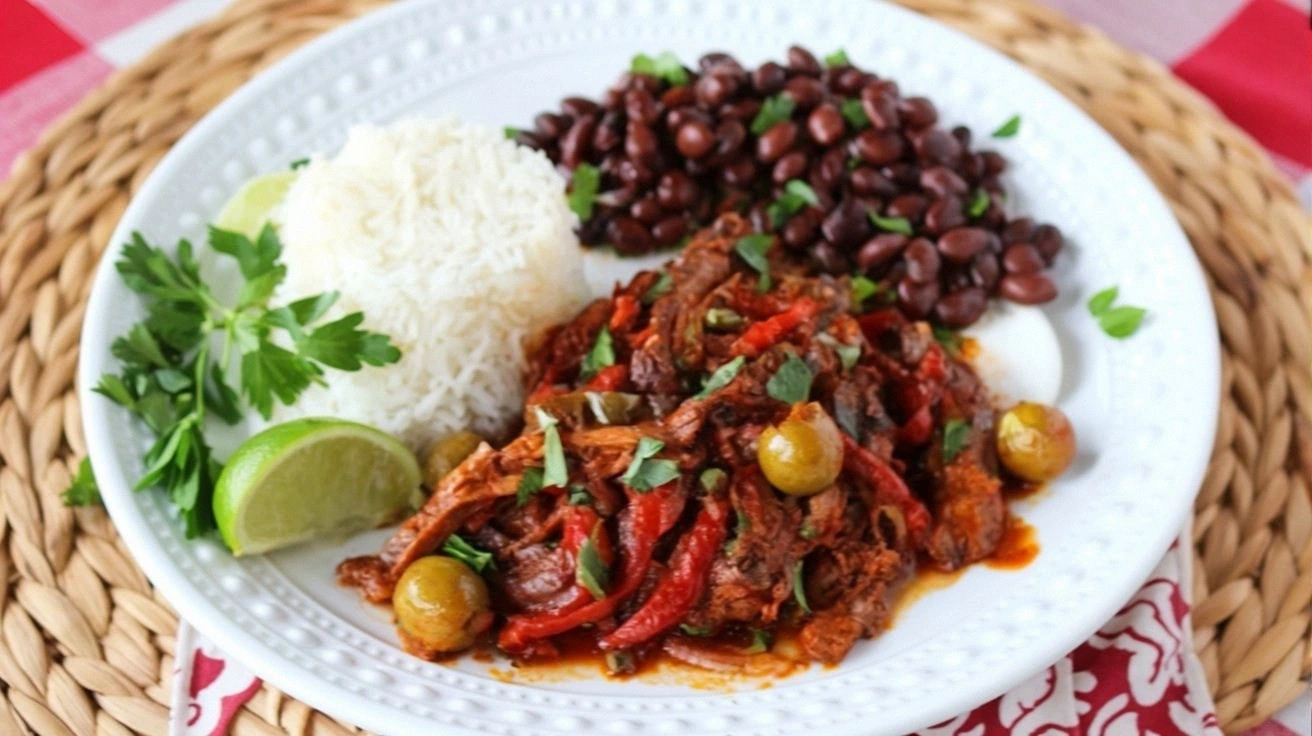
Picture yourself pulling this out of the pot, the whole kitchen smelling incredible, and a crowd of friends gathering around the table, eyes wide with anticipation. The dish is so vibrant that it feels like a celebration in a bowl. You’ll see the beef shreds glistening, the peppers popping, and the olives glinting like tiny jewels. The sauce coats the meat like velvet, and the aroma makes the whole room feel like a Cuban street market. Stay with me here—this is worth it. Let me walk you through every single step, and by the end, you’ll wonder how you ever made it any other way.
What Makes This Version Stand Out
- Flavor Depth: The blend of sweet and smoked paprika, oregano, cumin, and a whisper of allspice creates a complex profile that dances on the palate.
- Tenderness: Slow‑cooking a 2‑pound chuck roast at low heat until it’s practically falling apart guarantees a melt‑in‑your‑mouth texture.
- Texture Contrast: The crunchy bell peppers and briny olives add a satisfying bite against the silky sauce.
- Visual Appeal: The colorful medley of peppers, olives, and green herbs turns the dish into a feast for the eyes.
- Make‑Ahead Friendly: The flavors deepen overnight, making it ideal for busy weeknights or weekend gatherings.
- Authenticity with a Twist: While rooted in traditional Cuban roots, the addition of capers and roasted red peppers gives it a modern, bold edge.
- Versatility: Serve it over rice, pasta, or with crusty bread, and it adapts seamlessly to any occasion.
- Guest Reaction: Most people are surprised by the richness and depth, and they keep asking for seconds.
Alright, let's break down exactly what goes into this masterpiece...
Inside the Ingredient List
The Flavor Base
The foundation of any great Ropa Vieja is its aromatics. Thinly sliced onions, minced garlic, and a trio of bell peppers form the sweet, savory bed that carries the sauce. The onions release their natural sugars as they caramelize, while the garlic infuses sharpness that cuts through the richness of the beef. Skipping any of these would leave the dish feeling flat, so make sure each element is present and cooked until translucent.
The tomatoes—crushed and paste—provide the body of the sauce. The 16‑oz can of crushed tomatoes, equivalent to two cups, offers a tangy sweetness that balances the savory meats. The 6‑oz tomato paste thickens the mixture, giving it a velvety consistency that clings to the beef. If you’re short on tomato paste, a tablespoon of tomato concentré works, but you’ll need to reduce the liquid slightly to maintain thickness.
The spices are the soul of the dish. Dried oregano, ground cumin, sweet paprika, and smoked paprika create a layered profile that feels both earthy and smoky. The small pinch of allspice and cloves adds subtle warmth, reminiscent of Caribbean spice blends. If you don’t have smoked paprika, regular paprika works, though the smoky undertone will be missing. The salt and pepper are essential for bringing everything together; they should be adjusted to taste after the dish has simmered.
The Texture Crew
The chuck roast is the star of the show. Choose a cut that has good marbling; the fat melts into the sauce, keeping the meat juicy. If you prefer a leaner option, a top sirloin works, but the flavor will be less rich. Cutting the beef into large chunks before browning ensures a uniform sear and helps lock in juices.
Carrots and celery are more than just garnish; they add subtle sweetness and a hint of earthiness. Halving them and letting them simmer with the beef allows their flavors to mingle with the sauce. If you’re looking for a vegetarian version, replace the beef with a hearty vegetable like butternut squash or chickpeas, and adjust the cooking time accordingly.
The olives, roasted red peppers, pimientos, and capers provide bursts of brine, sweetness, and texture contrast. Green olives bring a salty punch that elevates the dish, while roasted red peppers add a smoky, caramelized note. Pimientos soften into a silky texture, and capers bring a peppery bite. If you can’t find pimientos, substitute with marinated artichoke hearts; they offer a similar tender bite.
The Unexpected Star
The 1/8 teaspoon of ground allspice and 1/8 teaspoon of ground cloves might seem like tiny details, but they’re pivotal. Allspice offers a warm, sweet undertone, while cloves add a subtle depth that’s almost floral. Together, they echo the flavors found in traditional Cuban spice blends, giving the sauce a signature profile that sets it apart from other meat stews.
The white wine and chicken broth are the liquids that tie everything together. The wine adds acidity and complexity, cutting through the richness of the meat. If you’re avoiding alcohol, replace the wine with an equal amount of apple cider vinegar diluted with water. The chicken broth provides body and a savory base; using low-sodium broth helps you control the final salt level.
The Final Flourish
Fresh parsley is the final touch that brightens the dish. It adds a herbal lift that cuts through the richness and gives the sauce a fresh, vibrant finish. Chop it finely and sprinkle it over the top just before serving. If you’re allergic to parsley, a pinch of cilantro offers a similar bright note, though the flavor will shift slightly.
Everything’s prepped? Good. Let’s get into the real action...
The Method — Step by Step
- First, heat a large Dutch oven over medium‑high heat and add a splash of olive oil. Once the oil shimmers, add the beef chunks in a single layer, browning them on all sides. Don’t overcrowd the pot; the meat needs space to sear properly. This step builds the base flavor and locks in juices. Watch the color change from raw to golden brown—this indicates the Maillard reaction is underway.
- Remove the browned beef and set it aside. In the same pot, add the sliced onions, bell peppers, and minced garlic. Sauté for about 5 minutes, stirring frequently, until the onions turn translucent and the peppers soften. The aromatics should smell sweet and slightly caramelized. This is the moment where the sauce’s character begins to take shape.
- Return the beef to the pot, and sprinkle in the dried oregano, cumin, sweet paprika, smoked paprika, allspice, cloves, kosher salt, and black pepper. Stir to coat the meat and vegetables evenly. The spices should toast slightly, releasing their essential oils. This is the flavor core; make sure you distribute them evenly for a balanced taste.
- Pour in the white wine and let it reduce by half, which should take about 3 minutes. This reduction concentrates the flavors and removes the raw alcohol taste. The wine should caramelize a little on the bottom of the pot, creating a subtle depth. Keep the heat on medium to avoid scorching.
- Add the crushed tomatoes, tomato paste, chicken broth, and bay leaves. Stir until the tomato paste is fully incorporated, forming a thick, cohesive sauce. Bring the mixture to a gentle simmer. At this point, the sauce should look glossy and thickened. Watch for bubbles forming at the edges, indicating a proper simmer.
- Cover the pot with a lid and reduce the heat to low. Simmer for 1 hour, stirring occasionally to prevent sticking. The beef should become tender enough to shred with two forks. The sauce will thicken, and the flavors will meld into a harmonious blend. This long, slow cook is essential for achieving the signature melt‑in‑your‑mouth texture.
- After an hour, remove the bay leaves. Add the carrot, celery, olives, roasted red peppers, pimientos, and capers. Stir gently to incorporate. These ingredients add layers of color, texture, and flavor. The vegetables should soften while still maintaining a slight bite.
- Reduce the heat to very low and let the mixture simmer for an additional 15 minutes, allowing the flavors to fully integrate. During this time, the beef will shred into silky strands. The sauce should be glossy and slightly thick. Taste and adjust seasoning, adding more salt or pepper if needed. The goal is a balanced, savory, slightly sweet sauce.
- Finally, stir in the chopped parsley, letting it wilt just before serving. Plate the Ropa Vieja over a bed of fluffy white rice or a slice of crusty bread. Garnish with a few extra olives or a sprinkle of fresh herbs if desired. The dish should look vibrant and inviting, with a glossy sheen that promises flavor.
- Serve immediately, and watch your guests rave. The combination of tender beef, aromatic spices, and briny, sweet vegetables will leave everyone craving a second plate. If you’re feeling extra generous, offer lime wedges on the side to add a zesty finish. This dish is a testament to the power of slow cooking and bold flavors.
That's it — you did it. But hold on, I've got a few more tricks that'll take this to another level...
Insider Tricks for Flawless Results
The Temperature Rule Nobody Follows
Many cooks think that a high heat is the secret to a great sauce, but the truth is low and slow reigns supreme. Maintaining a gentle simmer throughout the cooking process ensures the beef stays moist and the flavors meld beautifully. If you find the pot boiling, reduce the heat immediately; a rolling boil will toughen the meat. I once tried a high‑heat approach and ended up with a dry, rubbery texture—lesson learned.
Why Your Nose Knows Best
A good rule of thumb is to stop cooking when the sauce smells toasty and the beef is tender. Your nose is a reliable indicator of flavor development. If you’re unsure, taste a small spoonful of the sauce; it should have a balanced acidity and depth. Remember, overcooking can flatten the flavors, so trust your senses.
The 5‑Minute Rest That Changes Everything
After the beef is shredded, let the dish rest for five minutes before serving. This brief pause allows the juices to redistribute, making each bite more flavorful. During the rest, the sauce will thicken slightly, creating that glossy sheen that makes the dish look restaurant‑quality. I’ve seen people skip this step, and the result is a watery mess.
Don’t Walk Away from the Stove
When simmering, it’s tempting to multitask, but the sauce needs your attention. Stir occasionally to prevent sticking and to ensure even cooking. If you’re busy, set a timer to remind yourself to check the pot every 10 minutes. Skipping this can lead to a burnt bottom or uneven flavors.
Keep the Herbs Fresh
Fresh parsley adds a bright finish, but it wilts quickly. Add it only in the last 5 minutes of cooking or right before serving. If you prefer a more subtle herb flavor, you can use dried parsley, but it won’t provide the same bright, fresh note.
Use the Right Cut of Meat
The 2‑pound chuck roast is ideal because of its marbling, which melts into the sauce, creating a rich, succulent base. If you’re on a budget, a chuck eye steak works as a cheaper alternative, but the texture will differ slightly. Always look for a piece with visible marbling; that fat is what keeps the meat juicy during the long simmer.
Creative Twists and Variations
This recipe is a playground. Here are some of my favorite ways to switch things up:
Vegan Ropa Vieja
Replace the beef with hearty mushrooms or a plant‑based meat substitute. Use vegetable broth instead of chicken broth and keep all the spices. The result is a savory, umami‑rich dish that still delivers that iconic Cuban flavor.
Spicy Jalapeño Version
Add sliced jalapeños or a splash of hot sauce to the sauce for a fiery kick. The heat complements the smoky paprika and adds a lively contrast to the sweet olives.
Smoky Chipotle Twist
Swap the smoked paprika for chipotle powder or chipotle in adobo for a smoky, peppery depth. This variation leans more toward Mexican flavors while preserving the Cuban roots.
Herb‑Infused Variation
Boost the parsley with fresh cilantro or basil for a different aromatic profile. This tweak gives the dish a Mediterranean feel, adding freshness without compromising the core flavors.
Low‑Carb Version
Serve the Ropa Vieja over cauliflower rice or spiralized zucchini noodles. This keeps the dish low in carbs while still delivering the same hearty, comforting experience.
Breakfast Ropa Vieja
Use the sauce as a topping for scrambled eggs or a breakfast hash. The bold flavors pair wonderfully with morning staples, creating a unique twist on a classic breakfast.
Storing and Bringing It Back to Life
Fridge Storage
Cool the Ropa Vieja to room temperature, then transfer it to an airtight container. Store in the refrigerator for up to 4 days. The flavors deepen overnight, making it even more delicious when reheated.
Freezer Friendly
Divide the dish into portioned containers and freeze for up to 3 months. Thaw overnight in the fridge before reheating. The beef remains tender, and the sauce retains its rich texture.
Best Reheating Method
Reheat the dish on the stovetop over low heat, adding a splash of water or broth to loosen the sauce. Stir gently until heated through. The tiny splash of liquid steams the meat back to its original succulence.