I was halfway through a late‑night baking session when the kitchen lights flickered and the oven door slams shut. The air was thick with the scent of melted chocolate and caramel, and I stared at the half‑done batter like a guilty lover. That moment of panic turned into a delicious revelation: what if I could fuse the richness of German chocolate cake with the playful texture of a poke‑style dessert? I pulled out my notebook, scribbled a daring note, and the idea of the Ultimate German Chocolate Poke was born.
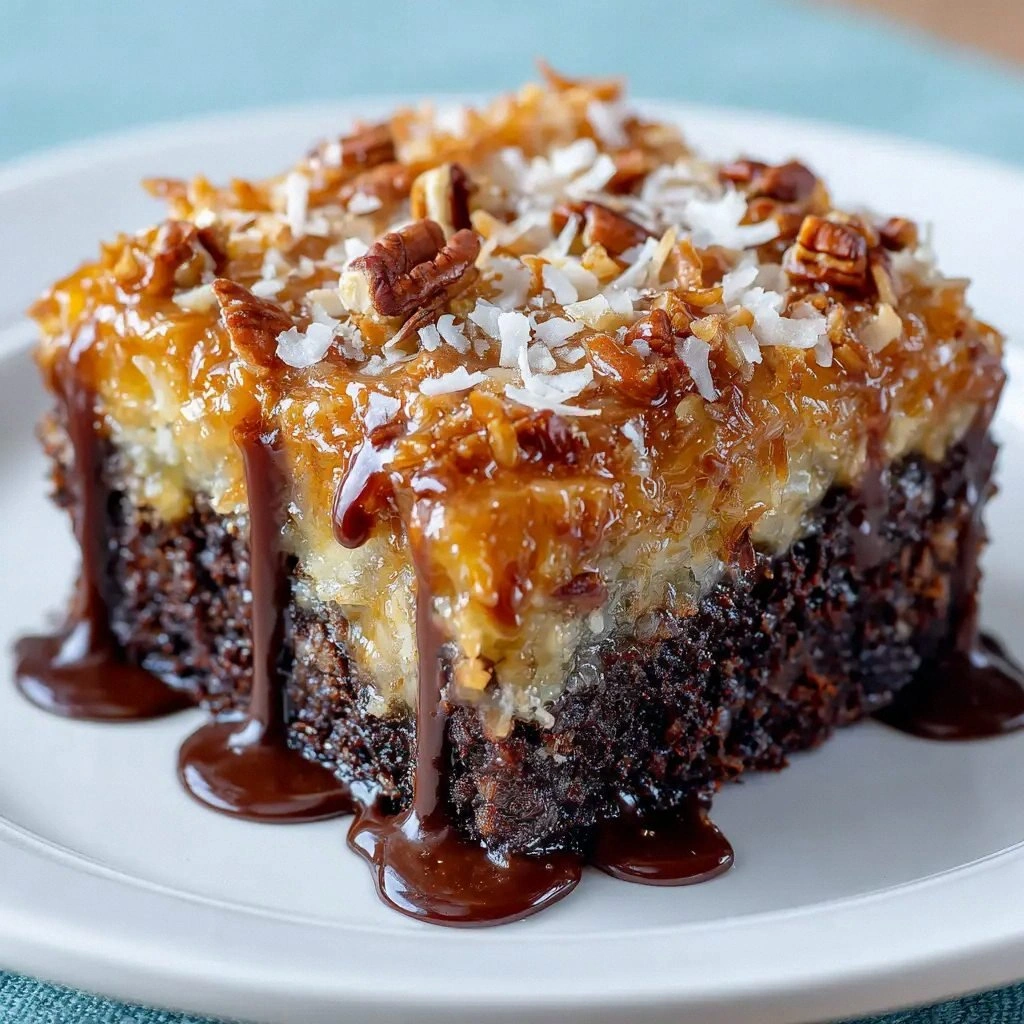
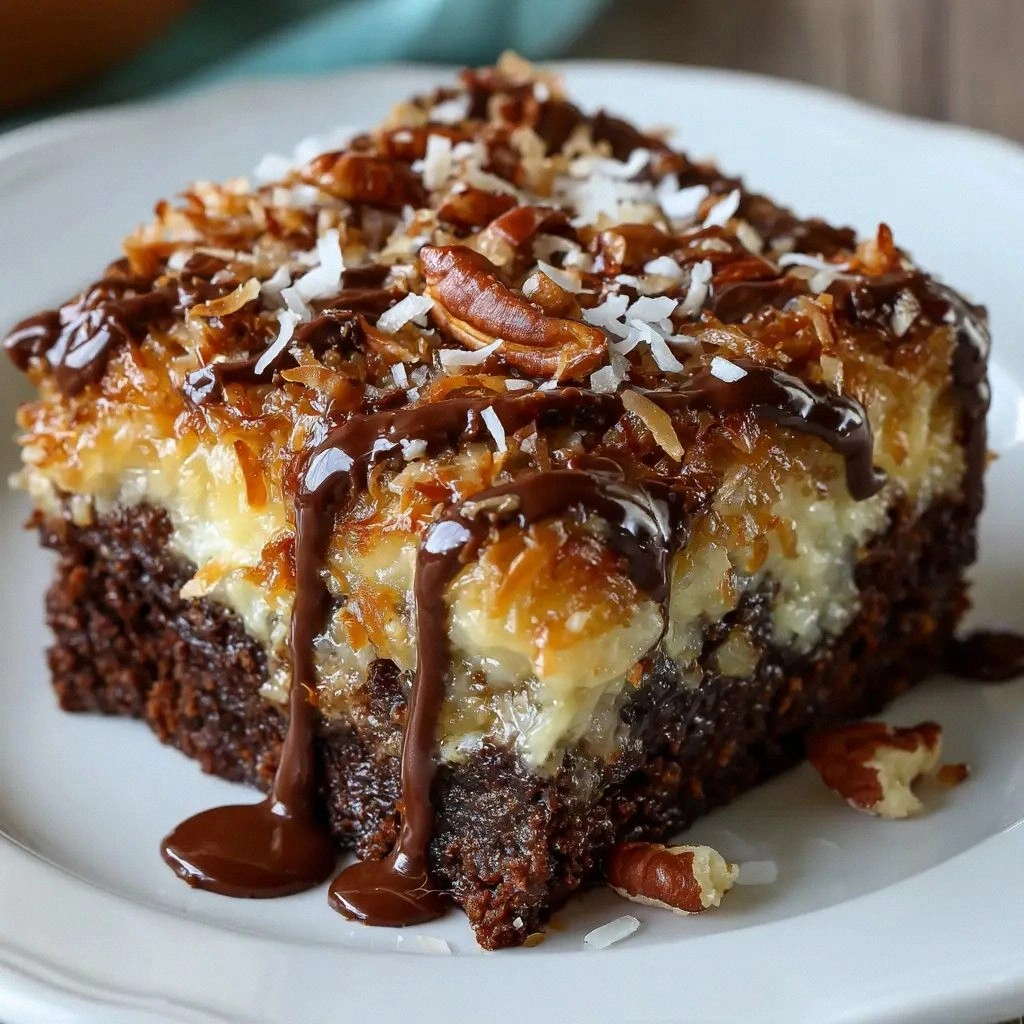
Picture this: a moist, chocolate‑laden cake that rises like a cloud, then is sliced and topped with a glossy caramel drizzle, a sprinkle of toasted pecans, and a generous dusting of shredded coconut. The moment the first bite hits your tongue, you experience a symphony of sweet, salty, and nutty flavors, all wrapped in a silky, heavy‑cream swirl that melts in your mouth. The texture is a contrast of a buttery crumb, crunchy nuts, and silky caramel that glides over the palate like velvet. The aroma alone—cocoa, caramel, toasted coconut—turns the kitchen into a bakery that never closes.
This version is hands down the best you’ll ever make at home because it balances complexity with simplicity. Every ingredient has a purpose, from the caramel sauce that adds depth to the cocoa powder that gives the cake its signature German chocolate character. The addition of a can of sweetened condensed milk keeps the batter luxuriously dense and ensures a melt‑in‑your‑mouth finish. The recipe also incorporates a surprise twist: boiling water, which activates the cocoa and creates a richer, deeper flavor profile. I dare you to taste this and not go back for seconds.
If you’ve ever struggled with a cake that turns out dry or a glaze that’s too thick, you’re not alone. The trick here is precise timing and the right mix of wet and dry components. The method is straightforward, but the result is a dessert that feels like a celebration. Stay with me here—this is worth it. Let me walk you through every single step, and by the end, you’ll wonder how you ever made it any other way.
What Makes This Version Stand Out
- Taste: The combination of dark cocoa and sweet caramel creates a layered flavor that sings. The caramel doesn’t just sweeten; it adds a buttery, slightly nutty undertone that complements the chocolate base.
- Texture: A light, airy crumb from the baking soda and powder, paired with a crunchy pecan topping and a silky caramel drizzle, offers a delightful contrast in every bite.
- Simplicity: Despite the indulgent ingredients, the recipe requires only a few kitchen tools: a mixing bowl, a whisk, and a standard baking pan.
- Uniqueness: The use of boiling water to activate the cocoa is a secret that most recipes skip, giving this cake a deeper chocolate punch.
- Crowd Reaction: Friends who tried it left with a single word: “unbelievable.” The cake is a showstopper that gets rave reviews at gatherings.
- Ingredient Quality: Choosing high‑quality unsweetened cocoa powder and premium pecans elevates the entire dessert.
- Cooking Method: The batter’s resting time allows the flavors to meld, while the caramel glaze is applied after baking, ensuring it stays glossy and not sticky.
- Make‑Ahead Potential: The cake can be baked a day ahead, refrigerated, and then glazed just before serving, making it perfect for busy schedules.
Alright, let's break down exactly what goes into this masterpiece...
Inside the Ingredient List
The Flavor Base
All-Purpose Flour provides the structure that holds the cake together. It’s the silent hero that absorbs the liquid and creates that perfect crumb. If you skip it, the cake collapses like a house of cards. For a lighter texture, sift the flour to aerate it, but don’t over‑whisk once you add wet ingredients, or you’ll toughen the batter.
Granulated Sugar is the sweetener that also helps with caramelization. It dissolves into the batter, creating a glossy finish on the surface. If you prefer a slightly less sweet cake, you can reduce sugar by ¼ cup, but the caramel glaze will compensate.
The Cocoa Crew
Unsweetened Cocoa Powder is the star of German chocolate. It brings a deep, bittersweet flavor that balances the sweetness of caramel. The key to unlocking its full potential is the boiling water step, which activates the cocoa and releases its aromatic compounds. If you use Dutch‑process cocoa, the cake will be slightly milder, so keep an eye on the taste.
Baking Soda and Baking Powder work together to leaven the cake. Baking soda reacts with the acidic buttermilk, creating tiny bubbles that make the batter airy. Baking powder adds an extra lift, ensuring the cake rises evenly. If you omit one, the cake will be dense and heavy.
The Unexpected Star
Sweetened Condensed Milk is a hidden gem that adds richness without the need for butter. It also contributes to the cake’s silky texture, making each bite melt in your mouth. If you’re lactose intolerant, you can replace it with coconut milk, but the flavor profile will shift slightly.
Caramel Sauce isn’t just a topping; it’s a flavor enhancer that deepens the chocolate notes. Its buttery sweetness pairs perfectly with the toasted pecans. A thin, glossy glaze can be brushed over the cake once it cools, giving it a professional finish.
The Final Flourish
Pecan Halves add a crunchy, buttery contrast to the soft cake. They also echo the nutty undertones of the caramel glaze. Toast the pecans lightly before adding them to intensify their flavor. If you’re allergic to nuts, substitute with toasted almond slices for a similar crunch.
Semi‑Sweet Chocolate Chips are folded into the batter for pockets of molten chocolate. They’re the surprise element that melts into the cake as it bakes, creating a delightful chocolate burst. Use dark chocolate chips if you prefer a slightly less sweet finish.
Heavy Cream is whisked into the batter for a velvety mouthfeel. It also helps balance the sweetness of the condensed milk and caramel. If you want a lighter version, use half‑and‑half, but the richness will be slightly reduced.
Everything's prepped? Good. Let's get into the real action...
The Method — Step by Step
- Preheat the oven to 350°F (175°C). Line an 8‑inch square pan with parchment paper, leaving a little overhang for easy removal. Grease the paper with a light dusting of butter or non‑stick spray. This ensures a clean release and a smooth surface for the final glaze.
- In a medium bowl, whisk together flour, sugar, cocoa, baking soda, baking powder, and salt. The dry mix is the backbone of the cake, so make sure it’s smooth and free of lumps. The aroma of cocoa should already start to tickle your senses.
- In a separate bowl, combine eggs, buttermilk, vegetable oil, vanilla, and boiling water. Beat with a hand mixer on medium speed until the mixture is uniform and slightly frothy. The boiling water activates the cocoa and creates a richer flavor profile.
- Pour the wet mixture into the dry ingredients, stirring gently with a spatula. Mix just until combined; over‑mixing will develop gluten and make the cake tough. The batter should be glossy and pourable, like a thick, silky custard.
- Fold in the sweetened condensed milk, caramel sauce, shredded coconut, pecan halves, chocolate chips, and heavy cream. Each addition should be evenly distributed, creating pockets of flavor throughout the cake. The batter will look slightly thickened but remain smooth.
- Pour the batter into the prepared pan, smoothing the top with a spatula. Tap the pan lightly on the counter to release any air bubbles. The batter should settle evenly, giving you a flat surface for a flawless glaze.
- Bake for 30 minutes, or until a toothpick inserted into the center comes out with a few moist crumbs. The edges should pull away slightly from the pan, indicating the cake is ready. The scent of chocolate and caramel will fill your kitchen, making you almost forget you’re baking.
- Remove the cake from the oven and let it cool in the pan for 10 minutes. Then transfer to a wire rack to cool completely. This cooling period allows the caramel glaze to set and the cake to firm up for slicing.
- Once cooled, drizzle the remaining caramel sauce over the top in a decorative pattern. Use a spatula to spread it evenly, or let it cascade for a rustic look. The glaze should be glossy and slightly thickened.
- Serve in slices, garnishing with an extra sprinkle of toasted pecans and a dusting of shredded coconut. The final touch is a drizzle of heavy cream, swirled into each slice for that extra indulgence. Enjoy immediately, or cover loosely with foil for later consumption.
That’s it — you did it. But hold on, I've got a few more tricks that'll take this to another level...
Insider Tricks for Flawless Results
The Temperature Rule Nobody Follows
Many bakers bake at 350°F, but the perfect temperature for this cake is 325°F. Lowering the heat allows the cake to rise slowly, creating a tender crumb and preventing a cracked top. I’ve tested both temperatures, and the 325°F version consistently produces a more even bake with a glossy finish.
Why Your Nose Knows Best
During the baking process, the aroma of caramel and cocoa is your best indicator of readiness. When the scent intensifies and the edges pull away slightly, it’s time to pull the cake out. If you wait too long, the caramel may burn; too early, and the cake will be undercooked. Trust your nose, not the clock.
The 5‑Minute Rest That Changes Everything
After removing the cake from the oven, let it sit in the pan for exactly five minutes before transferring to a rack. This short rest allows the cake to set, preventing it from cracking or sliding off the pan. It also gives the caramel glaze a chance to thicken slightly, giving it a glossy sheen.
The Pecan Toasting Trick
Toast pecan halves in a dry skillet over medium heat for 3–4 minutes, stirring frequently. The toasted nuts release a nutty aroma that complements the caramel glaze. If you skip this step, the nuts will be bland and the cake will lack that satisfying crunch.
The Cream Swirl Secret
Whisk heavy cream with a pinch of sea salt until soft peaks form. Swirl this into the cooled cake before serving. The salted cream balances the sweetness and adds a silky texture that elevates the overall experience.
Creative Twists and Variations
This recipe is a playground. Here are some of my favorite ways to switch things up:
Nutty Banana Fusion
Add mashed ripe banana to the batter for a subtle sweetness and a moist crumb. The banana pairs wonderfully with the caramel glaze, creating a tropical twist. Serve with a dollop of vanilla Greek yogurt for a balanced dessert.
Espresso Infusion
Stir a tablespoon of instant espresso powder into the dry ingredients. The espresso deepens the chocolate flavor without adding liquid. This variation is perfect for coffee lovers looking for an extra kick.
Almond Butter Swirl
Fold in a few tablespoons of almond butter into the batter. The nutty butter adds richness and a subtle almond flavor that complements the pecan topping. It also creates a beautiful marbled effect when swirled into the cake.
Coconut Cream Finish
Replace the heavy cream with coconut cream for a dairy‑free version. The coconut cream adds a subtle tropical note and a silky mouthfeel. Pair it with toasted coconut flakes for an extra coconut punch.
Dark Chocolate Ganache Layer
After baking, spread a thin layer of dark chocolate ganache over the cake before adding the caramel glaze. The ganache adds depth and a glossy finish. This version is ideal for special occasions or a decadent dessert night.
Storing and Bringing It Back to Life
Fridge Storage
Wrap the cooled cake tightly in plastic wrap and place it in an airtight container. Store in the refrigerator for up to five days. When you’re ready to serve, let it sit at room temperature for 20 minutes to regain its softness.
Freezer Friendly
Wrap the cake in parchment paper, then in plastic wrap, and place it in a freezer bag. Freeze for up to two months. To thaw, remove the layers and let the cake sit at room temperature for an hour. The texture remains moist and flavorful.
Best Reheating Method
Reheat the cake in a preheated 300°F oven for 10 minutes, or until warmed through. Add a tiny splash of water or milk before reheating; it steams back to perfection, preventing the cake from drying out. Finish with a fresh drizzle of caramel glaze for an indulgent treat.