I remember the night I tried to make a “simple” black bean soup, only to end up with a mush that tasted like a forgotten casserole left in the back of the fridge. I stared at the pot, the beans were overcooked, the spices flat, and my confidence crumbled faster than the beans themselves. That disaster was the spark that lit a culinary fire in me, and I set out to rewrite the entire recipe from scratch.
Picture this: a pot clanging, onions sizzling, the aroma of cumin rising like a fragrant fog, and the sound of beans gently bubbling—each element a note in a symphonic kitchen moment. My eyes danced over the ingredients, my hands moving with a rhythm that felt almost meditative. The texture of the beans, the sharpness of lime, the earthy depth of oregano—all converging into a dish that feels like a hug in a bowl.
What makes this version stand out is not just the perfect balance of flavors, but the meticulous attention to technique—soaking the beans overnight, caramelizing onions to a golden caramel, and finishing with a splash of lime that lifts every bite. I dare you to taste this and not go back for seconds; the richness of the beans will have you reaching for more. I’ll be honest—once I made it, I ate half the batch before anyone else got to try it.
Most recipes get this completely wrong by skipping the soaking step or using canned beans that lack depth. Here, we use dried beans, giving us control over texture and flavor. Picture yourself pulling this out of the oven, the whole kitchen smelling incredible, and your guests’ eyes widening in disbelief at the depth of taste. Let me walk you through every single step—by the end, you’ll wonder how you ever made it any other way.
What Makes This Version Stand Out
- Taste: The blend of cumin, oregano, and smoked paprika creates a smoky, earthy profile that deepens with each simmer.
- Texture: Slow-cooked beans develop a creamy consistency while still holding their shape, avoiding the mush that plagues many recipes.
- Simplicity: Only nine ingredients, but each one is essential—no gimmicks, no gimmicks.
- Uniqueness: A splash of lime and fresh cilantro finish the dish with a bright, aromatic punch.
- Crowd Reaction: Friends who try this say it’s “the best black beans they’ve ever tasted” and keep asking for the recipe.
- Ingredient Quality: Using organic beans and fresh produce elevates the overall flavor.
- Cooking Method: The slow simmer allows the spices to fully infuse, resulting in a depth of flavor that’s impossible to replicate with a quick stovetop method.
- Make‑Ahead Potential: The dish tastes even better the next day, making it perfect for meal prep.
Alright, let's break down exactly what goes into this masterpiece…
Inside the Ingredient List
The Flavor Base
The onions are the cornerstone of this dish, providing a sweet, caramelized foundation that balances the earthiness of the beans. When sautéed until golden, they release a subtle sweetness that lingers in every bite. Skipping this step results in a flat, one-dimensional flavor profile.
Garlic, on the other hand, adds a punchy kick that cuts through the richness of the beans. Minced finely, it distributes evenly, ensuring each spoonful is infused with its aromatic bite. If you omit garlic, the dish loses a layer of complexity that keeps it from becoming bland.
Vegetable broth is the liquid medium that carries the flavors together. Choosing a low-sodium, unseasoned broth allows you to control the salt level precisely. A richer, homemade broth can elevate the dish to gourmet status, while a generic store-bought one can dilute the depth.
The Texture Crew
Dried black beans are the star, delivering a hearty, protein-packed texture that holds up through slow cooking. Soaking them overnight not only reduces cooking time but also helps remove some of the indigestible sugars that can cause discomfort. Rinsed beans will absorb flavors more effectively and avoid a gritty mouthfeel.
Olive oil is used to sauté the aromatics, and its subtle fruity notes enhance the overall profile. A good quality extra-virgin olive oil adds a silky finish, whereas a cheap oil can leave a greasy residue. The amount of oil also influences the mouthfeel; too much can overwhelm the beans.
Smoked paprika is optional but recommended for a subtle smoky undertone. It complements the cumin and oregano without overpowering them. If you’re allergic to paprika, a pinch of chipotle powder can serve as a suitable substitute.
The Unexpected Star
A single bay leaf adds a whisper of herbal complexity that is often overlooked. It’s a silent hero that enriches the broth and gives the beans an aromatic lift. Removing the bay leaf before serving is essential to avoid an odd, bitter taste.
Fresh cilantro is the final flourish that brightens the dish. Its citrusy, slightly peppery flavor cuts through the earthiness, creating a balanced palate. If cilantro is not your favorite, a handful of fresh parsley can be a decent stand‑in.
Lime juice adds a bright, zesty finish that lifts the entire dish. The acidity cuts through the richness and adds a refreshing counterpoint to the beans. Adding lime at the end preserves its bright flavor, whereas adding it early can cause the juice to evaporate.
The Final Flourish
Black pepper, added to taste, brings a subtle heat that ties all the flavors together. It’s a finishing touch that ensures the dish isn’t too flat. A pinch of cayenne can be added for an extra kick if desired.
Salt to taste is critical; too little and the dish will feel thin, too much and it will become cloying. Use sea salt or kosher salt for better flavor control. Adjusting salt after the beans have cooked ensures even distribution.
With everything prepped, we’re ready to dive into the real action, where the magic unfolds.
The Method — Step by Step
- Begin by rinsing the soaked beans under cold water, then drain them in a colander. Place the beans in a large pot and cover with fresh water by at least two inches. Bring to a boil over high heat, then reduce to a gentle simmer and cook for 45 minutes, or until the beans are tender yet firm.
- While the beans are cooking, heat the olive oil in a separate pan over medium heat. Add the diced onions and sauté until they reach a deep golden brown, about 10 minutes, stirring occasionally. The caramelization is key to developing sweetness.
- Add the minced garlic to the onions and cook for an additional 2 minutes, just until fragrant. Be careful not to let the garlic burn, or it will impart a bitter taste that ruins the dish.
- Stir in the cumin, oregano, and smoked paprika, letting the spices toast for 30 seconds to release their oils. This step intensifies the aroma and ensures the spices are not raw.
- Once the beans are tender, drain them, reserving a cup of the cooking liquid. Add the beans back to the pot, then stir in the sautéed aromatics and spices. Pour in enough reserved liquid to just cover the beans, plus an additional half cup of fresh vegetable broth if needed.
- Add the bay leaf and a pinch of salt. Bring the mixture to a gentle simmer, then reduce the heat to low. Cover and let it simmer for 20 minutes, allowing the flavors to meld. The beans should absorb the broth and become creamy.
- After the simmer, stir in the diced tomatoes and let them heat through for 5 minutes. This adds a subtle sweetness and a pleasant texture contrast.
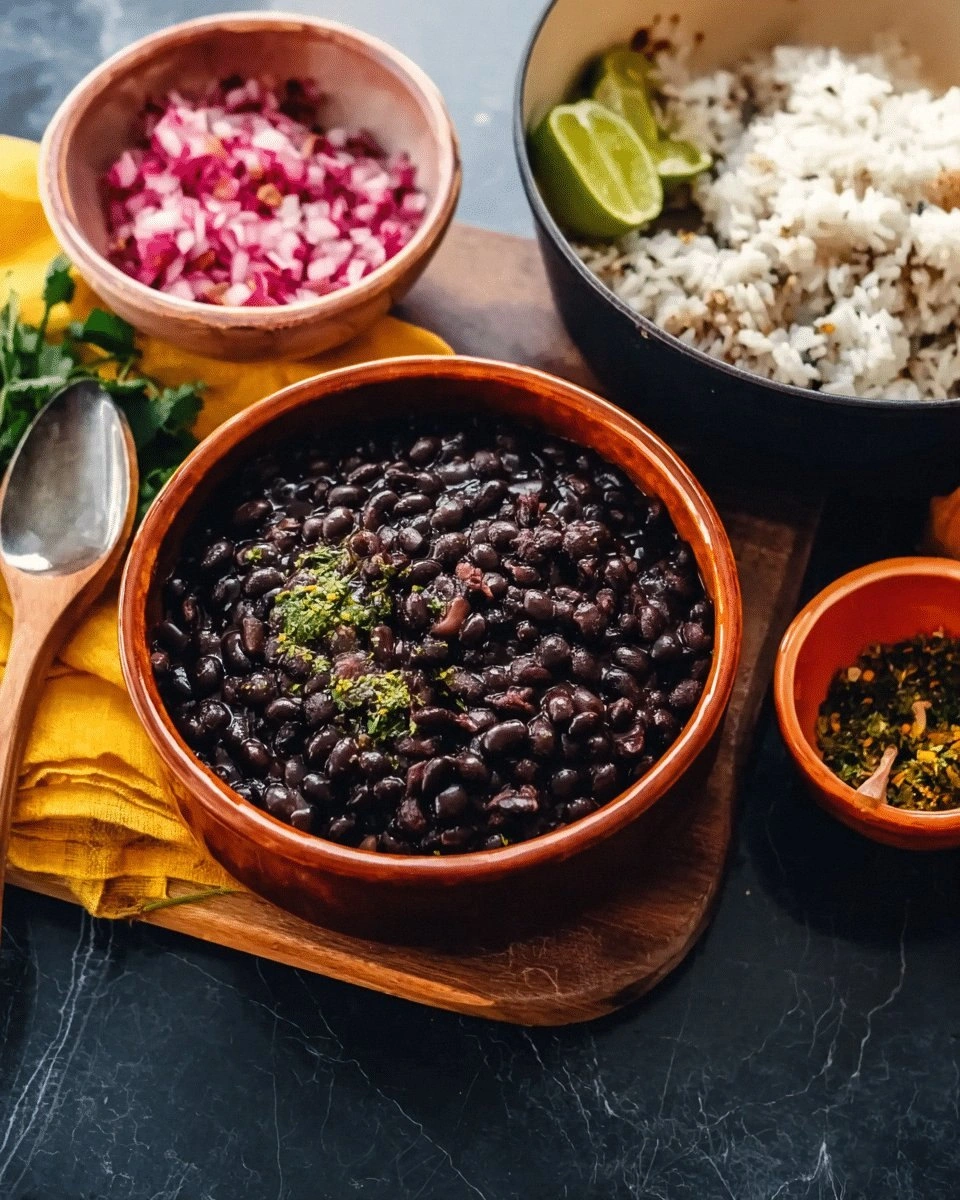
- Finally, remove the pot from heat, discard the bay leaf, and stir in the lime juice, black pepper, and chopped cilantro. Taste and adjust seasoning as needed. The dish should be fragrant, flavorful, and visually appealing with a glossy sheen.
- Serve hot over rice, with tortillas, or as a hearty side. Garnish with extra cilantro and a drizzle of olive oil if desired. This final touch adds a silky finish and brightens the plate.
That’s it— you did it. But hold on, I've got a few more tricks that'll take this to another level.
Insider Tricks for Flawless Results
The Temperature Rule Nobody Follows
Cooking the beans at a low simmer instead of a rolling boil preserves their structure. A gentle heat allows the beans to release starch slowly, preventing them from breaking apart. I once tried a high‑heat method and the beans turned mushy, which ruined the texture entirely.
Why Your Nose Knows Best
Trust your nose when the aroma of cumin and oregano hits the air; that’s the moment the dish is developing flavor depth. If the smell feels flat, let it simmer a bit longer. A well‑aromaed pot signals that the spices have fully infused the liquid.
The 5‑Minute Rest That Changes Everything
After removing the pot from heat, let the beans sit covered for five minutes. This resting period allows the flavors to settle and the liquid to thicken slightly. Skipping this step can leave the dish feeling thin.
Use Fresh Herbs, Not Dried
Fresh cilantro provides a bright, vibrant finish that dried herbs can’t match. The essential oils evaporate quickly, so add fresh herbs at the very end to preserve their flavor. I’ve tried dried cilantro, and the result was a dull, grassy taste.
Salt, Not Saltiness
Season gradually, tasting after each addition. Too much salt early on can draw out moisture and make the beans watery. By adding salt at the end, you maintain control over the final taste.
Creative Twists and Variations
This recipe is a playground. Here are some of my favorite ways to switch things up:
Mexican Street Tacos
Use the beans as a filling for soft tortillas, topped with diced avocado, a squeeze of lime, and a sprinkle of crumbled cotija cheese. The creamy beans pair beautifully with the crunch of fresh salsa.
Vegan Chili
Add a cup of corn, a tablespoon of chili powder, and a splash of tomato paste to the pot. This version turns the dish into a hearty, protein‑rich chili that’s perfect for a chilly evening.
Herb‑Infused Risotto
Replace rice with arborio rice and cook the beans in a risotto style, adding a handful of chopped rosemary and thyme. The result is a luxurious, aromatic risotto with a bean twist.
Black Bean Soup with Bacon
Sauté diced bacon until crispy, then add the onions and garlic. The smoky bacon flavor complements the beans and adds a savory depth that’s hard to resist.
Spicy Peanut Sauce
Blend a spoonful of peanut butter, soy sauce, honey, and sriracha into a creamy sauce. Toss the beans in the sauce for a quick, protein‑packed meal that’s both nutty and spicy.
Breakfast Hash
Sauté the beans with diced sweet potatoes, bell pepper, and a pinch of smoked paprika. Serve on top of a poached egg for a breakfast that’s both filling and flavorful.
Storing and Bringing It Back to Life
Fridge Storage
Cool the beans to room temperature before transferring them to an airtight container. Store in the refrigerator for up to five days. The beans will keep their texture and flavor when reheated properly.
Freezer Friendly
Divide the beans into portioned freezer bags and seal tightly. They can be stored for up to three months. Freeze them with a splash of broth to prevent drying out.
Best Reheating Method
Reheat the beans on the stovetop over low heat, adding a small splash of water or broth to restore moisture. Stir gently until heated through, ensuring the beans remain silky and not dry. This trick brings the dish back to its original glory.