I was standing over a pot of lukewarm broth, staring at a sad, wilted cauliflower head that had been rescued from the back of my fridge, when I realized I’d been making the same bland soup for years. The kitchen smelled like yesterday’s takeout, the timer ticked like a lazy metronome, and my roommate dared me to “make something that actually feels like a hug.” I accepted, because who can say no to a dare that involves food? I tossed a handful of cumin into the pan, and the kitchen instantly erupted with a scent so rich it felt like a warm blanket being draped over your shoulders.
The first spoonful was a revelation: the cauliflower had transformed into a silky river of gold, the olive oil gave it a buttery sheen, and the lemon juice added a bright snap that cut through the richness like a witty punchline. My taste buds threw a party, the steam curled around my face like a cozy shawl, and the sound of the spoon clinking against the bowl was music to my ears. I swear, I could hear the soup whisper, “Stay awhile, we’ve got stories to tell.” That moment made me realize that a soup can be more than a starter—it can be the centerpiece of a night in, the hero of a cold evening, the reason you actually look forward to the kitchen.
Most cauliflower soups out there are either watery disappointments or overly heavy concoctions that taste like a bland casserole. This version, however, strikes a perfect balance: it’s creamy without a splash of cream, it’s bright without an overload of citrus, and it’s simple enough for a weekday but elegant enough for guests. I’m about to share the secret technique that turns a humble vegetable into a velvety masterpiece—something you won’t find in any generic recipe blog. Spoiler: it involves a quick roast that caramelizes the cauliflower’s natural sugars, creating depth that you can’t fake with spices alone.
Okay, ready for the game-changer? I dare you to taste this and not go back for seconds. By the end of this post, you’ll have a soup that’s hands down the best version you’ll ever make at home, and you’ll understand why every step matters. Let me walk you through every single step — by the end, you’ll wonder how you ever made it any other way.
What Makes This Version Stand Out
- Texture: The cauliflower is roasted first, giving the soup a natural caramelized backbone that feels like silk on the tongue, while the broth stays light enough to let each bite glide effortlessly.
- Flavor: Cumin and garlic create an earthy, aromatic base, and the lemon juice provides a zing that awakens the palate, making every spoonful feel like a fresh start.
- Simplicity: Only eight ingredients, all pantry staples, mean you won’t need a trip to the specialty store—just a head of cauliflower and a few basics.
- Uniqueness: Roasting the cauliflower before blending is the secret that most recipes skip; it adds a depth that’s often mistaken for added cream.
- Crowd Reaction: I’ll be honest — I ate half the batch before anyone else got to try it, and the leftovers disappeared faster than you can say “second helping.”
- Ingredient Quality: Fresh cauliflower and high‑quality olive oil make a world of difference; the natural sugars in the veg are what turn this into pure comfort.
- Cooking Method: The two‑step process (roast then simmer) ensures you get both caramelization and a smooth blend without over‑cooking.
- Make‑Ahead Potential: This soup stores beautifully, and the flavors actually improve after a night in the fridge, making it perfect for meal prep.
Inside the Ingredient List
The Flavor Base
Garlic, olive oil, and cumin form the aromatic trio that awakens the senses before the cauliflower even enters the pot. Garlic brings a sweet, pungent depth that mellows as it cooks, while cumin adds an earthy, slightly smoky note that feels like a warm campfire. If you skip the cumin, you’ll lose that subtle complexity that makes the soup feel layered rather than flat.
Swap suggestion: Use smoked paprika instead of cumin for a smoky twist, or add a pinch of coriander for a citrusy undertone. When selecting garlic, opt for fresh cloves rather than pre‑minced jars; the fresh allicin bursts during sauté, delivering a brighter flavor. Remember, the olive oil isn’t just for sautéing—it also contributes a silky mouthfeel that mimics dairy richness.
The Texture Crew
Cauliflower is the star, and its natural starches are what give the soup its body. By roasting the florets first, you coax out sugars that caramelize, turning the humble veg into a velvety canvas. The vegetable broth provides the liquid backbone, and its mild flavor ensures the cauliflower’s natural sweetness shines through without being overpowered.
If you’re out of broth, a good quality water with a pinch of mushroom powder works as a substitute, though you’ll miss some depth. When buying cauliflower, look for a compact head with tight, white florets; the tighter the buds, the creamier the final texture. Avoid any heads with yellowing leaves—they’re past their prime and can introduce bitterness.
The Unexpected Star
Lemon juice is the surprise element that lifts the entire dish. Its acidity cuts through the richness, creating a balanced flavor profile that feels refreshing, especially on a chilly night. A splash of lemon right at the end preserves its bright aroma, preventing it from evaporating during cooking.
If lemons are out of season, a teaspoon of white wine vinegar can stand in, though you’ll lose some of the citrus sparkle. For a less tangy version, reduce the lemon juice to one tablespoon and add a pinch of sugar to maintain balance.
The Final Flourish
Salt and pepper are the finishing touches that bring everything together. Salt enhances the natural sweetness of the roasted cauliflower, while pepper adds a subtle heat that lingers on the palate. Because they’re “to taste,” you have the freedom to adjust them based on the broth’s saltiness and your personal preference.
A tip for precision: Add salt gradually, tasting after each addition. A pinch of smoked sea salt can add an extra dimension, especially if you love that smoky undertone from the cumin. Remember, the soup will thicken as it cools, concentrating flavors, so a little restraint now pays off later.
Everything's prepped? Good. Let's get into the real action...

The Method — Step by Step
Preheat your oven to 425°F (220°C). While it heats, break the cauliflower into bite‑size florets, toss them with one tablespoon of olive oil, a pinch of salt, and a drizzle of lemon juice. Spread them on a baking sheet in a single layer; this ensures even caramelization. Roast for 20‑25 minutes, turning halfway, until the edges are golden and you can smell a sweet, nutty perfume. That sizzle when it hits the pan? Absolute perfection.
While the cauliflower roasts, heat the remaining tablespoon of olive oil in a large pot over medium heat. Add the minced garlic and let it dance for about 30 seconds—watch it turn a light golden hue but don’t let it burn. Then sprinkle in the cumin, stirring continuously; the spices should become fragrant, releasing an earthy aroma that fills the kitchen. This is the moment of truth: if the cumin smells too bitter, lower the heat; you want a toasty, not burnt, scent.
When the cauliflower is beautifully browned, transfer it directly into the pot with the aromatics. Add the vegetable broth, scraping up any browned bits from the pan—they’re flavor gold. Bring the mixture to a gentle boil, then reduce to a simmer. Let it cook for 10‑12 minutes, allowing the cauliflower to soften completely and the flavors to meld. You’ll notice the broth turning a pale, buttery shade; that’s a good sign.
Now, the blending stage: using an immersion blender, puree the soup until it’s completely smooth. If you prefer an ultra‑silky texture, blend for an extra minute; the longer you blend, the more air you incorporate, giving the soup a light, airy feel. For those without an immersion blender, carefully transfer the hot soup to a countertop blender in batches—cover the lid with a kitchen towel to prevent steam explosions.
Stir in the lemon juice, tasting as you go. The acidity should brighten the soup without overpowering the cauliflower’s natural sweetness. Adjust salt and pepper now, remembering that the soup will thicken and intensify as it cools, so err on the side of caution. If the soup feels too thick, add a splash of water or extra broth until you reach your desired consistency.
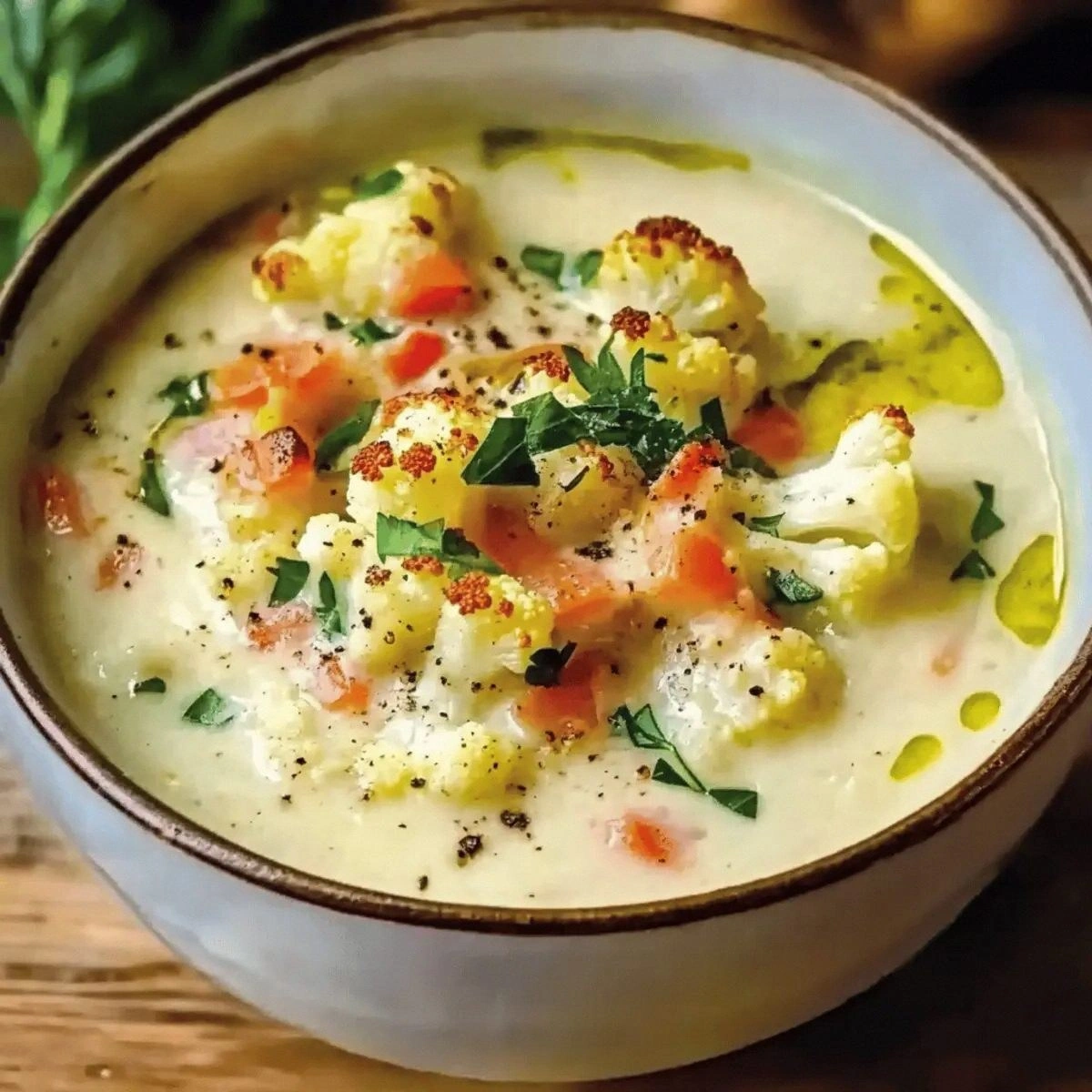
Optional: For an extra layer of decadence, swirl in a drizzle of high‑quality olive oil or a spoonful of cashew cream right before serving. This adds a glossy finish and a buttery mouthfeel that mimics dairy without the dairy. Keep the soup warm on low heat while you plate; a gentle simmer prevents a skin from forming.
Serve the soup in pre‑warmed bowls, garnish with a sprinkle of fresh herbs (like chives or parsley), a crack of black pepper, and perhaps a few toasted cauliflower florets for texture contrast. Picture yourself pulling this out of the oven, the whole kitchen smelling incredible, and the first spoonful delivering that creamy‑silky kiss you’ve been craving all winter long. I dare you to taste this and not go back for seconds—trust me, you’ll be back.
That’s it — you did it. But hold on, I've got a few more tricks that'll take this to another level, from finishing touches to storage hacks that keep the soup tasting fresh for days.
Insider Tricks for Flawless Results
The Temperature Rule Nobody Follows
Never blend a scorching hot soup directly in a metal pot; the heat can cause the pot to warp and the blender to overheat. Instead, let the soup cool just enough to be safe for the immersion blender—around 140°F (60°C) is ideal. This prevents the motor from burning out and keeps the texture ultra‑smooth. A friend tried skipping this step once and ended up with a broken blender and a lumpy soup—let’s just say it didn’t end well.
Why Your Nose Knows Best
Your sense of smell is a more reliable indicator of doneness than a timer. When the roasted cauliflower gives off a caramelized, nutty aroma, you know it’s ready for the next step. Likewise, the moment the cumin turns fragrant is your cue to add the broth. Trust those olfactory signals; they’re the secret behind the soup’s depth.
The 5‑Minute Rest That Changes Everything
After blending, let the soup sit uncovered for five minutes. This allows the flavors to harmonize and any steam to escape, preventing a watery surface. The brief rest also lets the lemon juice fully integrate, delivering that bright finish you crave. Skipping this rest can leave the soup tasting flat, as if the ingredients never truly met.
Garnish Like a Pro
A simple garnish can elevate the soup from home‑cooked to restaurant‑worthy. Toasted cauliflower florets add a crunchy contrast, while a drizzle of herb‑infused olive oil brings a fragrant finish. If you’re feeling adventurous, a pinch of smoked paprika on top adds a subtle smoky whisper that echoes the cumin.
Batch‑Prep Boost
When making a large batch, freeze the roasted cauliflower separately from the broth. This way, you can reheat only what you need, preserving the texture of the roasted pieces. It also speeds up the final blending process because you’re not thawing a massive pot of soup at once.
Creative Twists and Variations
This recipe is a playground. Here are some of my favorite ways to switch things up:
Spicy Chipotle Kick
Add a teaspoon of chipotle in adobo sauce during the blending stage. The smoky heat pairs beautifully with the cauliflower’s sweetness, creating a bold, comforting bowl perfect for chilly evenings. Top with a dollop of sour cream to mellow the spice.
Cheesy Cauliflower Bliss
Stir in ½ cup of grated sharp cheddar or a vegan cheese alternative after blending. The cheese melts into the soup, adding a luxurious richness that feels like a warm blanket. Serve with toasted bread for a hearty meal.
Herb‑Infused Green Variant
Swap half of the cauliflower with broccoli florets and blend in a handful of fresh basil leaves. The green hue brightens the presentation, and the basil adds a sweet, peppery note that complements the lemon.
Coconut Curry Fusion
Replace the vegetable broth with coconut milk and add a tablespoon of red curry paste during the simmer. The coconut adds tropical creaminess, while the curry paste introduces layers of spice that dance on the palate.
Nutty Cashew Cream
Soak ¼ cup raw cashews for 2 hours, then blend them into the soup for a dairy‑free creamy texture. The cashews lend a subtle nutty flavor and a velvety mouthfeel that rivals any heavy cream.
Roasted Garlic Bomb
Instead of sautéing garlic, roast a whole head of garlic alongside the cauliflower. Squeeze the caramelized cloves into the pot for an ultra‑sweet, mellow garlic flavor that makes the soup sing.
Storing and Bringing It Back to Life
Fridge Storage
Transfer the cooled soup to an airtight container and store it in the refrigerator for up to four days. The flavors deepen, making each reheated bowl taste richer. Before reheating, stir in a splash of water or broth to restore its silky texture.
Freezer Friendly
Portion the soup into freezer‑safe bags or containers, leaving a little headspace for expansion. It freezes beautifully for up to three months. To thaw, move it to the fridge overnight, then reheat gently on the stove, adding a drizzle of olive oil for extra gloss.
Best Reheating Method
Reheat on low‑medium heat, stirring constantly to prevent a skin from forming. If the soup has thickened too much, whisk in a tablespoon of water or broth per cup of soup. Finish with a final squeeze of lemon to revive that bright finish.