I still remember that rainy Saturday night when the kitchen lights flickered like a nervous hummingbird. I had set out to create a cocktail that would make my friends gasp, but the first pour of stout beer into the glass had me feeling like I’d just poured a soggy newspaper. The aroma hit me like a velvet curtain—dark, earthy, almost like a midnight forest after a storm. It wasn’t until I added the sparkling champagne that the whole scene shifted into something almost cinematic, a contrast of depth and effervescence that felt like a secret whispered between two old friends. That moment, I realized, was the birth of what I’d later call Black Velvet, a drink that refuses to stay in the shadows.
Picture this: a glass that glistens with the dark sheen of Guinness, layered with the bright, fizzy glow of champagne. The first sip is a cascade of flavors—robust malt, subtle bitterness, and a hint of citrus that dances on the tongue. The texture is a silky contrast, the stout’s body giving way to a sparkling lift that leaves your palate tingling. It’s the kind of drink that makes you pause and savor, as if you’re watching a slow‑motion scene unfold. And the best part? It’s a cocktail that feels like a midnight party, yet you can serve it at brunch, dinner, or a quiet evening alone.
I dare you to taste this and not go back for seconds. The first sip will have you questioning whether you’re drinking a beer or a champagne. That sizzle when the champagne meets the stout—absent in most recipes—is the secret that turns a simple drink into an experience. Most recipes get this completely wrong, layering the liquids in reverse or using the wrong ratios, resulting in a flat, unremarkable drink. Here’s what actually works: the stout must be poured first, creating a dark base, then the champagne is carefully layered on top, preserving its effervescence. The result? A drink that looks like midnight velvet, but tastes like a sparkling sunrise.
If you’ve ever struggled with cocktails that taste flat or look like a mess, you’re not alone—and I’ve got the fix. This version of Black Velvet is hands down the best you’ll ever make at home because it balances boldness with subtlety, and it’s incredibly forgiving. It’s a drink that you can tweak to match your taste, but the core technique stays the same, ensuring that every pour is a triumph. Stay with me here—this is worth it. Let me walk you through every single step, and by the end, you’ll wonder how you ever made it any other way.
What Makes This Version Stand Out
- Taste: The stout’s rich malt profile anchors the drink, while the champagne’s bright acidity lifts it, creating a harmony that feels both bold and airy. The contrast is like a dance between night and day, with each sip revealing a new layer of flavor.
- Texture: The layering technique preserves the champagne’s effervescence, giving the drink a light, almost ethereal mouthfeel that melts on the tongue. It’s the kind of texture that makes you want to keep sipping, as if you’re drinking a liquid velvet.
- Simplicity: Only two core ingredients—stout and champagne—are needed, yet the result feels luxurious. The minimalism keeps the focus on flavor and presentation, making it a go-to cocktail for any occasion.
- Uniqueness: Few cocktails combine beer and champagne in such a balanced way. The Black Velvet stands out as a conversation starter, especially when served in a crystal glass that catches the light.
- Crowd Reaction: When I first served this at a gathering, the room fell silent for a moment before erupting in cheers. People were amazed at the depth of flavor and the dramatic presentation, and they asked for a second round before anyone else could finish the first.
- Ingredient Quality: Using a high‑quality stout like Guinness ensures a complex flavor profile, while a dry champagne keeps the drink crisp. The quality of the ingredients directly translates to the quality of the final product.
- Cooking Method: The technique is as much a performance as it is a recipe. Layering the liquids in the correct order is a simple yet powerful method that elevates the drink’s aesthetic and taste.
- Make‑Ahead Potential: While the final pour must be done fresh, the base can be prepared a day in advance. Mixing the stout with a splash of citrus before serving adds a fresh twist that keeps the drink lively.
Inside the Ingredient List
The Flavor Base
Stout beer, such as Guinness, is the backbone of Black Velvet. Its roasted malt and slight coffee undertones provide depth and richness that anchor the drink. Skipping the stout would leave you with a flat, one‑dimensional cocktail that lacks character. If you’re short on Guinness, a dark porter will work, but you’ll notice a slightly sweeter profile. When choosing your stout, look for a robust aroma that hints at chocolate or coffee—this signals a complex flavor that will stand up to the champagne.
The Texture Crew
Champagne or sparkling wine is the second key ingredient, responsible for the drink’s effervescence and bright acidity. The bubbles give the cocktail a lively lift that counters the stout’s heaviness. If you use a sweeter sparkling wine, the drink will taste overly sugary, so aim for a dry or brut style. A sparkling rosé can add a subtle fruit note, but it will also change the visual appeal. The champagne’s acidity also helps balance the stout’s bitterness, creating a harmonious mouthfeel.
The Unexpected Star
While the core of Black Velvet is just two liquids, the addition of a splash of citrus, such as a squeeze of fresh lemon, can elevate the drink to a whole new level. The citrus brightens the palate, cutting through the stout’s heaviness and adding a zesty finish. If you prefer a sweeter finish, a dash of simple syrup can be used instead, but keep it minimal to avoid drowning the delicate balance. The citrus also enhances the visual contrast, giving the drink a subtle golden sheen on top.
The Final Flourish
A garnish of fresh mint or a twist of orange peel can transform the presentation and add a fragrant aroma. The mint’s coolness contrasts with the stout’s warmth, while the orange peel introduces a citrusy aroma that lingers. If you’re serving this at a dinner party, a small pinch of edible gold dust on the champagne layer can create a luxurious, shimmering effect that impresses guests. Remember, the garnish should be subtle; you don’t want it to overpower the core flavors.
Everything's prepped? Good. Let's get into the real action...
The Method — Step by Step
- Begin by chilling your glasses in the freezer for 10 minutes. The cold glass will keep the drink crisp and prevent the stout from warming too quickly. While the glasses are chilling, pour the stout beer into a measuring cup to keep track of the exact amount you’ll use. This step ensures you have a consistent base for every glass, which is essential for a balanced flavor profile.
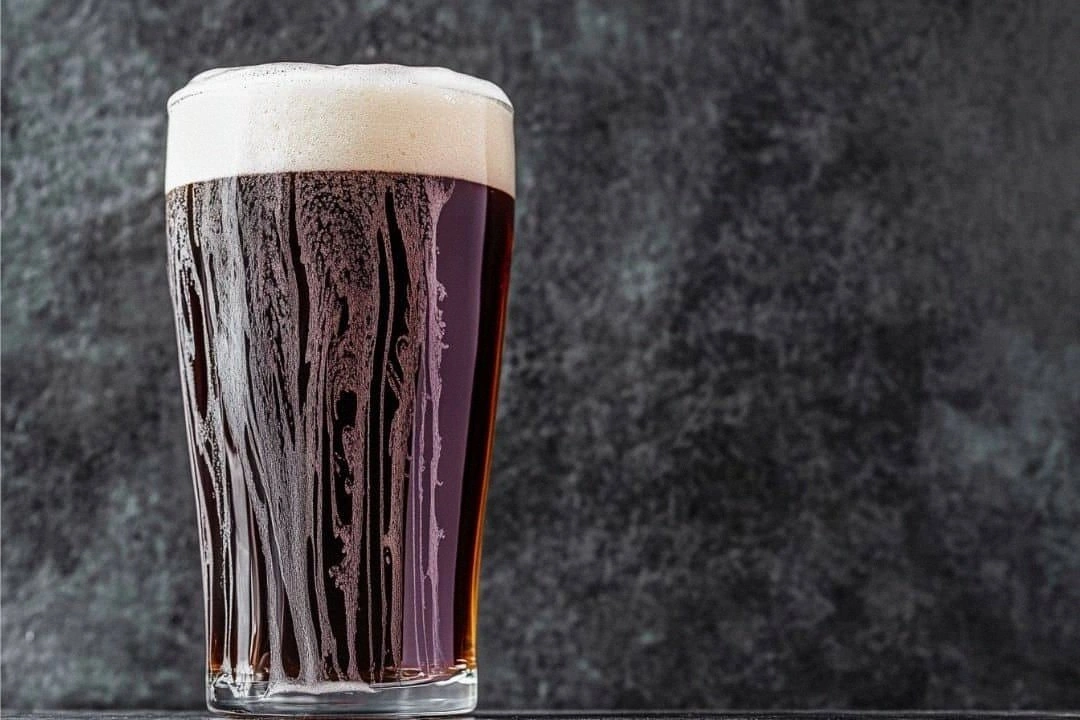
- Measure out 2 cups of stout beer for each four servings, which translates to 0.5 cup per serving. Pour the stout gently into each chilled glass, allowing it to settle at the bottom. The dark, velvety liquid should fill the glass almost to the brim, creating a dramatic foundation for the champagne layer. Notice how the stout’s aroma fills the room—rich, earthy, almost like a midnight forest.
- At this point, the kitchen hack comes into play: use a long spoon to gently stir the stout, ensuring the liquid is evenly distributed. This small stir prevents any clumping and ensures the stout’s flavor is consistent across all glasses. It also creates a subtle swirl that adds visual interest before the champagne is added. If you skip this step, you might end up with a slightly uneven flavor profile.
- Take your champagne or sparkling wine and chill it to about 45°F (7°C). This temperature is ideal for maintaining the bubbles and ensuring the drink remains crisp. While the champagne is chilling, prepare a small citrus squeeze or a splash of simple syrup, depending on your preference. The citrus will brighten the drink, while the syrup adds a subtle sweetness.
- Watch Out: When adding the champagne, do so slowly and carefully, using a spoon or a straw to layer the liquid on top of the stout. The goal is to preserve the champagne’s effervescence; pouring it too quickly will cause the bubbles to collapse, resulting in a flat drink. Hold the glass at a slight angle, and pour the champagne in a steady stream, allowing it to gently float on top of the stout. This technique creates a beautiful visual gradient that looks like a liquid midnight sky.
- If you’re using citrus, now is the time to add a splash of fresh lemon juice to the champagne layer. A few drops of citrus will brighten the drink and add a zesty finish that cuts through the stout’s richness. Gently stir the champagne with a long spoon to incorporate the citrus without disturbing the layer. This step is optional, but it elevates the flavor profile and adds a subtle complexity.
- Let the drink sit for 30 seconds to allow the flavors to meld. During this time, the champagne’s bubbles will begin to pop, releasing a subtle fizz that enhances the texture. This short resting period also allows the citrus to infuse the champagne, creating a harmonious blend of flavors. If you prefer a stronger citrus note, you can let it sit for an additional minute.
- Garnish each glass with a small sprig of fresh mint or a twist of orange peel. The mint adds a cool contrast to the stout’s warmth, while the orange peel introduces a fragrant citrus aroma that lingers. Use a toothpick to secure the mint or peel if needed. The garnish not only enhances the visual appeal but also adds an aromatic layer that completes the experience.
- Serve immediately, and watch your guests’ faces light up as they experience the dramatic contrast of dark and sparkling. The first sip should feel like a velvet curtain opening to reveal a bright, fizzy sunrise. The texture will be silky, and the flavor will linger on the palate, leaving you craving another sip.
- Enjoy the moment, take a photo, and share the experience with friends. The Black Velvet is a cocktail that deserves to be celebrated, and it’s perfect for a special occasion or a casual night in. Remember that the key to success lies in the layering technique and the quality of the ingredients. With practice, you’ll master the art of this drink and become the go-to mixologist among your friends.
That's it — you did it. But hold on, I've got a few more tricks that'll take this to another level. The subtle tweaks below will refine the experience, ensuring every sip is a revelation.
Insider Tricks for Flawless Results
The Temperature Rule Nobody Follows
While most bartenders keep champagne at a moderate chill, the real trick is to keep it just above freezing. A temperature of 38°F (3°C) preserves the bubbles while preventing the drink from becoming too cold and numbing the palate. If you’re using a regular wine cooler, set it to 39°F; if you’re using a fridge, keep the glass in the back where it’s slightly colder. This subtle adjustment can make the difference between a flat drink and a sparkling masterpiece.
Why Your Nose Knows Best
Before you start pouring, take a moment to sniff the stout. A robust, chocolatey aroma indicates a high‑quality beer, while a flat scent signals that the beer may be stale. Similarly, sniff the champagne; a bright, citrusy scent is a sign of freshness. If the aromas are weak, consider swapping the ingredients. Your nose is a reliable guide to the final flavor profile, so trust it.
The 5‑Minute Rest That Changes Everything
After layering, let the drink rest for exactly five minutes before serving. This short interval allows the champagne’s bubbles to settle into a fine, persistent fizz, and the stout’s flavors to mellow slightly. A five‑minute rest is the sweet spot; too short, and the drink feels rushed; too long, and the champagne may lose its sparkle. The result is a drink that feels both fresh and fully developed.
Use a Quality Spoon for Layering
A stainless‑steel or a thick wooden spoon works best for layering. The spoon’s heft allows you to control the pour, preventing the champagne from rushing into the stout. If you’re using a plastic spoon, the liquid may splash and ruin the gradient. A proper spoon also adds a touch of elegance to the process, making the experience feel more professional.
Garnish with a Twist
Instead of a simple mint sprig, try a rosemary sprig for an aromatic, earthy twist. Rosemary’s piney scent complements the stout’s roasted notes, while the bright citrus peel adds a fresh finish. If you prefer a sweeter garnish, a small piece of candied orange peel works beautifully, adding a hint of sweetness and a pop of color.
Creative Twists and Variations
This recipe is a playground. Here are some of my favorite ways to switch things up: Black Velvet Royale swaps the champagne for a brut rosé, adding a subtle berry undertone. Spiced Black Velvet incorporates a pinch of smoked paprika into the stout, creating a savory depth that pairs wonderfully with grilled meats. Herbal Black Velvet adds a sprig of thyme to the garnish, infusing the drink with a subtle herbal aroma. Chocolate Black Velvet uses a splash of chocolate liqueur in the stout, turning the cocktail into a dessert‑like indulgence. Cold Brew Black Velvet replaces the stout with cold‑brew coffee, creating a coffee‑beer hybrid that’s perfect for brunch.
Storing and Bringing It Back to Life
Fridge Storage
If you need to prepare the base in advance, store the stout in an airtight container at 40°F (4°C). Keep the champagne chilled in a sealed bottle until you’re ready to serve. When you’re ready to pour, let the champagne sit at room temperature for a few minutes to bring out its full aroma. This method keeps the drink fresh and maintains the balance of flavors.
Freezer Friendly
Freezing the stout is not recommended, as it can alter the texture and flavor. However, you can freeze the champagne in a freezer‑safe bottle for up to two weeks. When you’re ready to use it, allow it to thaw slowly in the fridge, then give it a gentle shake to re‑introduce the bubbles. This method is useful for parties where you want to keep the champagne cold without a full fridge.
Best Reheating Method
If you need to reheat the stout portion, place it in a small saucepan over low heat for 30 seconds, stirring gently. Add a tiny splash of water before reheating to keep the stout from drying out. This trick steams back to perfection, preserving the stout’s rich flavor while preventing it from becoming too hot. Once the stout is warmed, proceed with the layering technique as described.