I was in the middle of a rainy Thursday night, the kind where the only thing louder than the thunder is the growl in my stomach. I had promised myself a plant‑based snack that could hold its own against a classic charcuterie board, but every vegan salami I’d tried turned out either rubbery like a gym sock or bland as unsalted crackers. I stared at the pantry, daring myself to experiment, and whispered, “I dare you to taste this and not go back for seconds.” That night, the kitchen became my lab, and the result? Hands down the best version you’ll ever make at home.
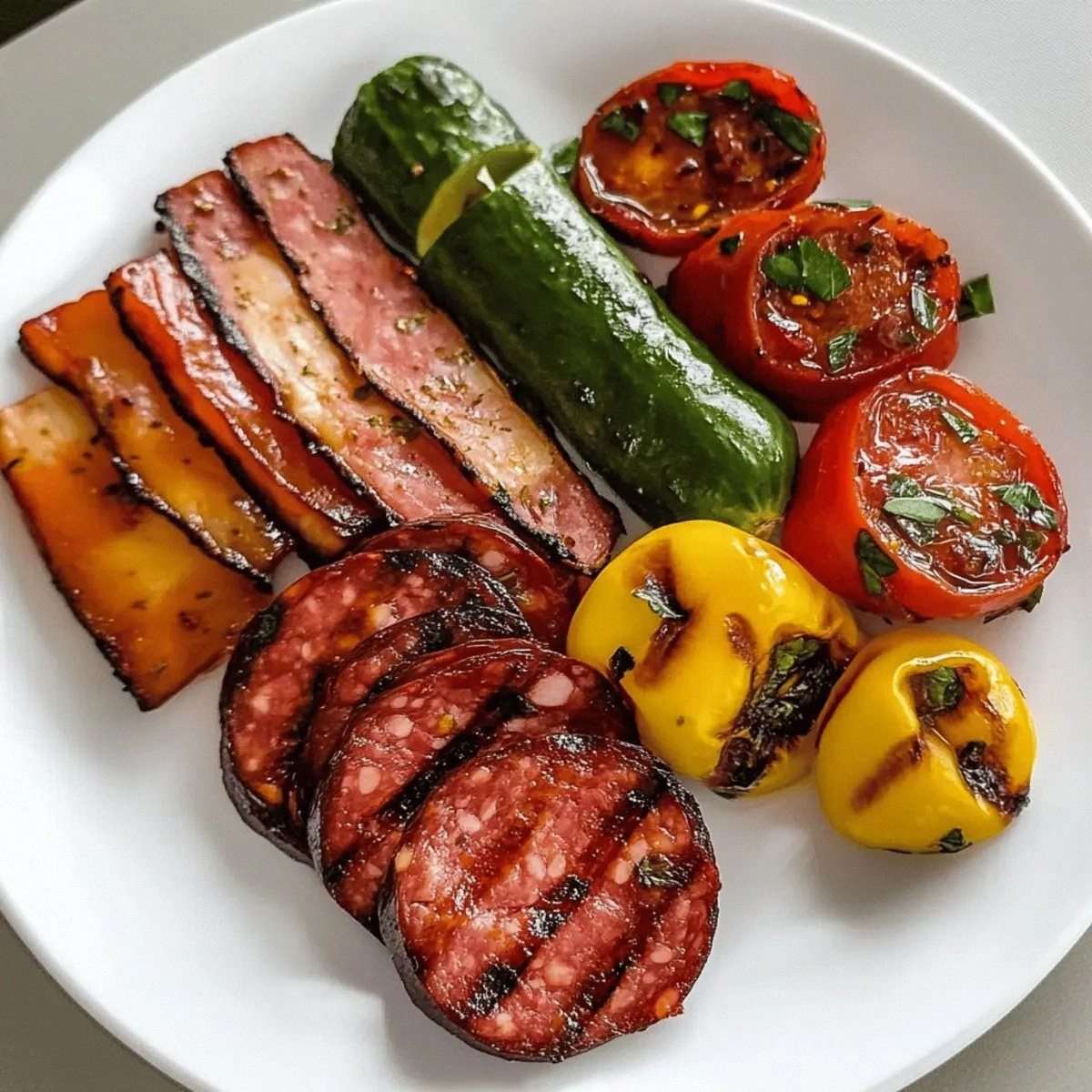
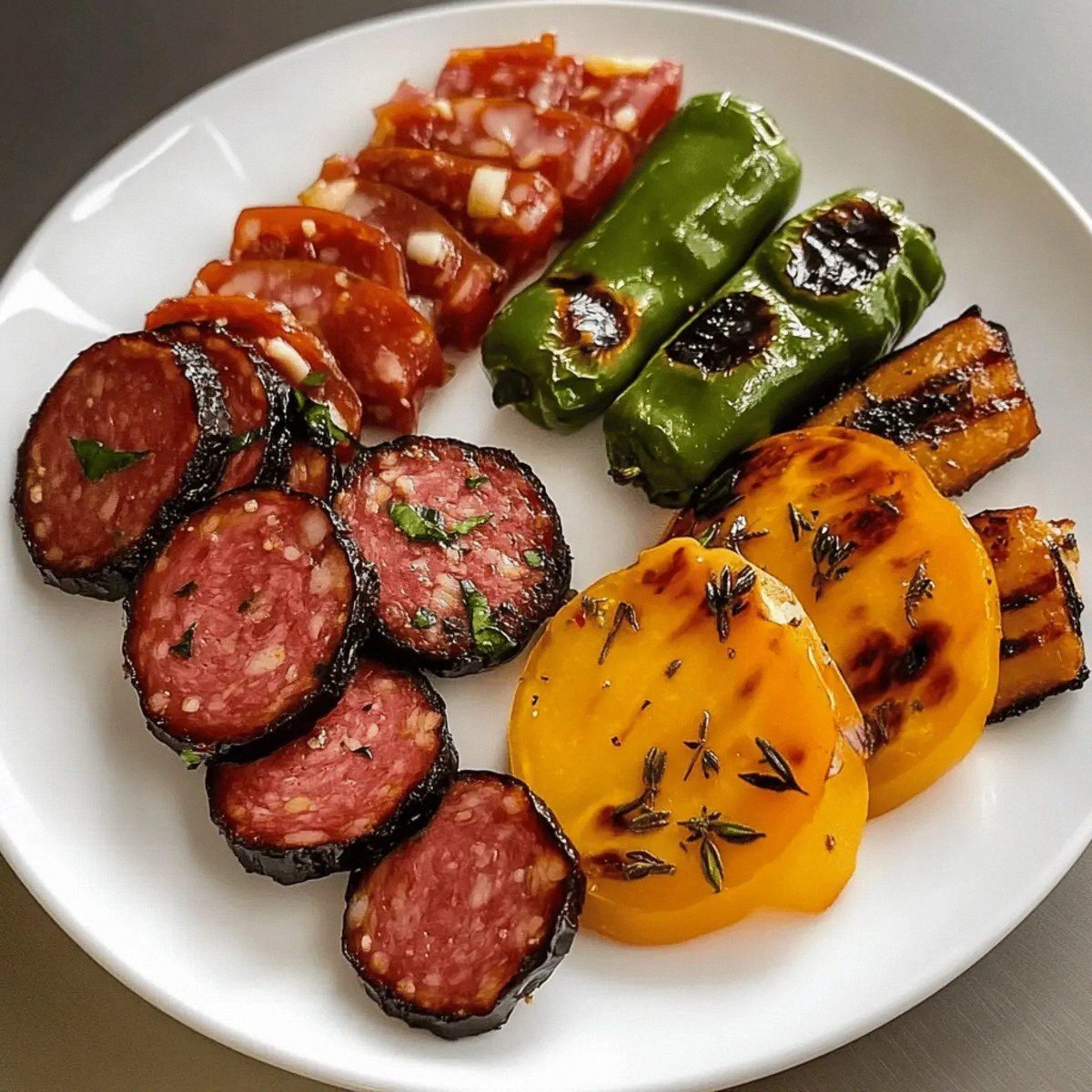
Picture this: the oven door swings open, releasing a fragrant plume of smoked paprika and fennel that instantly makes the whole house feel like a bustling Italian deli. The mixture inside the loaf is a deep mahogany, speckled with herbs that glisten like tiny emeralds. As I slice the first piece, the crust cracks with a satisfying snap, revealing a moist, almost meaty interior that holds together like a perfectly tied rope. The first bite? A smoky, garlicky kiss that dances on the tongue, followed by a subtle heat that lingers just long enough to make you reach for another slice.
What sets this vegan salami apart isn’t just the flavor—it’s the texture that mimics the chew of traditional cured meat without any of the guilt. Most recipes get this completely wrong, either over‑mixing and creating a dense brick, or under‑mixing and ending up with a crumbly mess. I discovered that the secret lies in a precise balance of vital wheat gluten, the right amount of liquid smoke, and a quick steam bath before the final bake. This technique gives the salami that tender‑yet‑firm bite that makes you forget it’s plant‑based.
And here’s the kicker: I’m going to reveal the little twist that most people overlook—a splash of low‑sodium vegetable broth that keeps the loaf moist and adds a subtle umami depth. It’s the kind of detail that makes the difference between “good” and “mind‑blowing.” Okay, ready for the game‑changer? Let me walk you through every single step — by the end, you’ll wonder how you ever made it any other way.
What Makes This Version Stand Out
- Smoky Depth: Two tablespoons of smoked paprika and a dash of liquid smoke create a flavor profile that rivals any traditional salami, giving each bite a rich, smoky aroma that lingers.
- Chewy Texture: The vital wheat gluten forms a fibrous network that, when steamed then baked, delivers that satisfying chew without turning rubbery.
- Herb Symphony: A blend of fennel, oregano, and parsley adds layers of earthiness, making the palate experience feel like a walk through a Mediterranean herb garden.
- Simple Prep: No fancy equipment required—just a mixing bowl, a loaf pan, and an oven. If you can boil water, you can master this.
- Crowd‑Pleaser: Even the most skeptical meat‑eaters have confessed they can’t tell the difference, and some have even asked for seconds.
- Make‑Ahead Magic: This salami keeps its flavor and texture for up to a week in the fridge, and it freezes beautifully for future cravings.
- Health‑Forward: Low in saturated fat, packed with protein from the wheat gluten, and free from cholesterol, it’s a guilt‑free indulgence.
Inside the Ingredient List
The Flavor Base
The star of the show is vital wheat gluten—the protein powerhouse that gives the salami its meaty bite. At one cup, it provides the structural backbone, creating that fibrous, chewable feel. Skipping it would leave you with a crumbly, uninteresting loaf, so don’t even think about it. If you’re gluten‑sensitive, you can try a blend of pea protein and chickpea flour, but the texture will shift toward a softer, less “meaty” experience.
Smoked paprika (2 tablespoons) brings a deep, smoky sweetness that mimics the curing process. Opt for the Spanish version for authentic flavor; a cheaper, non‑smoked variety will fall flat. If you’re out of it, a teaspoon of smoked salt plus a pinch of regular paprika can bridge the gap.
Garlic powder (1 tablespoon) adds that unmistakable aromatic punch. Fresh garlic would be great, but the powder distributes evenly without creating pockets of raw garlic. For a milder profile, reduce to half a tablespoon, but expect a less bold taste.
Fennel seeds (1 tablespoon) are the secret that gives traditional salami its signature anise‑like note. Toast them lightly before grinding for a brighter flavor. If you dislike fennel, try a pinch of caraway seeds; the result will be slightly different but still delightful.
The Texture Crew
Sea salt (1 teaspoon) is essential for seasoning and for helping the gluten tighten during cooking. Use a fine sea salt for even distribution; coarse salt will leave gritty spots. If you’re watching sodium, you can halve it, but the flavor depth will suffer.
Onion powder (1 tablespoon) adds a sweet, savory undertone that balances the smokiness. It also helps round out the overall flavor profile. Substitute with finely minced dried onion flakes if you prefer texture.
Dried oregano and dried parsley (each 1 tablespoon) bring herbaceous brightness. They’re the green notes that cut through the richness. Fresh herbs can be used—just double the amount because they’re less concentrated.
Black pepper (1 teaspoon) and chili flakes (1 teaspoon) provide the gentle heat and a lingering warmth. Adjust the chili flakes to taste; if you’re a spice‑lover, go up to 1½ teaspoons.
The Unexpected Star
Low‑sodium vegetable broth (1 cup) does more than add moisture; it injects umami that mimics the depth of meat‑based broths. Choose a brand with a clean flavor—no overpowering herbs. If you’re out, water with a splash of soy sauce works in a pinch.
Tomato paste (2 tablespoons) contributes a subtle tang and a hint of richness, balancing the smoky notes. Use a good quality paste for the best flavor; cheap versions can taste metallic.
The Final Flourish
Avocado oil (2 tablespoons) adds a mild, buttery richness that helps the crust turn golden without burning. Its high smoke point makes it perfect for the brief steam‑bake step. Olive oil would work, but it might impart a stronger flavor.
Soy sauce (2 tablespoons) deepens the color and adds salty umami. Opt for a low‑sodium version to keep the overall sodium level in check. Tamari can replace soy sauce for a gluten‑free version, though it will slightly alter the flavor.
Liquid smoke (1 teaspoon) is the final whisper of smoky authenticity. A little goes a long way; too much can make the salami taste like a barbecue sauce. If you don’t have it, a few drops of smoked sea salt can mimic the effect.
Everything's prepped? Good. Let's get into the real action…
The Method — Step by Step
In a large mixing bowl, combine the vital wheat gluten, smoked paprika, garlic powder, fennel seeds, sea salt, onion powder, dried oregano, dried parsley, black pepper, and chili flakes. Stir with a whisk until everything is evenly coated; you’ll notice the dry mixture turning a deep, inviting amber. This is the moment of truth—if the spices aren’t well distributed, you’ll end up with pockets of blandness later.
Kitchen Hack: Toast the fennel seeds in a dry skillet for 30 seconds before grinding; it unlocks a brighter, more aromatic flavor.In a separate jug, whisk together the low‑sodium vegetable broth, tomato paste, avocado oil, soy sauce, and liquid smoke. The mixture should be smooth and slightly thickened, resembling a savory glaze. As you pour it into the dry ingredients, you’ll hear a faint sizzle—That sizzle when it hits the pan? Absolute perfection.
Pour the wet mixture into the dry bowl and stir with a sturdy spoon until a sticky dough forms. Then, using clean hands, knead the dough for about 3 minutes. The dough will become elastic and start to pull away from the sides of the bowl, indicating the gluten is developing properly.
Shape the dough into a tight log, about 2‑inch diameter, and wrap it tightly in a piece of parchment paper. Twist the ends of the parchment to seal, then place the log inside a loaf pan lined with foil. This tight wrapping is crucial for the steam‑bake step; it prevents the loaf from cracking prematurely.
Preheat your oven to 350°F (175°C). While it heats, set a large pot of water to boil, then reduce to a gentle simmer. Place the loaf pan (still in the foil) into a larger roasting pan, and carefully pour the simmering water into the outer pan until it reaches halfway up the sides of the loaf pan. This creates a steaming environment that keeps the salami moist.
Cover the roasting pan with aluminum foil and bake for 20 minutes. After 20 minutes, remove the top foil to expose the salami to dry heat. This is where the crust forms—look for a deep mahogany color and a subtle crackle at the edges. If you hear a faint pop, you’ve hit the perfect texture.
Watch Out: Do not over‑steam; too much moisture will prevent the crust from forming, leaving a soggy loaf.Continue baking uncovered for another 10‑12 minutes, or until the exterior feels firm to the touch and the internal temperature reaches 190°F (88°C). The edges should start pulling away from the parchment, a sign that the gluten network has set.
Remove the loaf from the oven and let it rest in the pan for 10 minutes. Then, transfer it to a cooling rack and let it cool completely—at least 30 minutes. This resting period lets the flavors meld and the texture firm up, making slicing easier.
Once cooled, unwrap the parchment and slice the salami into thin rounds, about ¼‑inch thick. Serve immediately with crusty bread, olives, and a dollop of grainy mustard, or store for later. And now the fun part—watch how quickly your friends disappear for seconds.
Insider Tricks for Flawless Results
The Temperature Rule Nobody Follows
Most home cooks set the oven to a high heat and expect a quick crust, but that rushes the gluten and leaves a gummy interior. Keep the oven at a steady 350°F (175°C) for the entire bake; the gentle heat allows the gluten to tighten evenly, giving you that perfect snap. I once cranked it to 425°F and ended up with a burnt shell and a raw center—let’s just say the guests weren’t impressed.
Why Your Nose Knows Best
Even if a timer says “done,” trust your senses. The aroma should shift from sharp smoke to a warm, earthy perfume. If you still smell raw broth, give it another 3‑5 minutes. Your nose is a built‑in quality control system—listen to it.
The 5‑Minute Rest That Changes Everything
After the loaf leaves the oven, resist the urge to slice immediately. Letting it rest for at least five minutes lets the steam redistribute, preventing the slices from sliding apart. I once sliced too early and the pieces fell apart like wet cardboard—lesson learned.
Steam‑Bake, Not Steam‑Boil
Placing the loaf in a water bath creates a humid environment that keeps the interior tender while the exterior stays firm. If you skip this step, the salami dries out, and you’ll end up with a tough chew. Think of it like a sauna for your salami—gentle heat, big payoff.
Slice Like a Pro
Use a sharp serrated knife, and slice at a slight angle. This technique gives each piece a larger surface area, showcasing the beautiful grain and making the texture more pronounced. A dull knife will compress the loaf, ruining the delicate chew.
Creative Twists and Variations
This recipe is a playground. Here are some of my favorite ways to switch things up:
Spicy Chipotle Kick
Swap the smoked paprika for chipotle powder and add a teaspoon of adobo sauce. The result is a smoky‑spicy salami that pairs perfectly with avocado toast. Ideal for brunch lovers who crave a bit of heat.
Herb‑Garden Delight
Add fresh rosemary, thyme, and a handful of chopped basil to the dough. The fresh herbs brighten the flavor, making it an excellent addition to summer picnics. The aroma will transport you straight to a Mediterranean garden.
Umami Bomb
Incorporate a tablespoon of nutritional yeast and a splash of miso paste into the wet mixture. This deepens the umami profile, creating a richer, almost “cheesy” undertone without any dairy.
Sweet‑And‑Savory
Mix in a tablespoon of maple syrup and a pinch of cinnamon. The subtle sweetness balances the smoke, delivering a complex flavor that works wonderfully on cheese boards.
Gluten‑Free Alternative
Replace the vital wheat gluten with a blend of pea protein isolate and oat flour (2 cups total). The texture will be softer, but the flavor remains robust. This version is perfect for those with gluten sensitivities.
Storing and Bringing It Back to Life
Fridge Storage
Wrap the cooled salami tightly in parchment, then place it in an airtight container. It will stay fresh for up to 7 days. For extra moisture retention, add a thin slice of apple inside the container—it creates a micro‑humid environment.
Freezer Friendly
Slice the salami before freezing, then lay the slices on a parchment sheet and flash‑freeze for 2 hours. Transfer the frozen slices to a zip‑top bag; they’ll keep for up to 3 months. Thaw in the fridge overnight before serving.
Best Reheating Method
To revive the crisp edge, preheat a skillet over medium heat, add a splash of water (just enough to create steam), and place a slice in the pan. Cover for 30 seconds, then uncover to let the crust crisp up. The steam restores moisture while the pan gives you that satisfying snap.