The kitchen had been a battlefield that morning. I had just finished a week of burnt toast, a soggy bagel, and a pancake stack that looked like a failed attempt at a sculpture. The air smelled of burnt sugar and disappointment. I stared at the stack, a mountain of pale, flat batter that had turned into a sad, flaked mess. Then, a sudden craving hit me—coconut, creamy, fluffy, and the kind of pancake that would make a toddler swoon and a critic sigh. I knew I had to salvage that morning, and I vowed to turn that disaster into a triumph.
I reached for the pantry and the fridge like a treasure hunter, pulling out coconut milk, coconut cream, and the secret weapon: toasted shredded coconut. The scent of toasted coconut hit me first, a nutty, sweet aroma that made my mouth water. The sound of the batter sizzling on the griddle was a hopeful drumbeat. I could almost taste the first bite: airy, with a hint of tropical sweetness, a gentle buttery finish that clings to the tongue like a soft whisper. It was a promise of something extraordinary, and I could feel the kitchen’s atmosphere shift from despair to anticipation.
I’m not going to lie—this recipe is hands down the best version you’ll ever make at home. I’ve tried countless pancake recipes, from the classic flour-and-eggs mix to the adventurous protein-packed ones, but none delivered the same silky, coconut-infused cloud of delight. The secret? A careful balance of coconut milk and coconut cream, a splash of vanilla, and a pinch of sea salt that lifts the flavors without overpowering. The batter is thick enough to hold its shape but still pours like a smooth, creamy ribbon. When you flip them, the edges caramelize to a golden crisp, while the center remains moist and tender. The result is a pancake that feels like a hug in every bite.
I dare you to taste this and not go back for seconds. The first bite will have you questioning every other pancake recipe you’ve ever made. If you’ve ever struggled to get pancakes fluffy, this is the fix you’ve been missing. Picture yourself pulling this out of the griddle, the whole kitchen smelling incredible, the steam curling like a cloud of sweet coconut. And the best part? You can make it ahead, store it, and reheat it with a splash of coconut milk, and it still tastes like fresh‑baked. Let me walk you through every single step—by the end, you’ll wonder how you ever made it any other way.
What Makes This Version Stand Out
- Flavor: The combination of coconut milk and coconut cream creates a natural sweetness that feels indulgent without being cloying. The toasted coconut adds a subtle crunch and a nutty undertone that elevates the overall taste.
- Texture: The batter’s viscosity is key—thick enough to hold its shape but light enough to spread into a soft, airy pancake. The result is a fluffy interior with a slightly crisp exterior that crackles when you bite into it.
- Simplicity: Only a handful of ingredients, no fancy equipment, and the method is straightforward enough for beginners and seasoned cooks alike.
- Uniqueness: The use of coconut cream as a fat source replaces butter or oil, giving the pancakes a richer mouthfeel while keeping them lighter than traditional butter‑based pancakes.
- Crowd Reaction: Whether you’re cooking for a family breakfast, a brunch party, or a lazy Sunday, these pancakes win over even the pickiest eaters with their irresistible aroma and texture.
- Ingredient Quality: Using full‑fat coconut milk and cream ensures the best flavor profile, while a touch of vanilla and sea salt brings balance without overwhelming the coconut.
- Cooking Method: The gentle heat and precise flipping technique produce a golden crust without burning, a technique that many pancake recipes overlook.
- Make‑Ahead Potential: The batter can be prepared in advance, frozen, and reheated with a splash of coconut milk, making it a versatile option for busy mornings.
Alright, let's break down exactly what goes into this masterpiece…
Inside the Ingredient List
The Flour Foundation
All-purpose flour is the backbone of these pancakes. It gives structure without heaviness. If you prefer a gluten-free version, swap it for a 1:1 blend of gluten-free all-purpose flour and a tablespoon of xanthan gum. Skipping the flour would leave the batter too liquid, causing the pancakes to spread flat and lose their fluffy shape.
The Sweetener and Leavening Crew
Sugar brings a subtle sweetness that balances the coconut’s natural flavor. Baking powder and baking soda create lift and airy pockets. A pinch of salt is essential—it amplifies the coconut’s subtle sweetness and prevents the batter from tasting flat. If you’re watching carbs, you can reduce sugar by half; the coconut will still provide enough natural sweetness.
The Coconut Concoction
Full‑fat coconut milk and coconut cream are the star players. The coconut milk provides moisture and a mild coconut flavor, while the coconut cream adds richness and a silky texture. The ratio of 1:1 ensures the pancakes are creamy but not greasy. If you use light coconut milk, the pancakes will be lighter but may lack depth.
The Binding and Flavor Boosters
Eggs act as a binder, holding the batter together and giving the pancakes a tender crumb. Melted butter adds a subtle buttery note and helps achieve a golden crust. Vanilla extract brings warmth and depth, tying all flavors together. A splash of sea salt at the end of the batter adds a final layer of flavor complexity.
The Unexpected Star
Shredded coconut, toasted until golden, adds a delightful crunch and a nutty aroma. It also acts as a textural contrast to the soft interior. If you love chocolate, a handful of dark chocolate chips can be folded into the batter for a decadent twist. A pinch of cayenne pepper is optional but gives a surprising kick that pairs wonderfully with the sweet coconut.
Everything's prepped? Good. Let's get into the real action…
The Method — Step by Step
- Prepare the dry mix. In a large bowl, whisk together 2 cups all-purpose flour, 2 tbsp sugar, 2 tsp baking powder, 1/2 tsp baking soda, and 1/2 tsp salt. This ensures even distribution of leavening agents. If you’re making a gluten‑free version, use a 1:1 blend of gluten‑free flour and xanthan gum. Set aside.
- Whisk the wet ingredients. In a separate bowl, beat 2 large eggs, 1 cup coconut milk, 1 cup coconut cream, 2 tbsp melted butter, and 1 tsp vanilla extract until smooth. The mixture should be glossy and free of lumps. This step is crucial for a silky batter.
- Combine wet and dry. Pour the wet mixture into the dry ingredients slowly, stirring gently until just combined. A few streaks of flour are fine; overmixing will create dense pancakes. The batter should be thick yet pourable.
- Fold in extras. Gently fold in 1/4 cup toasted shredded coconut and, if desired, 1/4 cup dark chocolate chips. For a spicy twist, add a pinch of cayenne pepper. These add texture and flavor complexity.
- Let the batter rest. Cover the bowl and let the batter sit for 5 minutes. This allows the flour to absorb liquids fully, resulting in a lighter texture. If you’re in a hurry, you can skip this step, but the pancakes will be slightly less airy.
- Preheat the griddle. Heat a non‑stick skillet or griddle over medium heat. Add a small pat of butter or a drizzle of coconut oil, letting it melt. The pan should be hot but not smoking. A quick splash of water should sizzle and evaporate instantly.
- Cook the pancakes. Pour 1/4 cup of batter for each pancake onto the griddle. Let it cook until bubbles form on the surface and the edges look set, about 2–3 minutes. Flip carefully and cook the other side for 1–2 minutes until golden brown. The pancakes should smell toasty and have a slightly crisp edge.
- Keep warm. Transfer finished pancakes to a plate and cover loosely with foil. Keep them warm while you finish the batch. This prevents them from drying out.
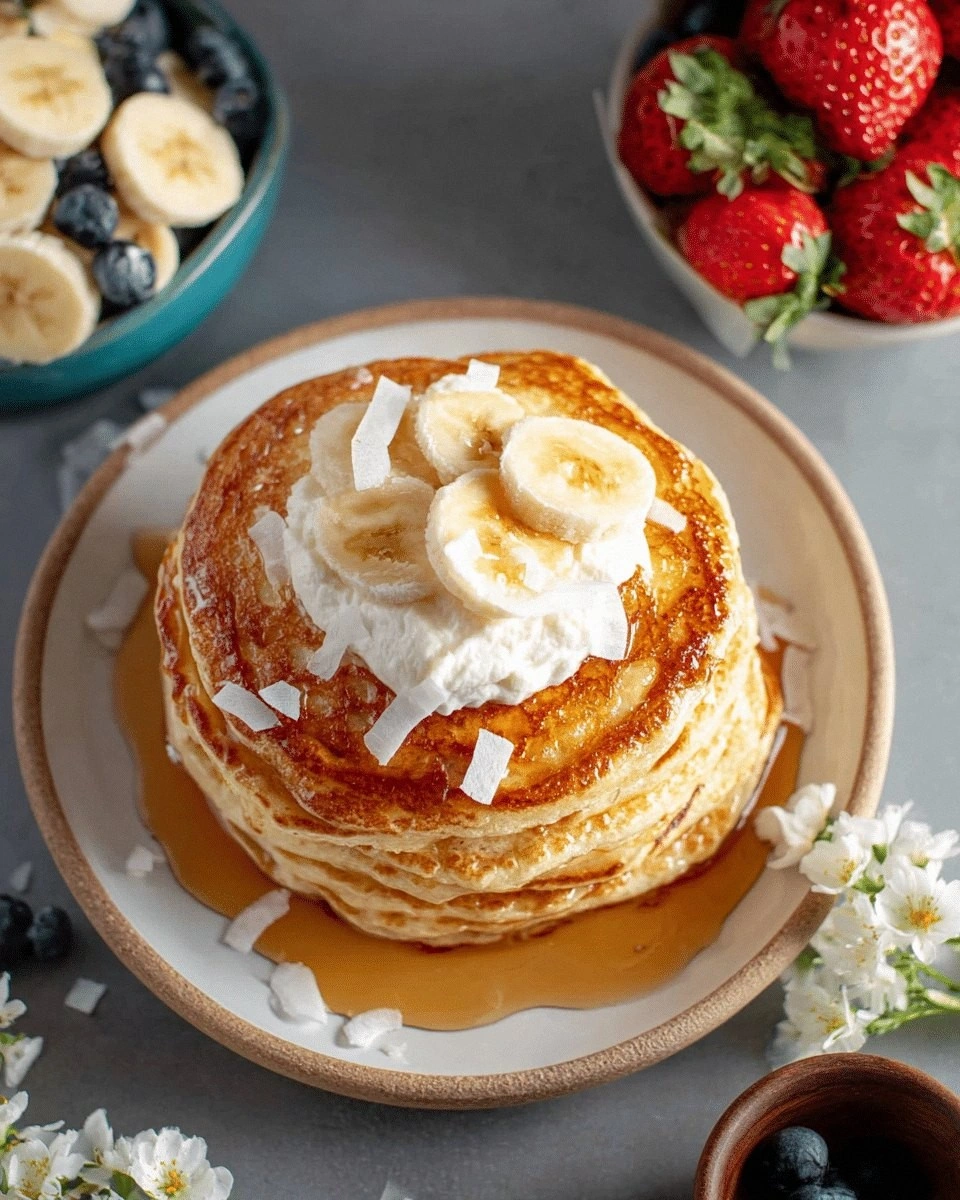
- Serve immediately. Top with a dollop of coconut cream, a drizzle of honey, or fresh berries. The pancakes are best enjoyed hot, when the coconut flavor is at its peak.
That's it — you did it. But hold on, I've got a few more tricks that'll take this to another level…
Insider Tricks for Flawless Results
The Temperature Rule Nobody Follows
Many cooks swear by high heat, but for coconut pancakes, a moderate temperature is key. Set your griddle to medium (around 350°F). This allows the pancakes to cook evenly without burning the outside. If the heat is too high, the pancakes will brown too quickly on the outside while remaining raw inside. I’ve seen pancakes turn into charcoal in seconds when the pan is too hot.
Why Your Nose Knows Best
The aroma is your best indicator of doneness. When the batter starts to bubble and the edges look set, you’ll notice a sweet, toasted coconut scent. That’s the cue to flip. If you wait too long, the center will be undercooked; if you flip too early, the pancakes will be dry.
The 5‑Minute Rest That Changes Everything
Letting the batter rest for five minutes allows the flour to absorb the liquid fully. This step is often skipped, but it makes a noticeable difference in texture. The batter becomes more cohesive and the pancakes rise better. I’ve seen a difference in fluffiness after this short rest.
The Secret to a Golden Crust
A light drizzle of coconut oil or butter on the pan before each pour adds a subtle flavor and helps achieve a golden crust. The oil also prevents sticking, making flipping easier. I use a paper towel to wipe excess oil, leaving just enough for a perfect sear.
The Quick Chill for Storage
If you’re preparing the batter ahead, cover it tightly with plastic wrap and refrigerate for up to 24 hours. When you’re ready to cook, let it sit at room temperature for 10 minutes before cooking. This restores the batter’s consistency and prevents it from becoming too thick.
Creative Twists and Variations
This recipe is a playground. Here are some of my favorite ways to switch things up:
Tropical Paradise
Swap the toasted coconut for shredded sweet potato and add a splash of pineapple juice to the batter. Top with fresh mango slices and a drizzle of coconut yogurt. The result is a bright, tropical flavor profile that feels like a vacation.
Chocolate Indulgence
Add 1/4 cup cocoa powder to the dry mix and fold in 1/4 cup dark chocolate chips. Serve with a swirl of chocolate ganache and a dusting of powdered sugar. These pancakes are perfect for a decadent brunch.
Savory Spin
Replace the sugar with 1 tsp of smoked sea salt and add chopped fresh herbs like cilantro or dill. Serve with a side of smoked salmon and a dollop of crème fraîche. This savory version works surprisingly well as a brunch main dish.
Nutty Crunch
Fold in 1/4 cup chopped macadamia nuts or almonds to the batter. Top with a toasted almond butter drizzle. The nuts add a satisfying crunch and a nutty flavor that complements the coconut.
Low‑Carb Edition
Use a low‑carb flour blend, reduce sugar to 1 tbsp, and add a pinch of stevia. The pancakes still retain their fluffy texture and coconut flavor, making them suitable for keto or low‑carb diets.
Holiday Twist
During the holiday season, fold in a handful of dried cranberries and a pinch of ground cinnamon. Serve with a warm apple compote. The spices give a cozy, festive feel.
Storing and Bringing It Back to Life
Fridge Storage
Store leftover pancakes in an airtight container in the refrigerator for up to 3 days. When reheating, place them in a microwave for 20–30 seconds or warm in a skillet over low heat. For a fresher feel, add a splash of coconut milk before reheating and cover with foil.
Freezer Friendly
Stack pancakes with parchment paper in between and freeze in a single layer. Once frozen, transfer them to a freezer bag. They’ll stay good for up to 2 months. Reheat in a toaster or microwave, adding a splash of coconut milk to keep them moist.
Best Reheating Method
The secret to a fluffy reheated pancake is gentle heat and moisture. Warm the pancakes in a skillet over low heat, flipping once, and sprinkle a tiny splash of coconut milk or water onto the top. Cover with a lid for 30 seconds; the steam will restore the pancakes to their original softness.