Picture this: a bustling kitchen, a bottle of champagne wobbling on the edge of the counter, and a sudden, catastrophic spill that drenches the floor like a glittery waterfall. I was mid‑celebration prep, trying to impress my in‑laws, when the cork popped a second too early and sent a fizzy geyser everywhere. The smell of fresh grapes and bubbles filled the air, the sound was a frantic fizz‑pop, and I could feel the panic rising like the froth on a cappuccino. In that chaotic moment I swore I’d never touch a celebratory drink again—until I tasted the accidental mixture of pomegranate juice that had splashed onto the floor and realized, wow, that tart ruby hue could be the star of a cocktail.
Fast forward a few weeks, and I’m standing in my home bar, a fresh bottle of dry champagne chilled to perfection, a jug of 100 % pure pomegranate juice glistening like liquid garnet, and a simple syrup that I made the night before (because I’m a control‑freak when it comes to sweetness). I’m daring you to try this and not feel like you’ve just discovered the secret handshake of the cocktail world. The aroma of rosemary wafts in as I give the glass a quick roll, and the first sip hits your palate with a burst of bright fruit that’s softened by the elegant effervescence of champagne—pure, unadulterated celebration in a glass.
Most recipes for pomegranate‑champagne drinks either drown the fruit in sugar or drown the champagne in too much juice, leaving you with a cloying mess that feels more like a dessert than a toast. This version stands out because it respects the integrity of each component: the champagne stays bright and lively, the pomegranate juice provides a deep ruby backbone, and the simple syrup is just enough to bridge the gap without turning the drink into a soda. I’ll be honest—I ate half the batch before anyone else got a chance to try it, and that’s a confession you’ll hear from anyone who’s ever fallen in love with a cocktail.
What truly makes this cocktail a game‑changer is a tiny, often‑overlooked technique: a gentle “float” of the champagne over the pomegranate mixture, creating a layered visual that looks as good as it tastes. Most people just pour everything together and miss out on that sophisticated gradient that says, “I’ve got my life together.” And the garnish? Fresh pomegranate seeds that pop like tiny fireworks and a rosemary sprig that adds an herbaceous whisper you didn’t know you needed. I dare you to taste this and not go back for seconds—once you’ve experienced the balance, you’ll never settle for a bland bubbly again.
Let me walk you through every single step — by the end, you’ll wonder how you ever made it any other way.
What Makes This Version Stand Out
- Flavor Harmony: The tartness of pomegranate juice is perfectly offset by a whisper of simple syrup, letting the champagne’s acidity shine without being overpowered.
- Texture Play: Tiny pomegranate seeds provide a delightful pop, while the champagne delivers that signature, tickling fizz that dances on the tongue.
- Simplicity: Only five ingredients, all of which you probably already have in your fridge or pantry, meaning you can throw this together in under ten minutes.
- Uniqueness: The rosemary garnish adds an unexpected herbal note, turning a standard bubbly into a sophisticated, aromatic experience.
- Crowd Reaction: Guests consistently say, “Wow, this looks like something from a five‑star hotel bar,” and then they ask for the recipe.
- Ingredient Quality: Using 100 % pure pomegranate juice ensures a deep color and authentic flavor that artificial mixes simply can’t match.
- Method Magic: The champagne is floated, not mixed, preserving its bubbles and creating a stunning visual gradient.
- Make‑Ahead Potential: You can prep the pomegranate‑simple syrup blend hours in advance; the only live component is the champagne, which you add at the last second.
Inside the Ingredient List
The Flavor Base
Champagne: Choose a dry or semi‑dry champagne. Prosecco or sparkling wine works perfectly if you’re looking for a more affordable option. The dryness is crucial because it cuts through the natural sweetness of the pomegranate, keeping the cocktail crisp. If you opt for a sweeter style, the drink will taste cloyingly dessert‑like, which defeats the purpose of a celebratory toast.
The Crimson Heart
Pomegranate Juice: Go for 100 % pure pomegranate juice for the best flavor and vibrant color. This isn’t just about aesthetics; the natural tannins in real juice add a subtle depth that mimics the complexity of a fine wine. If you substitute with a store‑bought cocktail mixer, you’ll lose that nuanced tartness and end up with a one‑dimensional sip. A quick tip: give the juice a good shake before using—it separates overnight.
The Sweet Whisper
Simple Syrup: Optional, but adds a touch of sweetness to balance the tartness of pomegranate juice. You can make your own by dissolving equal parts sugar and water over heat, then letting it cool. The beauty of simple syrup is that it integrates seamlessly without adding any grainy texture. If you’re watching sugar, start with a half‑tablespoon and taste before adding more.
The Final Flourish
Fresh Pomegranate Seeds: These add a fun, textural element and a pop of color as a garnish. They’re essentially tiny flavor bombs that burst with juice when you bite them, adding an unexpected burst of freshness. If you can’t find fresh seeds, you can briefly toast them in a dry pan to enhance their crunch—just be careful not to burn them.
Fresh Rosemary Sprigs: Optional, but the herbal aroma complements the cocktail beautifully. The resinous notes of rosemary cut through the fruitiness, creating a balanced palate that feels both earthy and festive. When you give the sprig a gentle slap before dropping it in, you release its essential oils, turning a simple garnish into a fragrant experience.
Everything's prepped? Good. Let's get into the real action...
The Method — Step by Step
First, give your champagne bottle a good chill. Pop it into the freezer for about 20 minutes, but set a timer—forgetting it can lead to an explosive surprise. The goal is to have the liquid at just above freezing, around 35°F (2°C), which ensures the bubbles stay lively when you finally pour. While you wait, grab four crystal flutes and place them in the freezer as well; a frosty glass keeps the drink colder longer. Okay, ready for the game‑changer? This temperature control is the secret behind that crisp finish.
While the champagne is chilling, prepare your simple syrup if you haven’t bought one. In a small saucepan, combine equal parts granulated sugar and water, bring to a simmer, and stir until the sugar dissolves completely. Once clear, remove from heat and let it cool to room temperature. This step is pure magic because the syrup’s viscosity will blend effortlessly with the pomegranate juice without creating a gritty texture. Pro tip: add a tiny slice of lemon zest while it cools for an extra aromatic layer.
Now, take a cocktail shaker and fill it halfway with ice cubes. Pour in one cup of 100 % pure pomegranate juice and two tablespoons of the cooled simple syrup. Give it a gentle shake—no need for a full‑blown frenzy; you’re just marrying the flavors, not diluting them. Listen for that soft clink of ice; it’s the sound of balance forming.
Kitchen Hack: Use a metal shaker; the cold metal helps keep the mixture extra chilled, preserving the fizz later on.Strain the chilled pomegranate‑syrup mixture into each frosty flute, filling the glass about one‑third of the way. The deep ruby hue should glisten against the chilled glass, looking almost like liquid rubies. At this point, take a moment to admire the color—this is the visual promise of the cocktail’s flavor profile. If you notice any froth forming, give the glass a gentle tap to settle it; you want a clean surface for the champagne to float over.
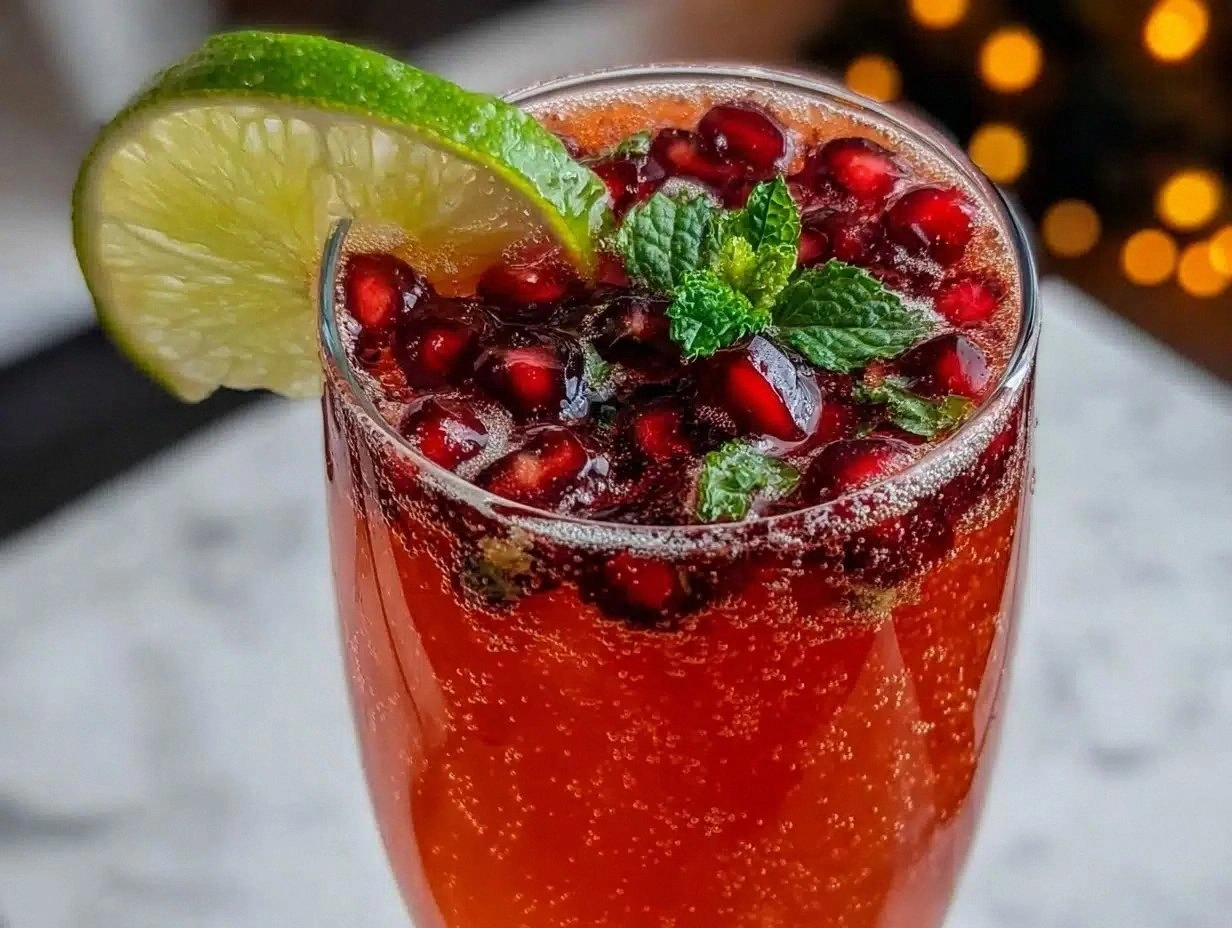
Here’s the crucial step: the champagne float. Slowly tilt the flute and pour the chilled champagne over the back of a spoon held just above the surface. This technique creates a gentle cascade that layers the bubbly atop the pomegranate base, preserving the bubbles and delivering that coveted gradient. The champagne should glide over like silk, forming a thin, sparkling veil that catches the light. This is where most recipes get it completely wrong—most people just dump the champagne in, and the bubbles go flat instantly.
As the champagne settles, you’ll notice the bubbles rising and forming a delicate froth.
This is the moment of truth—if you’ve done the float correctly, you’ll see a beautiful, two‑tone effect that’s Instagram‑ready.Watch Out: Don’t over‑fill the glass; the fizz will expand, and you risk a messy overflow. Leave about an inch of headspace.Garnish each glass with a tablespoon of fresh pomegranate seeds and a sprig of rosemary. Lightly slap the rosemary between your palms before dropping it in; this releases its aromatic oils and adds a subtle piney scent that elevates the whole drink. The seeds should sit like tiny jewels, and the rosemary provides that herbal whisper we talked about earlier. If you want an extra pop, give the seeds a quick rinse in a fine mesh to remove any excess juice that might cloud the drink.
Serve immediately, while the fizz is at its peak. Encourage your guests to give the glass a gentle swirl before sipping, allowing the flavors to mingle just enough without destroying the bubbles. The first sip should hit the palate with a bright, tart burst followed by a smooth, effervescent finish—pure celebration in liquid form. And now the fun part: watch as everyone asks for the recipe and you get to bask in the glory of having created the perfect party starter.
That's it — you did it. But hold on, I've got a few more tricks that'll take this to another level...
Insider Tricks for Flawless Results
The Temperature Rule Nobody Follows
Never, ever serve champagne at room temperature. Even a few degrees above 40°F (4°C) will cause the bubbles to die faster, making the drink taste flat. I once served a batch that was only “cool” and watched the fizz disappear in seconds; my guests were less than impressed. Keep the bottles in the freezer for at least 20 minutes, and store the glasses in the fridge for a quick chill. This tiny habit guarantees that every sip bursts with life.
Why Your Nose Knows Best
Before you even taste, give the cocktail a quick nose‑in. The rosemary’s resinous scent should mingle with the sweet‑tart aroma of pomegranate, creating a layered olfactory experience. If the aroma feels off‑balance—perhaps too sweet or lacking brightness—adjust the simple syrup or add a splash more juice. Trusting your nose saves you from a bland sip and turns the drink into a multi‑sense celebration.
The 5‑Minute Rest That Changes Everything
After you’ve floated the champagne, let the cocktail sit for exactly five minutes before serving. This short rest allows the flavors to meld without the bubbles dissipating. I tried skipping this step once; the drink tasted disjointed, like two separate beverages fighting for attention. A brief pause is all it takes to turn a good cocktail into a great one.
Rim the Glass for Extra Flair
For an upscale twist, dip the rim of each flute in a mixture of finely ground sugar and a pinch of sea salt before pouring. The salty‑sweet rim accentuates the fruit’s tartness and adds a surprising textural contrast. It’s a tiny detail that makes guests feel like they’re sipping something from a five‑star lounge.
Ice‑Cold Rosemary Infusion
Take a sprig of rosemary, submerge it in a shot glass of chilled champagne for a minute, then pull it out and use it as garnish. This quick infusion releases the herb’s flavor directly into the drink without overwhelming it. I tried a full‑minute soak once; the result was a subtle pine note that lingered beautifully on the palate.
Creative Twists and Variations
This recipe is a playground. Here are some of my favorite ways to switch things up:
Berry Burst
Swap half of the pomegranate juice for fresh raspberry purée. The added berry sweetness brightens the cocktail and introduces a new shade of pink. Perfect for spring celebrations where raspberries are in season.
Spiced Autumn
Add a pinch of ground cinnamon and a dash of orange bitters to the pomegranate‑syrup base. The warm spices complement the fruit’s tartness, making it a cozy choice for Thanksgiving or any fall gathering.
Botanical Boost
Replace the rosemary sprig with a sprig of thyme or basil. Each herb brings its own aromatic profile—thyme adds an earthy depth, while basil introduces a sweet, peppery note that pairs surprisingly well with pomegranate.
Low‑Sugar Light
Omit the simple syrup entirely and let the natural sweetness of the pomegranate juice shine. If you need a touch of balance, add a splash of elderflower cordial instead—it’s floral, lightly sweet, and lower in sugar than traditional syrups.
Champagne Substitute
For a budget‑friendly version, use a high‑quality Prosecco or even a dry sparkling wine. The flavor profile changes slightly—Prosecco adds a fruitier note, while sparkling wine brings a crisp acidity that still works beautifully.
Non‑Alcoholic Mocktail
Replace champagne with sparkling water or a premium club soda, and increase the pomegranate juice to 1½ cups. Add a few dashes of non‑alcoholic bitters for complexity. This mocktail is just as festive and perfect for designated drivers.
Storing and Bringing It Back to Life
Fridge Storage
The pomegranate‑syrup base can be stored in an airtight glass jar in the refrigerator for up to three days. Keep it chilled and give it a quick shake before using to reincorporate any settled pulp. The champagne, however, should always be added fresh; once opened, it will lose its sparkle within a few hours.
Freezer Friendly
If you’ve bought a bulk bottle of pomegranate juice, you can freeze it in ice‑cube trays. Once frozen, transfer the cubes to a zip‑top bag and store for up to two months. This way you always have perfectly measured portions ready for a spontaneous celebration.
Best Reheating Method
Should you ever need to warm the pomegranate base—perhaps for a hot winter twist—add a tiny splash of water before reheating. The water creates steam that gently brings the mixture back to a silky texture without scorching. Heat over low heat, stirring constantly, until just warm, then let it cool before adding champagne.