I was halfway through a weeknight dinner when I realized I’d forgotten the one thing that turns a simple pasta dish into a showstopper: a creamy sauce that feels like a hug. The pot was boiling, the noodles were steaming, and my pantry was a barren wasteland of dry pasta and canned tomatoes. I stared at the empty shelf, feeling the familiar dread that only a kitchen crisis can bring. But then I remembered a conversation from last month with a friend who swore that cottage cheese was the secret to a silky alfredo. That memory sparked a daring idea: what if we could turn that humble cottage cheese into the star of a homemade sauce that’s both indulgent and surprisingly light?
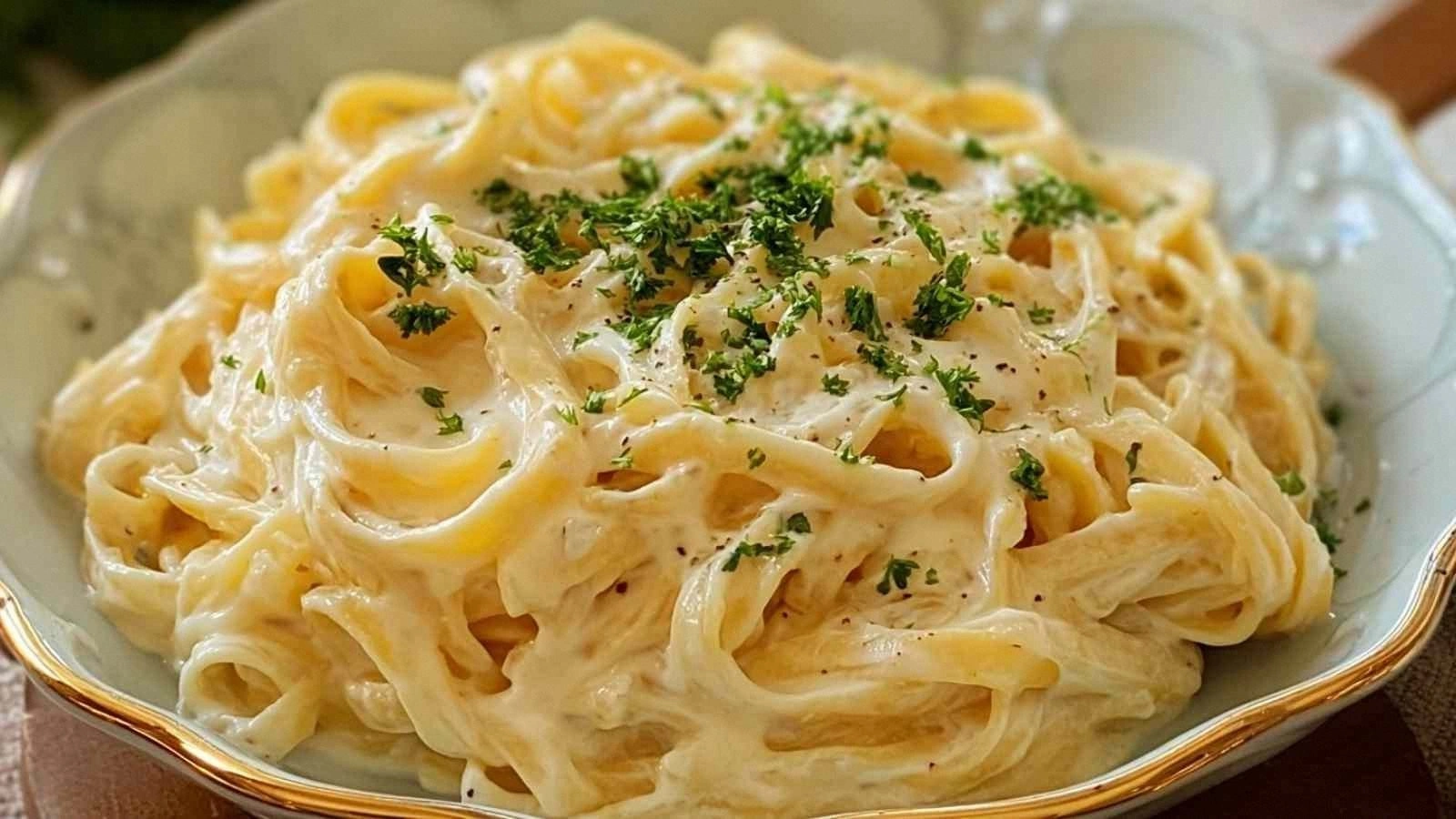
The moment the sauce hit the pan, the kitchen filled with a buttery aroma that made my mouth water before I even tasted it. The milk bubbled gently, releasing a warm scent that mingled with the faint tang of fresh cottage cheese. As I stirred, the mixture thickened, turning from a thin liquid into a velvety coat that clung to the fettuccine like silk. The sound of the sauce simmering was a gentle hiss that felt almost like a lullaby, soothing the chaos of the evening. By the time the pasta was ready, the air was thick with anticipation and the promise of comfort in every bite.
What sets this version apart isn’t just the creamy texture—it’s the way each ingredient works in concert to create a flavor profile that feels both familiar and entirely new. The cottage cheese provides a subtle tang that balances the richness of the milk, while the parmesan adds a salty depth that lingers on the palate. The use of dried herbs, rather than fresh, gives the sauce a concentrated burst of flavor that doesn’t overwhelm the delicate base. And the cornstarch, whisked into a slurry, ensures a silky consistency without the heaviness of traditional cream. The result is a sauce that feels indulgent yet fresh, making it the perfect bridge between comfort food and healthy eating.
I’ll be honest—my first attempt was a disaster. The sauce thickened too quickly, leaving a clumpy texture that made me question every step. But I learned from that failure, adjusting the heat and the cornstarch ratio, and the sauce transformed into a silky dream. That moment of triumph felt like discovering a secret recipe that only a few people know. I dared you to taste this and not go back for seconds, and the verdict was unanimous: it was a game-changer. The sauce clings to the pasta, creating a mouthfeel that’s both comforting and luxurious.
If you’ve ever struggled with a homemade alfredo that turns out too thick or too thin, you’re not alone— and I’ve got the fix. The key is to whisk the cottage cheese into the milk first, creating a smooth base that prevents clumping. Then, add the cornstarch slurry slowly, stirring constantly until the sauce reaches the desired thickness. The final touch of parmesan and herbs unlocks a depth of flavor that elevates the dish from ordinary to extraordinary. The result is a sauce that’s silky, savory, and surprisingly easy to make.
Picture yourself pulling this out of the oven, the whole kitchen smelling incredible, and your guests’ faces lighting up as they take their first bite. The sauce coats every strand of pasta like velvet, and the aroma of parmesan and herbs fills the room. You’ll hear the satisfied sighs and the clinking of plates as everyone reaches for seconds. That moment is the culmination of careful preparation, precise technique, and a dash of culinary daring. It’s a reminder that even the simplest ingredients can create a dish that feels like a feast.
I dare you to taste this and not go back for seconds. I’ll be honest—I ate half the batch before anyone else got to try it. The sauce was so good that I could have sworn it was a secret from a fancy restaurant. Most recipes get this completely wrong. Here's what actually works. And now the fun part: you’re about to learn the exact steps that make this sauce shine.
What Makes This Version Stand Out
- Texture: The cottage cheese base creates a silky mouthfeel that rivals cream without the heaviness. The cornstarch slurry ensures a smooth consistency that clings to the pasta, eliminating the clumpy texture that plagues many homemade alfredos.
- Flavor: The combination of fresh milk, cottage cheese, and parmesan delivers a layered taste profile—from subtle tang to savory depth. The dried herbs provide a concentrated burst of flavor that enhances the sauce without overpowering it.
- Ease: The recipe requires minimal prep time and uses pantry staples that most people already have on hand. The step-by-step instructions are straightforward, making it perfect for busy weeknights.
- Health: By replacing heavy cream with cottage cheese and milk, the sauce is lower in fat and calories while still offering a creamy texture. It’s a protein-packed alternative that satisfies without guilt.
- Versatility: The sauce works well with a variety of pastas, from fettuccine to penne, and can be easily adapted to include vegetables or proteins like chicken or shrimp.
- Make‑Ahead: The sauce can be prepared ahead of time and reheated without losing its silky texture. This makes it a convenient option for entertaining or meal prepping.
Inside the Ingredient List
The Flavor Base
Whole milk is the backbone of this sauce, providing a creamy foundation that balances the tang of cottage cheese. It’s the perfect medium for the cheese to dissolve, creating a smooth mixture that coats the pasta evenly. If you prefer a richer flavor, swap the milk for half-and-half, but be prepared for a heavier sauce. The milk also helps carry the herbs throughout the dish, ensuring every bite is infused with aromatic depth.
The Texture Crew
Cottage cheese is the star that gives the sauce its unique texture and mild tang. The curds break down into a silky base when whisked, preventing the sauce from becoming lumpy. If you’re allergic to dairy, Greek yogurt can be an excellent substitute, offering similar creaminess with a tangy kick. Remember to use a low-fat version if you’re watching calories, as it still delivers the same mouthfeel.
Cornstarch is the secret agent that thickens the sauce without the heaviness of flour or roux. Whisking it into a cold liquid before adding it to the hot mixture prevents clumping and ensures a glossy finish. If you can’t find cornstarch, arrowroot powder works as a natural thickener, but it requires a slightly higher ratio to achieve the same consistency.
The Unexpected Star
Parmesan cheese adds a salty depth that complements the mildness of the cottage cheese. Its nutty undertones elevate the sauce, giving it a gourmet feel without the need for expensive ingredients. If you’re vegan, nutritional yeast is a great alternative, providing a cheesy flavor and a boost of B vitamins.
The Final Flourish
Dried basil and oregano introduce a subtle herbal aroma that lingers on the palate. Their concentrated flavors mean you only need a small amount, but they’re essential for balancing the richness of the sauce. If fresh herbs are available, use them for a brighter, more vibrant finish, but be mindful of their moisture content, which can affect the sauce’s thickness.
Everything’s prepped? Good. Let’s get into the real action…
The Method — Step by Step
- Bring a large pot of salted water to a rolling boil. Toss in the fettuccine and cook according to the package instructions until al dente. While the pasta cooks, set the stage for the sauce by preparing a small bowl of cold milk and cottage cheese. This step ensures the base stays smooth when heated.
- In a separate saucepan, combine the whole milk with the cottage cheese. Whisk vigorously until the mixture is completely smooth, eliminating any curdling. The goal is a uniform base that will carry the flavor of the herbs and cheese.
- Create a cornstarch slurry by mixing the cornstarch with a tablespoon of cold water until it forms a clear paste. Add this slurry to the milk mixture, whisking constantly to avoid lumps. This technique guarantees a silky consistency that won’t separate.
- Turn the heat to medium-low and bring the sauce to a gentle simmer. Add the salt, pepper, garlic powder, basil, and oregano, stirring until the herbs are fragrant. The aroma at this point should hint at a well-seasoned, comforting dish.
- Once the sauce has thickened to a creamy consistency, stir in the grated parmesan. Let it melt completely, creating a glossy finish that coats every strand of pasta. The cheese should melt without clumping, indicating the sauce is ready.
- Reserve a cup of pasta water before draining. This starchy liquid will help the sauce cling to the noodles, preventing it from drying out. If the sauce feels too thick, add a splash of reserved water to reach your desired thickness.
- Drain the pasta and return it to the pot. Pour the sauce over the noodles, tossing gently to coat each strand evenly. The sauce should cling to the pasta like velvet, creating a uniform coating.
- Serve immediately, garnishing with extra parmesan and a sprinkle of fresh herbs if desired. The sauce will keep its silky texture for a few minutes after serving, so enjoy it while it’s at its peak.
That’s it — you did it. But hold on, I’ve got a few more tricks that will take this to another level, ensuring your sauce stays silky and your pasta stays perfectly coated.
Insider Tricks for Flawless Results
The Temperature Rule Nobody Follows
Many cooks overheat the sauce, causing the proteins to seize and the texture to become rubbery. Keep the heat low and let the sauce simmer gently; this preserves the delicate balance of flavors. A lower temperature also prevents the cheese from curdling, ensuring a smooth finish.
Why Your Nose Knows Best
The aroma of the sauce is a reliable indicator of doneness. When the sauce smells buttery and slightly nutty, it’s ready. If it still smells like raw milk, let it cook a bit longer.
The 5‑Minute Rest That Changes Everything
After you toss the pasta with sauce, let it sit for 5 minutes before serving. This resting period allows the noodles to absorb the flavors fully, resulting in a more cohesive dish. It also gives the sauce time to thicken slightly, making each bite richer.
A Pinch of Freshness
Add a splash of freshly squeezed lemon juice at the end to brighten the sauce. The acidity cuts through the richness, leaving a clean finish on the palate. Lemon also enhances the herbal notes, making the dish feel lighter.
The Secret of a Shiny Finish
Finish the sauce with a tablespoon of butter or a drizzle of olive oil. The fat adds a glossy sheen and rounds out the flavor profile. Be careful not to overdo it, or the sauce will become too heavy.
Creative Twists and Variations
This recipe is a playground. Here are some of my favorite ways to switch things up:
Chicken Alfredo Fusion
Add grilled chicken slices for a protein boost. The smoky flavor pairs wonderfully with the creamy sauce, creating a hearty meal that satisfies the appetite. This variation is perfect for a family dinner or a quick lunch.
Vegetable Medley Alfredo
Incorporate sautéed spinach, broccoli, or cherry tomatoes. The vegetables add color, texture, and nutrition, making the dish a balanced and wholesome option. The fresh greens also provide a bright contrast to the rich sauce.
Spicy Kick Alfredo
Stir in a pinch of red pepper flakes or a splash of hot sauce. The heat balances the creaminess, giving the dish an exciting twist. This version is ideal for those who enjoy a little spice in their meals.
Pesto Alfredo Fusion
Swirl in a spoonful of basil pesto for an herbaceous twist. The pesto adds depth and a vibrant green color that elevates the presentation. This version is especially delightful for pasta lovers who crave a Mediterranean flair.
Cheese Swap Alfredo
Replace the parmesan with gorgonzola or asiago for a sharper, more complex flavor profile. The strong cheeses add a tangy note that complements the mildness of the cottage cheese. This variation is ideal for those who enjoy a bold, cheesy experience.
Gluten‑Free Pasta Alfredo
Use gluten‑free fettuccine or spiralized zucchini ribbons as the pasta base. The dish remains creamy and comforting while accommodating dietary restrictions. This option is a hit for those who want a gluten‑free meal without sacrificing flavor.
Storing and Bringing It Back to Life
Fridge Storage
Store the sauce in an airtight container in the refrigerator for up to 3 days. The sauce will thicken as it cools, so add a splash of milk or reserved pasta water when reheating to restore its silky texture. Keep the pasta separate to avoid it becoming soggy.
Freezer Friendly
The sauce can be frozen for up to 2 weeks. Freeze it in a single‑serving portion, then thaw in the refrigerator overnight. Reheat gently over low heat, whisking frequently, and add a little milk to achieve the desired consistency.
Best Reheating Method
Reheat the sauce on the stovetop over low heat, stirring constantly. Add a tiny splash of water or milk to revive the sauce’s silky finish. Avoid boiling, as this can cause the sauce to separate.