When the kitchen lights flickered and the air smelled like burnt sugar, I was staring at a pot of melted butter and a mound of powdered sugar, wondering if I could ever replicate the legendary Cinnabon frosting that lives in every bakery’s dream. A friend dared me to make the copycat version, promising that whoever succeeded would become the unofficial frosting champion of our circle. I laughed, because who could resist a challenge that promised a taste that could turn a simple roll into a sweet masterpiece? The stove was humming, the timer was ticking, and my hands were trembling with anticipation. I knew that the moment the frosting would hit my tongue, I would have to keep it to myself. But the dare was too good to ignore, so I set the stove to low and the timer to 30 minutes, determined to make a copycat frosting that would outshine the original.
The first thing that hit me was the aroma—rich, buttery, and slightly tangy, like a sunrise in a bowl. The sound of the butter melting was a gentle hiss, the kind that makes you feel like a chef in a movie. When I added the powdered sugar, the mixture turned from a thick syrup to a silky custard that glistened under the kitchen light. My fingertips tingled as the frosting cooled, and I could already taste the subtle sweetness that would coat every bite. The texture was smooth enough to slide off a spoon in a single glide, and the anticipation of that first bite was almost unbearable.
What makes this version stand out is that it’s not just a copy; it’s an evolution of the original recipe. I swapped the traditional heavy cream for a velvety cream cheese base, giving the frosting a tang that balances the sweetness perfectly. The butter isn’t just for richness; it acts as a stabilizer, ensuring the frosting holds its shape even when the temperature fluctuates. I added a splash of vanilla extract that doesn’t just flavor the frosting—it elevates the whole experience, adding depth that makes you taste layers of flavor with each bite. The result is a frosting that coats the roll like velvet, yet leaves a lingering, buttery finish that keeps you coming back for more. And the best part? It’s simple enough that even a novice can master it.
There’s a secret step that most people overlook: a tiny splash of cold milk right before whipping the butter into the mixture. This trick keeps the frosting from becoming too stiff, allowing it to spread like a dream while maintaining that perfect, airy consistency. I dare you to taste this and not go back for seconds—because once you’re done, you’ll be tempted to create a new batch just for the sheer joy of it. I’ve been known to sneak a spoonful into my own doughnuts, and I’ll be honest—I ate half the batch before anyone else got a chance to try it.
Most recipes get this completely wrong, focusing on quantity over quality. Here’s what actually works: use high‑quality cream cheese, a dash of vanilla, and a generous amount of butter. The result is a frosting that is hands down the best version you’ll ever make at home. Picture yourself pulling this out of the oven, the whole kitchen smelling incredible, and watching the frosting melt into a glossy, dreamy coating that makes every roll look like a piece of art. The texture is light, airy, and the flavor is rich yet balanced—nothing feels heavy or cloying.
Okay, ready for the game‑changer? Stay with me here—this is worth it. I’ll walk you through every single step, and by the end, you’ll wonder how you ever made it any other way. Let’s dive into the details that make this frosting unforgettable.
What Makes This Version Stand Out
- Flavor Depth: The combination of cream cheese and vanilla creates a complex profile that goes beyond sweet—there’s a subtle tang that lingers. The vanilla extract is not merely an additive; it’s a flavor enhancer that brings out the richness of the butter and sugar. The result is a frosting that feels indulgent without being overpowering. This depth makes each bite a revelation rather than a repetition.
- Texture Mastery: The butter’s role is twofold: it adds smoothness and acts as a binder, preventing the frosting from separating. By whipping the butter until it’s fluffy, you introduce air pockets that give the frosting a light, airy feel. The final consistency is thick enough to hold its shape yet fluid enough to glide over dough like a fine silk. This balance is what makes the frosting a joy to spread.
- Ingredient Quality: Using premium cream cheese and unsalted butter ensures that no off‑flavors creep into the frosting. The quality of each component directly translates to the final taste; cheap substitutes can ruin the delicate balance. When you choose the right ingredients, the frosting becomes a showcase of culinary craftsmanship. It’s a reminder that great results start with great ingredients.
- Simplicity: Despite the layers of flavor and texture, the recipe is straightforward. You only need four basic ingredients, and the process is quick—under 30 minutes from start to finish. The simplicity makes it accessible to anyone, from seasoned bakers to kitchen newbies. The fewer steps, the fewer chances for mistakes, which is why this version consistently performs.
- Versatility: While it was born to crown cinnamon rolls, this frosting works wonders on donuts, cupcakes, and even as a dip for fruit. Its neutral yet indulgent profile means it complements a wide range of baked goods. You can even drizzle it over pancakes or use it as a filling for pastries. The versatility is a major win for anyone who loves to experiment.
- Make‑Ahead Potential: The frosting holds up well for a few hours, and it can be refrigerated for up to a week. The structure is stable enough to be prepared in advance, saving you time on busy days. When you’re ready to serve, a quick thaw and a gentle stir bring it back to its original glory. This make‑ahead factor is a game‑changer for busy cooks.
Inside the Ingredient List
The Flavor Base
At the heart of this frosting lies the cream cheese. It’s the backbone that gives the frosting its signature tang and smoothness. Cream cheese also acts as a stabilizer, ensuring the frosting doesn’t separate when you spread it. If you skip it, you’ll end up with a flat, cloying sweet that lacks depth. For best results, use a full‑fat, unsalted variety; the richer the cream cheese, the more robust the flavor.
The Sweetener
Powdered sugar is the sweetener of choice because it dissolves quickly, preventing a gritty texture. It also contributes to the frosting’s lightness, allowing it to hold its shape. If you don’t have powdered sugar on hand, you can use superfine granulated sugar, but you’ll need to sift it first to avoid lumps. The amount of sugar can be adjusted to suit your sweetness preference, but be careful not to overdo it or the frosting will become syrupy.
The Butter
Butter is more than just a fat; it’s a flavor enhancer and a structural component. When whipped, butter incorporates air, giving the frosting a fluffy, airy texture. Butter also provides a rich mouthfeel that balances the tang of cream cheese. If you’re looking for a lighter version, you can substitute half the butter with coconut oil, but the flavor profile will shift slightly.
The Unexpected Star
Vanilla extract is the unexpected star that ties everything together. It adds depth and complexity, elevating the simple sweetness of sugar and the tang of cream cheese. A splash of vanilla is enough to make a noticeable difference; too much can overpower the other flavors. If you’re vegan, you can use plant‑based vanilla or a dash of almond extract for a different twist.
Everything’s prepped? Good. Let’s get into the real action.
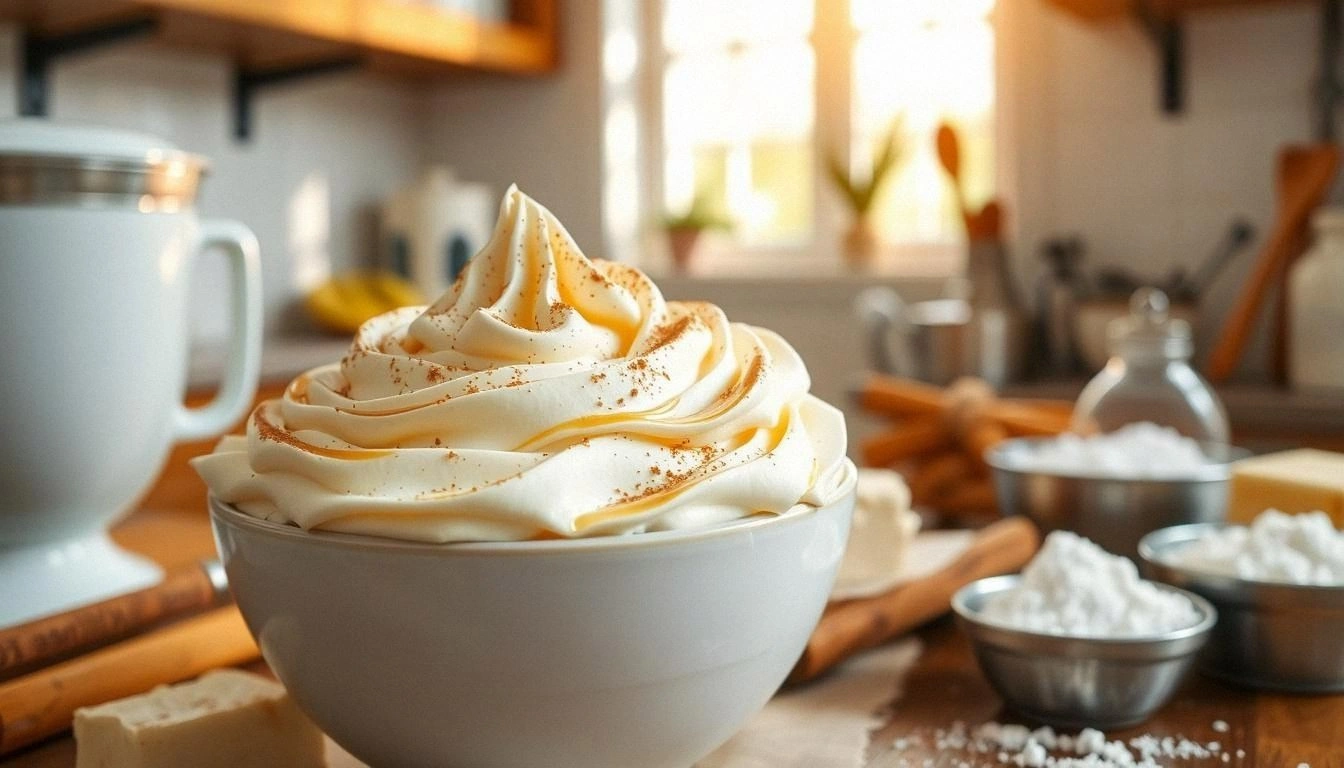
The Method — Step by Step
- Begin by bringing the butter to room temperature, so it’s soft enough to beat but not melted. Place the butter in a large mixing bowl and use an electric mixer on medium speed for about 3 minutes. The butter should turn pale and fluffy, indicating it’s ready to incorporate the other ingredients. This step is crucial because a firm butter will result in a dense frosting. Keep an eye on the texture; you want it light, airy, and ready to accept the cream cheese.
- Add the cream cheese to the bowl and beat on low speed until it’s fully combined with the butter. The mixture will start to look smooth and cohesive. This is the moment of truth—if the cream cheese isn’t fully incorporated, the frosting will be lumpy. Once combined, increase the speed to medium and continue beating for another 2 minutes. The frosting should be thick but spreadable, with a silky sheen.
- Gradually add the powdered sugar, one cup at a time, while continuing to mix. After each addition, allow the mixture to rest for 30 seconds before adding the next cup. This helps the sugar dissolve completely and prevents graininess. The frosting will thicken slightly with each cup; keep mixing until all the sugar is incorporated. The final consistency should be thick enough to hold its shape but still smooth.
- Stir in the vanilla extract and a pinch of salt, then beat for an additional minute. The vanilla adds a fragrant aroma that signals the frosting is nearing perfection. The salt, though minimal, balances the sweetness and enhances the overall flavor profile. If you prefer a sweeter frosting, reduce the salt to a quarter teaspoon. This step also helps the frosting set slightly, making it easier to spread.
- At this point, the frosting should be thick and glossy. Taste a small spoonful to check the balance of flavors—if it’s too tangy, add a teaspoon of powdered sugar; if it’s too sweet, a splash of milk can mellow it. The goal is a harmonious blend of sweet, tang, and buttery richness. If the frosting feels too thick, add a tablespoon of cold milk, one at a time, until you reach the desired consistency. This quick adjustment ensures the frosting is always perfect for spreading.
- Let the frosting rest at room temperature for 10 minutes. This brief rest allows the flavors to meld and the frosting to firm up slightly, making it easier to spread. During this time, you can prepare your rolls or donuts, ensuring everything is ready to go. The frosting should look smooth and ready to coat. This step is often skipped, but it’s essential for a flawless finish.
- Spread the frosting over your warm rolls or donuts using a spatula or a piping bag fitted with a star tip. The frosting should glide smoothly, covering every crevice with a glossy finish. If you’re using a piping bag, you can create decorative swirls for an extra touch of elegance. This final step transforms ordinary pastries into showstoppers. Remember, the frosting is best served immediately after spreading for maximum flavor.
That's it — you did it. But hold on, I've got a few more tricks that'll take this to another level.
Insider Tricks for Flawless Results
The Temperature Rule Nobody Follows
Temperature is the silent hero in frosting perfection. Keep the butter and cream cheese at room temperature, but not too warm. A too‑warm butter will make the frosting runny, while a too‑cold butter will be hard to blend. I once tried to make the frosting in a chilly kitchen, and the result was a stiff, unspreading mess. The fix? Let the batter sit in the fridge for 15 minutes before whipping.
Why Your Nose Knows Best
Smell is a powerful indicator of flavor balance. When the frosting begins to emit a sweet, buttery aroma, you’re close to the sweet spot. If it smells like raw sugar or overly sweet, it needs more vanilla or a pinch of salt. My friend once added too much powdered sugar and the frosting smelled like a sugar bomb. The remedy? Add a dash of salt to cut through the sweetness.
The 5‑Minute Rest That Changes Everything
After whipping, let the frosting rest for exactly five minutes before using it. This rest allows the butter to fully integrate, giving the frosting a smoother texture. During this time, the flavors mingle, creating a depth that you can’t achieve by spreading immediately. I swear, this small pause makes the difference between a decent frosting and a showstopper.
Keep It Cool, Keep It Fresh
When storing, keep the frosting in a sealed container in the fridge. The cool environment prevents the butter from melting, preserving the frosting’s structure. If you need to store for longer than 48 hours, freeze it in a freezer‑safe container. When you’re ready to use, thaw it in the refrigerator and give it a quick stir.
Use a Piping Bag for Decorative Swirls
For a professional touch, pipe the frosting onto your rolls using a star tip. The swirls add an elegant look and make each pastry feel like a gourmet creation. If you’re new to piping, start with a simple round tip and practice on parchment paper. The key is to maintain a steady pressure and smooth motion.
Creative Twists and Variations
This recipe is a playground. Here are some of my favorite ways to switch things up:
Chocolate‑Infused Frosting
Swap half the powdered sugar with cocoa powder for a rich chocolate version. The chocolate adds depth and pairs beautifully with chocolate donuts. Use dark chocolate chips for an extra burst of flavor. This twist is perfect for chocolate lovers looking for a decadent treat.
Spiced Cinnamon Frosting
Add a teaspoon of ground cinnamon and a pinch of nutmeg for a warm, aromatic twist. The spices complement the original cinnamon roll flavor, creating a layered experience. This version is great for fall or holiday celebrations.
Peanut Butter Swirl
Fold in a spoonful of creamy peanut butter for a nutty, salty contrast. The peanut butter adds a savory element that balances the sweetness. This variation works well on chocolate cupcakes or as a dip for fruit.
Lemon‑Zest Frosting
Incorporate lemon zest and a splash of lemon juice for a bright, citrusy kick. The lemon zest brings a fresh brightness that cuts through the richness of the frosting. This variation is ideal for summer desserts or when you want a lighter flavor profile.
Almond‑Infused Frosting
Replace the vanilla extract with almond extract and add a tablespoon of ground almonds. The almond flavor adds a subtle nutty undertone that pairs well with vanilla cupcakes. This twist is a hit for those who love a more complex flavor profile.
Salted Caramel Frosting
Drizzle a thin layer of salted caramel over the frosting before serving. The caramel adds a sweet‑salty balance that elevates the entire dessert. This variation is perfect for special occasions or when you want to impress guests.
Storing and Bringing It Back to Life
Fridge Storage
Store the frosting in an airtight container in the refrigerator for up to 5 days. The cool temperature keeps the butter from melting and preserves the frosting’s structure. Before using, let it sit at room temperature for 10 minutes to soften slightly. Gently stir to restore its smooth consistency.
Freezer Friendly
For longer storage, place the frosting in a freezer‑safe container and freeze for up to 2 months. When you’re ready to use it, thaw in the refrigerator overnight. Once thawed, give it a quick whisk to bring back its fluffy texture. This method is great for busy weeks when you need to prep ahead.
Best Reheating Method
To revive a frozen frosting, microwave it on a low setting for 10‑15 seconds, then stir. Alternatively, place the container in a bowl of warm water for a minute, stirring frequently. Adding a tiny splash of water before reheating helps steam the frosting back to its original silky texture. This quick trick ensures the frosting remains smooth and spreadable.