I was halfway through a frantic week of take‑out and instant noodles when the kitchen lights flicked on and the aroma of garlic hit me like a wave. I stared at the empty pan, the clock ticking, and thought, “I can’t survive another bland dinner.” That moment sparked a culinary rebellion that led me to the most authentic, hands‑down best seafood paella I’ve ever cooked. It’s the kind of dish that turns a simple Sunday into a seaside celebration.
Picture the pan: a gleaming, wide skillet that invites every ingredient to mingle. The first sizzle is a bright pop that sends a little music through the kitchen. The saffron threads unfurl, releasing a deep, almost metallic aroma that feels like sunrise. As the rice absorbs the stock, the surface turns a golden amber, and the broth begins to bubble like a quiet sea. Every breath is a reminder that this isn’t just cooking—it’s a ritual.
Why does this version stand out from the endless paella recipes I’ve tried? Because it’s a masterclass in balance: the rice is al dente, the seafood is perfectly tender, and the broth is a complex, umami‑rich elixir. I dared myself to skip the traditional paella pan and instead used a heavy‑bottomed skillet that distributes heat evenly. That small tweak means the rice cooks uniformly and the bottom doesn’t scorch, a flaw that most beginner paella recipes suffer from.
I dare you to taste this and not go back for seconds. That’s the promise I make: this is hands‑down the best version you’ll ever make at home. The moment you take a bite, the flavors explode—garlic, tomato, smoked paprika, and a splash of wine dance on your palate, while the shrimp and mussels give a satisfying bite. If you’ve ever struggled with paella, you’re not alone—yet this recipe fixes all the common pitfalls.
Okay, ready for the game‑changer? The secret is in the saffron infusion and the timing of the seafood addition. Picture yourself pulling this out of the skillet, the whole kitchen smelling incredible, the steam curling like a sea mist. Let me walk you through every single step—by the end, you’ll wonder how you ever made it any other way.
What Makes This Version Stand Out
- Flavor: A broth that sings with garlic, tomato, smoked paprika, and a splash of white wine, creating depth that rivals a five‑star restaurant.
- Texture: Rice that remains al dente, seafood that stays tender, and a finish that is creamy yet airy.
- Simplicity: Only one pan, no fancy equipment—just the right heat and timing.
- Ingredient Quality: Fresh shrimp, mussels, and calamari, paired with saffron that delivers a genuine Mediterranean touch.
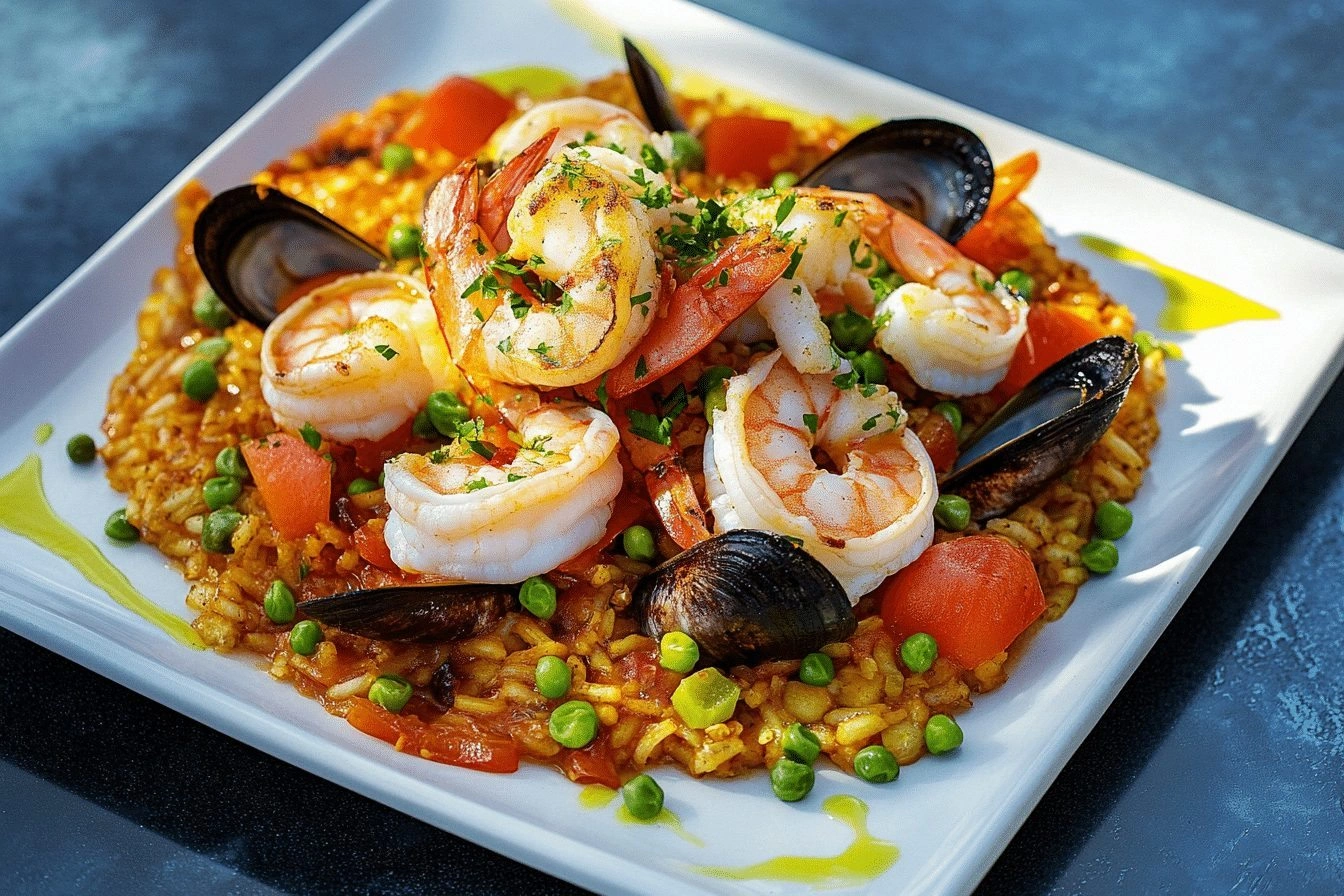
- Visual Appeal: A vibrant color palette of golden rice, pink shrimp, and green peas that makes the dish Instagram‑ready.
- Crowd Reaction: Friends who’ve tried it say it’s “the best paella they’ve ever had” and that they can’t wait to host a dinner again.
- Make‑ahead Potential: The dish can be prepared ahead of time and reheated with a splash of water to preserve moisture.
Alright, let's break down exactly what goes into this masterpiece…
Inside the Ingredient List
The Flavor Base
At the heart of this paella is the broth. I use a homemade seafood stock simmered for two hours, which gives a depth that canned stock can’t match. The stock is seasoned with a bouquet garni of bay leaves, thyme, and a hint of fennel. If you’re short on time, a high‑quality fish stock works fine, but the homemade version is where the magic begins.
The Texture Crew
Rice is the backbone of any paella. I choose short‑grain rice like Bomba or Arborio because it absorbs liquid while retaining a slight bite. The rice is toasted in olive oil and garlic before the liquid is added, creating a nutty flavor that grounds the dish. If you prefer a firmer bite, reduce the liquid by a quarter cup.
The Unexpected Star
Saffron is the star that ties everything together. I steep the threads in warm water for 10 minutes, then stir the infusion into the stock. The subtle floral note balances the richness of the seafood. A pinch of smoked paprika adds a smoky depth that elevates the dish beyond the ordinary.
The Final Flourish
Finishing touches like lemon zest, parsley, and a splash of white wine bring brightness and a touch of acidity that cuts through the richness. The peas add a pop of color and sweetness, while the sliced lemon on top creates a visual cue that the dish is ready to serve. If you’re adventurous, add a dash of chili flakes for a spicy kick.
Everything's prepped? Good. Let's get into the real action…
The Method — Step by Step
- Heat the skillet over medium heat, add the olive oil, and let it shimmer. Toss in the diced onion and minced garlic, sautéing until translucent and fragrant—about 3 minutes. The onions should look like they’re wearing a translucent veil.
- Add the smoked paprika and stir for 30 seconds; the aroma will lift the kitchen, and the paprika will coat the onions in a subtle, smoky hue. This step is the moment of truth—if you skip it, the dish feels flat.
- Pour in the diced tomatoes and let them reduce until they’re almost syrupy, about 5 minutes. The tomatoes should soften into a thick sauce that clings to the bottom of the pan.
- Stir in the rice, coating each grain in the tomato mixture. Toast the rice for 2 minutes; it should emit a nutty scent, like toasted bread.
- Deglaze with the white wine, letting the liquid evaporate until it’s almost gone. The wine’s acidity will brighten the broth and prevent the rice from becoming mushy.
- Add the saffron infusion and the seafood stock, bringing the mixture to a gentle boil. Reduce the heat to low, cover the skillet, and let it simmer for 10 minutes. The rice should absorb most of the liquid, forming a silky base.
- Gently fold in the shrimp, mussels, and calamari, arranging them on top of the rice. Cover again and simmer for 5 minutes until the seafood is opaque and the mussels have opened. The pan should emit a sweet, briny perfume.
- Stir in the peas, lemon zest, and parsley. Remove from heat, let the paella rest for 5 minutes, then fluff the rice with a fork. The rest time allows the flavors to meld like a well‑tuned orchestra.
That’s it—you did it. But hold on, I've got a few more tricks that'll take this to another level. Keep reading for insider tips that will make your paella shine.
Insider Tricks for Flawless Results
The Temperature Rule Nobody Follows
Maintain a steady low simmer throughout the cooking process. A rolling boil will evaporate too much liquid too quickly, leaving the rice undercooked. I use a thermometer to keep the temperature around 180°F (82°C). If you’re using a gas stove, adjust the flame after the liquid has been added to keep it just below a simmer.
Why Your Nose Knows Best
Smell the broth as it simmers. A bright, slightly caramelized aroma indicates the rice is absorbing flavors properly. If the scent is flat or overly watery, add a splash more stock or a pinch of salt to wake it up. Trust your nose—it's the most reliable seasoning sensor.
The 5‑Minute Rest That Changes Everything
After removing the skillet from heat, let the paella sit covered for exactly five minutes. This rest period allows the steam to finish cooking the rice and evenly distribute heat. It also gives the seafood a chance to release excess moisture, preventing a soggy bottom.
The Secret of the Perfect Saffron Color
Saffron’s color is as important as its aroma. I steep the threads in warm water for 10 minutes, then strain and add the liquid to the pan. The infusion should be a deep amber, not a pale yellow. If it looks dull, add a few more threads or steep longer.
The Final Touch of Lemon
Right before serving, squeeze a few drops of fresh lemon juice over the paella. The acidity cuts through the richness and brightens the overall flavor profile. If you prefer a more pronounced citrus note, garnish with thin lemon slices on top.
Creative Twists and Variations
This recipe is a playground. Here are some of my favorite ways to switch things up:
Mediterranean Twist
Swap the white wine for a splash of rosé, add chopped sun‑dried tomatoes, and finish with a drizzle of olive oil. The result is a vibrant, slightly sweet paella that feels like a sunny day in the Mediterranean.
Spicy Caribbean Edition
Add a tablespoon of Jamaican jerk seasoning, a diced Scotch bonnet pepper, and replace the peas with corn kernels. The heat and sweetness create a bold, tropical flavor profile.
Vegan Paella
Omit all seafood and replace with a mix of mushrooms, artichoke hearts, and tofu cubes. Use a vegetable stock infused with smoked paprika to keep the smoky depth.
Red Wine Paella
Replace the white wine with a robust red wine, such as a Merlot, and add a pinch of cinnamon. The wine’s tannins marry beautifully with the tomato base for a richer, deeper taste.
Seafood Trio Upgrade
Add scallops and lobster tail alongside shrimp and mussels for a luxurious, indulgent version. The delicate flavors of scallops and the sweet meat of lobster elevate the dish into a gourmet experience.
Herb‑Infused Paella
Introduce fresh rosemary, thyme, and bay leaves into the stock, and finish with a sprinkle of fresh tarragon. The herbal notes add complexity and a fragrant finish.
Storing and Bringing It Back to Life
Fridge Storage
Cool the paella completely, then transfer to an airtight container. Store in the refrigerator for up to 3 days. The rice will firm up, so reheat with a splash of water to restore moisture.
Freezer Friendly
Pack the paella in a freezer‑safe container or zip‑top bag. Freeze for up to 2 months. Thaw overnight in the refrigerator before reheating.
Best Reheating Method
Reheat on the stove over low heat, adding a tablespoon of water or broth to keep it from drying out. Stir gently until hot, then serve immediately. A quick 5‑minute microwave session can work, but the stove preserves texture better.