
Gluten Free Vegetable Lo Mein
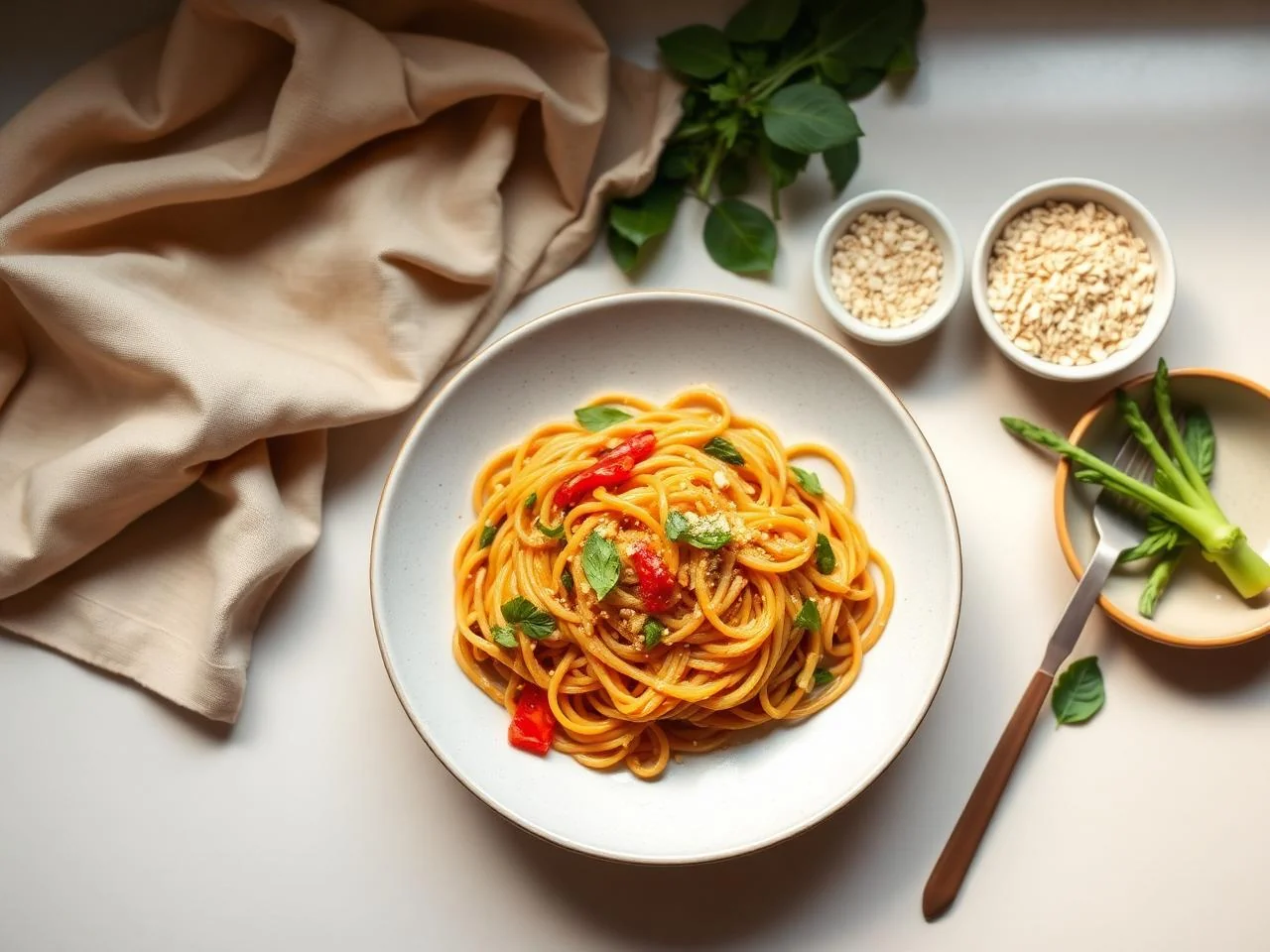
I still remember the first time I made Gluten Free Vegetable Lo Mein at home. It was a game-changer for me, as I had recently been diagnosed with celiac disease and was struggling to find delicious and easy-to-make gluten-free recipes. This dish quickly became a staple in my household, and I'm excited to share it with you today.
The key to making great Gluten Free Vegetable Lo Mein is to use a combination of gluten-free flours that provide structure and texture to the noodles. I use a blend of rice flour, tapioca starch, and xanthan gum to achieve the perfect balance of tenderness and chewiness.
This recipe is also highly customizable, so feel free to add your favorite vegetables or protein sources to make it your own. Whether you're a seasoned cook or a beginner in the kitchen, this recipe is sure to become a favorite.
One of the things I love about this recipe is that it's perfect for a weeknight dinner or a special occasion. It's easy to make in large quantities, and it reheats beautifully, making it a great option for meal prep or leftovers.
In this recipe, I'll walk you through the steps to make delicious Gluten Free Vegetable Lo Mein from scratch. From preparing the noodles to cooking the vegetables and assembling the dish, I'll provide you with all the tips and tricks you need to succeed.
Why You’ll Love This Recipe
- This recipe is easy to make and requires minimal ingredients.
- It's highly customizable, so you can add your favorite vegetables or protein sources.
- The dish is perfect for a weeknight dinner or a special occasion.
- It reheats beautifully, making it a great option for meal prep or leftovers.
- The recipe is gluten-free, making it accessible to those with dietary restrictions.
- The noodles are made from scratch, providing a unique and delicious texture.
Why This Recipe Works
The success of this recipe lies in the combination of gluten-free flours used to make the noodles. The rice flour provides structure, while the tapioca starch adds tenderness and chewiness. The xanthan gum helps to bind the ingredients together, creating a cohesive and delicious noodle.
Another key factor is the cooking technique used to prepare the vegetables. By stir-frying the vegetables quickly over high heat, we're able to preserve their texture and flavor, creating a dish that's both healthy and delicious.
The sauce used in this recipe is also important, as it adds depth and umami flavor to the dish. By using a combination of soy sauce, hoisin sauce, and rice vinegar, we're able to create a balanced and savory sauce that complements the noodles and vegetables perfectly.
Ingredients You’ll Need
To make Gluten Free Vegetable Lo Mein, you'll need a few key ingredients, including gluten-free flours, vegetables, and sauces. Be sure to choose high-quality ingredients, as they will make a big difference in the final dish.
When shopping for gluten-free flours, look for a blend that contains rice flour, tapioca starch, and xanthan gum. This combination will provide the best texture and structure for the noodles.
- 2 cups (250g) rice flourRice flour provides structure and texture to the noodles. Look for a high-quality rice flour that is finely milled and has a neutral flavor.
- 1/2 cup (60g) tapioca starchTapioca starch adds tenderness and chewiness to the noodles. It's an important ingredient in gluten-free baking and helps to create a cohesive texture.
- 1/4 cup (30g) xanthan gumXanthan gum helps to bind the ingredients together, creating a cohesive and delicious noodle. It's an important ingredient in gluten-free baking and helps to improve texture and structure.
- 1/4 cup (60ml) soy sauceSoy sauce adds depth and umami flavor to the dish. Look for a high-quality soy sauce that is gluten-free and has a rich, savory flavor.
- 2 tablespoons (30ml) hoisin sauceHoisin sauce adds a sweet and savory flavor to the dish. It's an important ingredient in many Asian dishes and helps to balance the flavors in the sauce.
- 2 tablespoons (30ml) rice vinegarRice vinegar adds a bright and tangy flavor to the dish. It helps to balance the flavors in the sauce and adds a refreshing touch to the dish.
- 1 tablespoon (15ml) sesame oilSesame oil adds a nutty and aromatic flavor to the dish. It's an important ingredient in many Asian dishes and helps to add depth and complexity to the sauce.
- 1 small onion, thinly slicedThe onion adds a sweet and savory flavor to the dish. Look for a small onion that is thinly sliced and has a mild flavor.
- 2 cloves garlic, mincedGarlic adds a pungent and aromatic flavor to the dish. Look for high-quality garlic that is minced and has a strong flavor.
- 1 cup (115g) mixed vegetables, such as bell peppers, carrots, and snow peasThe mixed vegetables add a pop of color and flavor to the dish. Look for a variety of vegetables that are thinly sliced and have a crunchy texture.
- Salt and pepper to tasteSalt and pepper are used to season the dish and add flavor. Look for high-quality salt and pepper that are freshly ground and have a strong flavor.
Equipment You’ll Need
How to Make Gluten Free Vegetable Lo Mein
- 1In a large mixing bowl, combine the rice flour, tapioca starch, and xanthan gum. Whisk the ingredients together until they are well combined and there are no lumps.
- 2Gradually add in 1/2 cup (120ml) of warm water to the flour mixture, stirring with a fork until the dough comes together. The dough should be smooth and pliable, but not too sticky.
- 3Knead the dough for 5-7 minutes until it becomes smooth and elastic. The dough should be slightly sticky, but should not stick to your hands.
- 4Divide the dough into 4 equal pieces and roll each piece into a long rope. Cut the rope into thin noodles, about 1/4 inch (6mm) thick.
- 5Bring a large pot of salted water to a boil and cook the noodles for 2-3 minutes, or until they are slightly tender. The noodles should still have a bit of bite to them.
- 6Drain the noodles and rinse them with cold water to stop the cooking process. Set the noodles aside to dry.
- 7In a small bowl, whisk together the soy sauce, hoisin sauce, and rice vinegar. Set the sauce aside to use later.
- 8In a large skillet or wok, heat 1 tablespoon (15ml) of sesame oil over medium-high heat. Add the sliced onion and cook for 2-3 minutes, or until it is slightly caramelized.
- 9Add the minced garlic and cook for an additional 1 minute, or until it is fragrant.
- 10Add the mixed vegetables and cook for 2-3 minutes, or until they are tender-crisp. The vegetables should still have a bit of crunch to them.
- 11Add the cooked noodles to the skillet or wok and stir to combine with the vegetables and sauce. Cook for an additional 1-2 minutes, or until the noodles are well coated with the sauce.
- 12Season the dish with salt and pepper to taste, and serve immediately.
Expert Tips
- Use a high-quality gluten-free flour blend to make the noodles. This will help to create a tender and chewy texture.
- Don't overcook the noodles. They should still have a bit of bite to them.
- Use a variety of vegetables to add color and flavor to the dish.
- Don't over-season the dish. The sauce should be balanced and savory, but not too salty or sweet.
- Add the sauce gradually, stirring to combine, to avoid over-saucing the noodles.
- Use a wok or large skillet to cook the dish. This will help to distribute the heat evenly and prevent the noodles from sticking.
- Don't overcrowd the skillet or wok. Cook the noodles and vegetables in batches if necessary, to prevent them from steaming instead of stir-frying.
Common Mistakes to Avoid
- Overcooking the noodles. This will make them mushy and unappetizing.
- Using low-quality gluten-free flour. This can result in a dense and gritty texture.
- Not seasoning the dish enough. The sauce should be balanced and savory, but not too salty or sweet.
- Overcrowding the skillet or wok. This can prevent the noodles and vegetables from cooking evenly and can result in a steamed instead of stir-fried texture.
- Not using enough oil. This can cause the noodles and vegetables to stick to the skillet or wok.
- Not stirring the dish enough. This can result in the noodles and vegetables not being well coated with the sauce.
Variations and Substitutions
- Add protein sources such as chicken, beef, or tofu to the dish.
- Use different types of vegetables, such as broccoli or bell peppers, to add variety to the dish.
- Add nuts or seeds, such as peanuts or sesame seeds, to the dish for added crunch and flavor.
- Use different types of sauce, such as oyster sauce or sriracha, to add variety to the dish.
- Add spices, such as cumin or coriander, to the dish to add depth and warmth.
- Use different types of noodles, such as rice noodles or glass noodles, to change the texture of the dish.
What to Serve With Gluten Free Vegetable Lo Mein
Gluten Free Vegetable Lo Mein is a versatile dish that can be served in a variety of ways. It's perfect as a main course, or as a side dish to accompany your favorite Asian-inspired meals.
Try serving it with a side of steamed dumplings or egg rolls for a delicious and filling meal. You could also serve it with a simple green salad or a bowl of miso soup for a lighter option.
Make-Ahead, Storage, Freezing and Reheating
Gluten Free Vegetable Lo Mein can be stored in the refrigerator for up to 3 days. Simply cool the dish to room temperature, then transfer it to an airtight container and refrigerate.
To freeze the dish, cool it to room temperature, then transfer it to a freezer-safe container or bag. Frozen Gluten Free Vegetable Lo Mein will keep for up to 2 months.
To reheat the dish, simply microwave it for 1-2 minutes, or until it's heated through. You could also reheat it in a skillet or wok over medium heat, stirring constantly, until it's heated through.
When reheating the dish, be sure to add a little water or oil to the skillet or wok to prevent the noodles from sticking. You could also add some fresh vegetables or herbs to the dish to give it a burst of flavor and color.
Frequently Asked Questions
What type of gluten-free flour blend should I use?
Look for a blend that contains rice flour, tapioca starch, and xanthan gum. This combination will provide the best texture and structure for the noodles.
How do I prevent the noodles from sticking to the skillet or wok?
Use a small amount of oil to prevent the noodles from sticking. You could also add a little water to the skillet or wok to help to prevent sticking.
Can I use different types of vegetables in the dish?
Yes, you can use a variety of vegetables to add color and flavor to the dish. Just be sure to adjust the cooking time based on the type of vegetable you're using.
How do I store the dish?
Cool the dish to room temperature, then transfer it to an airtight container and refrigerate. You could also freeze the dish for up to 2 months.
Can I reheat the dish?
Yes, you can reheat the dish in the microwave or in a skillet or wok over medium heat. Just be sure to add a little water or oil to the skillet or wok to prevent the noodles from sticking.
Is the dish gluten-free?
Yes, the dish is gluten-free. Just be sure to use a gluten-free flour blend and to check the ingredients of the sauces and seasonings to ensure that they are gluten-free.
Can I add protein sources to the dish?
Yes, you can add protein sources such as chicken, beef, or tofu to the dish. Just be sure to adjust the cooking time based on the type of protein you're using.
Is the dish vegan?
The dish can be vegan if you use vegan-friendly sauces and seasonings. Just be sure to check the ingredients of the sauces and seasonings to ensure that they are vegan-friendly.
Ingredients
- 2 cups (250g) rice flour
- 1/2 cup (60g) tapioca starch
- 1/4 cup (30g) xanthan gum
- 1/4 cup (60ml) soy sauce
- 2 tablespoons (30ml) hoisin sauce
- 2 tablespoons (30ml) rice vinegar
- 1 tablespoon (15ml) sesame oil
- 1 small onion, thinly sliced
- 2 cloves garlic, minced
- 1 cup (115g) mixed vegetables, such as bell peppers, carrots, and snow peas
- Salt and pepper to taste
Instructions
- In a large mixing bowl, combine the rice flour, tapioca starch, and xanthan gum. Whisk the ingredients together until they are well combined and there are no lumps.
- Gradually add in 1/2 cup (120ml) of warm water to the flour mixture, stirring with a fork until the dough comes together. The dough should be smooth and pliable, but not too sticky.
- Knead the dough for 5-7 minutes until it becomes smooth and elastic. The dough should be slightly sticky, but should not stick to your hands.
- Divide the dough into 4 equal pieces and roll each piece into a long rope. Cut the rope into thin noodles, about 1/4 inch (6mm) thick.
- Bring a large pot of salted water to a boil and cook the noodles for 2-3 minutes, or until they are slightly tender. The noodles should still have a bit of bite to them.
- Drain the noodles and rinse them with cold water to stop the cooking process. Set the noodles aside to dry.
- In a small bowl, whisk together the soy sauce, hoisin sauce, and rice vinegar. Set the sauce aside to use later.
- In a large skillet or wok, heat 1 tablespoon (15ml) of sesame oil over medium-high heat. Add the sliced onion and cook for 2-3 minutes, or until it is slightly caramelized.
- Add the minced garlic and cook for an additional 1 minute, or until it is fragrant.
- Add the mixed vegetables and cook for 2-3 minutes, or until they are tender-crisp. The vegetables should still have a bit of crunch to them.
- Add the cooked noodles to the skillet or wok and stir to combine with the vegetables and sauce. Cook for an additional 1-2 minutes, or until the noodles are well coated with the sauce.
- Season the dish with salt and pepper to taste, and serve immediately.