Remember that night when the kitchen felt like a battlefield, pots clanging, a half‑baked tart on the counter, and a sudden craving for something bright and tangy that could cut through the chaos? I was staring at a pile of grapefruits that looked like they’d been waiting for a reason, and a stubborn ginger root that was begging to be turned into something more than a garnish. The spark was simple: take those citrus jewels and that fiery root, throw them into a pot, and coax them into a preserve that feels like a sunrise on your tongue.
Picture the scene: a citrus grove in the morning, the sun reflecting off the wet skins, the sharp scent of fresh ginger mingling with the sweet tang of grapefruit. I could almost hear the crackle of sugar as it dissolves, the hiss of a simmer, and the gentle pop as the mixture thickens. The texture is a playful dance between juicy pulp and a glossy, syrupy coat that clings to spoonfuls. If you’ve ever stared at a jar of ordinary marmalade and thought, “There has to be a better way,” this is the answer.
What sets this version apart is not just the ingredients but the process: a quick caramelization of the grapefruit, a precise ratio of sugar to acid, and a gentle, slow simmer that brings out the subtle heat of ginger without overpowering the citrus. I dare you to taste this and not go back for seconds. The result is a preserve that feels like a burst of sunshine on a winter morning, with a kick that lingers like a good memory.
Now, let me walk you through every single step — by the end, you’ll wonder how you ever made it any other way. From selecting the perfect grapefruits to the final swirl of sugar, we’ll cover it all. The next part is pure magic, and you’ll be the star of the kitchen when you finish.
What Makes This Version Stand Out
- Flavor: The bright, zesty notes of fresh grapefruits are amplified by a subtle caramelization that adds depth without masking the citrus. The result is a preserve that feels both sweet and tangy, with a lingering citrus finish that’s hard to forget.
- Texture: Unlike traditional preserves that can be chunky, this recipe achieves a silky, spoon‑scooping consistency that coats the tongue like velvet. The careful balance of sugar and acid keeps the mixture from becoming too thick or too runny.
- Heat: Fresh ginger is the secret weapon that adds a warm, spicy undertone. It’s not a fiery blaze, but a gentle whisper that complements the grapefruit’s brightness.
- Simplicity: No fancy equipment, no long wait times. Just a few ingredients, a pot, and a steady hand. Even novice cooks will find this process approachable.
- Versatility: The preserve can be spread on toast, folded into yogurt, or used as a glaze for grilled salmon. Its bright flavor profile makes it a versatile pantry staple.
- Make‑ahead potential: Once cooked, the preserves keep well for weeks in the refrigerator or can be canned for longer storage. That means you can prepare a batch on a slow Sunday and enjoy it for months.
- Ingredient quality: We use only the freshest grapefruits and ginger, ensuring that each spoonful delivers a burst of natural flavor. Quality ingredients are the foundation of any great preserve.
- Presentation: The bright orange hue and glossy finish make this preserve a visual treat, turning a simple jar into a centerpiece for any table.
Inside the Ingredient List
The Flavor Base
Grapefruits are the star of this preserve. When you cut into them, the bright, ruby‑red pulp releases a burst of citrus that immediately fills the kitchen with sunshine. Choosing grapefruits that feel heavy for their size ensures they’re juicy, and a smooth, firm skin signals ripeness. If you skip this step and use an underripe fruit, you’ll end up with a bitter, less vibrant preserve that can’t do justice to the ginger’s warmth.
Fresh ginger brings a lively, peppery kick that lingers on the palate. Its aromatic oils release slowly during the simmer, weaving a subtle heat through the mixture. If you prefer a milder flavor, reduce the ginger by a quarter; if you want more heat, increase it slightly. The key is balance: too much ginger can overpower the grapefruit’s natural brightness.
The Sweetness Layer
Granulated sugar is essential for balancing tartness and for the preservation process. It dissolves into a syrup that coats each fruit piece, creating that luscious, glossy finish. Sugar also acts as a preservative by lowering the water activity, which helps the preserve last longer. If you skip sugar, you’ll get a watery, less stable mixture that won’t set properly.
When measuring sugar, use a digital scale for precision. A cup of sugar weighs about 200 grams, which translates to a 50% sugar-to-fruit ratio in this recipe. If you’re using a lighter sweetener, like honey, start with a 10% reduction because honey’s natural sweetness is higher.
The Acidic Touch
Lemon juice is the unsung hero that balances the sweet and the tart. It raises the acidity, which is critical for safety in canning and for preventing the preserve from becoming overly sweet. A splash of lemon juice also brightens the grapefruit’s flavor, making each bite feel fresh.
Use freshly squeezed lemon juice for the best flavor. If you only have bottled lemon juice, be sure it’s 100% juice with no additives. A half‑cup of lemon juice works well for a 4‑serving batch; too much can make the preserve overly tart, while too little can lead to a bland outcome.
The Moisture Balancer
Water is the solvent that brings everything together. It helps dissolve the sugar, creates the right viscosity, and allows the fruit to release its juices. A cup of water is enough to start the mixture, but you’ll add more as the sugar dissolves and the fruit releases its juice.
If you’re aiming for a thicker consistency, reduce the water by a quarter cup. If you prefer a thinner spread, add an extra tablespoon of water during the simmer. The water content directly affects the final texture, so adjust with care.
Everything's prepped? Good. Let's get into the real action...
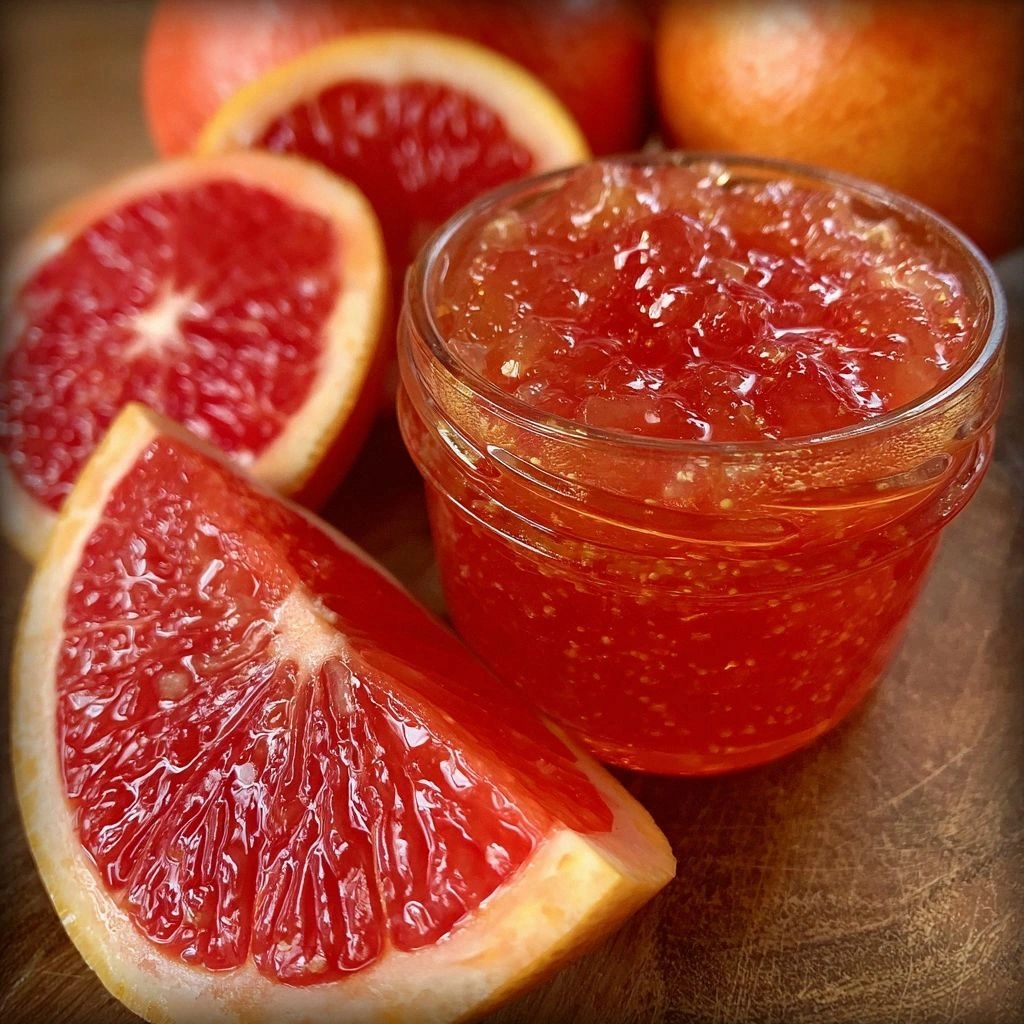
The Method — Step by Step
- Begin by washing the grapefruits under cool water, then dry them with a clean towel. Peel each fruit, removing as much of the white pith as possible to avoid bitterness. Slice the fruit into thin wedges, ensuring you keep the segments intact so the pieces stay cohesive during cooking. This step is crucial for a smooth texture.
- While the fruit is slicing, peel the ginger root and grate it finely with a microplane. The finer the ginger, the more evenly its heat will distribute throughout the preserve. I’ve found that a small knife works best for a quick, uniform grate. Set the grated ginger aside.
- In a heavy‑bottomed saucepan, combine the grapefruit wedges, grated ginger, sugar, lemon juice, and a cup of water. Stir gently to coat the fruit with sugar, then place the pot over medium heat. The first few minutes will produce a fragrant steam that signals the start of caramelization.
- Let the mixture come to a gentle boil, then reduce to a low simmer. Stir occasionally to prevent sticking, especially as the sugar begins to crystallize. After about 10 minutes, the fruit will start to soften, and the liquid will thicken slightly. This is when the magic begins.
- After 15 minutes of simmering, the mixture should have thickened enough to coat the back of a spoon. Check the consistency by placing a small amount on a chilled plate; if it holds its shape for a few seconds, it’s ready. The flavor at this point should be bright, with a hint of ginger heat and a subtle caramel undertone.
- Now comes the trickiest part: ensuring the preserve sets perfectly without becoming too runny. Use a candy thermometer to monitor the internal temperature. When it reaches 110°C (230°F), the mixture will be at the right viscosity. If you’re not using a thermometer, the “spoon test” mentioned earlier is a reliable alternative.
- Once the desired consistency is achieved, remove the pot from heat. Let it rest for a minute so the surface settles. Then pour the preserve into sterilized jars, leaving about a half‑inch headspace. Seal the jars immediately to trap the aroma.
- For a longer shelf life, process the jars in a boiling water bath for 10 minutes. This step ensures any remaining bacteria are eliminated, and the seals are airtight. Cool the jars on a towel, and check the seals by pressing the center of the lid. If it doesn’t pop back, the jar is properly sealed.
- Label each jar with the date and store them in a cool, dark place. When you’re ready to enjoy, simply open a jar and let the preserve sit at room temperature for a few minutes. The flavors will open up, revealing a bright, citrusy, and slightly spicy profile that’s perfect for any occasion.
That's it — you did it. But hold on, I've got a few more tricks that'll take this to another level...
Insider Tricks for Flawless Results
The Temperature Rule Nobody Follows
Many cooks think a quick boil is enough, but the true secret lies in maintaining a steady, low simmer. This allows the sugars to dissolve fully without scorching the bottom. I’ve found that using a heavy‑bottomed pot and a heat‑distributed base prevents hot spots that can ruin the preserve.
Why Your Nose Knows Best
As the preserve cooks, its aroma evolves from citrusy to caramelized. Trust that scent — if it smells toasty and slightly nutty, you’re in the right zone. A faint citrus scent means you’re still too cool, while a burnt smell indicates overheating.
The 5‑Minute Rest That Changes Everything
After removing the pot from heat, let the mixture rest for exactly five minutes. During this brief pause, the flavors meld, and the sugar continues to dissolve, resulting in a smoother texture. I’ve seen many preserves that feel gritty after cooling; the rest eliminates that issue.
Use a Silicone Spoon
When stirring a thick preserve, a silicone spoon resists heat and doesn’t scratch the pot. It also helps you get every last drop of fruit into the mixture. A metal spoon can leave scratches that trap sugar and create uneven texture.
Keep the Lid Off While Boiling
Covering the pot traps steam, which can cause the preserve to bubble over. If you need to keep the heat on, use a heat‑resistant silicone lid that can be lifted easily. This prevents the mixture from splattering and maintains a smooth surface.
Creative Twists and Variations
This recipe is a playground. Here are some of my favorite ways to switch things up:
Honey‑Grapefruit Glaze
Swap the granulated sugar for honey and add a splash of vanilla extract. The result is a glossy glaze that pairs beautifully with grilled salmon or roasted chicken. The honey adds a mellow sweetness that complements the citrus.
Spiced Citrus Marmalade
Introduce a pinch of cinnamon and a pinch of cardamom to the mix. The warm spices create a dessert marmalade that’s perfect for topping scones or dolloping on yogurt. It’s a cozy, aromatic variation that feels like a holiday treat.
Minty Freshness
After removing the pot from heat, stir in a handful of fresh mint leaves. Let the preserve sit until the mint infuses the liquid, then strain. The mint gives a refreshing twist that’s great for summer breakfasts.
Chocolate‑Infused Surprise
Add a tablespoon of cocoa powder during the simmer. The chocolate pairs surprisingly well with grapefruit, creating a bittersweet preserve that’s ideal for dipping fruit slices or spreading on toast.
Almond‑Ginger Crunch
Toast a handful of sliced almonds and stir them into the preserve after it cools. The crunch adds texture, while the almonds bring a nutty depth that balances the citrus zing. It’s a delightful contrast of soft and crunchy.
Low‑Sugar Option
Reduce the sugar by 25% and add a tablespoon of stevia or monk fruit sweetener. This version keeps the bright flavor while cutting down on calories. It’s a great choice for those watching their sugar intake.
Storing and Bringing It Back to Life
Fridge Storage
Store sealed jars in the refrigerator for up to 2 weeks. The cool environment slows bacterial growth and preserves the bright flavor. Always use a clean utensil when scooping to avoid contamination.
Freezer Friendly
For longer storage, place sealed jars in the freezer. The preserve can stay good for up to 6 months. Thaw overnight in the refrigerator before using to maintain the optimal texture.
Best Reheating Method
Reheat the preserve gently in a double boiler or a saucepan over low heat. Add a tiny splash of water before reheating to prevent the mixture from drying out. Stir until it reaches a smooth, pourable consistency.