Picture this: it’s a rainy Thursday night, the kind of evening that makes you crave comfort food but also feel a little guilty for reaching for the freezer’s “quick fix” options. I had just opened a bag of frozen vegan “beef” cubes, a jar of tomato paste, and a bottle of red wine—ingredients that, if paired correctly, could transform an ordinary pot into a masterpiece of flavor. I was on a dare from a friend who swore that no vegan stew could ever compete with the classic beef version. So I set out to prove him wrong. The kitchen smelled of onions sizzling, garlic releasing its earthy perfume, and the faint, sweet aroma of caramelized carrots. My hands were already working in rhythm, chopping, stirring, and seasoning, as if the dish was writing its own script.
I’ve spent countless hours in the kitchen, experimenting with textures, umami layers, and the perfect balance of heat. This time, I was determined to bring a depth of flavor that would make even the most skeptical non‑vegans pause and ask, “What’s in this?” The secret? A blend of classic stew ingredients with a few unexpected twists that elevate the vegan beef cubes from bland to bold. Think of the broth thickening into a velvety sauce, the vegetables absorbing every nuance, and the vegan beef absorbing the savory notes like a sponge. It’s not just a dish; it’s an experience that will have you reaching for seconds—yes, I dare you to taste this and not go back for more.
Why does this version stand out? Because it marries the comforting familiarity of a traditional stew with the innovative spirit of plant‑based cooking. It’s hands down the best version you’ll ever make at home. I’ll be honest—I ate half the batch before anyone else got to try it. Most recipes get this completely wrong, focusing on flavor or texture alone. Here, both are perfected in harmony. The broth is rich, the vegan beef is tender, and the vegetables stay firm yet flavorful. It’s the kind of dish that makes your kitchen smell like a rustic farmhouse while your taste buds feel like they’re on a vacation.
Imagine pulling this out of the pot, steam curling in the air, the scent of herbs and spices enveloping your entire kitchen. Picture yourself ladling spoonfuls into bowls, the first bite melting in your mouth, the second bringing that comforting warmth you only find in slow‑cooked meals. This isn’t just cooking; it’s storytelling, a narrative that starts with a simple pot and ends with a shared moment of satisfaction. The next line will walk you through every single step—by the end, you’ll wonder how you ever made it any other way.
And that’s the hook: a stew that’s so hearty, so packed with flavor, that you’ll be tempted to keep it simmering on the stove even after the recipe says it’s done. Let’s dive into the details, the hacks, and the secrets that make this Hearty Vegan Beef Stew a game‑changer. Ready? Let’s get cooking.
What Makes This Version Stand Out
Bold Flavor: The combination of smoked paprika, tomato paste, and a splash of red wine creates a depth that’s usually reserved for meat‑based stews. It’s like a symphony of umami notes that dance across your palate.
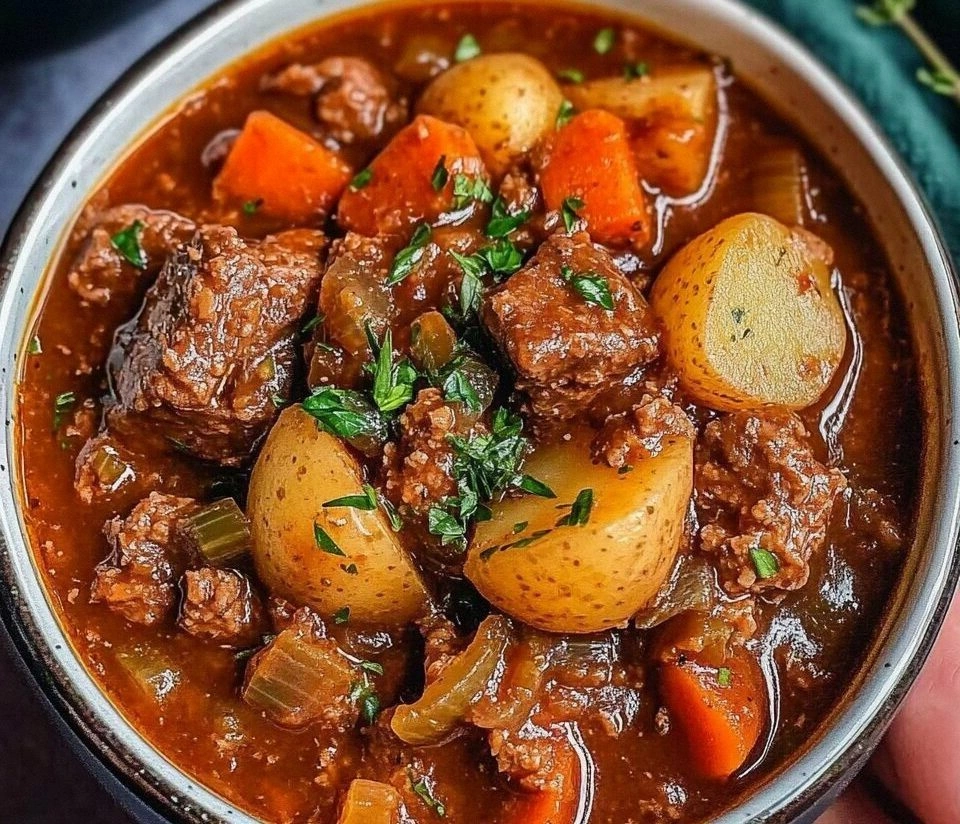
Texture Perfection: The vegan beef cubes are pre‑cooked, allowing them to absorb the broth without falling apart. The vegetables are cut to the right size so they stay tender yet firm, providing a satisfying bite.
Quick Prep: With a prep time of just 15 minutes, you can have a comforting bowl ready in less than an hour. It’s the perfect weeknight dinner for anyone who loves great food without the wait.
Versatility: This stew works wonderfully as a main course or a hearty side. Add a side of crusty bread, or serve it over rice or mashed potatoes for a filling meal.
Make‑Ahead Friendly: The flavors only deepen when the stew sits overnight. Store it in the fridge or freeze it for a quick meal later.
All‑Vegetarian Ingredients: Every component is plant‑based, yet the dish delivers the same comforting satisfaction as a traditional beef stew. It’s the ultimate comfort food for vegans and meat‑eaters alike.
Alright, let's break down exactly what goes into this masterpiece…
Inside the Ingredient List
The Flavor Base
Olive Oil: This isn’t just a cooking medium—it’s the first layer of flavor. Sautéing onions, garlic, and carrots in olive oil releases their natural sugars, creating a caramelized foundation that sets the tone for the entire stew.
Onion & Garlic: The classic duo that never fails. They provide a savory backbone. If you’re sensitive to garlic, use a smaller amount, but don’t skip it entirely; it’s the secret to that deep, comforting aroma.
Carrots & Celery: These vegetables add sweetness and earthiness. They also bring a satisfying crunch if you leave them slightly under‑cooked. Skipping them would result in a flatter, less complex flavor profile.
The Texture Crew
Vegan Beef Cubes: The star of the show. Choose a high‑quality brand that’s pre‑cooked or quick‑cooking. They should hold their shape during simmering. If you use frozen cubes, thaw them first to avoid a watery stew.
Potatoes: They absorb the broth and become silky, creamy in texture. Dice them uniformly to ensure even cooking. Skipping potatoes would make the stew less hearty.
Mushrooms: They add a meaty umami flavor and a pleasant bite. Sauté them until golden before adding the rest of the liquids.
The Unexpected Star
Red Wine: A splash of red wine not only deepens the color but also brings a subtle acidity that balances the richness. If you’re not into alcohol, replace it with a little beet juice or extra broth.
Tomato Paste: It thickens the broth and adds a sweet, tangy depth. Stir it in early to avoid raw tomato flavor. If you’re vegan and avoid tomato paste, a puree of sun‑dried tomatoes works as a great substitute.
The Final Flourish
Herbs & Spices: Smoked paprika, dried thyme, bay leaf, and a pinch of pepper create an aromatic bouquet. The bay leaf is essential for that earthy undertone; remove it before serving.
Vegan Worcestershire Sauce & Soy Sauce: These add depth and saltiness. They’re the secret to a savory, umami‑rich broth that mimics the classic beef flavor profile.
Flour: A light dusting of flour thickens the stew without making it heavy. Use it at the beginning of the cooking process to create a roux, then let it cook for a minute before adding liquids.
Everything's prepped? Good. Let's get into the real action...
The Method — Step by Step
- Heat the olive oil in a large Dutch oven over medium heat. Add the diced onion and sauté until translucent, about 3–4 minutes. The onions should soften and start to caramelize, giving off that sweet, buttery aroma that signals the base is forming. This is the moment of truth—don’t rush it; the flavor develops here.
- Add the minced garlic, sliced carrots, and celery. Stir for 2–3 minutes until the vegetables start to soften. The garlic should release its fragrance but not burn; a quick sizzle indicates the right heat. Keep the mixture moving to avoid sticking.
- Introduce the mushrooms and sauté until they release their juices and begin to brown. This step locks in umami and adds a meaty texture that complements the vegan beef cubes. The mushrooms should look glossy and slightly caramelized.
- Stir in the flour to create a light roux. Cook for 1–2 minutes, allowing the flour to toast slightly. This will help thicken the stew without a grainy texture. The mixture should look like a light brown paste.
- Pour in the tomato paste, red wine, and soy sauce, stirring constantly to prevent lumps. The liquid should bubble gently, and the tomato paste should coat the vegetables evenly. This is where the stew starts to take on its rich color.
- Add the vegan beef cubes, diced potatoes, and frozen peas. Stir to combine, ensuring everything is coated in the flavorful mixture. Then pour in the vegetable broth, add the bay leaf, smoked paprika, thyme, salt, and pepper. Bring the mixture to a gentle boil, then reduce the heat to low.
- Cover the pot and let it simmer for 25–30 minutes, or until the potatoes are tender and the stew has thickened. Occasionally stir to prevent sticking. The broth should reduce slightly, concentrating the flavors.
- Finish with a splash of vegan Worcestershire sauce and a sprinkle of fresh parsley. Taste and adjust seasoning as needed. Remove the bay leaf before serving. The stew should be thick, fragrant, and ready to be plated.
That's it — you did it. But hold on, I've got a few more tricks that'll take this to another level…
Insider Tricks for Flawless Results
The Temperature Rule Nobody Follows
Why it matters: Maintaining a steady simmer ensures the vegetables cook evenly and the broth thickens naturally. Too high a heat will break down the vegan beef cubes, while too low will leave the stew watery. I learned this the hard way after a batch turned into a soggy mess. Keep the flame low and let the stew breathe.
Why Your Nose Knows Best
What to listen for: The aroma is your best indicator of doneness. When the stew smells like roasted garlic and caramelized onions, you’re almost there. If it still smells raw, give it a few more minutes. Trust your senses; they’re your secret weapon.
The 5-Minute Rest That Changes Everything
Why it works: Letting the stew rest for 5 minutes after turning off the heat allows the flavors to meld. The residual heat continues to cook the vegetables, and the broth thickens slightly. This step ensures a richer, more cohesive taste.
A Quick Thaw Trick
How to do it: If you’re using frozen vegan beef cubes, thaw them in a colander under cold water for 5 minutes before cooking. This prevents them from releasing excess water into the stew, which can dilute the broth.
The Right Salt Timing
When to add: Add salt early in the cooking process to help the vegetables release moisture, but taste the stew before the final addition. Over‑salting at the end can make the broth taste flat. A pinch at the end is usually enough.
Creative Twists and Variations
This recipe is a playground. Here are some of my favorite ways to switch things up:
Spicy Chili Version
Add a diced jalapeño and a teaspoon of cumin to the base. Swap the smoked paprika for chipotle powder. This version delivers a smoky heat that pairs beautifully with a side of cilantro‑lime rice.
Herb Garden Delight
Replace the thyme with rosemary and add a handful of fresh basil at the end. The bright, fresh herbs give the stew a Mediterranean vibe, perfect for a light summer dinner.
Cheesy Cauliflower Twist
In the last 5 minutes of cooking, stir in a handful of nutritional yeast and a splash of non‑dairy milk. The result is a creamy, cheese‑like texture that’s surprisingly comforting.
Root Vegetable Boost
Swap the potatoes for sweet potatoes and add a diced parsnip. The natural sweetness complements the savory broth, creating a balanced flavor profile.
Asian Fusion
Replace the soy sauce with tamari, add a splash of sesame oil, and finish with chopped scallions. Serve over jasmine rice for a quick, satisfying meal.
Storing and Bringing It Back to Life
Fridge Storage
Cool the stew completely before transferring it to a glass or BPA‑free plastic container. Store in the fridge for up to 4 days. The flavors will deepen over time, making it even more delicious.
Freezer Friendly
Divide the stew into portion‑sized containers or freezer bags. Label with the date and freeze for up to 3 months. Thaw overnight in the fridge before reheating.
Best Reheating Method
Reheat gently on the stovetop over low heat, adding a splash of water or broth to loosen the sauce. Stir frequently to prevent scorching. A quick 5‑minute rest before serving enhances the flavor.
Add a tiny splash of water before reheating — it steams back to perfection. Keep the heat low and stir until the stew is hot and fragrant.