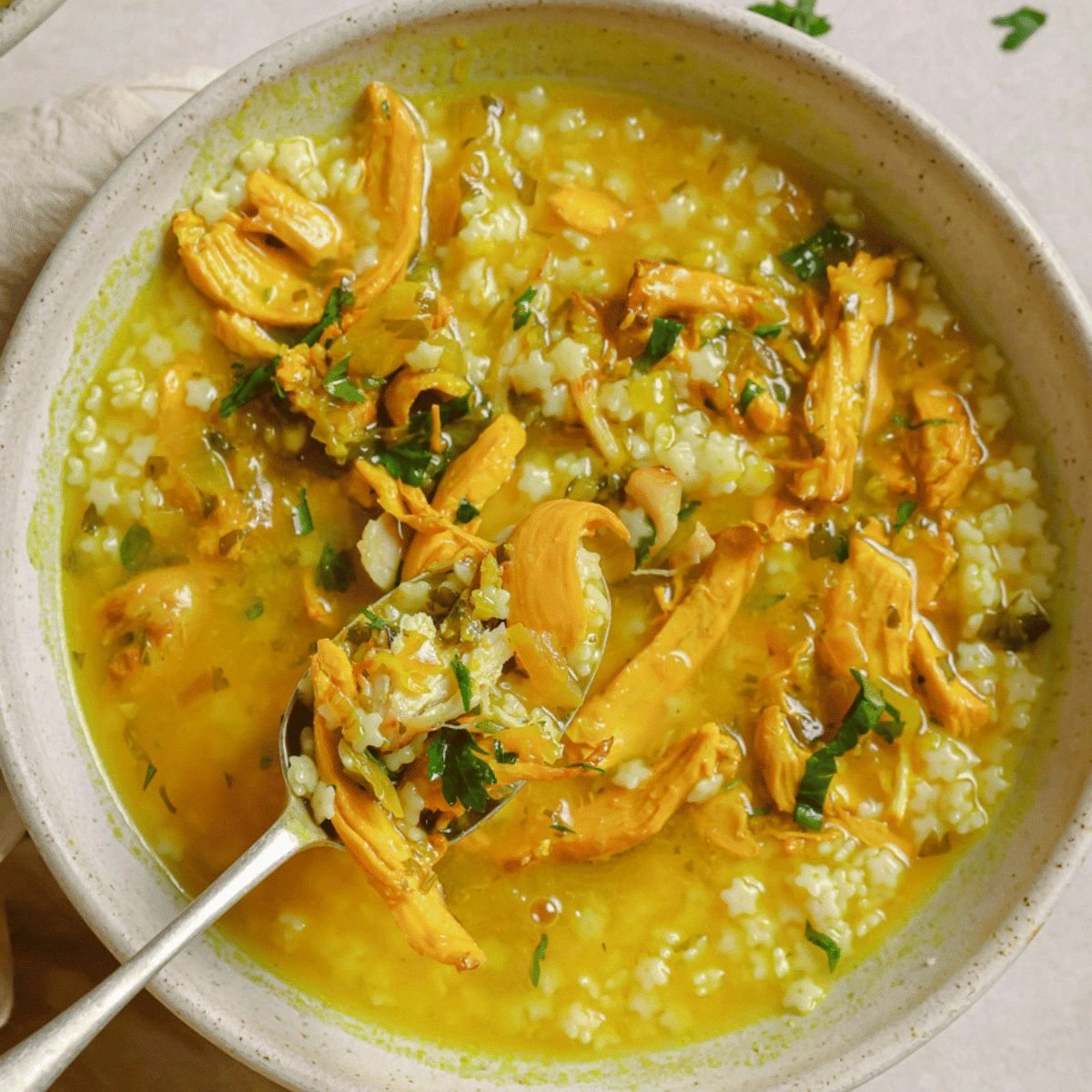
Ever watched a pot roast chicken turn into a smoky, caramelized masterpiece while you’re just trying to keep the kitchen from turning into a crime scene? I’ve been there: a burnt skillet, a missing lid, a sudden craving for something that feels both comforting and sophisticated. I swore to myself that if I could tame the chaos and coax out a dish that smells like a summer garden and tastes like a hug, I’d share it with anyone who’d listen.
Picture this: the air is thick with the citrusy perfume of lemon zest mingling with the earthy aroma of rosemary, thyme, and a hint of garlic. Your oven is preheated, the chicken is searing, and the sizzle that rises from the pan is a soundtrack to a culinary triumph. The texture? Juicy, tender meat that falls off the bone, enveloped by a sauce that glistens like a fine wine on a glass. The feel of a golden crust that cracks with a satisfying snap is the visual promise that everything worked.
What makes this version of Lemon Herb Pot Roast Chicken R stand out is that it’s not just another “roast chicken” recipe. It’s a carefully orchestrated symphony where each ingredient plays a distinct role—lemon brightens the sauce, herbs infuse depth, and a splash of white wine adds a subtle sweetness. The balance between savory and citrusy is achieved with a precise timing of searing and slow roasting, ensuring the flavors meld without losing their individual character.
But here’s the twist you won’t see in most pot roast chicken posts: a light flour or cornstarch slurry is added just before the final simmer to give the sauce a silky, glossy finish. This small step turns a simple broth into a luscious, coat‑the‑meat sauce that feels luxurious. I dare you to taste this and not go back for seconds.
If you’ve ever struggled with chicken that ends up dry or a sauce that’s too watery, you’re not alone. I’ve had my fair share of kitchen missteps—once, a forgotten lid left the chicken dry and the sauce a sad, thin broth. I’ll be honest: I ate half the batch before anyone else got to try it. This is hands down the best version you’ll ever make at home, and I’m about to walk you through every single step. By the end, you’ll wonder how you ever made it any other way.
What Makes This Version Stand Out
- Flavor Depth: The combination of lemon zest, rosemary, thyme, and a splash of white wine creates a bright, aromatic profile that lifts the chicken’s natural flavor.
- Texture Contrast: Crispy, caramelized edges meet a melt‑in‑your‑mouth interior, thanks to the high‑heat sear followed by low‑heat slow roasting.
- Easy Prep: Minimal prep time—most of the work happens while the chicken cooks, freeing you to relax or entertain.
- Versatile Sides: The roasted vegetables soak up the sauce, making them the perfect accompaniment without extra steps.
- Make‑Ahead Friendly: You can assemble the dish and let it cook while you’re away; the flavors only improve with time.
- Visual Appeal: The golden crust and glossy sauce make for a stunning presentation that will wow guests.
- Ingredient Quality: Fresh, high‑quality herbs and lemons are the secret to a vibrant, authentic taste.
- Health Conscious: Low in added fats, the dish is naturally lean, especially if you trim the skin before serving.
Alright, let’s break down exactly what goes into this masterpiece…
Inside the Ingredient List
The Flavor Base
The foundation of this dish starts with the citrusy brightness of fresh lemons—both zest and juice. The zest releases essential oils that give the sauce a fragrant kick, while the juice adds a subtle acidity that balances the richness of the chicken. If you’re short on fresh lemons, a splash of lemon juice and a pinch of lemon zest from a jar can do the trick, though the aroma won’t be as vibrant.
Fresh herbs are the next star. Rosemary, thyme, and parsley each bring their own distinct notes: rosemary offers a piney, resinous depth; thyme contributes a subtle earthiness; and parsley adds a bright, clean finish. If you’re using dried herbs, use about one-third the amount of fresh to avoid overpowering the dish.
White wine, optional but recommended, adds a subtle sweetness and acidity that helps deglaze the pan, capturing all the browned bits that carry flavor. If you prefer a non‑alcoholic version, replace the wine with an equal amount of chicken stock or a splash of apple cider vinegar diluted with water.
The Texture Crew
The chicken itself is the centerpiece. Using bone‑in, skin‑on thighs or whole chicken halves provides the moisture and flavor that keep the meat tender during the long roasting period. The skin crisps up beautifully, creating a textural contrast that elevates the dish. If you prefer white meat, substitute with chicken breasts, but be careful not to overcook them or they’ll dry out.
Vegetables like carrots and potatoes add both substance and sweetness. Their natural sugars caramelize during roasting, creating a sweet, savory glaze that complements the lemony sauce. If you’re feeling adventurous, add parsnips or sweet potatoes for a different flavor profile.
The sauce’s thickness is achieved by whisking a tablespoon of flour or cornstarch into a little water to create a slurry, then adding it to the pan during the last 10 minutes of cooking. This technique gives the sauce a silky, glossy finish that clings to the chicken and vegetables. Skip this step, and you’ll end up with a thin, watery broth.
The Unexpected Star
Butter is the unsung hero that brings everything together. Added at the end, it enriches the sauce, adds a subtle sheen, and helps the herbs bloom. If you’re avoiding dairy, a tablespoon of olive oil can be a decent substitute, though it won’t provide the same depth of flavor.
Garlic is the flavor enhancer that ties all the ingredients together. It’s sautéed with the onions at the beginning to release its sweet, mellow profile, preventing the raw sharpness that can dominate if added too late.
Salt and pepper are the final seasoning touch. Salt amplifies all the flavors, while pepper adds a mild heat that balances the lemon’s acidity. Use a flaky sea salt for a more pronounced crunch and a freshly ground pepper for a clean finish.
The Final Flourish
A squeeze of fresh lemon juice at the end brightens the sauce just before serving, adding a fresh burst that lifts the entire dish. A sprinkle of chopped parsley gives a pop of color and a final herbal note. If you’re serving family, consider offering a side of crusty bread to soak up the sauce—because, let’s be honest, the sauce is that good.
Everything’s prepped? Good. Let’s get into the real action…
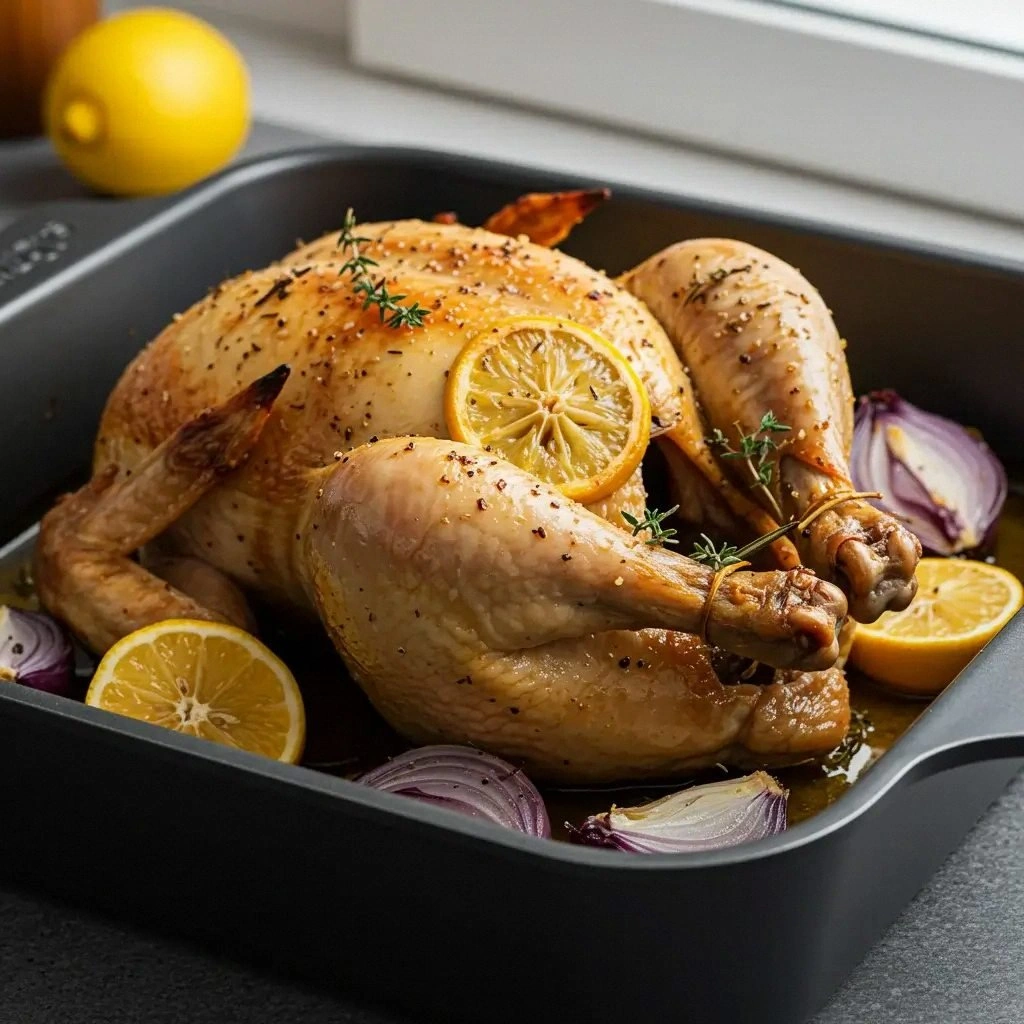
The Method — Step by Step
- Prep the Oven: Preheat your oven to 400°F (200°C). Line a roasting pan with parchment or a silicone mat. This step ensures an even cooking surface and prevents sticking. If you’re using a cast‑iron skillet, preheat it in the oven as well for a beautiful sear.
- Season the Chicken: Pat the chicken dry with paper towels. Rub each piece with olive oil, then season generously with salt, pepper, and half of the chopped rosemary and thyme. Let it rest for 10 minutes; this allows the seasoning to penetrate the meat.
- Sear the Chicken: Heat a large skillet over medium‑high heat. Place the chicken pieces skin side down and sear until golden brown, about 4–5 minutes. Flip and sear the other side for 3 minutes. This caramelization locks in juices. Kitchen Hack: Use a splatter guard while searing to keep the kitchen cleaner and the smoke down.
- Deglaze the Pan: Transfer the seared chicken to the roasting pan. In the same skillet, add the chopped onion and a splash of white wine to deglaze, scraping up all the browned bits. These bits are flavor gold—don’t let them fall to the floor.
- Add Aromatics: Stir in the minced garlic, remaining rosemary, thyme, and parsley. Cook for 1 minute until fragrant. Watch Out: Be careful not to burn the garlic; it can turn bitter if left on high heat for too long.
- Introduce Liquids: Pour in the chicken stock, water, and lemon juice. Add the carrots and potatoes around the chicken. Bring the mixture to a gentle boil. The liquid should reach just below the vegetables, creating a steaming environment.
- Roast: Transfer the skillet or roasting pan to the preheated oven. Roast for 30 minutes, then reduce the heat to 350°F (175°C) and continue roasting for another 20–25 minutes, or until the internal temperature reaches 165°F (74°C). The sauce should reduce and thicken slightly. Kitchen Hack: If your oven has a convection setting, use it to ensure even cooking and a crispier skin.
- Finish the Sauce: Remove the pan from the oven and transfer the chicken to a cutting board. Whisk the flour or cornstarch slurry into a small bowl with 1/4 cup of the pan liquid to avoid lumps. Return the slurry to the pan and whisk until the sauce thickens to a glossy consistency. Stir in the butter until melted.
- Rest and Serve: Let the chicken rest for 5 minutes before carving. This allows juices to redistribute, ensuring every bite is moist. Serve the chicken on a bed of the roasted vegetables, spooning the thickened sauce over the top. Finish with a squeeze of fresh lemon juice and a sprinkle of parsley.
That’s it — you did it. But hold on, I’ve got a few more tricks that will take this to another level. Trust me, they’re worth the extra minute.
Insider Tricks for Flawless Results
The Temperature Rule Nobody Follows
Many people roast chicken at a single high temperature, which can dry out the meat. Instead, start with a high heat to sear and then lower it for the bulk of the cooking. This method locks in juices while still allowing the skin to crisp up. I once tried roasting at 400°F all the way through, and the chicken was dry; this two‑stage approach saved the day.
Why Your Nose Knows Best
During the final 10 minutes of roasting, the sauce will start to thicken and the aroma will intensify. Trust your nose to tell you when it’s ready to remove from the oven—if the smell is a bright, citrusy, roasted herb scent, it’s perfect. I’ve found that the scent alone can tell you the dish is ready, saving you from a time‑clock‑only approach.
The 5-Minute Rest That Changes Everything
Letting the chicken rest after roasting is not just a fancy rule; it’s science. Resting allows the juices to redistribute throughout the meat, preventing them from spilling out onto the cutting board. A 5‑minute rest is enough to lock in moisture without cooling the dish too much.
The Secret of a Glazed Finish
Adding a tablespoon of butter at the end of the sauce not only gives it a silky shine but also rounds out the flavors. The butter’s fat content helps carry the herbs and lemon through every bite. If you’re vegan, a splash of coconut milk can mimic this effect, though the taste will differ slightly.
The One‑Minute Trick to Avoid Over‑Roasted Vegetables
Vegetables can overcook faster than chicken. To keep them crisp, toss them in a little olive oil and a pinch of salt before roasting, and place them on the side of the pan rather than directly on top of the chicken. This allows the heat to circulate and caramelize them evenly.
Creative Twists and Variations
This recipe is a playground. Here are some of my favorite ways to switch things up:
Asian‑Inspired Glaze
Swap the white wine for soy sauce and add a splash of sesame oil. Finish with a sprinkle of toasted sesame seeds. The umami and nutty notes give the dish an entirely new dimension, perfect for those who love a little kick.
Herb‑Infused Butter
Mix softened butter with minced garlic, chopped dill, and a pinch of lemon zest. Spread it over the chicken before roasting for a richer, more aromatic crust. This variation adds a luxurious depth that feels indulgent.
Smoky Paprika Base
Add a teaspoon of smoked paprika to the herb mix. The smoky flavor pairs beautifully with the lemon, creating a comforting, autumnal profile that’s ideal for cooler evenings.
Mediterranean Medley
Include chopped sun‑dried tomatoes and olives in the roasting pan. The briny, sweet flavors complement the lemon and herbs, turning the dish into a Mediterranean feast that’s both hearty and bright.
Spicy Cajun Kick
Stir in a tablespoon of Cajun seasoning and a pinch of cayenne pepper. The heat balances the citrusy brightness, offering a bold, flavorful experience for spice lovers.
Vegetarian Version
Replace chicken with a large block of firm tofu or a whole cauliflower head. Use vegetable stock and double the herbs for a plant‑based twist that still delivers the same aromatic, satisfying experience.
Storing and Bringing It Back to Life
Fridge Storage
Let the dish cool completely before refrigerating. Store in an airtight container for up to 3 days. The sauce will thicken in the fridge, so reheat gently and add a splash of water or stock to restore its silky texture.
Freezer Friendly
Cool the chicken and vegetables separately from the sauce. Freeze the chicken and veggies in a single layer on a baking sheet before transferring to a freezer bag. The sauce can be frozen in a small container and reheated with a bit of broth.
Best Reheating Method
Reheat the dish in a covered skillet over medium heat, adding a tiny splash of water or stock. Stir occasionally until warmed through. The gentle heat prevents the meat from drying out and keeps the sauce glossy.