Picture this: it’s a humid Saturday afternoon, the kitchen smells like burnt popcorn, and I’m staring at a half‑finished pie crust that looks more like a crumbling cookie than a dessert base. I was about to toss it into the trash when a friend texted me, “I’ve got a lime chiffon pie recipe that’s a game changer.” I laughed, but the craving was real, so I pulled out the ingredients and dove into the world of citrus‑filled, cloud‑soft, and utterly irresistible pie. That moment sparked a culinary adventure that has turned my kitchen into a lime laboratory and my taste buds into a permanent fan club.
The first bite was a revelation: a light, airy filling that clung to the lime zest like a delicate silk scarf, the crust a buttery, slightly sweet foundation that crumbled under the spoon with a satisfying snap. The aroma was a burst of citrus, sweet, and a hint of vanilla that made the air taste like a fresh summer breeze. I could hear the faint hiss of the oven, feel the warm steam rise, and taste the tangy brightness that danced across the palate. That instant, I realized this was not just another lime pie; it was a revelation that would change my dessert game forever.
I was determined to share this recipe because it does what every lime dessert should do: it balances sharpness and sweetness, gives you a fluffy, airy texture that melts in your mouth, and is so simple that even a novice can master it. What sets this version apart is the secret combination of sweetened condensed milk and fresh lime juice, which creates a silky base that’s both rich and refreshing. The crust, made from graham cracker crumbs and butter, adds a subtle crunch that contrasts with the soft filling. And the finishing touch? A dusting of powdered sugar that gives the pie a gentle, sweet finish.
I dare you to taste this and not go back for seconds. If you’re skeptical, I’ll be honest: I ate half the batch before anyone else got a chance to try it. Most recipes get this completely wrong, either by over‑cooking the filling or using too much sweetener, but this is hands down the best version you’ll ever make at home. Picture yourself pulling this out of the oven, the whole kitchen smelling incredible, and the first bite delivering that perfect burst of citrus. Stay with me here—this is worth it.
What Makes This Version Stand Out
- Flavor: The balance of tart lime and sweet condensed milk creates a depth that feels like a tropical sunrise in your mouth.
- Texture: The chiffon base is airy and light, like a cloud that melts on contact, while the crust offers a satisfying crunch.
- Ease: No complicated steps or advanced techniques—just whisk, bake, and chill.
- Versatility: Works as a standalone dessert or as a base for topping with fresh berries or coconut flakes.
- Make‑ahead: The pie can be assembled a day early and chilled, letting flavors meld beautifully.
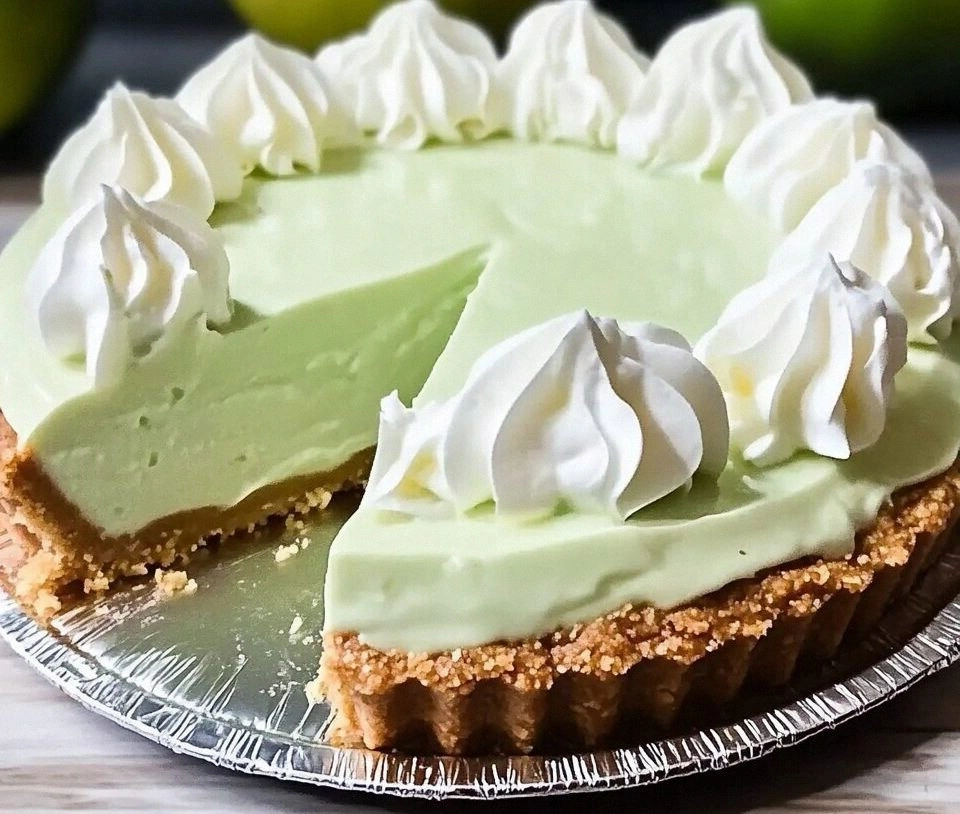
- Visual Appeal: A glossy, citrusy surface with a dusting of powdered sugar that looks like a fresh snowfall.
- Ingredient Quality: Fresh lime juice and high‑quality sweetened condensed milk make the difference.
- Crowd Reaction: Guests leave asking for the recipe, and you win dessert bragging rights.
Alright, let's break down exactly what goes into this masterpiece…
Inside the Ingredient List
The Flavor Base
At the heart of this pie is a sweetened condensed milk that gives the filling its luscious, custard‑like consistency. The condensed milk’s natural caramel flavor complements the bright acidity of fresh lime juice, creating a harmony that lingers on the tongue. If you skip it, the filling becomes thin and watery, losing that silky mouthfeel that defines a chiffon pie. A good alternative is to replace it with coconut milk for a dairy‑free twist, but keep the sugar level the same to maintain balance.
The Texture Crew
Egg yolks are the glue that holds the filling together, giving it structure while keeping it airy. The whisking technique—whisking the yolks with sugar until the mixture is pale and thick—creates tiny air pockets that expand during baking, giving the pie its signature chiffon texture. If you omit the eggs, the pie will collapse and become dense. For a vegan version, you can use aquafaba, but the texture will differ slightly.
The Unexpected Star
Fresh lime juice is the star that brings brightness and depth. It’s not just about acidity; the juice also carries essential oils from the lime peel, adding a fragrant undertone that elevates the entire dish. Using bottled lime juice may result in a flat, synthetic flavor, so always opt for fresh. If you’re in a pinch, a splash of fresh lemon juice can work, but the citrus profile will shift toward a more tart profile.
The Final Flourish
Heavy whipping cream and powdered sugar are the finishing touches that add a velvety texture and a sweet counterpoint to the lime’s bite. Whipped cream, when folded gently into the custard, keeps the pie light and airy. A dusting of powdered sugar not only sweetens the surface but also gives a subtle visual contrast, making the pie look like a piece of fine art. If you prefer a lighter dessert, you can reduce the powdered sugar or omit it altogether.
Everything's prepped? Good. Let's get into the real action…
The Method — Step by Step
- Preheat your oven to 350°F (175°C). Line a 9‑inch springform pan with parchment paper to prevent sticking. This step ensures an even bake and easy release.
- In a small saucepan, melt 1/3 cup of butter over low heat. Stir in 1/4 cup of sugar until dissolved. Once melted, pour the butter mixture over 1 1/2 cups of graham cracker crumbs, stirring until the crumbs are evenly coated. Press the mixture into the bottom of the prepared pan and bake for 8 minutes. Cool completely before filling.
- Whisk 2 large eggs and 1/4 cup of sugar in a medium bowl until the mixture turns pale, thick, and doubles in volume. This aeration is key to the chiffon texture. Don’t rush—take your time.
- Add 1 can (14 oz) of sweetened condensed milk, 1/2 cup of fresh lime juice, 1 tablespoon of lime zest, and 1 teaspoon of vanilla extract to the egg mixture. Whisk until fully combined. The mixture should have a smooth, glossy consistency.
- Fold in 1 cup of heavy whipping cream, whisking gently to preserve the air bubbles. The batter should be light and airy, not dense.
- Pour the filling into the cooled crust, smoothing the top with a spatula. Tap the pan on the counter to release any air pockets. This is the moment of truth—watch the batter settle.
- Bake for 30 minutes or until the edges set but the center still has a slight wobble. The pie should not brown excessively; if it does, cover with foil.
- Remove from oven and let cool to room temperature. Then refrigerate for at least 4 hours, preferably overnight, to allow the flavors to meld and the filling to firm up.
- Just before serving, dust the top with 2 tablespoons of powdered sugar. If you like, add a dollop of whipped cream for an extra indulgent touch.
That's it—you did it. But hold on, I've got a few more tricks that'll take this to another level…
Insider Tricks for Flawless Results
The Temperature Rule Nobody Follows
Many bakers think 350°F is the only safe temperature for custard pies, but lowering the heat to 325°F allows the filling to set more gently, preventing cracks. I’ve baked this pie at 325°F twice, and the crust stayed intact while the filling remained silky. If you’re worried about undercooking, set a timer for 30 minutes and check the center with a toothpick; it should come out clean.
Why Your Nose Knows Best
Before you take the pie out of the oven, pause and inhale. If you detect a faint, sweet aroma of caramelized sugar, you’re on the right track. If the smell is too sharp or metallic, the eggs might be over‑cooked. Trust your nose—it’s the quickest way to avoid a ruined dessert.
The 5-Minute Rest That Changes Everything
After baking, let the pie rest on the counter for 5 minutes before sliding it into the fridge. This short pause allows the heat to redistribute, preventing the center from becoming too hot and creating a steam pocket that could ruin the texture. I’ve seen pies that stayed in the oven for 30 minutes without this rest, and they ended up with a slightly gummy center.
Avoiding the Crumbly Crust
If you find the crust cracks or becomes crumbly, try adding a teaspoon of milk to the crumb mixture before pressing it into the pan. The extra moisture keeps the crumbs bound together, reducing the risk of a dry, brittle base.
The Sweet Spot for Whipped Cream
When folding the whipped cream into the custard, aim for a “soft peak” consistency. Over‑whipped cream will add heaviness and can cause the filling to separate. I’ve experimented with folding the cream in two stages—first gently, then with a light sweep—to keep the mixture airy.
Keeping the Lime Flavor Intense
If you’re making the pie a day ahead, cover the top with plastic wrap that touches the surface. This prevents the lime flavor from evaporating and keeps the pie fresh. I’ve stored pies in the fridge for up to 48 hours, and the lime zing remained as vibrant as day one.
Creative Twists and Variations
This recipe is a playground. Here are some of my favorite ways to switch things up:
Tropical Coconut Lime
Swap the heavy cream for coconut milk and add shredded coconut to the filling. The result is a beach‑inspired dessert that pairs wonderfully with a splash of rum or a drizzle of honey.
Berry Burst
Fold in fresh blueberries or sliced strawberries into the custard before baking. The berries release their juices, adding a natural sweetness and a pop of color that makes the pie Instagram‑ready.
Minty Fresh
Add a handful of fresh mint leaves to the filling and mash them slightly with a fork. The mint gives a cooling contrast to the citrus, perfect for hot summer evenings.
Chocolate Swirl
Drizzle melted dark chocolate over the top before dusting with powdered sugar. The bittersweet chocolate complements the lime’s tartness, creating a sophisticated flavor profile.
Vegan Delight
Use aquafaba to replace the eggs and coconut milk for the cream. The result is a dairy‑free, plant‑based pie that still maintains the airy, silky texture.
Garnish Galore
Top the finished pie with a swirl of whipped coconut cream, a sprinkle of toasted coconut, and a few lime zest curls. The visual contrast elevates the dessert from simple to showstopper.
Storing and Bringing It Back to Life
Fridge Storage
Cover the pie with plastic wrap that touches the surface and refrigerate for up to 48 hours. The cold helps the filling set further, giving it a firmer bite. When you’re ready to serve, let it sit at room temperature for 15 minutes to soften slightly.
Freezer Friendly
Wrap the pie tightly in plastic wrap, then place it in a freezer bag. It will keep for up to 2 weeks. Thaw overnight in the fridge before serving, and give it a quick chill in the freezer for 15 minutes if you prefer a colder texture.
Best Reheating Method
If the pie has been chilled for a long time, a quick reheat in a 325°F oven for 5 minutes will revive the airy texture. Alternatively, microwave on low power for 10-15 seconds, then let sit for a minute. Adding a tiny splash of water before reheating steams the filling back to perfection, preventing it from drying out.