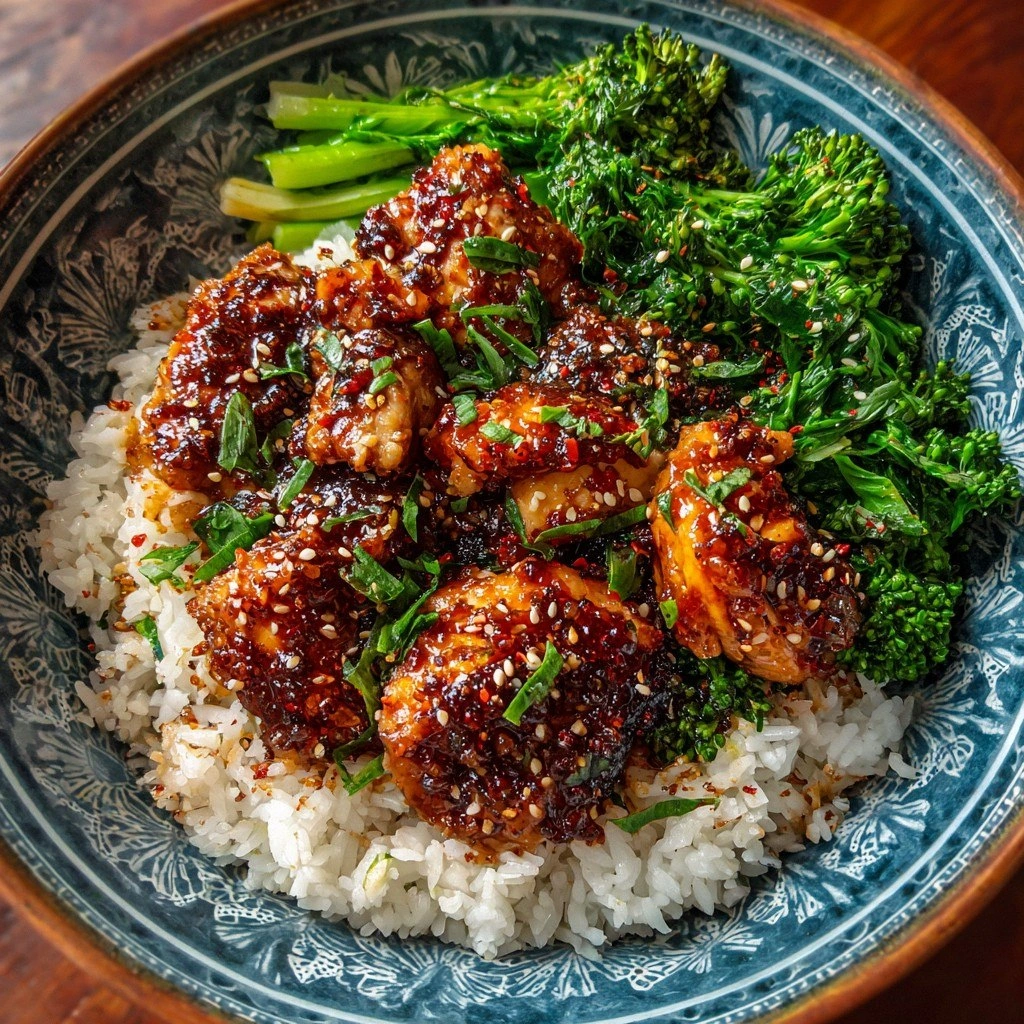
Picture this: it’s a rainy Tuesday evening, the kitchen lights flicker like distant stars, and you’re standing over a pan that’s about to become the star of the night. I’ve been chasing that elusive, silky‑sauce comfort dish for months, and then—boom!—I stumbled on a recipe that turned my ordinary stir‑fry into a culinary revelation. The aroma that wafts from the moment the garlic hits hot oil is like a warm hug, and the first bite is a dance of tender chicken, crisp broccoli, and a glossy sauce that coats everything like velvet. If you’ve ever felt like a stir‑fry was just another quick meal, this is hands down the best version you’ll ever make at home.
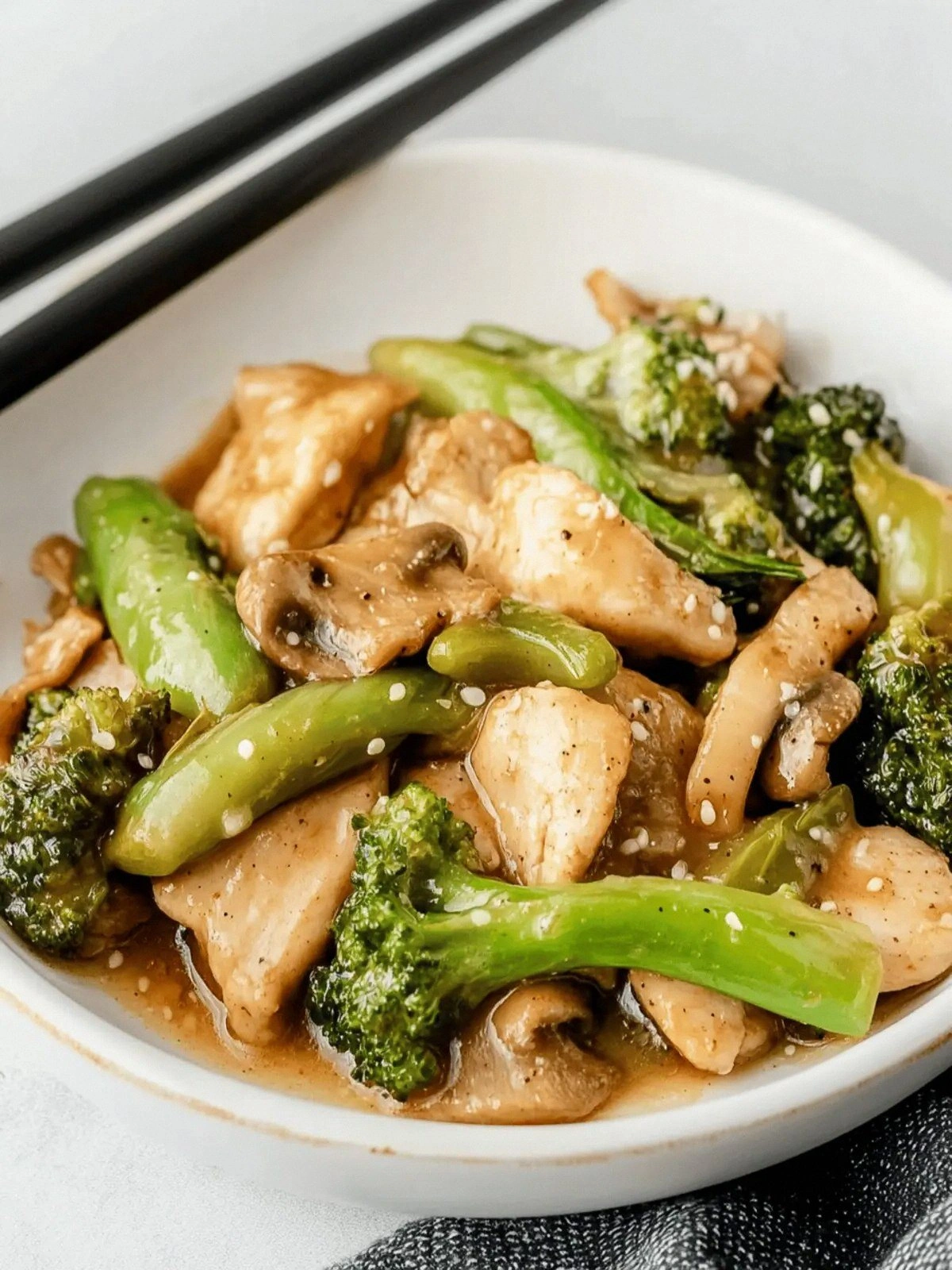
Now, let’s get real—this isn’t just about the taste. It’s about texture, color, and that satisfying snap of snow peas that shatters like thin ice. The sauce, a perfect balance of soy, rice vinegar, and a whisper of sugar, creates a glossy sheen that makes each bite feel like a bite of liquid gold. And the secret? Whole straw mushrooms add a chewy, earthy undertone that elevates the dish from “meh” to “wow.” I dare you to taste this and not go back for seconds.
Picture yourself pulling this out of the pan, the whole kitchen smelling incredible, and every guest leaning in for the first forkful. I’ve spent hours tweaking, testing, and tweaking again—until I found the sweet spot where the sauce is thick enough to cling but thin enough to flow. The result is a dish that feels like a hug in a bowl, a comforting embrace that’s both quick to make and impossible to resist.
If you’ve ever struggled with achieving that silky texture in a stir‑fry, you’re not alone—and I’ve got the fix. I’ll walk you through every single step, from the first sizzling sizzle to the final flourish of parsley flakes. By the end, you’ll wonder how you ever made it any other way.
What Makes This Version Stand Out
- Flavor: A harmonious blend of umami from soy and the subtle sweetness of sugar, balanced with the sharpness of rice vinegar.
- Texture: Tender chicken, crisp broccoli, and the chewy bite of whole straw mushrooms create a multi‑dimensional mouthfeel.
- Ease: Minimal prep with a single pan, making it a breeze for busy weeknights.
- Ingredient Quality: Fresh mushrooms and organic broccoli elevate the dish beyond the generic supermarket version.
- Visual Appeal: Bright green veggies against a glossy, amber sauce that glistens.
- Make‑Ahead: The sauce can be pre‑made and stored; just reheat and stir‑fry the day of service.
- Audience: Crowd‑pleaser—guests rave about the silky sauce and the crunchy vegetables.
- Versatility: Works with any protein or even tofu for a vegetarian twist.
Alright, let's break down exactly what goes into this masterpiece…
Inside the Ingredient List
The Flavor Base
The heart of this dish is the sauce—a simple yet powerful concoction that turns ordinary veggies into a showstopper. Combine 1/4 cup soy sauce, 1 tablespoon rice vinegar, 1 tablespoon sugar, 1/2 cup chicken broth, and 1 teaspoon garlic salt with parsley flakes. The soy provides umami, the vinegar cuts through the sweetness, and the sugar adds a gentle caramelization. If you’re looking to cut calories, swap the sugar for a splash of honey or a sugar‑free sweetener; the sauce still retains its glossy sheen.
The Texture Crew
Broccoli florets, snow peas, and sliced water chestnuts bring a spectrum of textures—from the firm crunch of broccoli to the tender snap of snow peas and the slightly chewy bite of water chestnuts. Fresh mushrooms add a meaty umami depth, while whole straw mushrooms offer an unexpected chew that keeps each bite interesting. Skipping any of these veggies changes the dish’s balance; for instance, omitting the water chestnuts removes that delightful crunch that contrasts the soft chicken.
The Unexpected Star
Whole straw mushrooms might seem like an odd choice, but they’re the secret weapon that elevates this stir‑fry. Their earthy flavor complements the savory sauce, and their fibrous texture adds a satisfying chew. If you can’t find them, button mushrooms sliced thickly will work, but the chew will be less pronounced. A quick tip: soak sliced mushrooms in warm water for 5 minutes before cooking to keep them moist and prevent them from drying out.
The Final Flourish
Garlic and parsley flakes are the finishing touches that tie everything together. The garlic adds a punchy aroma, while the parsley flakes give a fresh, herbal lift that brightens the dish. If you’re not a fan of parsley, try a sprinkle of chopped scallions instead; the result will still be vibrant.
Everything's prepped? Good. Let's get into the real action…
The Method — Step by Step
- Prep the Chicken: Cut the 1-pound chicken breast into bite‑size cubes. Toss the cubes in 1 tablespoon of corn starch until they’re lightly coated. This creates a silky coating that locks in moisture during the stir‑fry. Let the chicken rest for 5 minutes while you prep the veggies; this small pause ensures a juicy finish.
- Veggie Parade: Slice the 8 ounces of fresh mushrooms, chop the 2 cups of broccoli into florets, slice the 1 cup of water chestnuts, and separate the 1 cup of snow peas. The vegetables should be roughly the same size for even cooking. A quick trick: blanch the broccoli florets in boiling water for 30 seconds, then shock them in ice water to preserve their bright green color.
- Make the Sauce: In a small bowl, whisk together 1/4 cup soy sauce, 1 tablespoon rice vinegar, 1 tablespoon sugar, 1/2 cup chicken broth, and 1 teaspoon garlic salt with parsley flakes. Taste the mixture; it should have a balanced savory‑sweet profile. Set aside while the pan heats up.
- Heat the Pan: Add 2 tablespoons of vegetable oil to a hot wok or large skillet over medium‑high heat. When the oil shimmers, add the chicken pieces in a single layer. Let them sear for 2–3 minutes without stirring, allowing a golden crust to form. Flip the chicken once; it should release easily from the pan.
- Garlic Aromatics: Add the 2 cloves of minced garlic to the pan. Stir quickly for 30 seconds until fragrant—watch for the garlic to brown, as that’s when it becomes bitter. This step adds depth to the sauce and prevents the garlic from overpowering the delicate flavors of the veggies.
- Veggie Stir‑Fry: Toss in the sliced mushrooms, broccoli, snow peas, and water chestnuts. Stir‑fry for 3–4 minutes, allowing the veggies to soften but still retain a crisp bite. If the pan feels dry, splash a teaspoon of water to keep the veggies from sticking.
- Introduce the Sauce: Pour the pre‑made sauce over the mixture. Reduce the heat to medium and let the sauce simmer for 2 minutes, allowing it to thicken slightly. The sauce should coat the chicken and veggies, creating a glossy sheen that glistens in the light.
- Add the Straw Mushrooms: Stir in the 8 ounces of whole straw mushrooms. They need just 1–2 minutes to heat through and absorb the sauce. The mushrooms release a subtle earthy aroma that mingles with the garlic and soy.
- Finishing Touches: Taste the dish and adjust seasoning if needed—add a splash more soy or a pinch of sugar. Sprinkle parsley flakes for a fresh finish. Serve immediately over steamed jasmine rice or quinoa for a complete meal.
That’s it — you did it. But hold on, I've got a few more tricks that'll take this to another level. These insider tips will help you master the sauce, get that perfect crunch, and keep the dish looking restaurant‑grade every time.
Insider Tricks for Flawless Results
The Temperature Rule Nobody Follows
Many people cook stir‑fry on high heat, which can scorch the sauce. I always set the wok to medium‑high after searing the chicken and then drop to medium when adding the sauce. This controlled heat prevents the sugars from burning and keeps the sauce silky.
Why Your Nose Knows Best
When the garlic hits the hot oil, the aroma should be sweet and nutty. If it starts smelling sharp or bitter, reduce the heat immediately. Your nose is a reliable guide to the perfect cooking temperature.
The 5‑Minute Rest That Changes Everything
After you finish cooking, let the dish rest for 5 minutes before serving. This allows the sauce to redistribute, so every bite is evenly coated. It also gives the vegetables time to finish cooking gently.
Keep the Broth Fresh
Use a low‑sodium chicken broth for a cleaner flavor. If you’re on a low‑sodium diet, replace the broth with a homemade broth or a splash of water and add extra soy sauce for depth.
Use a Wide Pan for Even Cooking
A wide, heavy‑bottomed wok ensures even heat distribution, preventing hot spots that scorch the veggies. If you don’t have a wok, a large skillet works, but be sure to keep the pan moving.
Creative Twists and Variations
This recipe is a playground. Here are some of my favorite ways to switch things up:
Teriyaki Twist
Swap the soy sauce with teriyaki sauce and add a splash of mirin. The dish becomes sweeter and more aromatic, perfect for those who love a touch of caramelized flavor.
Spicy Szechuan
Incorporate 1 teaspoon of Szechuan peppercorns and 1 tablespoon of chili garlic sauce. The numbing heat will elevate the dish for spice lovers.
Vegetarian Vibes
Replace the chicken with firm tofu, cubed and lightly fried. The tofu will absorb the sauce, and the dish remains protein‑rich and satisfying.
Asian Noodle Fusion
Serve the stir‑fry over wide rice noodles or soba. Toss the noodles with a little sesame oil before adding the sauce for a complete noodle bowl.
Herb‑Infused Delight
Finish the dish with fresh basil or mint instead of parsley. The fresh herbs will add a bright, aromatic note that contrasts the savory sauce.
Low‑Calorie Lightness
Use a non‑stick skillet and reduce the oil to 1 tablespoon. Replace the chicken broth with low‑sodium vegetable broth and cut the soy sauce in half. The dish stays flavorful while cutting calories.
Storing and Bringing It Back to Life
Fridge Storage
Store the cooked dish in an airtight container in the refrigerator for up to 3 days. Keep the sauce separate if you prefer a fresher texture. Reheat gently over low heat, stirring occasionally, to prevent the sauce from separating.
Freezer Friendly
Freeze the stir‑fry in a freezer‑safe container for up to 2 months. When ready to eat, thaw overnight in the fridge and reheat on the stove with a splash of water to restore moisture.
Best Reheating Method
Heat a non‑stick pan over medium heat, add a teaspoon of water or broth, and cover for 2 minutes. The steam helps rehydrate the dish, and a quick stir ensures the sauce coats the veggies again.