I was standing in the middle of a kitchen that smelled like burnt toast and regret, flipping a pork tenderloin that had already been overcooked once and twice. The moment that hit me like a rogue peppercorn was when my friend dared me to create the ultimate roast that would have the entire house begging for seconds. I grabbed the pork, the garlic, the herbs, and a splash of balsamic vinegar, and I promised myself that this would be hands down the best version you'll ever make at home. The secret? A simple, almost ceremonial coating that turns a humble cut into a fragrant, caramelized masterpiece.
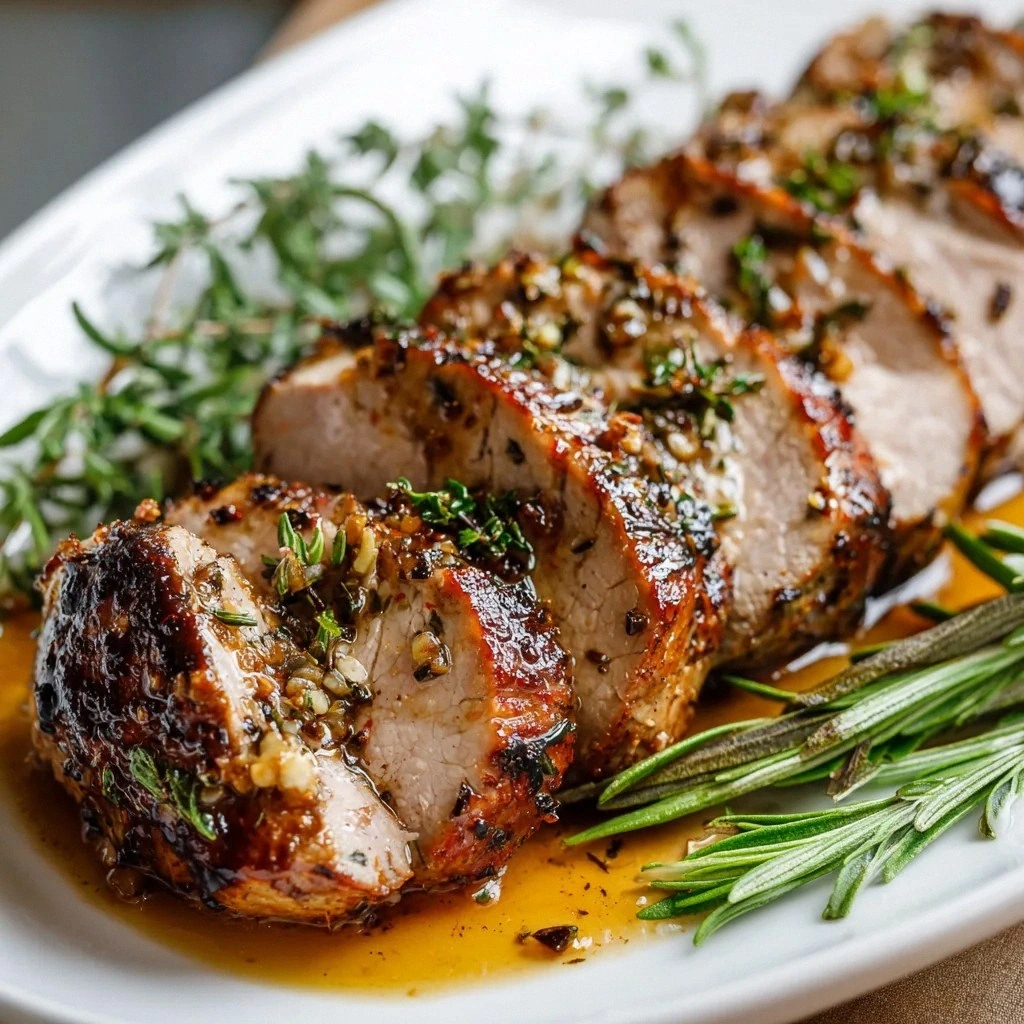
Picture yourself pulling this out of the oven, the whole kitchen smelling incredible, and the pork's surface gleaming with a glossy glaze that invites you to slice into it. The sizzle as the garlic hits the pan is absolute perfection, the sound a prelude to the burst of flavor that follows. The first bite is a tender, juicy bite of pork, followed by a whisper of rosemary, a hint of thyme, and a sweet, tangy finish from the balsamic. That moment when the crust cracks, releasing a puff of steam, is the kind of culinary magic that makes you question why you ever settled for anything else.
I’ll be honest — I ate half the batch before anyone else got to try it. The way the herbs meld with the meat creates a depth of flavor that is almost cinematic. Most recipes get this completely wrong by over-seasoning or under-cooking, but here we strike the perfect balance between a crunchy exterior and a melt-in-your-mouth interior. The technique I’ll share involves a quick sear that locks in juices and a slow roast that caramelizes the garlic without burning it.
If you've ever struggled with pork tenderloin, you're not alone — and I've got the fix. The key to success is simple: let the meat breathe, season generously, and let the oven do its thing. I dare you to taste this and not go back for seconds. And now, ready for the game‑changer? Let me walk you through every single step — by the end, you'll wonder how you ever made it any other way.
What Makes This Version Stand Out
- Flavor: The combination of fresh rosemary, thyme, and balsamic vinegar creates a complex, layered taste that feels both rustic and refined.
- Texture: A crisp, caramelized crust contrasts beautifully with the tender, juicy interior, giving each bite a satisfying bite‑and‑butter sensation.
- Simplicity: With only eight ingredients, this recipe is quick to assemble, freeing you to focus on the cooking process rather than a long prep list.
- Ingredient Quality: Using fresh herbs and high‑quality pork ensures that each component shines, turning a basic roast into a showstopper.
- Make‑ahead Potential: The dish can be prepared a day ahead, reheated, and still taste as fresh as when it first came out of the oven.
- Crowd Reaction: Even the most skeptical diners will be left asking for the recipe after tasting the aromatic, melt‑in‑your‑mouth pork.
Alright, let's break down exactly what goes into this masterpiece...
Inside the Ingredient List
The Flavor Base
Pork tenderloin is the star of the show! It’s lean, tender, and cooks quickly, making it perfect for busy nights. Fresh rosemary brings a piney, earthy taste that complements the pork beautifully. If you’re short on time, a dry rub of rosemary and thyme will still deliver a robust flavor, but fresh is the gold standard.
The Garlic Engine
Freshly minced garlic adds a robust flavor that elevates the dish. The garlic’s heat is tempered by the balsamic vinegar, creating a balanced, savory-sweet profile. Skipping garlic would leave the dish flat and uninspired; the aroma alone is worth every clove.
The Olive Oil Coating
Olive oil helps keep the pork moist while adding a rich, fruity flavor. It also assists in forming the golden crust during the sear. If you prefer a lighter finish, avocado oil is a great substitute, though the taste will shift slightly.
The Final Flourish
Balsamic vinegar adds a tangy sweetness that rounds out the flavors. If you don’t have balsamic, a splash of red wine vinegar can work, but it will be less sweet and more acidic. This ingredient is the final touch that ties all the elements together.
Everything's prepped? Good. Let's get into the real action...
The Method — Step by Step
- Preheat and Prep: Preheat your oven to 400°F (200°C). While the oven warms, pat the pork tenderloins dry with paper towels. Dry meat is essential for a crisp sear; moisture will steam the surface instead of browning it.
- Season Generously: In a small bowl, combine minced garlic, chopped rosemary, thyme, salt, and pepper. Rub the mixture all over each tenderloin, pressing it into the meat so it adheres. Let the seasoned pork sit at room temperature for 10 minutes to absorb the flavors.
- Sear the Pork: Heat a heavy skillet (preferably cast iron) over medium‑high heat and add 2 tablespoons of olive oil. Once the oil shimmers, place the tenderloins in the pan, searing each side for 2–3 minutes until a golden crust forms. The sizzle is a sign that the Maillard reaction is working its magic.
- Add Balsamic: Pour 1 tablespoon of balsamic vinegar into the skillet, letting it bubble and reduce slightly. This will create a glossy glaze that coats the pork as it roasts.
Slide the skillet into the preheated oven or transfer the pork to a baking sheet if your skillet isn’t oven‑safe. Roast for 15–18 minutes, or until the internal temperature reaches 145°F (63°C). The pork should look slightly translucent in the center, not pink. - Rest the Meat: Remove the pork from the oven and tent it loosely with foil. Let it rest for 5 minutes; this allows the juices to redistribute, ensuring every bite stays moist.
Slice the tenderloin into ½‑inch thick medallions. Drizzle any remaining pan juices over the slices. The result is a beautifully caramelized pork that’s as visually stunning as it is delicious. Garnish with a few extra sprigs of rosemary and thyme for a pop of color and a final aromatic boost.
That's it — you did it. But hold on, I've got a few more tricks that'll take this to another level...
Insider Tricks for Flawless Results
The Temperature Rule Nobody Follows
Many cooks overcook pork, thinking more time equals better flavor. In reality, pork is at its best at 145°F, and the residual heat will finish the job during the rest period. Using a digital thermometer is the only way to guarantee that perfect medium‑rare tenderness.
Why Your Nose Knows Best
When the garlic and herbs hit the pan, the aroma should rise like a fragrant cloud. If the scent is weak, the meat isn’t seared enough; if it’s overpowering, the garlic may be burning. Trust your nose to tell you when the flavor profile is just right.
The 5‑Minute Rest That Changes Everything
Resting is often overlooked, but it’s the secret to juicy pork. The juices redistribute, preventing them from spilling onto the cutting board. Skipping this step can leave you with dry, disappointing slices.
Use Fresh Herbs Over Dried
Fresh rosemary and thyme release more essential oils, giving the dish a brighter, more vibrant flavor. Dried herbs can be used in a pinch, but reduce the quantity by half to avoid bitterness.
Finish with a Splash of Citrus
A quick squeeze of lemon or a dash of orange zest right before serving adds a bright counterpoint to the rich, savory notes. This final touch elevates the dish from good to unforgettable.
Creative Twists and Variations
This recipe is a playground. Here are some of my favorite ways to switch things up:
Smoky Chipotle Glaze
Swap balsamic for chipotle‑infused honey and add a pinch of smoked paprika. The result is a smoky, slightly sweet glaze that pairs wonderfully with a side of roasted sweet potatoes.
Herb‑Infused Butter Finish
Melt butter with minced garlic and chopped parsley, then drizzle over the sliced pork. The butter adds richness and a subtle herbaceous finish that feels indulgent.
Asian Twist
Replace rosemary and thyme with fresh ginger and scallions, and use soy sauce instead of balsamic. This gives the dish an umami, slightly sweet profile that works great with steamed rice.
Spicy Cajun Version
Add a teaspoon of Cajun seasoning to the garlic rub and finish with a drizzle of hot sauce. The pork will have a spicy kick that’s balanced by the sweet balsamic reduction.
Vegan Adaptation
Use thick slices of marinated seitan or tempeh in place of pork, following the same sear and roast steps. The result is a plant‑based dish that still delivers the same caramelized, herbaceous flavor.
Storing and Bringing It Back to Life
Fridge Storage
Store leftovers in an airtight container in the refrigerator for up to 3 days. The pork will stay juicy and flavorful, especially if you keep the pan juices in the container.
Freezer Friendly
For longer storage, wrap each slice individually and place them in a freezer bag. They can be frozen for up to 2 months without losing quality. When you’re ready, thaw overnight in the refrigerator.
Best Reheating Method
Reheat in a preheated 350°F (175°C) oven for 10–12 minutes, or until warmed through. Add a splash of water or broth before reheating to create steam and keep the pork moist. Finish with a quick sear in a hot skillet for a fresh crust.