I was standing in my kitchen, staring at a bag of rotisserie chicken that had been sitting in the fridge for a week, when my roommate burst in with a frantic, “We need a dinner that’s instant, but still feels like a five‑star experience!” I was skeptical—how could something that was already cooked become a showstopper? That’s when I decided to turn the chicken into a stir‑fry with a twist that would make my taste buds do the salsa. I whisked together a sauce that feels like a silky drizzle of honey, but with the kick of heat that wakes your senses. The moment the hot honey hit the pan, the aroma turned from ordinary to “wow‑this smells like a summer BBQ.” The sizzle was a symphony, the green beans crisped to a satisfying snap, and the yellow bell peppers added that pop of color that made the dish look as good as it tasted. If you’re reading this, you’re about to see how a simple pantry staple can be transformed into something that feels like you just walked into a Michelin‑star kitchen.
Picture the scene: a skillet on the stove, the oil shimmering like a calm lake, and the garlic releasing a fragrant steam that makes the whole kitchen feel like a cozy campfire. The hot honey, with its golden sheen, coats the chicken, turning the meat into a glossy, caramelized masterpiece. The sesame oil adds a nutty depth, while the soy sauce brings that umami punch that lingers on the palate. I dare you to taste this and not go back for seconds; the flavor profile is a delicate dance between sweet, savory, and spicy that will keep you reaching for the next bite. This is hands down the best version you'll ever make at home because it’s not just a dish—it’s an experience that plays on texture, heat, and aroma. I’ll be honest— I ate half the batch before anyone else got to try it, and my friends still ask for the recipe a week later. And if you’ve ever struggled with making a rotisserie chicken dish that feels fresh, you’re not alone— and I’ve got the fix.
Most recipes get this completely wrong by treating the chicken as a side dish rather than the star. They forget that the sauce should be a living, breathing component that changes the entire narrative of the meal. What sets this version apart is the combination of hot honey and sesame oil, a pairing that most people overlook but which creates a sauce that coats the chicken like velvet, leaving a lingering warmth that’s both comforting and exciting. The green beans and bell peppers add a crisp contrast that breaks the richness, while the garlic and ginger provide a depth that’s almost aromatic. The secret? A light coating of corn starch that gives the sauce a silky, glossy finish without turning it into a gravy. This dish is a reminder that sometimes the simplest tweak—a splash of hot honey or a drizzle of toasted sesame oil—can elevate a humble meal into something unforgettable.
Imagine pulling this out of the oven, the whole kitchen smelling incredible, and then watching as the steam rises like a cloud of sweet heat. The first bite is a burst of sweet and spicy, the second a satisfying crunch from the beans, and the third a savory depth that makes you question why you ever settled for bland rotisserie chicken. Picture yourself taking a break from the office, opening the fridge, and discovering this dish waiting to be revived—just a few minutes on the stove and you’ve got a gourmet dinner. The sauce clings to every bite, the sesame oil gives a nutty finish, and the hot honey’s caramel notes bring a comforting sweetness. It’s a dish that invites you to pause, savor, and enjoy the simple pleasure of a well‑balanced flavor profile. Okay, ready for the game‑changer? Let’s dive into the details and see how each ingredient plays its part in this culinary masterpiece.
When you’re ready to start, keep in mind that this recipe is a playground. The beauty lies in the simplicity of the ingredients and the boldness of the sauce. The next part? Pure magic. The green beans will crunch like fresh spring shoots, the bell peppers will add a pop of color that makes the dish Instagram‑worthy, and the hot honey will bring a sweetness that feels like a hug from your grandma. This dish is designed to be a crowd‑pleaser, a family favorite, and a quick solution for those nights when you’re craving something that feels special but doesn’t require hours of prep. Stay with me here—this is worth it. By the end, you’ll wonder how you ever made it any other way.
What Makes This Version Stand Out
- Flavor: The hot honey creates a caramelized sweetness that balances the heat, while the toasted sesame oil adds a nutty undertone that deepens the overall taste profile.
- Texture: The green beans stay crisp, the bell peppers add a slight crunch, and the sauce’s silky coating gives the chicken a mouth‑watering glaze.
- Ease: No complicated techniques—just a few pan‑sauté steps and a quick sauce that comes together in under 30 minutes.
- Uniqueness: Combining a pantry staple (rotisserie chicken) with hot honey and sesame oil creates a flavor combo you won’t find in standard stir‑fry recipes.
- Crowd Reaction: Friends and family rave about the sweet‑heat balance and the glossy finish; it’s a conversation starter at dinner tables.
- Ingredient Quality: Using fresh garlic, ginger, and high‑quality hot honey elevates the dish from ordinary to extraordinary.
- Cooking Method: A quick sauté that locks in moisture, paired with a sauce that thickens in seconds, ensures the dish stays juicy.
- Make‑ahead Potential: The sauce can be pre‑made and reheated with the chicken, making it a great option for meal prep.
Alright, let’s break down exactly what goes into this masterpiece…
Inside the Ingredient List
The Flavor Base
Hot honey is the star that brings both sweetness and a subtle heat. It caramelizes when heated, creating a glaze that clings to the chicken and vegetables. If you skip the hot honey, the dish loses its signature sweet‑heat balance, and you’ll end up with a more typical soy‑based stir‑fry. For those who prefer a milder kick, a dash of sriracha or crushed red pepper flakes can replace the honey’s heat, but the honey’s natural sweetness is irreplaceable. When selecting hot honey, look for one that’s made with real honey and a moderate amount of chili for the best flavor profile.
Soy sauce or coconut aminos provide the umami foundation of the sauce. Coconut aminos are a great soy‑free alternative, especially if you’re watching sodium, but soy sauce gives a more robust, traditional flavor. The choice between the two can shift the dish from a classic Asian stir‑fry to a more modern, health‑conscious twist. A splash of rice vinegar adds acidity, brightening the sauce and preventing it from feeling heavy. If you can’t find rice vinegar, white wine vinegar or apple cider vinegar works as a suitable substitute.
The Texture Crew
Green beans add a crisp bite that contrasts beautifully with the tender chicken. They should be trimmed and blanched briefly before sautéing to preserve their bright green color and crunch. Yellow bell peppers contribute a sweet, slightly floral note, and their color adds visual appeal. If you’re in a pinch, frozen bell peppers can be used, but fresh ones deliver the best texture and flavor. The corn starch slurry thickens the sauce quickly, giving it that glossy, silky finish that coats every piece of chicken. Skipping the corn starch will result in a thinner sauce that may not cling as well.
The Unexpected Star
Toasted sesame oil is a flavor enhancer that elevates the dish with its nutty aroma. It’s best added at the end of cooking to preserve its delicate flavor and to prevent burning. If you can’t find toasted sesame oil, a regular sesame oil works, but it will be less nutty. The garlic and ginger bring a warm, aromatic depth that is essential for a balanced sauce. Mince the garlic finely and grate the ginger to release maximum flavor. If you prefer a milder kick, reduce the garlic to two cloves and the ginger to half a tablespoon.
The Final Flourish
Olive oil is the cooking medium that keeps everything from sticking and adds a subtle fruity note. It also helps in achieving a golden sear on the chicken pieces. The amount of olive oil is modest—just enough to lightly coat the pan. The 1 tablespoon of olive oil is perfect for a 4‑serving batch, but you can increase it slightly if you’re cooking for more people. This final flourish ensures that the dish has a smooth, cohesive texture and a pleasant mouthfeel.
Everything's prepped? Good. Let's get into the real action…
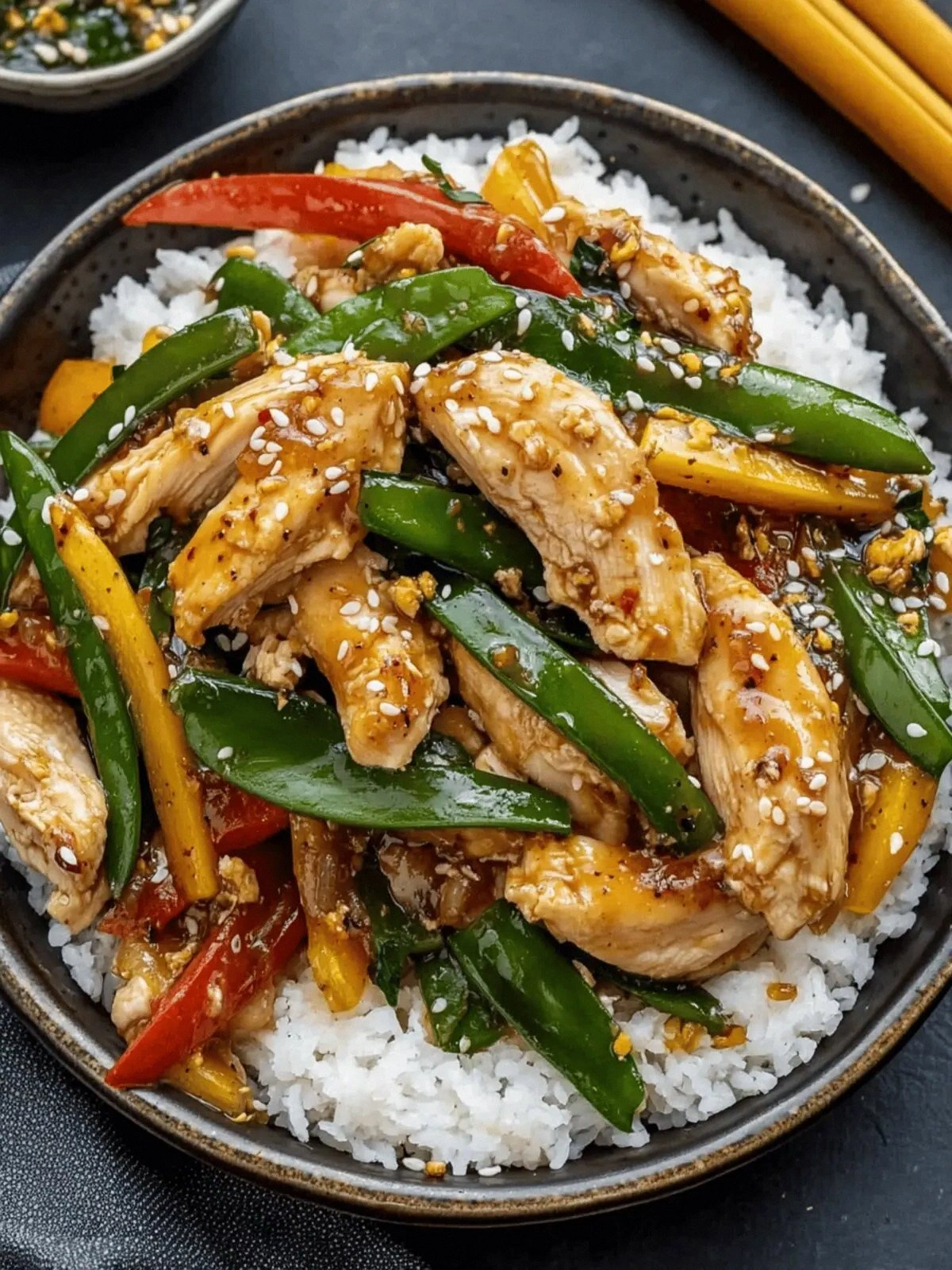
The Method — Step by Step
- Prep the Veggies: Start by trimming the green beans and cutting the bell peppers into bite‑size strips. Blanch the beans in boiling water for 2 minutes, then shock them in ice water to keep the bright green color. This quick blanch preserves their crunch and prevents them from turning mushy during the stir‑fry. Pat them dry with a towel before adding to the pan. The result? Beans that snap with each bite.
- Heat the Pan: Place a large non‑stick skillet over medium‑high heat and swirl in 1 tablespoon of olive oil. Let the oil heat until it shimmers but isn’t smoking. This ensures a nice sear on the chicken and prevents sticking. Once the oil is hot, add the minced garlic and grated ginger, sautéing for 30 seconds until fragrant. The aroma will signal that the base of your sauce is ready.
- Brown the Chicken: Add the pulled rotisserie chicken to the pan, breaking up any large clumps. Stir-fry for 3–4 minutes until the chicken pieces are lightly browned and heated through. The heat will help the chicken release its juices, which will mingle with the sauce. If you notice any excess liquid, let it evaporate so the sauce doesn’t become watery.
- Introduce the Veggies: Toss in the blanched green beans and bell pepper strips. Stir-fry for another 2 minutes, letting the veggies heat through but still retain their crunch. The bell peppers should start to soften slightly, releasing their sweet aroma. This step ensures that the vegetables and chicken are cooked evenly.
- Build the Sauce: In a small bowl, whisk together 3 tablespoons soy sauce (or coconut aminos), 2 tablespoons rice vinegar, 1 tablespoon toasted sesame oil, and 1/3 cup hot honey. Stir until the honey fully integrates with the liquids, creating a smooth, glossy mixture. The balance of sweet, salty, and acidic flavors is crucial for the sauce’s depth.
- Thicken the Sauce: Create a slurry by mixing 1 tablespoon corn starch with 2 tablespoons of cold water. Pour the slurry into the skillet and stir continuously. The sauce will begin to thicken within 1–2 minutes, coating the chicken and veggies like a velvet blanket. This step is essential for achieving that silky finish that makes every bite memorable.
- Final Touches: Give the dish a final stir, ensuring every piece is coated. Taste and adjust seasoning if needed—add a pinch of salt or a splash more hot honey for extra sweetness. Let it simmer for 1 minute to meld the flavors. Serve immediately over steamed rice or quinoa for a complete meal.
- Serve and Enjoy: Plate the stir‑fry, drizzle any remaining sauce, and sprinkle sesame seeds or chopped green onions for a pop of color. The dish should look glossy, the beans should snap, and the aroma should be irresistible. Take a bite, and let the sweet heat dance across your palate. You’ve just created a dish that feels like a culinary adventure, and you can’t help but feel proud of your kitchen prowess.
That's it— you did it. But hold on, I've got a few more tricks that'll take this to another level…
Insider Tricks for Flawless Results
The Temperature Rule Nobody Follows
Heat is the unsung hero of stir‑fry. Many people cook on low heat, resulting in soggy veggies. I always keep the heat high enough for a quick sear but not so high that the sauce burns. If you notice the sauce starting to stick, lower the heat slightly and stir vigorously. This ensures a glossy finish and prevents the chicken from drying out.
Why Your Nose Knows Best
Smell is your best quality control tool. When the garlic and ginger hit the oil, they should release a warm, aromatic perfume. If the scent feels flat, the pan was too cool. A strong aroma means the flavors are fully activated, giving you a richer sauce.
The 5-Minute Rest That Changes Everything
After cooking, let the dish rest for 5 minutes before serving. This allows the flavors to settle and the sauce to thicken slightly, giving you that silky coating on every bite. A friend once skipped this step, and the sauce was too thin— it didn't have that glossy, velvety texture that makes the dish memorable.
Keep the Veggies Crisp
Avoid overcrowding the pan, which can cause the beans to steam instead of sauté. If you’re cooking a larger batch, do it in two batches. This keeps the beans crisp and the dish from becoming mushy. The crunch is a key textural element that balances the rich sauce.
The Perfect Garnish
A sprinkle of toasted sesame seeds or chopped green onions adds a fresh, nutty finish. It also provides a visual contrast that makes the dish more appealing. If you’re vegan, replace the sesame seeds with pumpkin seeds for a different crunch.
The Final Sauce Touch
Right before serving, drizzle a small amount of extra toasted sesame oil over the dish. It gives a final aromatic burst that elevates the flavor profile. I always do this step because it’s the last thing your palate will notice— a subtle, nutty aroma that lingers pleasantly.
Creative Twists and Variations
Spicy Pineapple Kick
Add a cup of diced pineapple to the veggies for a tropical sweet heat. The pineapple’s natural sugars pair beautifully with the hot honey, creating a sweet‑spicy fusion. This variation is perfect for summer evenings and pairs well with coconut rice.
Creamy Coconut Twist
Replace the soy sauce with coconut aminos and add half a cup of coconut milk to the sauce. The result is a creamy, mildly sweet broth that coats the chicken and veggies. This version is a hit for those who love a richer, dairy‑free sauce.
Herb‑Infused Delight
Stir in a handful of fresh cilantro or basil just before serving. The herbs add a fresh, bright note that cuts through the richness of the sauce. This variation works well with a side of jasmine rice.
Miso Marvel
Replace the soy sauce with a tablespoon of white miso paste for an earthy depth. The miso adds umami and a subtle tang that complements the hot honey. This twist is ideal for a comforting, soul‑warming meal.
Szechuan Surprise
Add a teaspoon of Szechuan peppercorns to the pan when sautéing the garlic and ginger. The peppercorns give a tingling, numbing heat that elevates the dish’s spiciness. Pair it with a cold cucumber salad for balance.
Mediterranean Medley
Swap the yellow bell pepper for sun‑dried tomatoes and add a handful of kalamata olives. The olives bring brininess, while the sun‑dried tomatoes add chewy sweetness. This variation turns the dish into a Mediterranean‑inspired stir‑fry.
Storing and Bringing It Back to Life
Fridge Storage
Store the dish in an airtight container for up to 3 days in the refrigerator. The sauce may thicken slightly, so add a splash of water or broth when reheating to restore its silky texture. Keep the chicken separate from the veggies if you’re concerned about texture changes.
Freezer Friendly
The dish freezes well for up to 2 months. Portion it into meal‑prep containers and freeze. When reheating, let it thaw overnight in the fridge, then warm it in a skillet with a splash of water. The sauce will re‑glaze, and the flavors will remain vibrant.
Best Reheating Method
The ideal method is to reheat in a skillet over medium heat, adding a small amount of water or broth to loosen the sauce. Stir frequently to prevent sticking. The dish should be heated to 165°F (74°C) for safe consumption. This technique preserves the crispness of the veggies and the tenderness of the chicken.