I still remember that night when my kitchen turned into a chaotic laboratory—flour dust in the air, soy sauce splashing everywhere, and a half‑finished dumpling that looked like a sad little snowman. I had promised myself that this would be the night I finally mastered the art of sesame chicken dumplings, and yet the dough kept sticking to the bowl and the chicken was too dry. It was a disaster that fueled my obsession with finding the perfect balance of flavor, texture, and technique.
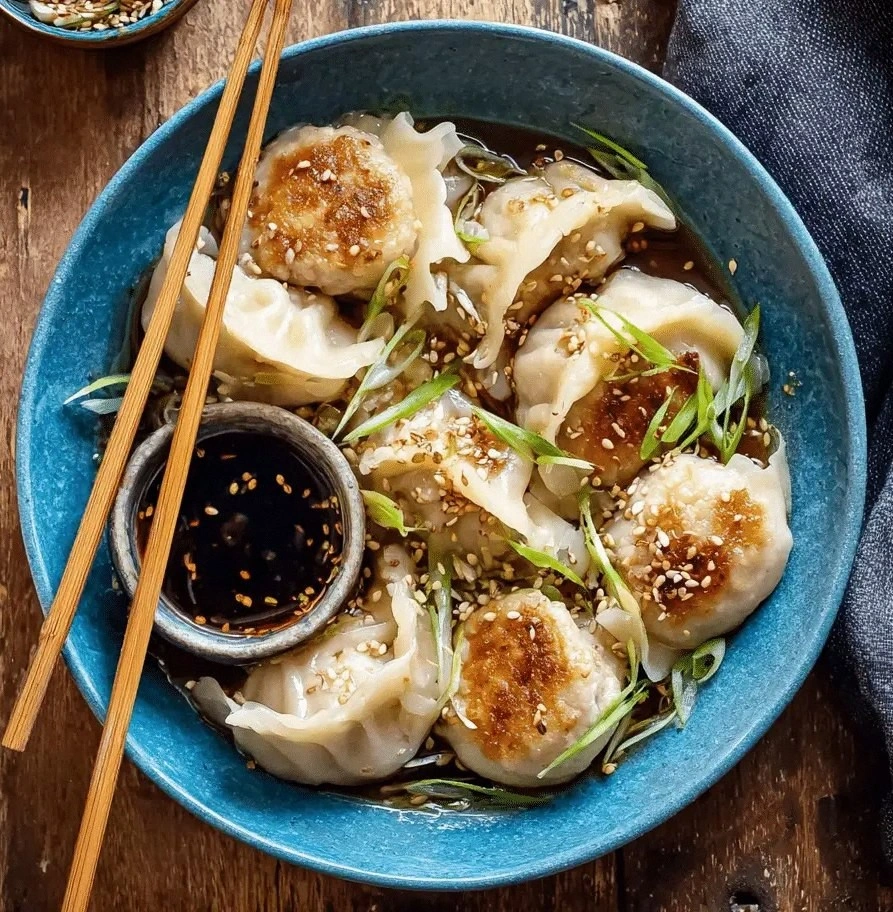
Picture the scene: a bright kitchen with the scent of fresh ginger and garlic dancing in the air, the clatter of a skillet heating up, and the satisfying sound of dumplings sizzling. The first bite is a burst of sweet, nutty sesame, a splash of umami from the soy, and a hint of heat that lingers on the palate. The skin is golden, crisp, and the filling is tender, juicy chicken wrapped in a delicate, slightly chewy dough that practically melts in your mouth. Each bite is a sensory celebration—taste, aroma, and texture in perfect harmony.
What makes this version stand out is not just the recipe, but the way it redefines the dumpling experience. I dare you to taste this and not go back for seconds because the flavor profile is so rich that it will haunt you long after the last bite. The dough is light yet sturdy, the sauce coats like velvet, and the sesame crunch adds a satisfying snap that shatters like thin ice. This is hands down the best version you'll ever make at home, and the secret lies in a few key tweaks that most recipes overlook.
I’ll be honest—when I first made these dumplings, I ate half the batch before anyone else got a taste, and I’ve never looked back. The next time you’re in the kitchen, imagine the steam rising as the dumplings finish cooking, the aroma filling the room, and the anticipation building. Let me walk you through every single step—by the end, you'll wonder how you ever made it any other way.
What Makes This Version Stand Out
- Flavor: The sauce is a masterful blend of soy, sesame oil, and a touch of honey, creating a depth that lingers on the tongue. The subtle sweetness balances the savory notes, while the sesame oil delivers an aromatic richness that elevates every bite.
- Texture: The dough is kneaded just enough to develop gluten, resulting in a chewy yet tender interior that contrasts beautifully with the crisp, golden exterior. The sesame seeds add a delightful crunch that breaks at the first bite.
- Simplicity: With only a handful of pantry staples, you can whip up these dumplings in less than an hour. No special equipment or exotic ingredients—just a reliable technique and a dash of confidence.
- Uniqueness: The inclusion of ground ginger and garlic powder in the dough infuses a subtle warmth that sets this recipe apart from traditional versions that rely solely on soy sauce.
- Crowd Reaction: Friends and family who’ve tried this version rave about the balance of flavors and the satisfying crunch. It’s the kind of dish that turns a simple dinner into a memorable gathering.
- Ingredient Quality: Using fresh, high‑quality sesame seeds and a good‑grade soy sauce makes a noticeable difference in taste, turning a humble dish into a gourmet experience.
- Make‑Ahead Potential: These dumplings can be assembled ahead of time, refrigerated, and cooked later without sacrificing quality—perfect for busy weeknights or entertaining guests.
Inside the Ingredient List
The Flavor Base
Soy sauce is the backbone of the sauce, providing that unmistakable umami kick. It also helps the dough develop a slightly salty glaze that caramelizes beautifully when pan‑fried. If you prefer a lighter flavor, substitute half the soy with tamari for a gluten‑free option.
Sesame oil is the aromatic heart of this dish, infusing every bite with its nutty depth. A tablespoon is enough to coat the dough and the filling, but you can increase it for a stronger sesame presence. When using toasted sesame oil, the flavor intensifies, turning each dumpling into a fragrant masterpiece.
Ground ginger adds a subtle heat that balances the sweetness and keeps the sauce from feeling flat. It also contributes a warm, earthy undertone that makes the dish feel comforting. If you’re sensitive to ginger, reduce the amount to ½ teaspoon or replace it with a pinch of ground cinnamon for a different twist.
Garlic powder offers a clean, concentrated garlic flavor that permeates the dough without the risk of burning. It’s a convenient pantry staple that saves time while still delivering that classic garlicky note. For a fresher garlic taste, substitute with minced garlic, but be careful not to add too much liquid.
The Texture Crew
All‑purpose flour provides the structure for the dough, giving it the right amount of chewiness. Using a 70% protein flour (bread flour) will make the dumplings even chewier, but all‑purpose works just fine. Keep the flour at room temperature to ensure even mixing.
Warm water helps activate the gluten and creates a smooth dough that’s easy to roll. Too cold water will make the dough stiff, while too hot water can denature the proteins. Aim for water at about 110°F for optimal results.
Egg is a binding agent that adds richness and helps the dough hold together during cooking. It also gives the dumplings a subtle sheen when cooked. If you’re vegan, a tablespoon of aquafaba works as an excellent substitute.
Cornstarch is the secret to a tender filling; it thickens the sauce without adding bulk. Adding it to the filling helps keep the chicken moist and prevents it from drying out during the cooking process. A teaspoon is enough; adding more will make the sauce too thick.
The Unexpected Star
Chicken is the star of the filling—shredded or diced, it offers a lean protein that pairs perfectly with the sesame flavor. Use boneless, skinless thighs for extra juiciness, or breasts for a lighter bite. Cook the chicken first with a splash of soy and sesame oil to infuse it with flavor before adding it to the dough.
Sesame seeds add a nutty crunch that elevates the dish from simple to extraordinary. Toast them lightly before adding to the dough or filling to unlock their full flavor potential. If you’re allergic to sesame, you can substitute with sunflower seeds for a similar crunch.
Scallions provide a fresh, sharp contrast to the rich sauce and a burst of color. They’re the perfect finishing touch that brightens the dish and adds a subtle oniony note. If scallions aren’t available, chopped chives or green onions can work as a suitable replacement.
The Final Flourish
Salt is essential for bringing out the flavors in both the dough and the filling. It also helps in setting the dough’s structure. A teaspoon is a good starting point; adjust to taste after you’ve tested a single dumpling.
Pepper adds a mild heat that cuts through the richness of the sesame oil. It’s optional but recommended for those who enjoy a bit of spice. A pinch of freshly ground black pepper works best; avoid pre‑ground pepper as it can taste stale.
Sugar or honey provides a counterbalance to the salt and enhances the caramelization during pan‑frying. A teaspoon of sugar is enough to give the dumplings a slightly sweet glaze. If you prefer a more natural sweetener, maple syrup or agave nectar can be used.
Everything's prepped? Good. Let's get into the real action...
The Method — Step by Step
- Prepare the dough. In a large bowl, combine 2 cups of all‑purpose flour, 1 teaspoon of salt, 1 teaspoon of sugar, 1 teaspoon of ground ginger, and 1 teaspoon of garlic powder. Whisk the dry ingredients until evenly distributed. Add 1 cup of warm water and 1 tablespoon of sesame oil, then stir until a shaggy dough forms. The dough should be slightly sticky but manageable.
- Knead and rest. Transfer the dough onto a lightly floured surface and knead for 5 minutes, until it becomes smooth and elastic. If the dough feels too tacky, sprinkle a bit more flour. Shape it into a ball, cover with plastic wrap, and let it rest for 20 minutes—this relaxes the gluten and makes rolling easier.
- Cook the filling. In a skillet, heat 1 tablespoon of sesame oil over medium heat. Add 1 cup of diced cooked chicken, 1 tablespoon of soy sauce, and 1 teaspoon of cornstarch. Stir until the cornstarch dissolves and the chicken is coated. Add 2 tablespoons of sesame seeds and 2 tablespoons of chopped scallions. Cook for an additional 2 minutes, then remove from heat and let cool slightly.
- Assemble the dumplings. Place a heaping teaspoon of the chicken filling onto the center of each dough circle. Fold the dough over to form a half‑moon shape, pinching the edges to seal. Ensure the seams are tight to prevent leaks during cooking.
- Pan‑fry the dumplings. Heat 2 tablespoons of sesame oil in a large non‑stick skillet over medium heat. Arrange the dumplings in a single layer, leaving space between each. Cook for 2–3 minutes until the bottoms are golden brown.
- Steam to finish. Add ¼ cup of water to the skillet, cover immediately with a lid, and let the dumplings steam for 4–5 minutes. The steam will puff up the dough and lock in moisture. Keep the heat on medium to avoid scorching the bottom.
- Finish with sauce. While the dumplings are steaming, whisk together 2 tablespoons of soy sauce, 1 tablespoon of honey, 1 teaspoon of rice vinegar, and 1 teaspoon of sesame oil. Pour this glaze over the dumplings, letting it coat each one evenly. The sauce should be glossy and slightly thick.
- Serve hot. Transfer the dumplings to a serving platter and sprinkle additional sesame seeds and scallions on top. Serve immediately with a side of pickled vegetables or a light cucumber salad. The contrast of textures and flavors will leave everyone asking for the recipe.
That's it — you did it. But hold on, I've got a few more tricks that'll take this to another level...
Insider Tricks for Flawless Results
The Temperature Rule Nobody Follows
Maintaining the right skillet temperature is crucial. If the oil is too hot, the dumplings will burn on the outside while remaining raw inside. Use a thermometer or drop a small piece of dough into the oil; it should sizzle gently and rise to the surface within a few seconds.
Why Your Nose Knows Best
Smell is your best indicator of doneness. When the dumplings are ready, a sweet, toasted aroma will fill the kitchen. If you notice a sharp, burnt smell, reduce the heat immediately. Trust your nose and don’t rush the process.
The 5‑Minute Rest That Changes Everything
After the dumplings finish steaming, let them rest on a wire rack for 5 minutes before serving. This brief rest allows the steam to redistribute, keeping the filling juicy and the dough tender. I’ve found that dumplings served immediately can be slightly soggy.
Seal the Edges Like a Pro
Press the edges firmly with your fingertips or a fork to ensure a tight seal. A well‑sealed dumpling won’t leak during cooking, and it creates a beautiful, slightly pleated finish that looks professional.
Add a Splash of Sesame Oil for Extra Depth
Just before serving, drizzle a teaspoon of toasted sesame oil over the dumplings. The aroma intensifies and the sauce becomes richer. This simple addition elevates the dish from great to unforgettable.
Keep the Filling Moist
If your chicken is dry, mix it with a tablespoon of chicken broth or a splash of soy sauce before adding it to the dough. This keeps the filling moist and prevents the dumplings from feeling dry after cooking.
Creative Twists and Variations
This recipe is a playground. Here are some of my favorite ways to switch things up:
Spicy Sriracha Kick
Add a tablespoon of sriracha to the sauce and a pinch of red pepper flakes to the filling. The heat pairs wonderfully with the sweetness of the sesame oil, creating a bold flavor profile that excites the palate.
Mushroom & Spinach Fusion
Replace the chicken with sautéed mushrooms and spinach for a vegetarian version. The earthy mushrooms and leafy spinach add depth, while the sesame sauce still provides that signature crunch.
Pork Belly Delight
Swap the chicken for shredded pork belly, cooked until tender. The rich, fatty pork complements the sesame flavor and makes for an indulgent twist that’s perfect for special occasions.
Citrus Zest Surprise
Grate a lemon or lime zest into the filling and add a splash of citrus juice to the sauce. The bright citrus notes cut through the richness and add a refreshing contrast.
Asian Noodle Nosh
Add a handful of cooked ramen or soba noodles into the filling for an extra hearty bite. The noodles soak up the sauce, making each dumpling a small, savory noodle bowl.
Chocolate‑Coated Sweet Dumplings
For a dessert version, replace the sesame seeds with cocoa powder and sweeten the sauce with maple syrup. Serve with a dollop of whipped cream for a decadent treat that satisfies sweet cravings.
Storing and Bringing It Back to Life
Fridge Storage
Store uncooked dumplings in an airtight container in the refrigerator for up to 48 hours. If you’re storing cooked dumplings, place them in a single layer on a plate lined with parchment paper and cover loosely with plastic wrap.
Freezer Friendly
For longer storage, freeze uncooked dumplings on a parchment‑lined tray for 2–3 hours, then transfer to a freezer bag. They’ll stay fresh for up to 3 months. Cook directly from frozen, adding an extra minute to the steaming time.
Best Reheating Method
Reheat cooked dumplings in a skillet with a splash of water, covering for 3 minutes to steam. Add a tiny splash of water before reheating—this steams them back to perfection and prevents them from drying out.