I was staring at my pantry like a detective on a crime scene, when a single, forgotten jar of honey hit me like a punch in the gut—well, the sweet kind. My friend dared me to whip up a dish that could turn that humble sweetener into a showstopper, and I took the challenge like a chef on a cooking show. The result? A slow‑cooker honey‑garlic chicken that has become the headline act in my dinner rotation.
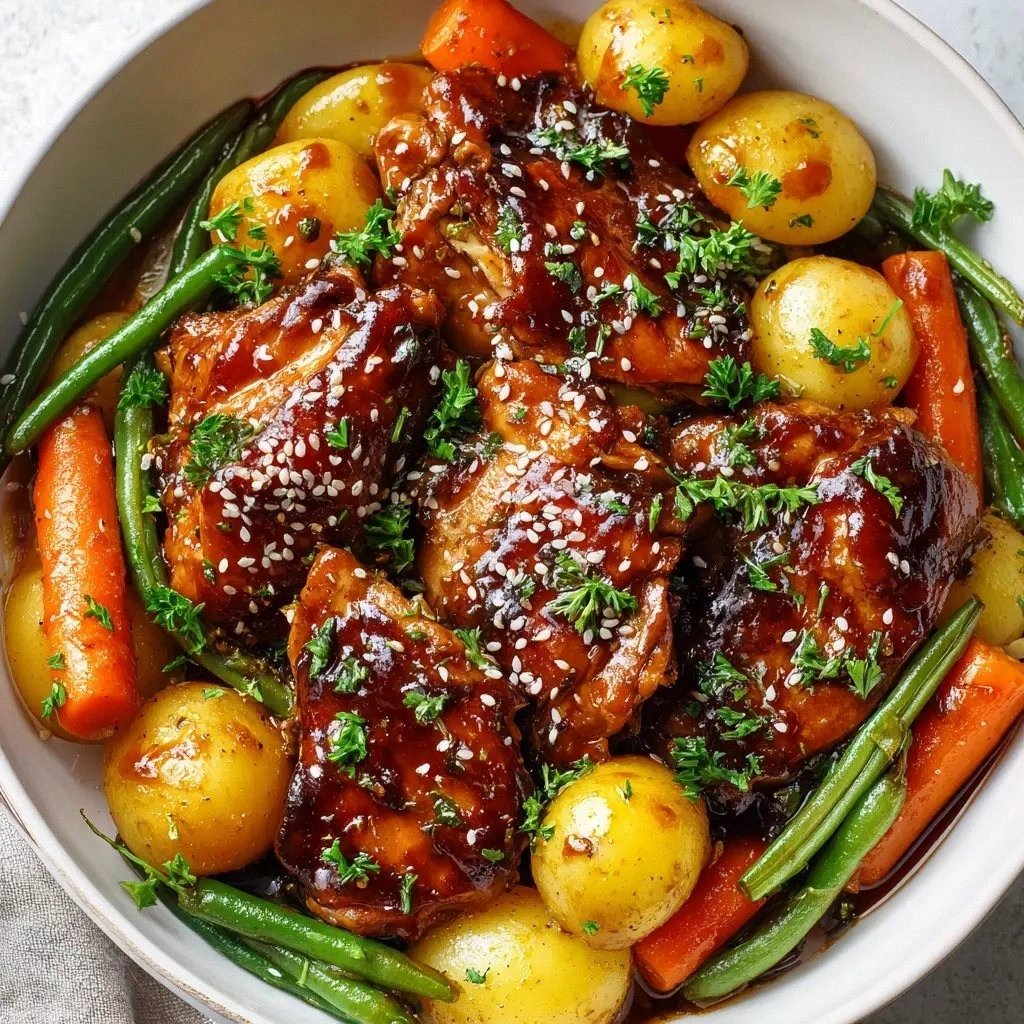
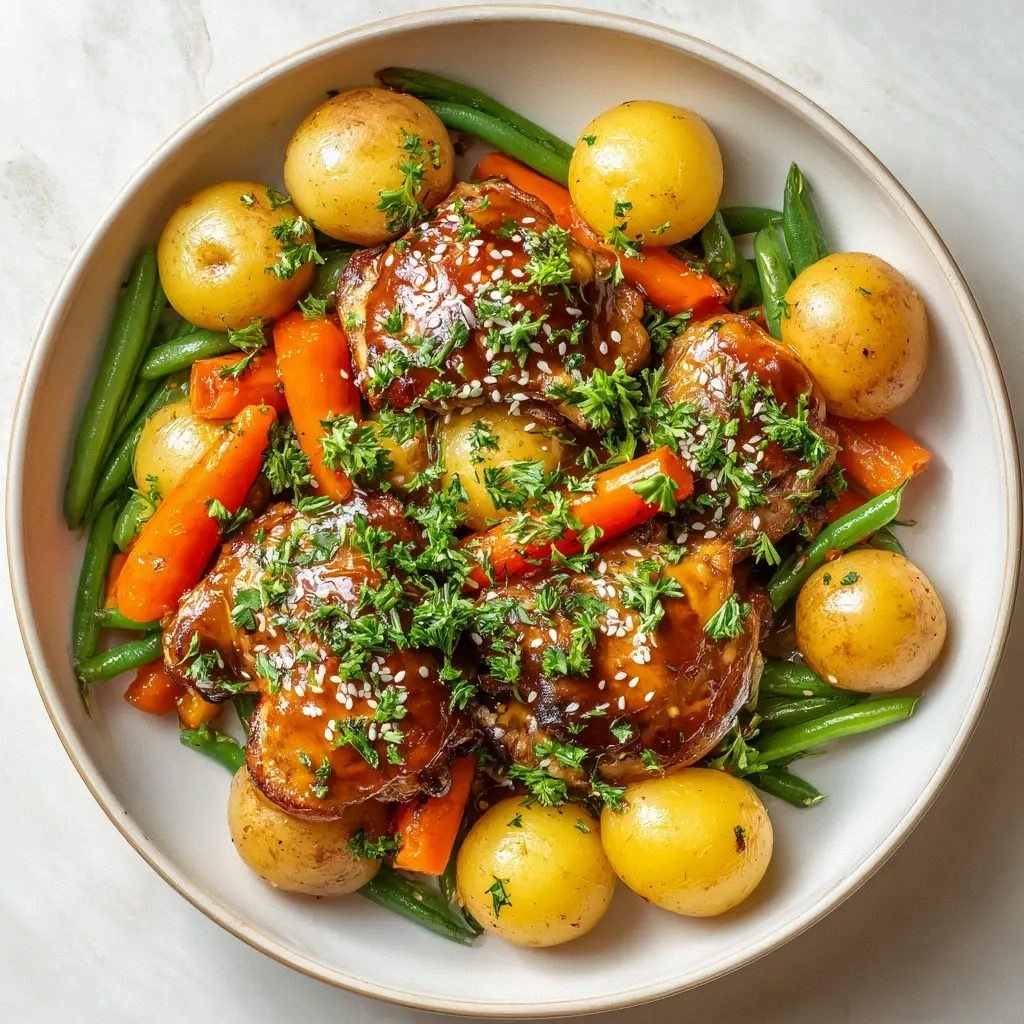
Picture this: the kitchen clock ticking, the air thick with the scent of caramelized honey and sizzling garlic, the gentle clink of a wooden spoon against the slow cooker’s pot. The sound is almost cinematic—like a drumroll before the big finale. The colors are a riot of golden‑brown chicken, bright green beans, and the rustic amber of baby potatoes, all glistening under the sauce’s glossy sheen.
What makes this version stand out? First, the sauce doesn’t just coat the food; it envelopes it like a velvet blanket. Second, the slow cooker does all the heavy lifting, so you can sit back and enjoy a stress‑free meal. Third, the combination of honey and low‑sodium soy sauce gives you that sweet‑savory punch that most recipes miss. I dare you to taste this and not go back for seconds—trust me, the second bite will have you questioning your entire culinary history.
I’ll be honest—after the first batch, I ate half the dish before anyone else could even touch the plate. That’s the power of this recipe: it’s hands down the best version you’ll ever make at home. If you’ve ever struggled to find the perfect balance of flavors in a slow‑cooked chicken, you’re not alone—this is the fix. Let me walk you through every single step, and by the end, you’ll wonder how you ever made it any other way.
What Makes This Version Stand Out
- Taste: The honey and soy sauce create a sweet‑savory symphony that lingers on the palate, unlike the flatness of plain chicken.
- Texture: Slow cooking renders the thighs melt‑in‑your‑mouth tender, while the vegetables stay firm enough to provide contrast.
- Convenience: One‑pot, one‑time prep, and the slow cooker does the heavy lifting—no constant stirring.
- Uniqueness: The addition of sesame oil and rice vinegar gives a subtle umami depth that most recipes overlook.
- Crowd‑pleaser: The dish’s caramelized glaze and aromatic steam will have guests asking for your secret.
- Ingredient Quality: Using fresh garlic, baby vegetables, and a high‑quality honey ensures each bite is pure.
- Cooking Method: Low‑heat slow cooking preserves nutrients while intensifying flavors.
- Make‑ahead Potential: This dish keeps its integrity for up to 3 days in the fridge, making it ideal for busy weekdays.
Alright, let's break down exactly what goes into this masterpiece…
Inside the Ingredient List
The Flavor Base
Honey is the star that brings both sweetness and a caramelized glaze. When heated, honey’s sugars brown, giving the sauce a rich amber hue. Skipping honey would turn this dish into a plain soy‑garlic affair, losing the signature sticky finish. If you’re on a low‑sugar diet, try substituting with a sugar‑free honey alternative or a drizzle of maple syrup for a different nuance.
Low‑sodium soy sauce balances the sweetness with umami, creating depth without overwhelming saltiness. If you can’t find low‑sodium, use regular soy sauce but reduce the amount by half to keep the dish from becoming too salty. A dash of tamari can also add a gluten‑free twist.
The Texture Crew
Baby yellow potatoes are the comforting backbone of this dish. Their creamy interior contrasts nicely with the crispy edges that form when they sit in the sauce. Cutting them into even pieces ensures uniform cooking. If you prefer a lower‑carb option, swap potatoes for cauliflower florets, but be prepared for a slightly different mouthfeel.
Baby carrots and fresh green beans add crunch and color. They absorb the sauce without turning mushy, provided they’re added at the right time. If you’re a fan of extra veggies, toss in a handful of snap peas or broccoli florets for a rainbow effect.
The Unexpected Star
Sesame oil is the secret weapon that elevates the sauce with a nutty aroma. Its high smoke point allows it to caramelize without burning, adding a subtle depth that plain olive oil can’t match. If you’re allergic to sesame, a splash of toasted rice oil or a pinch of toasted almond butter can replicate the nutty undertone.
Rice vinegar provides a bright, acidic counterpoint that cuts through the sweetness. This balance prevents the dish from feeling cloying. If you prefer a milder acidity, try using apple cider vinegar in equal measure.
The Final Flourish
White sesame seeds and fresh green parsley are the finishing touches that add texture and a burst of freshness. The seeds give a satisfying crunch, while the parsley offers a herbaceous lift. If you’re not a fan of sesame, sprinkle toasted sunflower seeds instead for a nutty crunch.
Everything's prepped? Good. Let's get into the real action…
The Method — Step by Step
- Start by patting the chicken thighs dry with paper towels. A dry surface ensures a beautiful sear. Season each piece generously with kosher salt and black pepper, then let them rest for about 5 minutes to absorb the flavors.
- Heat a large skillet over medium‑high heat and add the tablespoon of olive oil. Once shimmering, place the chicken thighs skin‑side down and sear for 3–4 minutes until the skin is golden and crisp. Flip and sear the other side for another 2 minutes. This step locks in juices and gives the dish a caramelized crust.
- Transfer the seared chicken to the slow cooker’s pot. Surround it with the baby yellow potatoes, baby carrots, and green beans, arranging them so they’re all in contact with the sauce. The vegetables will absorb the savory juices as they cook.
- In a medium bowl, whisk together the honey, low‑sodium soy sauce, minced garlic, rice vinegar, sesame oil, and a splash of water. The water helps to balance the viscosity of the honey‑soy mixture. Pour this mixture over the chicken and veggies, ensuring everything is evenly coated.
- Cover the slow cooker with its lid and set it to low for 4 hours or high for 2 hours. The low setting allows the flavors to meld slowly, while the high setting gives a quicker, yet still tender, result.
- During the last 30 minutes of cooking, stir gently to redistribute the sauce and vegetables. The slow cooker’s heat will coax the honey into a glossy glaze that clings to every bite.
- Now comes the trickiest part: thickening the sauce. Mix the cornstarch with cold water in a small bowl to create a slurry. Stir this into the slow cooker, then let it cook on high for an additional 10 minutes until the sauce thickens to a silky consistency. Watch out: if you add the slurry too early, the sauce can become gloopy.
- Remove the lid, stir once more, and sprinkle the white sesame seeds over the top. They’ll add a pleasant crunch and a nutty aroma that elevates the dish.
- Finally, garnish with fresh green parsley for a pop of color and freshness. Serve hot straight from the slow cooker, or spoon into bowls with rice or noodles if you’re craving a heartier meal.
- That’s it—you did it. But hold on, I’ve got a few more tricks that’ll take this to another level…
Insider Tricks for Flawless Results
The Temperature Rule Nobody Follows
While many slow‑cooker recipes recommend low heat, this dish benefits from a high‑heat finish to caramelize the sauce. After the initial low‑heat phase, switch to high for the last 10 minutes to lock in flavor. A friend once tried staying on low the whole time and ended up with a soggy, flat sauce that lacked depth.
Why Your Nose Knows Best
Smell the sauce as it simmers. A sweet, buttery aroma is a sign the honey is caramelizing properly. If you notice a sharp, sharp vinegar bite, reduce the vinegar or add a splash of water to mellow it.
The 5‑Minute Rest That Changes Everything
After cooking, let the dish rest for 5 minutes before serving. This allows the juices to redistribute, ensuring every bite is juicy and flavorful. Skipping this step can leave the chicken feeling dry.
The Sesame Oil Secret
A tablespoon of sesame oil can be replaced with toasted sesame oil for a deeper flavor. Toasting the oil releases essential oils, giving the dish a nutty aroma that elevates the sauce.
The Right Garlic Amount
Four cloves of fresh garlic are ideal, but if you’re sensitive to garlic, reduce to two. Too much garlic can overpower the honey’s sweetness, making the dish taste like a garlic bomb.
The Final Touch
Finish with a sprinkle of fresh parsley to add color and freshness. The herbs’ bright green hue contrasts beautifully against the caramelized sauce, making the dish visually appealing.
Creative Twists and Variations
This recipe is a playground. Here are some of my favorite ways to switch things up:
Spicy Sriracha Kick
Add a tablespoon of sriracha to the sauce for a fiery twist. The heat balances the sweetness, creating a bold, layered flavor that’s perfect for spice lovers.
Citrus Zest Burst
Incorporate the zest of one lime into the sauce. The citrus adds brightness, cutting through the richness and giving the dish a refreshing finish.
Miso‑Infused Umami
Replace half the soy sauce with white miso paste. The miso adds depth and a slightly earthy undertone, turning the dish into a savory, umami‑rich delight.
Roasted Garlic Variation
Roast the garlic cloves before adding them to the sauce. Roasted garlic offers a sweet, mellow flavor that deepens the dish’s overall profile.
Vegetarian Swap
Omit the chicken and add tofu cubes or chickpeas. The sauce will coat the protein, creating a hearty vegetarian main that still delivers on flavor.
Grain Pairing
Serve the dish over jasmine rice, quinoa, or even a bed of sautéed spinach for a low‑carb option. Each grain pairs differently, adding texture and subtle flavor notes.
Storing and Bringing It Back to Life
Fridge Storage
Store leftovers in an airtight container for up to three days. The sauce will thicken slightly in the fridge, so stir before reheating to restore its glossy sheen.
Freezer Friendly
Freeze portions in freezer‑safe bags or containers for up to two months. Thaw overnight in the refrigerator, then reheat on the stovetop with a splash of water to loosen the sauce.
Best Reheating Method
Reheat gently on low heat, adding a tablespoon of water or broth to prevent the sauce from drying out. A quick stir will help redistribute the flavors and return the dish to its original silky texture.