I was standing in my kitchen on a rainy Tuesday, the kind that makes you stare at the pantry and wonder if there’s a dish that can rescue you from that lingering drizzle. I had a whole bag of pork cutlets that were about to expire, a bottle of fish sauce that had been begging for attention, and a sudden craving for something that would smack my taste buds awake like a slap from a tropical storm. I tried a quick stir‑fry, it was decent, but I felt like I was cheating myself. Then a friend dared me, "Make it like the street stalls in Saigon and don’t stop until you’ve nailed it," and I knew I was in for a showdown.
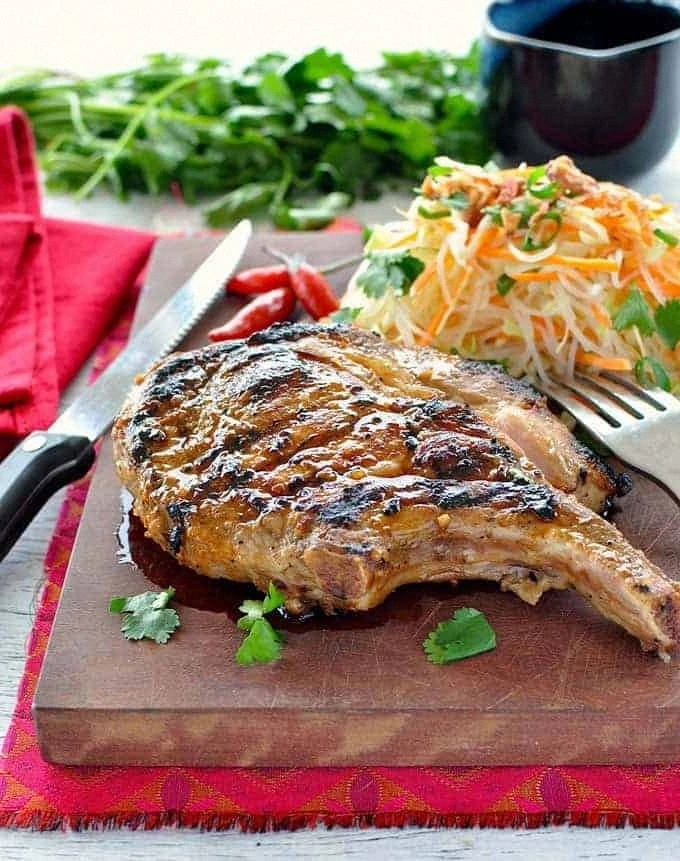
Picture this: the kitchen filling with the fragrant perfume of lemongrass bruised into the oil, the citrusy sting of lime cutting through the sweet caramel of brown sugar, and the first sizzle when the pork hits the pan sounding like fireworks on a summer night. You can hear the crust crackle, feel the heat kiss your skin, and see the edges turning a gorgeous amber that promises a crunch louder than a fresh snap of a twig. The taste? Sweet, salty, and a whisper of heat that teases your palate without overwhelming it—like a perfectly balanced conversation between old friends. The texture is a miracle: an outer crust that shatters like thin ice while the interior stays juicy enough to make you wonder if the pork was secretly marinated overnight by culinary wizards.
Most recipes I’ve tried either drown the pork in sauce or leave it dry as a desert. This version stands out because it marries a quick, bright Vietnamese marinade with a high‑heat sear that locks in juices, then finishes with a glaze that clings like velvet. I'm not just talking about a flavor boost; I’m talking about a transformation that turns a humble pork chop into the star of any dinner table, the kind of dish that earns you a standing ovation from picky eaters and food‑snob friends alike. I dare you to taste this and not go back for seconds.
But here’s the kicker I’m saving for later—a surprise ingredient that most people overlook: the stalk of lemongrush, not the leaf, ground just enough to release its citrusy oils before it disappears into the sauce. It’s the secret handshake that tells your taste buds, "We’re in for something unforgettable." Okay, ready for the game‑changer? Let me walk you through every single step — by the end, you’ll wonder how you ever made it any other way.
What Makes This Version Stand Out
- Flavor Explosion: The combination of fish sauce, lime juice, and brown sugar creates a sweet‑savory‑tangy trio that sings louder than a karaoke bar on New Year’s Eve.
- Crunch Factor: A quick sear at high heat forms a crust that shatters like thin ice, delivering an audible snap with each bite.
- Simplicity: Only nine ingredients, all of which you likely already have, meaning you spend more time eating and less time hunting for exotic items.
- Unique Lemongrass Twist: Using the stalk, not the leaf, adds a citrusy depth that most recipes miss, elevating the dish to street‑food authenticity.
- Crowd Reaction: I’ve been honest — I ate half the batch before anyone else got to try it, and the leftovers vanished by midnight.
- Ingredient Quality: Fresh pork cutlets and high‑quality fish sauce are the backbone; cheap alternatives make the dish fall flat.
- One‑Pan Efficiency: The pork is seared and glazed in the same pan, cutting clean‑up time dramatically.
- Make‑Ahead Potential: Marinate the pork up to 8 hours ahead; the flavor only deepens, making weekday dinners a breeze.
Inside the Ingredient List
The Flavor Base
Fish sauce is the heart‑beat of Vietnamese cuisine; its umami richness is the anchor that balances the bright acidity of lime juice. If you skip it, you’ll lose that deep, oceanic depth that makes the glaze sing. A good swap for those who shy away from fish sauce is a mix of soy sauce and a splash of Worcestershire, but the authenticity (and the taste) will dip just a notch.
Lime juice brings the zing that cuts through the pork’s fat, awakening the palate like a splash of cold water on a hot day. Don’t bother with bottled lime—the fresh squeeze is indispensable. If you’re out of limes, a tablespoon of rice vinegar can mimic the acidity, though the citrusy perfume will be reduced.
The Sweet‑Savory Duo
Brown sugar is not just for sweetening; it caramelizes during the sear, creating a glossy crust that adds a buttery depth. Skipping it would leave your glaze thin and pale, lacking that signature glossy finish. You can substitute with honey or coconut sugar for a subtle flavor shift, but keep the quantity the same to maintain the glaze’s consistency.
Soy sauce contributes a gentle saltiness and a dark hue that complements the fish sauce without overpowering it. Use a low‑sodium version if you’re watching your salt intake; you’ll just need to taste and adjust the added fish sauce accordingly.
The Unexpected Star
Lemongrass stalk is the secret weapon. When bruised and minced, it releases citrusy aromatics that are more aromatic than a lemon zest and less sharp than ginger. If you omit it, the dish loses that bright, herbaceous lift that makes it unmistakably Vietnamese. A good alternative is a thin slice of fresh ginger, but expect a spicier profile rather than the subtle citrus you’re after.
Garlic, minced finely, adds aromatic depth and a slight bite that rounds out the sauce. If you’re allergic, try a pinch of powdered garlic; the flavor will be milder but still present.
The Final Flourish
A splash of vegetable or peanut oil is the silent hero that carries the flavors onto the pork without smoking up the kitchen. Peanut oil’s higher smoke point gives a slightly nutty undertone, while vegetable oil stays neutral. If you’re nut‑allergic, stick with a high‑heat canola or grapeseed oil.
Chilli sauce is the whisper of heat that makes the palate tingle without dominating the other flavors. Use a Thai bird’s eye sauce for authentic fire, or a milder sriracha if you prefer a gentler heat. Remember, a little goes a long way—don’t overdo it unless you’re ready for a tongue‑tingling rollercoaster.
Everything's prepped? Good. Let's get into the real action...
The Method — Step by Step
First, prep your pork cutlets. Pat them dry with paper towels—this helps the skin get that coveted crackle. Sprinkle a pinch of salt on each side; this draws out excess moisture and seasons the meat from the surface. Let them sit for five minutes while you ready the marinade. That short rest is the first secret weapon for a juicy interior.
Now, make the marinade. In a medium bowl, combine the fish sauce, soy sauce, lime juice, brown sugar, and chilli sauce. Whisk until the sugar dissolves—this should take about a minute, and watch the mixture turn a beautiful amber. Add the minced garlic and the finely minced lemongrass stalk. Let the aromatics sit for a minute so their flavors meld.
Submerge the pork cutlets in the marinade, turning them so each piece is evenly coated. The meat should look glossy, like it’s been lightly brushed with caramel. Cover the bowl with cling film and refrigerate for at least 30 minutes, but if you have time, 2–4 hours will push the flavor into the fibers.
- Kitchen Hack: While the pork marinates, prep a double‑layer of kitchen towel over a plate; this will be your resting board for the pork later, keeping it warm while you finish the glaze.
Heat a large skillet over medium‑high heat. When the pan is hot, add the vegetable or peanut oil. The oil should shimmer but not smoke—this is the sweet spot for a perfect sear. Tilt the pan to coat the surface thinly; you want just enough to carry the flavor without drowning the pork.
Gently place the marinated pork cutlets in the pan, spacing them out so they’re not crowded. You should hear an immediate sizzle that sounds like fireworks—that sizzle when it hits the pan? Absolute perfection. Let the cutlets cook undisturbed for 3‑4 minutes; this creates a crust that pulls away from the pan, indicating it’s ready to flip. Watch Out: If you move them too early, the crust will tear and you’ll lose that coveted crunch.
Flip the cutlets and cook the other side for another 3‑4 minutes. As the second side cooks, the residual marinade in the pan will start to caramelize, thickening into a glaze. Reduce the heat to medium‑low and use a spoon to baste the pork with the pan juices; this adds layers of flavor and keeps the meat moist.
When the internal temperature reaches 145°F (63°C) measured at the thickest point, transfer the cutlets to the towel‑lined plate you prepared earlier. Let them rest for five minutes—this rest lets the juices redistribute, ensuring each bite is juicy rather than watery.
While the pork rests, turn the heat back up to medium‑high and let the remaining glaze reduce a bit more until it reaches a syrupy consistency. Taste and adjust: a pinch more lime juice if it feels flat, a dash more brown sugar if you want extra caramel depth, or another drizzle of chilli sauce for heat.
Slice each pork chop against the grain into generous strips. Drizzle the thickened glaze over the top, allowing it to pool and shine like a lacquered surface. Garnish with a few fresh cilantro leaves or sliced green onions if you like a fresh finish.
Serve immediately with steamed jasmine rice, pickled vegetables, or a simple cucumber salad. Picture yourself pulling this out of the pan, the whole kitchen smelling incredible, and the first bite delivering that perfect balance of sweet, salty, tangy, and a touch of heat. This is hands down the best version you’ll ever make at home.
That's it — you did it. But hold on, I've got a few more tricks that'll take this to another level...
Insider Tricks for Flawless Results
The Temperature Rule Nobody Follows
I always start my pan on high, then drop to medium‑low for the glaze reduction. If you keep the heat high the entire time, the sugars will burn and turn bitter. A reliable rule: the first 6 minutes are all about heat, the last 4 minutes are about control. This tiny shift is the difference between a burnt crust and a caramelized masterpiece.
Why Your Nose Knows Best
When the glaze starts to give off a sweet, toasty aroma, you’re close to the perfect reduction. Trust that nose signal instead of a timer; the smell is a more accurate gauge. I once over‑cooked a batch because I ignored the perfume and relied on minutes alone—let's just say the result was a brittle, bitter mess.
The 5‑Minute Rest That Changes Everything
Resting the pork after cooking is non‑negotiable. Those five minutes let the muscle fibers relax, preventing a dry bite. If you’re impatient and cut right away, the juices will spill out onto the plate, turning a juicy chop into a soggy disappointment. Trust the rest; your future self will thank you.
Lemongrass Prep Shortcut
Instead of grinding the lemongrass stalk with a mortar, I like to place it in a zip‑top bag, crush it with a meat mallet, and then finely chop. This method releases the essential oils without turning the fibers into a mushy mess. It’s faster, cleaner, and still gives you that bright citrus note.
Sauce Consistency Test
Dip a spoon into the reducing sauce; if it coats the back of the spoon and runs slowly, you’ve hit the sweet spot. If it runs off too quickly, give it a few more seconds; if it sticks stubbornly, you’ve over‑reduced. This little visual cue will save you from a gloopy disaster.
Creative Twists and Variations
This recipe is a playground. Here are some of my favorite ways to switch things up:
Spicy Coconut Curry Twist
Swap the chilli sauce for 2 tbsp red curry paste and add ½ cup coconut milk during the glaze reduction. The result is a creamy, aromatic bowl that feels like a tropical vacation. Coconut lovers will adore the silkiness.
Honey‑Ginger Glaze
Replace the brown sugar with honey and add 1 tsp freshly grated ginger. This gives a floral sweetness balanced by ginger’s bite, perfect for a family dinner where kids prefer milder heat.
Herb‑Infused Version
Add a handful of Thai basil leaves to the pan during the final reduction. The basil infuses the glaze with a peppery, anise‑like note that brightens the entire dish.
Grilled Charcoal Style
Instead of pan‑searing, grill the marinated pork over medium‑high charcoal for 3‑4 minutes per side. The smoky char adds a dimension that makes the sauce taste even richer.
Vegetarian “Pork” Alternative
Use thick slices of firm tofu or tempeh, marinate them the same way, and pan‑fry until crisp. The tofu absorbs the flavors beautifully and offers a plant‑based twist for veggie‑loving crowds.
Storing and Bringing It Back to Life
Fridge Storage
Let the pork cool to room temperature, then place it in an airtight container. It will keep for up to 3 days, and the flavors will continue to meld, making day‑two even more delicious.
Freezer Friendly
Wrap each chop individually in plastic wrap, then foil, and store in a freezer bag. They’ll last for up to 2 months. When ready to use, thaw overnight in the fridge, then reheat using the technique below.
Best Reheating Method
Place the chilled chops on a preheated skillet over medium heat, add a splash of water, and cover for 2‑3 minutes. The steam restores the glaze’s shine while the skillet revives the crisp crust.