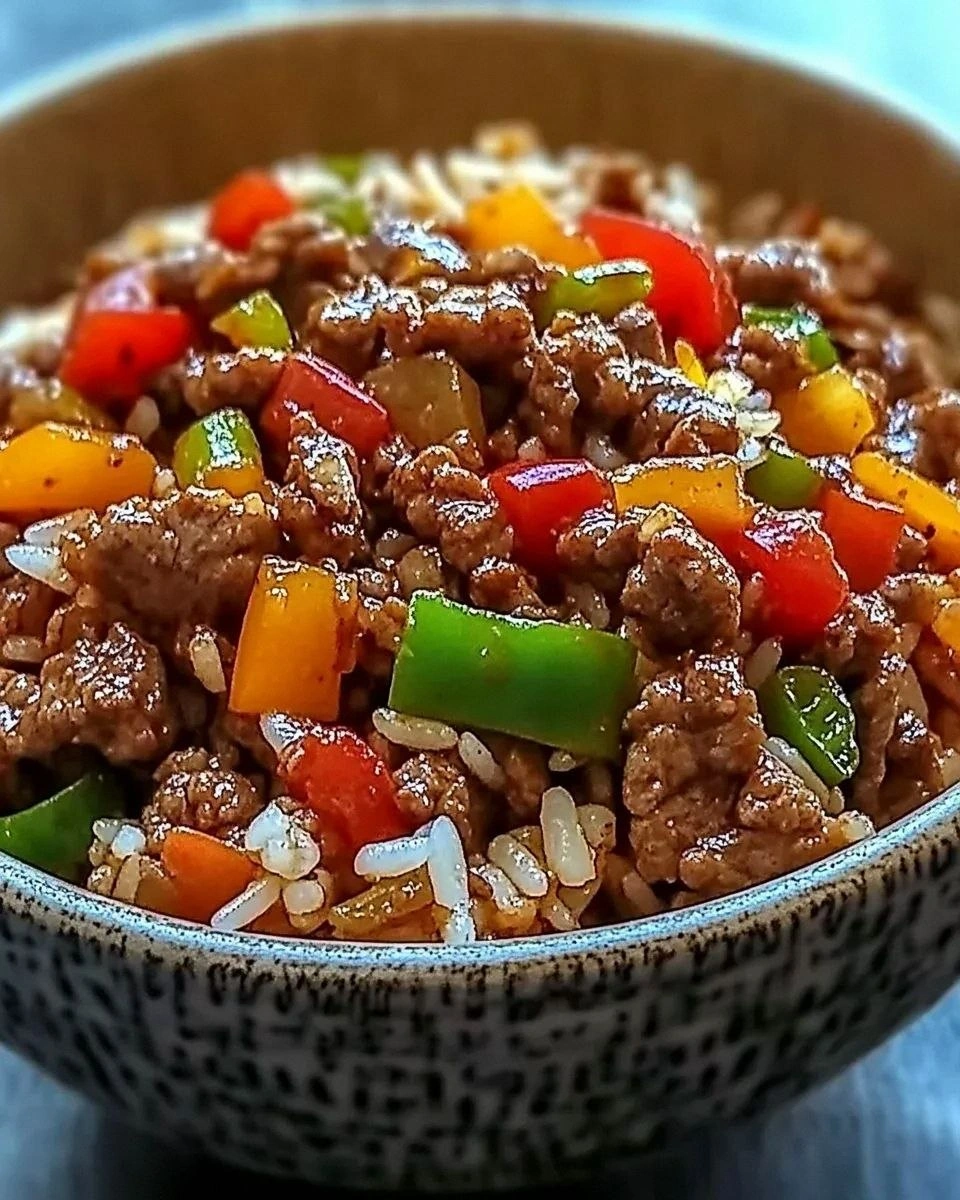
I’ll never forget the night my roommate challenged me to “make something that would make even a pizza‑lover weep.” I was half‑asleep, half‑hungry, and the only thing I could think of was a bowl of rice that could stand up to a pepper‑crusted steak. The kitchen was a battlefield of clanking pans, the faint hum of the fridge, and a lingering scent of stale takeout that begged for redemption. I grabbed a battered skillet, tossed a handful of rice onto the counter, and whispered a promise to the empty room: this would be legendary.
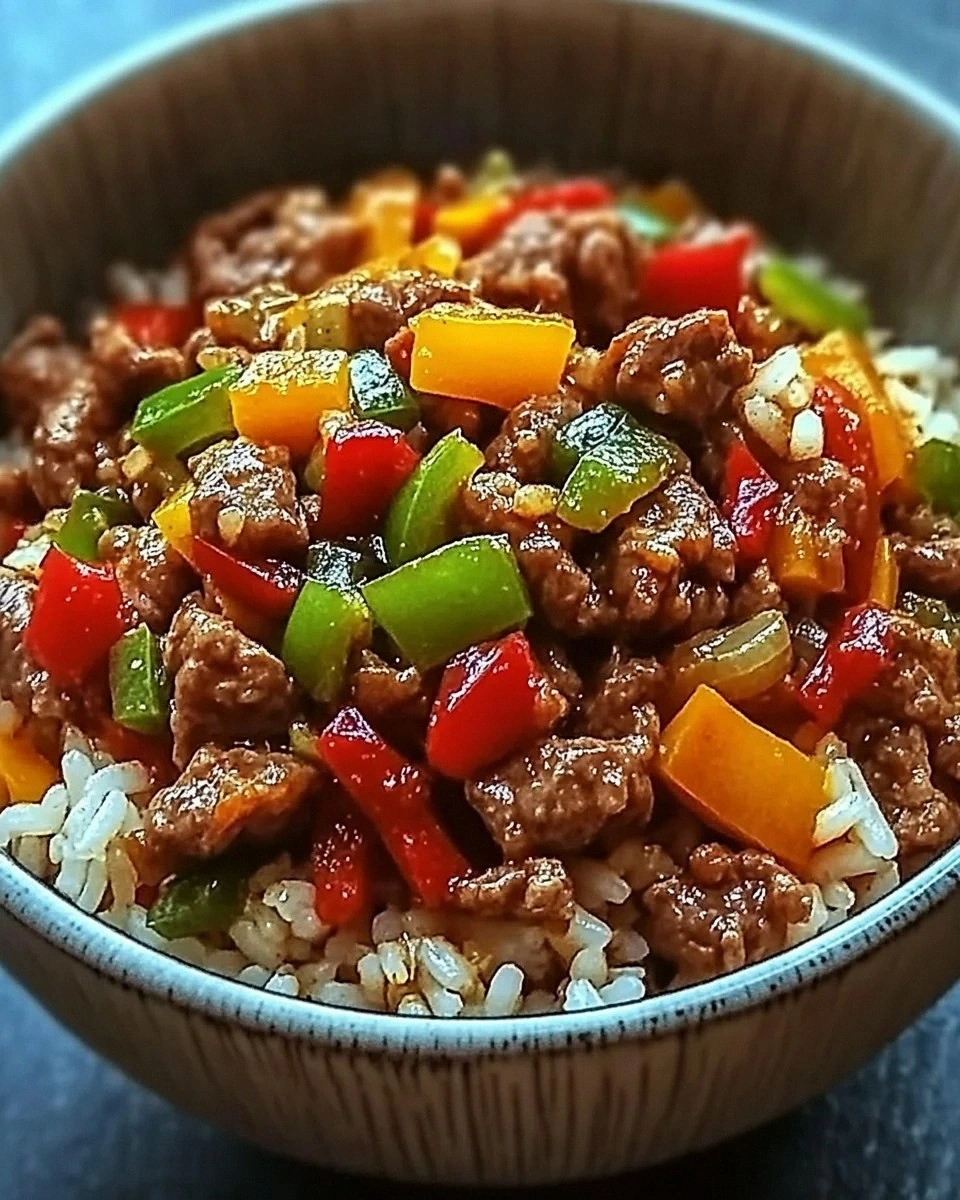
Fast forward a few frantic minutes, and the air was thick with the aroma of sizzling beef, caramelized onions, and a peppery perfume that made my nose do a little happy dance. The sound of the beef hitting the hot oil was a satisfying sizzle, like a drumroll announcing the main act. My hands felt the heat through the pan, the wooden spoon moving in rhythm, while the rice waited patiently, fluffy and ready to soak up every drop of sauce. When I finally plated the bowl, the colors—deep mahogany beef, ruby red pepper, and emerald green—were so vivid they could have been painted by a master.
What makes this version a cut above the rest? Most recipes treat the beef and rice as separate entities, never letting them truly mingle. I’m here to break that rule. By marinating the beef in a soy‑ginger‑pepper blend and finishing it with a splash of oyster sauce, the meat becomes a glossy, umami‑packed jewel that clings to each grain of rice like a lover that just can’t let go. The pepper isn’t just a garnish; it’s the hero, delivering a gentle heat that builds, never burns.
And there’s a secret weapon you won’t see coming: a pinch of sugar that balances the salt and pepper, coaxing the flavors into a harmonious chorus. I dare you to taste this and not go back for seconds. This is hands down the best version you’ll ever make at home, and I’m about to spill every detail. Let me walk you through every single step — by the end, you’ll wonder how you ever made it any other way.
What Makes This Version Stand Out
- Flavor Fusion: The marriage of soy, ginger, and a whisper of sugar creates a depth that feels like a savory hug.
- Texture Triumph: Tender strips of beef sit atop rice that stays separate, never mushy, thanks to a quick flash‑fry.
- Simplicity: Only ten core ingredients, all pantry‑friendly, yet the result feels restaurant‑grade.
- Unique Pepper Kick: Freshly cracked black pepper gives a lingering warmth that dances on the tongue.
- Crowd Reaction: Guests often claim they’ve never tasted a rice bowl that’s both comforting and exciting.
- Ingredient Quality: Using a well‑marbled sirloin makes the meat juicy without needing a fancy sauce.
- Cooking Method: High‑heat sear followed by a quick deglaze locks in juices and prevents soggy rice.
- Make‑Ahead Potential: Cooked rice and sliced veggies can be prepped ahead, shaving minutes off the final assembly.
Inside the Ingredient List
The Flavor Base
Soy sauce is the backbone of this bowl, providing salty umami that penetrates the beef in minutes. If you swap it for tamari, you’ll get a gluten‑free version with a slightly richer taste. Skip it, and you’ll lose that deep, savory foundation, leaving the dish tasting flat. Choose a low‑sodium variety if you’re watching your salt intake, but remember to adjust the pinch of salt at the end.
The Texture Crew
Jasmine rice brings a fragrant, slightly floral note and stays fluffy when cooked properly. Rinse it three times before cooking to remove excess starch; this prevents clumping. If you’re out of jasmine, basmati works well, though the aroma will shift toward a nuttier profile. The bell peppers add crispness; slice them thin so they soften just enough to mingle without losing their snap.
The Unexpected Star
A single teaspoon of sugar might look trivial, but it’s the quiet hero that balances the salty soy and peppery heat. It also helps the sauce caramelize slightly, giving the beef a glossy finish. If you prefer a deeper sweetness, a drizzle of honey can be used, though it will introduce a floral nuance. Skipping the sugar will make the dish taste overly salty and harsh.
The Final Flourish
Fresh ginger and garlic are the aromatics that awaken the palate. Grate ginger finely; large chunks will dominate the bite. Minced garlic should be added at the very end of the sear to avoid bitterness. For a low‑FODMAP version, reduce the garlic and increase the ginger, but expect a slightly different flavor curve.
Everything's prepped? Good. Let's get into the real action...
The Method — Step by Step
Start by marinating the beef. In a bowl, combine 1½ pounds of thinly sliced sirloin with 2 tablespoons soy sauce, 1 tablespoon oyster sauce, 1 teaspoon freshly ground black pepper, and 1 teaspoon sugar. Toss everything together, let it sit for 10 minutes while you prep the veggies. You’ll notice the beef turning a richer amber color—that’s the soy beginning its magic. Watch the clock; over‑marinating can make the meat too salty.
While the beef marinates, rinse 2 cups of jasmine rice under cold water until the water runs clear. Transfer to a pot, add 2½ cups water, a pinch of salt, and bring to a boil. Reduce to a simmer, cover, and cook for 15 minutes. Fluff with a fork and set aside.
Kitchen Hack: Place a clean kitchen towel over the pot while it simmers; it traps steam and yields perfectly fluffy rice.Heat 2 tablespoons of vegetable oil in a large skillet over medium‑high heat. When the oil shimmers, add the marinated beef in a single layer. Let it sear without moving for 1‑2 minutes—this is the moment of truth where the surface caramelizes. Flip the strips and cook another minute until just browned. The beef should be tender, not chewy, and the sauce should cling like a glossy coat.
Remove the beef and set aside. In the same skillet, add the sliced onion, red and green bell peppers, and a pinch of salt. Sauté for 3‑4 minutes until the vegetables are just softened but still bright.
Watch Out: Overcooking the peppers will turn them soggy and mute their crisp peppery bite.Stir in 3 minced garlic cloves and 1 tablespoon grated fresh ginger. Cook for 30 seconds, just until fragrant—any longer and the garlic turns bitter. Return the beef to the pan, drizzle any remaining marinade, and toss everything together. The sauce should thicken slightly, coating each piece of beef and vegetable.
Now it’s time to bring the rice into the party. Add the cooked jasmine rice to the skillet, breaking up any clumps with the back of a spoon. Toss gently to combine, allowing the rice to absorb the savory juices. You’ll hear a faint sizzle as the rice meets the hot pan—That sizzle when it hits the pan? Absolute perfection.
Season with a final splash of soy sauce if needed, and adjust pepper to taste. Sprinkle sliced green onions and a light dusting of sesame seeds for texture and visual appeal. Let the bowl sit for a minute off the heat; the residual warmth will finish the cooking.
Serve the Beef Pepper Rice Bowl hot, straight from the skillet or plated in shallow bowls. Garnish with extra green onions if you love that fresh bite. Picture yourself pulling this out of the oven, the whole kitchen smelling incredible, and the first spoonful melting on your tongue. This next part? Pure magic.
That's it — you did it. But hold on, I've got a few more tricks that'll take this to another level...
Insider Tricks for Flawless Results
The Temperature Rule Nobody Follows
Never let the pan cool down between steps. A consistent high heat ensures the beef sears quickly, locking in juices. If the temperature drops, the meat releases water and stews instead of browning. I once tried a “low‑and‑slow” approach and ended up with a soggy mess—lesson learned. Keep the burner at medium‑high, and you’ll get that caramelized crust that makes the bowl shine.
Why Your Nose Knows Best
Your sense of smell is the ultimate doneness gauge. When the garlic and ginger turn aromatic, you’re about 30 seconds from perfection. If you can smell the sweet caramel notes rising from the beef, the sauce is ready to thicken. Trust that nose; it’s more reliable than a timer. I’ve seen cooks over‑cook by a minute and lose the delicate balance—your nose will save you.
The 5‑Minute Rest That Changes Everything
After the final toss, let the bowl rest off the heat for five minutes. This pause lets the rice absorb the remaining sauce, and the beef fibers relax, making each bite tender. Skipping this step is a common mistake that leads to a dry mouthfeel. Think of it as a short power nap for your dish.
Seasoning Layer‑By‑Layer
Add a pinch of salt at each stage—marinade, vegetables, and final seasoning. This layered approach prevents a sudden salty shock at the end. A friend once dumped a whole teaspoon of salt in the final step and the bowl became inedible; a classic over‑seasoning disaster.
The Secret Splash of Citrus
A squeeze of fresh lime juice right before serving brightens the whole bowl, cutting through the richness. It’s a tiny trick that makes the flavors pop like fireworks. If you’re serving a crowd that prefers milder heat, the citrus also mellows the pepper edge.
Creative Twists and Variations
This recipe is a playground. Here are some of my favorite ways to switch things up:
Spicy Szechuan Flip
Add 1 teaspoon of Szechuan peppercorn oil and a dash of chili garlic sauce. The result is a tongue‑tingling heat that lingers longer than regular black pepper. Perfect for those who love a bold kick.
Mediterranean Medley
Swap the bell peppers for roasted red peppers, add olives, and finish with a sprinkle of feta. The salty feta pairs beautifully with the soy base, creating a cross‑cultural flavor mashup.
Veggie‑Only Version
Replace the beef with firm tofu cubes or tempeh, and increase the amount of mushrooms for umami. Marinate the tofu the same way to keep the flavor profile intact. This makes the bowl suitable for vegetarians while still delivering that peppery punch.
Coconut‑Rice Twist
Cook the jasmine rice in coconut milk instead of water. The subtle sweetness complements the savory beef and adds a tropical vibe—great for summer evenings.
Breakfast Boost
Top the bowl with a fried egg and a drizzle of sriracha. The runny yolk creates a silky sauce that mingles with the existing glaze, turning lunch into brunch.
Storing and Bringing It Back to Life
Fridge Storage
Transfer leftovers to an airtight container and refrigerate for up to 3 days. The rice may dry out slightly, but a quick stir‑fry with a splash of water revives it. Keep the sauce separate if you prefer a fresher texture.
Freezer Friendly
Separate the beef from the rice before freezing. Portion each into zip‑top bags, label, and freeze for up to 2 months. Thaw overnight in the fridge, then reheat in a skillet with a drizzle of oil and a splash of water.
Best Reheating Method
Place the bowl in a non‑stick pan over medium heat, add 2‑3 tablespoons of water, and cover for 2 minutes. The steam will bring back the original fluffiness, while the water prevents the rice from sticking. Finish with a quick toss of fresh green onions for a bright finish.