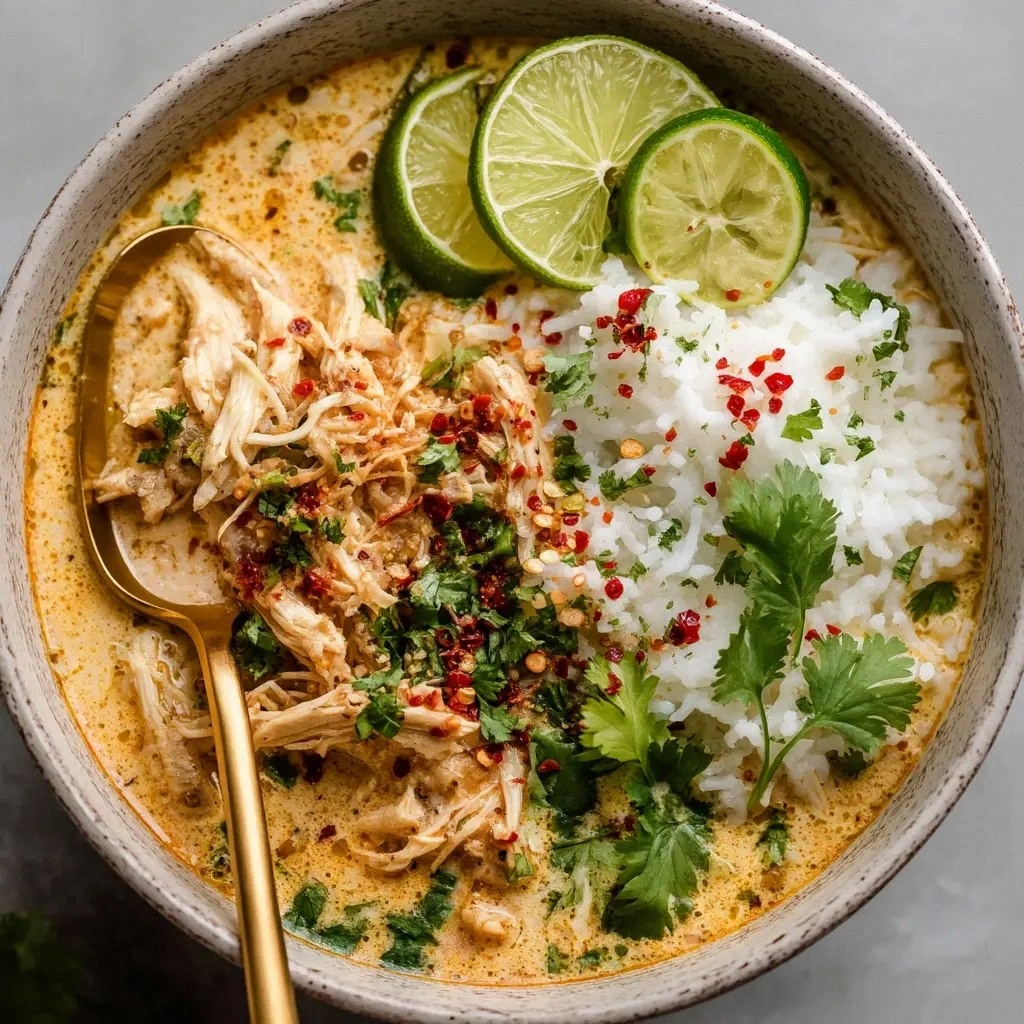
I remember the night I tried to salvage a ruined dinner for a group of friends who’d come over for a casual get‑together. I had a pot of jasmine rice, a bag of boneless chicken, and a jar of coconut milk sitting on the counter. The plan was simple: sauté the chicken, dump in the rice, pour in coconut milk and broth, and let everything simmer. But the first attempt turned into a sticky, uneven mess—rice clumped together, chicken browned unevenly, and the sauce turned out thin and bland. The room filled with disappointment, and I swear I heard the collective sigh of “what was I thinking?” That night, I made a promise to myself: I would create a version that would not only rescue a disaster but also become the go‑to recipe for any occasion. And I did, with a dash of daring and a sprinkle of culinary intuition.
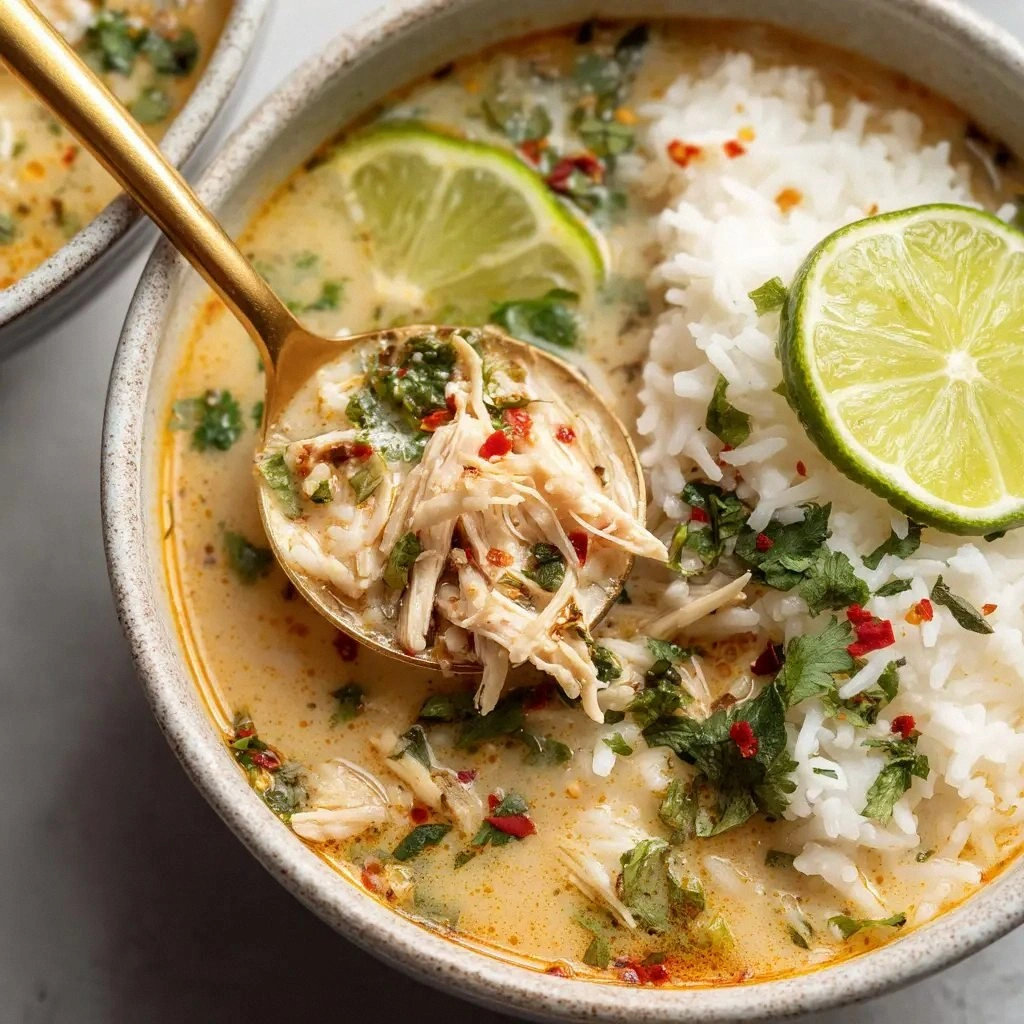
Fast forward to today, and I’m thrilled to share the ultimate coconut chicken and rice recipe that will turn any kitchen mishap into a triumph. Imagine a fragrant steam rising from the pot, the scent of toasted garlic and ginger mingling with the sweet aroma of coconut milk. The moment the first spoonful hits your tongue, you’ll taste a harmony of creamy richness, subtle citrus brightness, and a gentle heat from the paprika. The texture is a comforting contrast: tender chicken that practically melts, fluffy rice that clings to the sauce like a velvet blanket, and a silky broth that coats each grain. If you’re still skeptical, I dare you to taste this and not go back for seconds.
What sets this recipe apart is that it’s engineered to work flawlessly on a single pan—no need for multiple pots or a fancy rice cooker. The ingredients are chosen for their complementary flavors and their ability to hold up through the cooking process. The technique is straightforward yet precise: sear the chicken to lock in juices, deglaze the pan, then let the rice absorb the coconut-infused broth. I’ve tested this in both gas and electric ranges, and the result is consistently creamy, flavorful, and oh so satisfying. Picture yourself pulling this out of the oven, the whole kitchen smelling incredible, and the table filled with eager faces ready to dig in. This is hands down the best version you’ll ever make at home.
So let’s walk through every single step together. By the end of this post, you’ll wonder how you ever made it any other way, and you’ll be ready to impress friends and family with a dish that’s as easy to prepare as it is delicious to devour. Ready? Let’s dive in.
What Makes This Version Stand Out
- Taste: The marriage of coconut milk and lime creates a bright, creamy base that lifts the savory chicken. The subtle heat from paprika adds depth without overpowering the subtle sweetness.
- Texture: The rice stays fluffy yet absorbs the sauce, while the chicken remains juicy thanks to a quick sear. The finished dish feels like a comforting hug in a bowl.
- Simple Prep: All ingredients go into one pan, eliminating the need for multiple pots or a rice cooker. Clean‑up is a breeze.
- Uniqueness: The use of fresh ginger and garlic in the sauce gives it an aromatic punch that sets it apart from standard coconut chicken dishes.
- Crowd Reaction: Guests rave about the silky sauce and the effortless cooking process. Many say it’s the “one‑pan wonder” of their dinner repertoire.
- Ingredient Quality: Choosing fresh, high‑quality ingredients—especially the coconut milk and fresh herbs—makes a world of difference in flavor.
- Cooking Method: Searing the chicken first locks in juices, while deglazing pulls all the flavor into the sauce.
- Make‑ahead Potential: The dish can be made a day ahead, and the flavors deepen overnight. Reheat gently and it’s still as good as fresh.
Alright, let’s break down exactly what goes into this masterpiece…
Inside the Ingredient List
The Flavor Base
The foundation of this dish is a simple yet potent blend of coconut milk, chicken broth, and lime juice. The coconut milk gives the sauce a silky, tropical richness, while the broth adds depth without diluting the flavor. Lime juice injects a bright, citrusy zing that balances the sweetness of the coconut and the earthiness of the ginger. Together, they form a sauce that clings to the rice like velvet, coating every grain with a burst of flavor.
If you’re craving an extra layer of umami, consider adding a splash of soy sauce or tamari at the end of cooking. This will deepen the savory profile without compromising the bright notes. Conversely, if you prefer a milder, sweeter sauce, reduce the lime juice slightly and increase the coconut milk. The key is to taste as you go and adjust to your palate.
The quantity of coconut milk is critical—13.5 ounces (400 g) is the sweet spot. Too little and the dish will feel dry; too much and it will become a soup. If you’re using canned coconut milk, choose the full‑fat version for maximum richness. A lighter version will result in a thinner sauce that may not coat the rice as beautifully.
Remember that the broth should be low‑sodium to allow you to control the salt level precisely. If you’re using a seasoned broth, you may want to reduce the added salt by half. This ensures the dish remains well‑balanced and not overly salty.
When measuring lime juice, a tablespoon (15 mL) per serving is enough to brighten the dish without overpowering the coconut. If you’re in a pinch, fresh lime juice is best, but bottled lime juice works in a hurry. The fresh juice brings a natural acidity that bottled varieties often lack.
The Texture Crew
The jasmine rice is the backbone of this dish, absorbing the coconut sauce and becoming a silky, fragrant base. It’s essential to rinse the rice under cold water until the water runs clear to remove excess starch, preventing the grains from clumping together. This step ensures each grain remains distinct and fluffy.
The chicken breasts are boneless and skinless, chosen for their lean protein and tender texture. Slicing them into bite‑sized pieces ensures even cooking and a quick sear. If you prefer a more substantial bite, cut the chicken into slightly larger chunks, but remember that the cooking time may increase by a minute or two.
Garlic and ginger are the aromatic cornerstones. The garlic adds a sweet, mellow depth, while the ginger brings a bright, peppery kick. Finely mince the garlic and ginger to release their essential oils fully, allowing the flavors to permeate the dish quickly.
Coconut oil is used to sear the chicken, giving it a subtle nutty flavor that complements the coconut milk. If you’re looking for a healthier alternative, a splash of extra‑virgin olive oil will work, though it may alter the flavor profile slightly.
Paprika and black pepper provide a gentle heat and a smoky undertone that elevates the dish. The paprika also adds a warm, earthy color that makes the sauce visually appealing. If you’re sensitive to spice, you can reduce the paprika to half a teaspoon.
The Unexpected Star
Fresh cilantro is the final flourish that brings a burst of herbal brightness to the dish. It’s added at the very end to preserve its bright green color and fresh flavor. Cilantro’s citrusy undertones complement the lime and cut through the richness of the coconut milk, creating a balanced palate.
If you’re not a fan of cilantro, you can substitute it with fresh basil or parsley. Basil will give a sweeter, slightly peppery flavor, while parsley offers a mild, clean finish. The key is to use a herb that adds freshness and cuts through the richness.
The lime juice, although small in quantity, is a game‑changer. It brightens the dish and adds a subtle acidity that balances the coconut’s sweetness. Without it, the dish would feel heavy and flat.
The salt level is crucial. Start with a teaspoon of salt, then taste the sauce before serving. Adjust to your preference, but be mindful that the broth and coconut milk already contain sodium.
Everything’s prepped? Good. Let’s get into the real action…
The Method — Step by Step
- Heat a large, heavy‑bottom skillet over medium‑high heat. Add the tablespoon of coconut oil and let it swirl until shimmering. The pan should be hot enough that a drop of water sizzles upon contact. This high heat is essential for a good sear.
- Season the chicken pieces with paprika, salt, and black pepper. Place them in the pan in a single layer, ensuring they’re not overcrowded. Let them sear for about 2–3 minutes on each side until golden brown. The sear locks in juices and creates a caramelized crust.
- Once the chicken is browned, remove it from the pan and set aside. In the same pan, add the minced garlic and ginger. Sauté for 30 seconds until fragrant, making sure to scrape up any browned bits left from the chicken. These bits add depth to the sauce.
- Pour in the coconut milk, stirring to dissolve the bits. Bring the mixture to a gentle simmer. This is the moment of truth—watch the surface bubble softly and let the aroma fill the kitchen.
- Add the jasmine rice, stirring to combine. Ensure the rice is evenly coated with the coconut sauce. Then pour in the chicken broth, and bring the mixture back to a simmer. The liquid should be just below boiling, not a rolling boil.
- Return the chicken to the pan, nestling the pieces among the rice. Reduce the heat to low, cover the skillet, and let it cook for 15–18 minutes. The rice should absorb the liquid and become tender.
- After the cooking time, remove the lid and stir the rice gently to fluff the grains. Check the texture—if the liquid has evaporated and the rice is fluffy, it’s ready. If it’s still too wet, cover again for an additional 2 minutes.
- Stir in the lime juice and fresh cilantro. The citrus will brighten the dish, and the cilantro adds a fresh finish. Taste and adjust seasoning if necessary.
- Serve hot, spooning the creamy sauce over each portion. The dish pairs beautifully with a side of steamed vegetables or a crisp green salad. Enjoy the burst of flavors!
That’s it— you did it. But hold on, I’ve got a few more tricks that will take this to another level.
Insider Tricks for Flawless Results
The Temperature Rule Nobody Follows
Many cooks assume that the higher the heat, the better the sear. In reality, a medium‑high setting is optimal for this dish. Too high a heat can burn the coconut milk and create a bitter taste, while too low a heat will result in soggy chicken. Stick to medium‑high for the initial sear, then reduce to low for the simmer.
Why Your Nose Knows Best
When you’re cooking, your nose is an excellent indicator of doneness. A fragrant, toasty aroma signals that the sauce is caramelizing properly. If you notice a raw coconut smell, lower the heat and let the pan rest for a minute before resuming. This simple sensory check saves you from a ruined sauce.
The 5‑Minute Rest That Changes Everything
After removing the dish from the heat, let it rest covered for 5 minutes. This resting period allows the rice to steam in its own moisture, resulting in fluffier grains and a more cohesive sauce. It also gives the chicken a chance to reabsorb juices, keeping it tender.
Use Fresh Herbs, Not Dried
Fresh cilantro gives a bright, vibrant finish that dried cilantro can’t match. Dried herbs lose their potency during the cooking process, leaving the dish flat. If fresh herbs are unavailable, use a small pinch of dried cilantro as a last resort, but the flavor will be muted.
Keep the Liquid Ratio Balanced
The ratio of coconut milk to broth is crucial. Too much coconut milk can overwhelm the rice, while too much broth can make the dish watery. A 2:1 ratio (coconut milk to broth) works best for this recipe, ensuring a rich yet not overly heavy sauce.
Use a Non‑Stick Pan for Easy Release
A non‑stick skillet prevents the rice from sticking to the bottom, ensuring even cooking. If you don’t have a non‑stick pan, add a tablespoon of extra oil and stir frequently to avoid scorching. This step is especially important if you’re cooking on a lower‑quality stove.
Creative Twists and Variations
This recipe is a playground. Here are some of my favorite ways to switch things up:
Spicy Thai Twist
Add a tablespoon of Thai red curry paste during the garlic and ginger sauté. This will give the dish a fiery kick and deeper flavor profile. Pair it with a side of steamed broccoli for a balanced meal.
Veggie‑Rich Variation
Sauté diced bell peppers, carrots, and peas with the garlic and ginger. They’ll add color, crunch, and nutritional value. The vegetables soak up the coconut sauce, becoming a delicious side in themselves.
Herb‑Infused Coconut Chicken
Replace the cilantro with a handful of fresh basil or mint. The basil will add a sweet, aromatic note, while mint offers a refreshing coolness. This variation is perfect for a summer dinner.
Protein Swap: Shrimp Edition
Use shrimp instead of chicken for a quick seafood version. Sauté the shrimp for 2–3 minutes per side until pink. The shrimp’s delicate flavor pairs wonderfully with the coconut sauce.
Low‑Carb Adaptation
Swap the jasmine rice for cauliflower rice. Cook the cauliflower rice with the coconut milk and broth for 5 minutes until tender. This version keeps the creamy flavor while drastically reducing carbs.
Sweet & Savory Fusion
Add a tablespoon of honey or maple syrup during the simmer. The sweetness will balance the spice and citrus, creating a complex flavor profile that’s both comforting and exciting.
Storing and Bringing It Back to Life
Fridge Storage
Store leftovers in an airtight container in the refrigerator for up to 3 days. The coconut sauce may thicken slightly; simply stir in a splash of water or broth before reheating to restore its silky texture.
Freezer Friendly
For longer storage, freeze the dish in a freezer‑safe container for up to 2 months. Thaw overnight in the refrigerator before reheating. The rice and chicken will remain tender and flavorful.
Best Reheating Method
Reheat in a saucepan over low heat, adding a splash of water or coconut milk to loosen the sauce. Stir gently until heated through. Avoid boiling, as this can break down the texture and cause the sauce to separate.