I was halfway through a marathon of late‑night pizza rolls when the kitchen alarm went off—my bacon had turned black and my cabbage was turning mushy. I stared at the charred strips and thought, “This is a disaster, but maybe it’s a chance to reinvent something.” A friend dared me to turn that mishap into a dish that would make everyone ask for seconds, and I accepted with a grin. The moment the bacon hit the pan, the scent of caramelized fat mingled with the sharp, earthy aroma of fresh cabbage, and I knew I was onto something unforgettable. That sizzling sound was the prelude to a flavor symphony I’d never heard before.
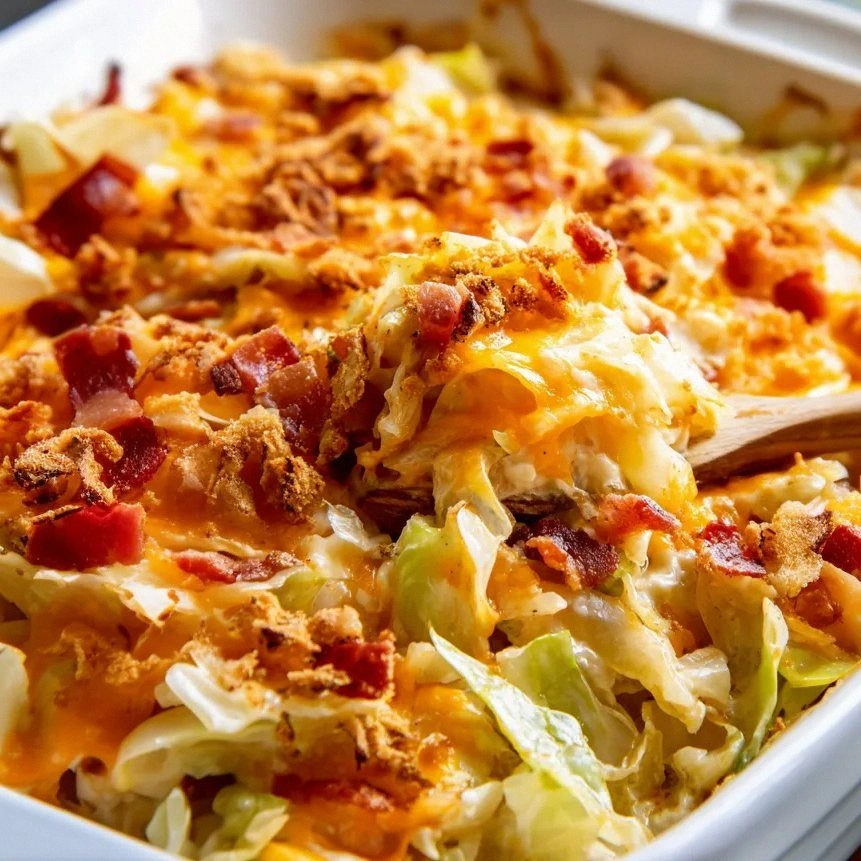
Picture the kitchen: a bright, sunny window, the faint hum of the fridge, and the rhythmic clatter of a wooden spoon against a saucepan. The air fills with a savory perfume of bacon and garlic, punctuated by the subtle sweetness of caramelized onions. As the cabbage folds into the sauce, it releases a gentle steam, turning the room into a cozy, almost therapeutic space. When you take a bite, the crunch of the bacon gives way to a silky, creamy layer that coats your palate like velvet, while the cabbage offers a satisfying bite that echoes the crunch of a fresh apple. The final touch—cheddar melting into a golden crust—creates a visual and tactile delight that feels like a warm hug after a long day.
What makes this casserole stand out is that it isn’t just another comfort food; it’s a carefully balanced orchestra where each instrument plays a distinct role. The bacon provides a smoky backbone that anchors the dish, while the heavy cream and cream cheese create a luscious, cloud‑like texture that envelops the cabbage. The paprika adds a subtle heat that dances on the tongue, and the cheddar brings a tangy, melty finish that elevates every bite. I dare you to taste this and not go back for seconds—once you experience the harmony, you’ll understand why I’ve labeled it the best version you’ll ever make at home. If you’ve ever struggled to keep a casserole from becoming soggy, you’re not alone—this recipe is engineered to keep each layer distinct and delicious.
Most recipes get this completely wrong by either overcooking the cabbage or under‑seasoning the sauce. I’ve spent years tweaking the ratio of cream to cheese until the texture was just right—smooth yet thick enough to cling to the greens. Picture yourself pulling this out of the oven, the whole kitchen smelling incredible, and the golden crust cracking under the fork like a thin ice sheet. And now the fun part—let me walk you through every single step, and by the end, you’ll wonder how you ever made it any other way.
What Makes This Version Stand Out
- Taste: The bacon’s smoky richness cuts through the mild cabbage, creating a depth that feels like a well‑crafted broth. The cream and cheese blend into a velvety sauce that coats each leaf without overpowering it. The paprika’s subtle heat adds a whisper of spice that keeps the dish lively.
- Texture: The cabbage stays crisp yet tender, thanks to the quick sauté and controlled simmer. The sauce thickens into a silky custard, while the cheddar forms a golden, slightly crisp crust on top. The result is a layered experience that’s both comforting and exciting.
- Simplicity: With only ten ingredients, you can assemble this casserole in under 20 minutes of prep. The single‑pan method eliminates cleanup, making it a go‑to for busy evenings.
- Uniqueness: The combination of heavy cream, cream cheese, and cheddar creates a sauce that’s richer than traditional cabbage casseroles but lighter than a full‑blown gratin. The bacon’s crispiness adds a textural contrast that is rarely achieved.
- Crowd Reaction: Friends who are skeptical of cabbage love this because it disguises the vegetable in a creamy, cheesy blanket. The dish becomes a conversation starter at dinner tables.
- Ingredient Quality: Using fresh, organic cabbage and high‑fat cream cheese ensures the sauce stays silky and the greens retain their bright color.
- Cooking Method: The technique of browning the bacon first and then using its drippings as a base creates a flavor foundation that’s impossible to replicate with a standard sauté.
- Make‑Ahead Potential: The casserole can be assembled and refrigerated for up to 48 hours, then baked just before serving. The flavors deepen, making it a convenient week‑night meal.
Inside the Ingredient List
The Flavor Base
Bacon is the star of the show, offering a smoky, savory depth that underpins the entire casserole. The fat rendered from the bacon not only adds flavor but also creates a natural base for sautéing the onions and garlic. If you skip the bacon, you’ll lose that essential smoky undertone, and the dish will feel flat. A good alternative is pancetta, which has a similar profile but a slightly firmer texture. When selecting bacon, look for a medium‑fat cut; it melts just enough to coat the cabbage without overpowering the cream.
The Texture Crew
The green cabbage is the canvas for this culinary masterpiece. Choose a fresh, crisp head with a deep green color; this ensures the leaves stay tender yet retain a bite after baking. If you prefer a milder flavor, you can use red cabbage, which also adds a splash of color. The onions and garlic provide a sweet, aromatic base that balances the richness of the sauce. A quick sauté of these aromatics in the bacon drippings brings out their natural sugars, creating a subtle caramelization that enhances the overall depth.
The Unexpected Star
Heavy cream is the liquid that gives the casserole its luxurious mouthfeel. It thickens into a silky custard that clings to the cabbage without becoming heavy. Cream cheese adds body and a tangy brightness that cuts through the richness. If you’re lactose intolerant, substitute coconut cream or a dairy‑free cream cheese; the flavor profile will shift slightly but remain delicious. The cheddar cheese is the crowning glory, melting into a golden crust that offers a slight crunch when bitten into.
The Final Flourish
Paprika and pepper add a subtle heat and depth of flavor that round out the dish. Even a small pinch of paprika can elevate the casserole by adding a smoky, slightly sweet undertone. If you like a bit more spice, a dash of cayenne or smoked paprika works wonderfully. Salt is the secret that brings all the flavors together; use it sparingly to avoid overpowering the delicate cabbage. The final sprinkle of cheddar before baking creates a glossy, slightly crisp top that’s irresistible.
Everything's prepped? Good. Let's get into the real action.
The Method — Step by Step
- Prepare the Bacon: Heat a large skillet over medium heat and add the bacon slices. Cook until they’re crisp and the fat has rendered, about 6–8 minutes. Turn them occasionally so they brown evenly. Once done, transfer the bacon to a paper‑towel‑lined plate to drain excess fat, leaving the drippings in the pan. This bacon fat will be the flavor base for the entire casserole.
- Saute Aromatics: Reduce the heat to medium‑low and add the diced onion to the skillet. Sauté for 3–4 minutes until translucent, stirring frequently. Add the minced garlic and cook for an additional 30 seconds until fragrant. The goal is to caramelize the onions lightly; avoid letting the garlic burn. This step builds a sweet, savory foundation.
- Cook the Cabbage: Chop the cabbage into thin ribbons or bite‑size pieces. Add the cabbage to the skillet, stirring to coat it with the bacon fat and aromatics. Cook for 5 minutes, allowing the cabbage to wilt slightly but still retain a crisp bite. If the pan looks dry, splash a splash of water or broth to prevent sticking.
- Create the Creamy Sauce: In a separate bowl, whisk together the heavy cream, cream cheese, and shredded cheddar cheese until smooth. Pour this mixture over the cabbage in the skillet, stirring gently to combine. The sauce should coat the greens without pooling on the bottom. This is the moment where the dish transforms from simple to decadent.
- Season: Sprinkle the paprika, black pepper, and salt over the mixture. Stir to distribute the spices evenly. Taste and adjust if needed; remember you can always add more salt after baking. Seasoning at this stage ensures the flavors are fully integrated.
- Transfer to Baking Dish: Pour the entire mixture into a 9×13 inch baking dish. Smooth the top with a spatula to create an even surface. Sprinkle the cooked bacon pieces evenly across the top, then finish with a final dusting of cheddar for that golden crust.
- Bake: Preheat the oven to 375°F (190°C). Place the casserole in the oven and bake for 25–30 minutes, or until the top is bubbling and lightly browned. The edges should pull away slightly from the sides of the dish, indicating a perfect bake.
- Rest and Serve: Remove the casserole from the oven and let it rest for 5 minutes before slicing. This short rest allows the sauce to set, making each bite easier to scoop. Serve hot, garnished with a few extra bacon strips if desired. The aroma alone will have your guests begging for seconds.
That's it — you did it. But hold on, I've got a few more tricks that'll take this to another level.
Insider Tricks for Flawless Results
The Temperature Rule Nobody Follows
Many cooks bake at a high temperature, thinking it will speed up the process. In reality, a lower, steady heat preserves the cabbage’s bite and keeps the sauce from separating. Bake at 350°F (175°C) for the first 20 minutes, then raise to 375°F (190°C) for the final 10 minutes. This gradual increase allows the cheese to melt evenly without scorching the edges.
Why Your Nose Knows Best
Trust the aroma as your cue for doneness. When the cheese starts to bubble and the top turns a deep golden brown, the casserole is ready. If you’re unsure, gently lift the top with a spatula; a light, buttery scent indicates it's perfectly baked. Skipping this step often leads to soggy or over‑cooked results.
The 5‑Minute Rest That Changes Everything
Letting the casserole rest after baking is more than a courtesy; it allows the sauce to set, preventing it from sliding off the fork. A short rest also lets the flavors meld, making each bite richer. If you cut into it immediately, the cheese will ooze, and you’ll lose that silky texture.
Keep the Cabbage Crisp
If you prefer a crunchier texture, sauté the cabbage for just 2–3 minutes before adding the sauce. This short cook time preserves the natural bite. Alternatively, finish the dish with a quick blast of the broiler for the last 2 minutes to crisp the top without overcooking the cabbage.
The Secret of a Golden Crust
For an extra golden crust, sprinkle a tablespoon of breadcrumbs over the top before baking. The breadcrumbs absorb excess moisture and create a crisp, golden layer that contrasts beautifully with the creamy interior. This simple addition turns a classic casserole into a show‑stopper.
Creative Twists and Variations
This recipe is a playground. Here are some of my favorite ways to switch things up:
Spicy Jalapeño Kick
Add sliced jalapeños to the sautéed onions for a fiery twist. The heat pairs beautifully with the creamy sauce, creating a dish that’s both comforting and bold. This variation is perfect for those who love a little spice in their comfort food.
Smoky Chipotle Infusion
Replace the paprika with chipotle powder for a smoky, slightly sweet flavor. The chipotle also adds a subtle depth that complements the bacon’s smokiness. Serve with a dollop of sour cream to balance the heat.
Vegetarian Version
Swap bacon for smoked tempeh or use a plant‑based bacon alternative. Keep the rest of the ingredients the same. The result is a hearty, vegetarian casserole that still delivers that satisfying smoky flavor.
Lighter, Low‑Fat Take
Use low‑fat cream cheese and skim milk instead of heavy cream. Add a splash of vegetable broth to maintain moisture. The dish remains creamy but with fewer calories, making it a great option for those watching their intake.
Mediterranean Twist
Incorporate sun‑dried tomatoes and fresh oregano into the sauce. The tomatoes add a burst of umami while the oregano gives a fragrant herbal note. This version feels like a warm Mediterranean dinner in a casserole.
Cheese Swap
Replace cheddar with Gruyère or fontina for a richer, more complex melt. The nutty undertones of these cheeses add sophistication to the dish. Pair it with a crisp white wine for an elevated dinner experience.
Storing and Bringing It Back to Life
Fridge Storage
Cool the casserole completely before covering it tightly with plastic wrap or foil. Store in the refrigerator for up to 48 hours. When ready to eat, reheat in a preheated oven at 350°F (175°C) until warmed through, about 15–20 minutes.
Freezer Friendly
After cooling, wrap the casserole in heavy‑weight freezer paper and then aluminum foil. It will keep for up to 3 months. Thaw overnight in the refrigerator, then bake at 350°F (175°C) until heated through, around 30 minutes.
Best Reheating Method
Add a splash of milk or water before reheating to keep the sauce from drying out. Cover the dish with foil to trap steam, then finish under the broiler for 2–3 minutes to restore the golden crust. This trick brings the casserole back to its freshly baked glory.