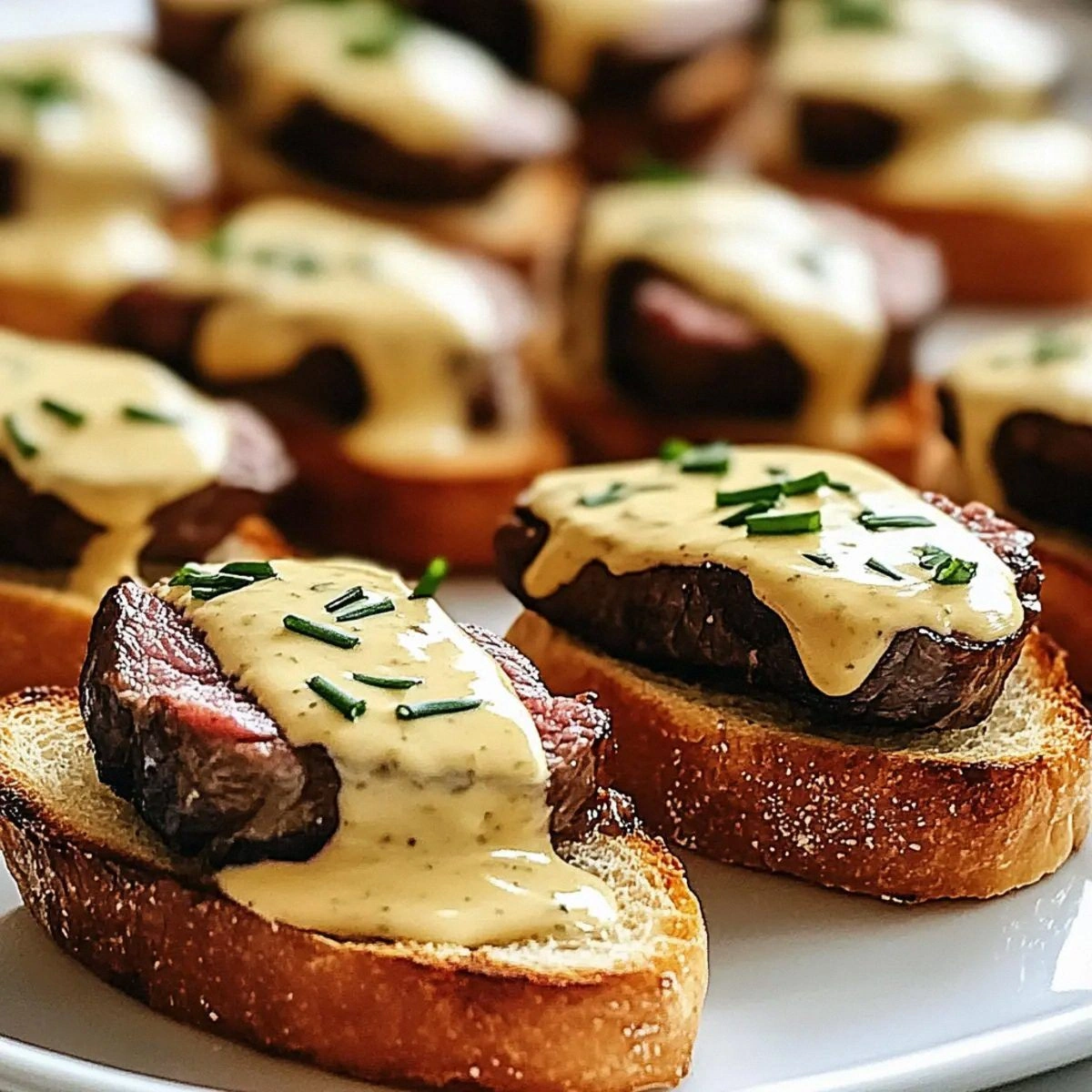
I was standing in my kitchen on a rainy Thursday, staring at a half‑crusty baguette and a stubborn piece of beef tenderloin that had survived a week in the fridge. The scent of wet pavement mixed with the faint aroma of the meat, and I thought, “If I’m going to rescue this, it better be epic.” That night, I dared myself to turn a simple leftover into a dish that would make even the most seasoned food snob gasp, and after a few missteps (including a burnt crust that tasted like charcoal), I finally nailed it. The result? A crostini that sings with the buttery richness of Béarnaise, the smoky kiss of a grill, and a crunch that shatters like thin ice under a summer sun.
Picture this: the first bite delivers a buttery, herb‑laden sauce that cloaks the beef like velvet, while the toasted baguette offers a crisp, almost caramelized edge that whispers of caramelized sugar. The sizzle of the grill is still echoing in your ears, the aroma of seared meat mingles with fresh herbs, and the heat of the kitchen feels like a warm hug. I’ll be honest — I ate half the batch before anyone else got a chance to try it, and that’s because the flavors are so unapologetically bold they demand immediate attention. I dare you to taste this and not go back for seconds; the combination of juicy tenderness and bright, herbaceous sauce is practically criminal.
Most recipes get this completely wrong. They either over‑cook the tenderloin, turning it into a dry chew, or they drown the delicate meat in a sauce that’s either too thin or too heavy. What I discovered was a balance: a quick, high‑heat grill that sears the exterior while preserving a buttery pink core, paired with a Béarnaise that’s thick enough to cling but bright enough to cut through the richness. The secret lies in a few precise steps — a dash of kosher salt just before the grill, a splash of olive oil on the baguette, and a final garnish of fresh chives that add a pop of color and freshness.
Let me walk you through every single step — by the end, you’ll wonder how you ever made it any other way. Okay, ready for the game‑changer? This next part? Pure magic. Stay with me here — this is worth it.
What Makes This Version Stand out
- Juiciness: The quick grill locks in the beef’s natural juices, giving each bite a succulent, melt‑in‑your‑mouth feel that’s hard to beat.
- Texture: A crunchy baguette base contrasts with the tender meat, creating a mouthfeel that’s both satisfying and sophisticated.
- Simplicity: Only seven ingredients, all pantry‑friendly, yet the result feels restaurant‑grade without the hassle.
- Unique Twist: Using a Béarnaise sauce mix saves time but still delivers that classic tarragon‑infused richness.
- Crowd Reaction: Guests invariably ask for the recipe, and the “I dare you to not have seconds” line becomes a running joke.
- Ingredient Quality: A good quality beef tenderloin makes all the difference; the marbling adds flavor without extra fat.
- Cooking Method: Grilling, not pan‑searing, adds a smoky depth that a stovetop simply can’t replicate.
- Make‑Ahead Potential: The crostini can be assembled ahead of time, and the béarnaise reheats beautifully, making it perfect for parties.
Inside the Ingredient List
The Flavor Base
The Béarnaise sauce mix is the heart of this dish. It brings the classic tarragon and shallot notes that elevate the beef from ordinary to extraordinary. If you skip it, you’ll lose that bright, herbaceous lift, and the dish will feel flat. A quick swap? Use a high‑quality store‑bought Béarnaise or whip up a homemade version with fresh tarragon, vinegar, and butter for an even richer taste.
Olive oil does double duty: it lubricates the baguette, helping it toast evenly, and it adds a subtle fruitiness that complements the beef. Choose extra‑virgin for the most flavor, but a light, neutral oil works if you prefer a milder profile. Skipping the oil will lead to a dry, stubborn crust that refuses to brown properly.
The Texture Crew
A fresh baguette is essential. Its airy crumb and crisp crust provide the perfect vehicle for the juicy meat and silky sauce. If you can’t find a baguette, a rustic country loaf sliced thin works, but the texture won’t be as airy. When shopping, look for a loaf that’s still a bit firm — it will hold up better under the weight of the toppings.
Beef tenderloin filets are the star protein. Their low‑fat, high‑marbling nature ensures a buttery mouthfeel even after a quick grill. If you’re on a budget, a top‑round steak can substitute, but you’ll need to marinate it longer to achieve comparable tenderness.
The Unexpected Star
Fresh chives or parsley add a burst of color and a subtle oniony sharpness that cuts through the richness of the sauce. They also bring a visual pop that makes the dish look as good as it tastes. If you’re allergic to chives, a sprinkle of finely diced green onions works just as well.
The Final Flourish
Kosher salt and freshly ground pepper are the unsung heroes that awaken every other flavor. The salt draws out moisture from the meat, creating a beautiful crust, while the pepper adds a gentle heat that lingers on the palate. Don’t be shy with the pepper; a generous grind adds depth without overwhelming the delicate sauce.
Everything's prepped? Good. Let’s get into the real action…
The Method — Step by Step
Start by preheating your grill to high heat, aiming for a surface temperature of about 450°F (230°C). While the grill is heating, pat the beef tenderloin filets dry with paper towels; moisture is the enemy of a good sear. Lightly coat each filet with a thin layer of olive oil, then season generously with kosher salt and freshly ground pepper. The moment the meat hits the grill, you’ll hear that unmistakable sizzle that signals caramelization is about to begin.
Kitchen Hack: Use a pair of tongs to press the filet gently onto the grill grates for the first 30 seconds; this ensures maximum contact and a perfect grill mark.Grill the filets for about 2‑3 minutes per side for medium‑rare, depending on thickness. You’re looking for a dark, slightly charred crust that should release easily from the grates. Resist the urge to move the meat around; let it sit and develop that crust. When you flip, you’ll notice the juices pooling on the surface — that’s a good sign the interior is still pink and juicy.
While the beef rests for five minutes (this is crucial for juice redistribution), slice the baguette into ½‑inch thick rounds. Lightly brush each side with olive oil, then arrange them on a dry skillet over medium heat. Toast until golden brown and crisp, about 1‑2 minutes per side. The edges should start pulling away from the pan, indicating a perfect crunch.
Now, it’s time for the Béarnaise. In a small saucepan, whisk together the Béarnaise sauce mix with the amount of water called for on the package, usually about ½ cup. Bring to a gentle boil, then reduce heat and simmer, stirring constantly, until the sauce thickens to a glossy, pourable consistency. This step is where many go wrong — over‑cooking can cause the sauce to split, turning grainy and unappetizing.
Watch Out: If the sauce starts to look curdled, immediately remove it from heat and whisk in a teaspoon of cold butter; this will bring it back together.Slice the rested beef tenderloin into thin, bite‑size strips — think match‑stick length. The thinness ensures that each crostini gets a balanced bite of meat and sauce. Arrange the strips on a plate and keep them warm; you can tent them loosely with foil if needed.
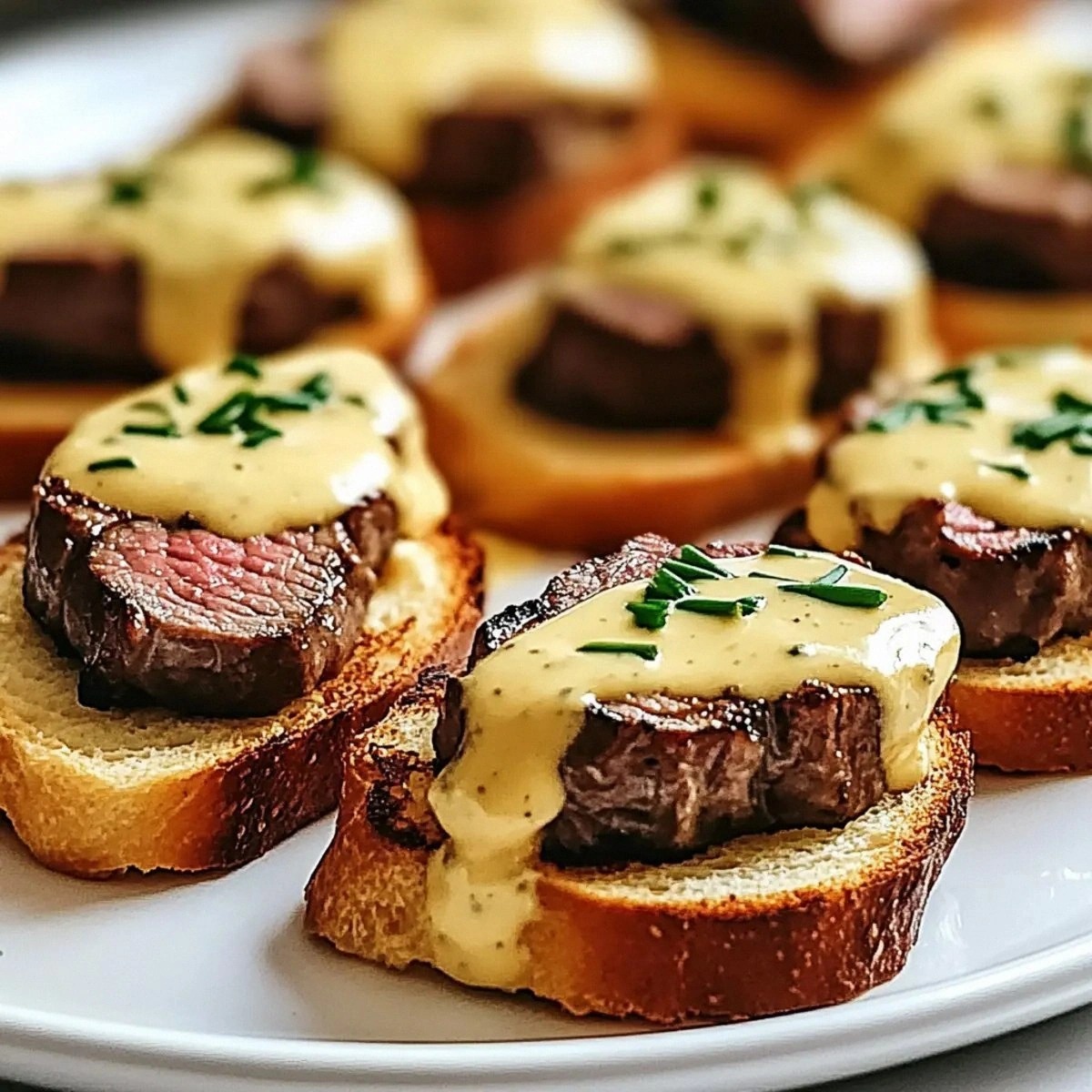
To assemble, place a toasted baguette slice on a serving platter, spoon a generous dollop of béarnaise onto the center, and top with a few strips of beef. The béarnaise should coat the meat like a silky blanket, while the bread provides a sturdy base. Finish each crostini with a sprinkle of fresh chives or parsley for color and a fresh herb bite.
Give the assembled crostini a final quick pass under a broiler for 30 seconds if you love extra caramelization. This step is optional but adds a subtle smoky note that deepens the flavor profile. Keep a close eye; you want a light golden hue, not a burnt disaster.
Serve immediately while the bread is still crisp and the sauce is warm. Pair with a light red wine or a crisp rosé, and watch as your guests dive in without hesitation. That moment when they say, “This is hands down the best version you’ll ever make at home,” is the ultimate reward. And now the fun part — enjoy the applause.
That's it — you did it. But hold on, I've got a few more tricks that'll take this to another level…
Insider Tricks for Flawless Results
The Temperature Rule Nobody Follows
Never grill tenderloin on low heat; the meat needs a high‑temperature sear to lock in juices. Aim for at least 450°F on the grill grates. If you’re using a stovetop grill pan, preheat it until a drop of water skitters across the surface. This rule prevents the dreaded dry interior that many home cooks complain about.
Why Your Nose Knows Best
Your sense of smell is the ultimate doneness gauge. When the beef hits the grill, you’ll smell a sweet, almost nutty aroma as the Maillard reaction kicks in. If the scent turns bitter or acrid, the meat is over‑cooking. Trust that nose; it’s more reliable than a timer.
The 5‑Minute Rest That Changes Everything
Resting isn’t optional. Let the meat sit for exactly five minutes, loosely covered with foil. This allows the juices to redistribute, resulting in a buttery interior that doesn’t bleed out onto the crostini. Skipping this step is the fastest way to a soggy bite.
Béarnaise Rescue Technique
If your béarnaise threatens to split, whisk in a splash of warm water followed by a tiny knob of cold butter. The emulsion will come back together, smoother than silk. This trick saved my dinner party once when a distracted friend left the sauce unattended.
The Crunch Factor
For an extra crunch, toast the baguette slices on a grill grate instead of a skillet. The grill’s open flames add a subtle smokiness and a more uneven, rustic texture that mimics a bistro‑style crostini. I tried this once and the difference was night and day.
Seasoning Layers
Season the béarnaise with a pinch of lemon zest right before serving. The citrus lifts the richness and adds a bright finish that balances the buttery sauce. A friend once omitted this step and complained the sauce was “too heavy” — a tiny zest makes all the difference.
Creative Twists and Variations
This recipe is a playground. Here are some of my favorite ways to switch things up:
Mushroom Medley
Swap half the beef for sautéed wild mushrooms (shiitake, oyster, and cremini). The earthiness pairs beautifully with the tangy Béarnaise, and it adds a vegetarian-friendly option for mixed crowds.
Spicy Kick
Add a dash of smoked paprika to the olive oil before brushing the baguette, and stir a pinch of cayenne into the béarnaise. The subtle heat cuts through the richness, creating a dynamic flavor profile that’s perfect for spice lovers.
Herb‑Infused Oil
Blend fresh rosemary and thyme into the olive oil used for toasting the bread. The herb‑infused oil adds an aromatic layer that complements the chives and elevates the overall freshness.
Cheesy Finish
Top each assembled crostini with a thin slice of aged Gruyère and place under the broiler for a minute. The cheese melts into a golden crust, adding a nutty depth that pairs wonderfully with the béarnaise.
Asian Fusion
Marinate the beef in a mixture of soy sauce, ginger, and a touch of honey before grilling. Finish with a drizzle of sriracha‑infused béarnaise for a sweet‑spicy twist that surprises the palate.
Storing and Bringing It Back to Life
Fridge Storage
Place any leftover crostini in an airtight container lined with parchment paper. Store the béarnaise separately in a small jar. They’ll keep for up to 2 days. When ready to serve, reheat the sauce gently over low heat and crisp the bread in a hot oven for 5 minutes.
Freezer Friendly
Both the toasted baguette slices and the grilled beef freeze beautifully. Wrap the bread in foil and the beef in freezer‑grade bags. They’ll maintain quality for up to 1 month. Thaw in the refrigerator overnight, then reheat as described above.
Best Reheating Method
To revive the crostini, preheat your oven to 350°F (175°C). Place the bread and beef on a baking sheet, add a splash of water to the pan, and cover loosely with foil. The steam will restore moisture while the oven revives the crispness. Finish with a quick broil for 1‑2 minutes to bring back that golden edge.