Introduction
Picture this: a Sunday afternoon, the kitchen clock ticking, and a frantic scramble for dinner after a disastrous last‑minute attempt at grilled salmon that ended with a charred mess and a lingering smoky scent that clung to every surface. I stared at the stove, the fish still in its foil packet, and thought, “I could have done better.” That moment sparked the creation of this oven‑baked salmon in foil recipe—a version that turns a simple fillet into a fragrant, buttery masterpiece that feels like a restaurant dish but is built around the humble foil packet. I’m telling you, this is hands down the best version you'll ever make at home, and I dare you to taste it and not go back for seconds.
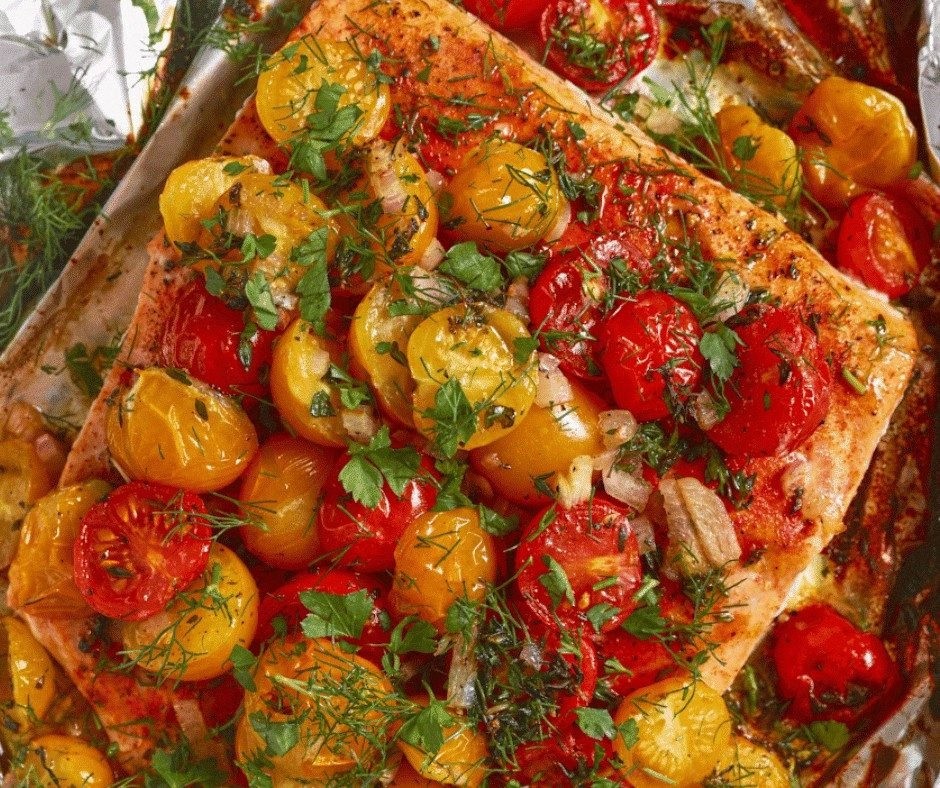
The first thing you’ll notice is the aroma—bright lemon, fresh thyme, and the faint sweet caramel of halved cherry tomatoes that begin to blister as they bake. As the steam rises, the scent of garlic and shallot mingles with paprika, creating a bouquet that makes your mouth water before you even taste a bite. The texture is a contrast of tender, flaky salmon and crisp tomato edges that shatter like thin ice, while the herbs coat the fish like a velvet blanket of flavor. If you’ve ever struggled to keep salmon from drying out, you’re not alone—this recipe has a fix that guarantees moistness.
What makes this version stand out is the technique of sealing everything in foil, which locks in juices, creates a mini steamer, and eliminates the need to flip or watch the fish constantly. I’ll walk you through every single step, from selecting the freshest salmon to the final garnish, and by the end, you’ll wonder how you ever made it any other way. And trust me, the moment you pull the packet out of the oven, the whole kitchen will smell incredible, and you’ll feel like a culinary wizard. Let me walk you through every single step—by the end, you'll wonder how you ever made it any other way.
There’s a secret ingredient that most recipes miss: a splash of water added to the foil packet before baking. This tiny tweak turns the packet into a steaming chamber that keeps the salmon moist and the tomatoes juicy. The result is a dish that’s easy to assemble, mess‑free, and ready in under 45 minutes. I’ve tested it on a busy weekday and a leisurely weekend, and it always turns out perfect. Ready? Let’s dive in.
What Makes This Version Stand Out
- Taste: The combination of lemon, fresh herbs, and caramelized tomatoes creates a bright, herbaceous profile that elevates the natural flavor of salmon without overpowering it.
- Texture: The foil packet steams the fillet, keeping it moist and flaky, while the tomatoes develop a slightly crisp edge that adds a satisfying bite.
- Ease: No flipping, no constant monitoring—just a single foil packet that cooks in the oven, making it ideal for busy weeknights.
- Ingredient Quality: Using high‑quality salmon and fresh herbs ensures the dish tastes like a gourmet meal, not a budget kitchen experiment.
- Crowd‑Pleaser: The vibrant color of the tomatoes and the aromatic steam make it a showstopper at dinner parties or family gatherings.
- Make‑Ahead Potential: You can assemble the packets ahead of time, refrigerate them, and bake when you’re ready—perfect for meal prepping.
- Versatility: The recipe can be easily adapted for different proteins, such as shrimp or white fish, and can be tweaked for dietary preferences.
- Minimal Cleanup: One foil packet per serving means almost no dishes to wash, which is a huge win for anyone tired of kitchen clutter.
Alright, let's break down exactly what goes into this masterpiece...
Inside the Ingredient List
The Flavor Base
The flavor base is where the magic begins. Fresh lemon juice and olive oil combine to create a bright, silky sauce that clings to the salmon. The lemon not only adds acidity but also helps to break down the proteins, resulting in a tender texture. Olive oil provides a smooth mouthfeel and carries the herbs throughout the dish. If you skip this step, the salmon will taste flat and lack depth. Swap olive oil for avocado oil if you want a milder flavor profile, or use extra‑virgin olive oil for a richer, more robust taste. When selecting lemon, choose one that’s slightly soft to the touch; it’ll be easier to juice and will have a sweeter, brighter flavor.
The Herb Ensemble
Fresh thyme and oregano bring earthy, aromatic notes that complement the fish’s natural sweetness. Thyme’s subtle piney undertones enhance the overall bouquet, while oregano adds a hint of peppery warmth. Together, they form a herbaceous backdrop that’s both fragrant and flavorful. If you’re out of thyme, rosemary can be a suitable substitute, but keep in mind it’s stronger—use half the amount. For oregano, basil can offer a sweeter, fresher twist, especially if you’re aiming for a Mediterranean vibe. These herbs should be added early in the cooking process to allow their flavors to infuse the fish fully.
The Unexpected Star
Golden and red cherry tomatoes are the unexpected stars of this dish. Their natural sweetness caramelizes during baking, creating a burst of flavor that contrasts with the herbaceous salmon. The golden tomatoes are slightly sweeter, while the red ones bring a subtle acidity that balances the dish. If you’re in a pinch, substitute with grape tomatoes—they’ll work just as well and are easier to find in most grocery stores. Remember, the tomatoes should be halved to maximize surface area for caramelization. Skipping them will leave the dish feeling incomplete; the salmon will taste like a plain fillet without the bright, juicy punch.
The Final Flourish
Parsley and dill add the final flourish, offering a fresh, slightly grassy finish that lifts the dish. Dill, in particular, pairs beautifully with salmon, adding a subtle licorice note that many salmon lovers adore. Parsley brings a clean, peppery bite that balances the richness of the fish and the sweetness of the tomatoes. If you’re allergic to dill, cilantro can be an alternative, though it will change the flavor profile significantly. Adding these herbs at the end of cooking preserves their bright color and delicate flavor, ensuring each bite is vibrant and aromatic.
Everything's prepped? Good. Let's get into the real action...
The Method — Step by Step
- Preheat the oven to 400°F (200°C). While the oven warms, lay out four large sheets of heavy‑grade aluminum foil—one for each serving. This step is crucial because a properly preheated oven ensures even cooking and prevents the salmon from sticking to the foil. The temperature should be high enough to create steam inside the packet but not so high that the fish burns. As the oven heats, the aroma of fresh herbs will start to mingle with the scent of the tomatoes, setting the stage for a delicious experience.
- Prepare the salmon fillets. Pat each fillet dry with paper towels; moisture on the surface will cause the fish to steam rather than sear, leading to a softer texture. Season each fillet with 1/2 teaspoon kosher salt and 1/2 teaspoon black pepper. The salt not only enhances flavor but also helps to draw out excess moisture, ensuring a tender bite. If you prefer a lighter seasoning, reduce the salt by half and add a pinch of sea salt to taste. The pepper adds a subtle heat that complements the herbs.
- Assemble the flavor base. In a small bowl, whisk together 2 tablespoons olive oil, 2 tablespoons lemon juice, 1/2 teaspoon paprika, 2 tablespoons fresh thyme leaves, and 1 teaspoon fresh oregano. This mixture should be smooth and well‑combined, with the oil coating the herbs. The paprika adds a gentle smokiness, while the lemon provides acidity. If you’re vegan or prefer a non‑oil base, substitute with a splash of vegetable broth and a drizzle of tahini for richness.
- Layer the vegetables. Place 1 cup of halved golden cherry tomatoes and 1/2 cup of halved red cherry tomatoes in the center of each foil sheet. Spread them out so they have room to caramelize. Add 1 large shallot, thinly sliced, and 4 large garlic cloves, smashed and sliced into thin rings. These aromatics will infuse the fish with deep, savory flavors. If you’re short on garlic, use 2 cloves and increase the thyme slightly to compensate.
- Drizzle the sauce. Pour the prepared sauce over the vegetables, ensuring that each tomato receives a generous coating. The sauce should pool slightly around the fish, creating a flavorful base. If you like a thicker sauce, mix in an extra tablespoon of olive oil. The key is to keep the sauce thin enough that it doesn’t drown the fish but thick enough to carry the herbs. The sauce also helps to keep the fish moist during baking.
- Place the salmon on top. Lay each seasoned salmon fillet on top of the vegetables, skin side down. The skin should be snug against the vegetables to create a seal that traps steam. If the fillet is large, cut it into portions that fit the foil sheet. This ensures even cooking and prevents the fish from sliding around during baking.
- Seal the foil packets. Fold the foil over the salmon, sealing the edges tightly to create an airtight packet. The packet should be tight enough that no steam escapes, but not so tight that it bursts in the oven. You can use a kitchen twine or a rubber band to secure the packet for extra safety. This step is crucial for maintaining moisture and flavor.
- Bake the salmon. Place the foil packets on a baking sheet and bake for 20–25 minutes, depending on the thickness of the fillets. The salmon should reach an internal temperature of 145°F (63°C) and flake easily with a fork. The tomatoes will blister and caramelize, creating a sweet, slightly crunchy contrast to the tender fish. Keep an eye on the packets; if the edges start pulling away, you’ve reached the perfect finish.
- Finish and serve. Remove the packets from the oven, open them carefully to avoid steam burns, and sprinkle 2 tablespoons of chopped parsley and 2 tablespoons of chopped dill over each fillet. The herbs will release their aroma, adding a fresh, green note that brightens the dish. Serve immediately, optionally accompanied by a side of quinoa or roasted asparagus for a balanced meal.
That’s it — you did it. But hold on, I've got a few more tricks that'll take this to another level...
Insider Tricks for Flawless Results
The Temperature Rule Nobody Follows
Many people bake salmon at 375°F, but this recipe calls for 400°F to create a steamy environment that keeps the fish moist. The higher temperature also helps the tomatoes blister faster, giving them a caramelized edge. If you’re using a convection oven, lower the temperature by 25°F to avoid over‑cooking the fillet.
Why Your Nose Knows Best
Before you open the foil, take a quick sniff. The aroma will tell you if the salmon is done—if it smells like a fresh garden, it’s ready. If it still smells raw, give it an extra 3–5 minutes. Your nose is a reliable indicator that can save you from undercooked fish.
The 5‑Minute Rest That Changes Everything
Let the packets rest for five minutes after baking. During this short rest, the steam continues to work its magic, ensuring the salmon stays juicy. This also allows the flavors to meld, creating a richer taste profile. Skipping this step might result in a slightly dry bite.
Use a Baking Sheet with a Rim
Placing the foil packets on a rimmed baking sheet prevents the packets from sliding off and spilling their juices. It also makes cleanup easier because you can catch any drips in the pan. If you don’t have a rimmed sheet, use a silicone baking mat as an alternative.
Fresh Herbs Make the Difference
Fresh herbs release more flavor than dried ones. If you’re out of fresh thyme or oregano, use 1/3 the amount of dried herbs and add a splash of olive oil to help release the essential oils. The dish will still be delicious, but it won’t have the same vibrant aroma.
Creative Twists and Variations
Spicy Asian Fusion
Swap the olive oil for sesame oil, add 1 tablespoon of soy sauce, and sprinkle 1 teaspoon of sesame seeds on top before sealing the foil. The result is a smoky, umami‑rich salmon that pairs beautifully with steamed rice.
Herb‑Crusted Salmon
After seasoning the fillets, press a mixture of chopped parsley, dill, and a touch of grated Parmesan onto the surface before adding the sauce. This creates a crispy herb crust that adds texture and flavor.
Vegetable‑Rich Medley
Introduce sliced zucchini, bell pepper, and mushrooms into the foil packet. The vegetables will absorb the sauce, creating a hearty, one‑pan meal that’s perfect for a family dinner.
Low‑Carb Delight
Serve the salmon over a bed of sautéed spinach or cauliflower rice, and omit the tomatoes to reduce carbs. The dish remains flavorful, and the greens add a fresh, earthy note.
Gluten‑Free Option
Use gluten‑free soy sauce in the spicy Asian fusion version, and replace any breadcrumbs in the crust with almond flour. The dish remains gluten‑free while still delivering a satisfying crunch.
Smoky Chipotle Twist
Add 1 tablespoon of chipotle in adobo sauce to the sauce mixture. The smoky heat pairs wonderfully with the fresh herbs, creating a complex flavor profile.
Storing and Bringing It Back to Life
Fridge Storage
Cool the foil packets completely before refrigerating. Store them in an airtight container for up to 2 days. When reheating, open the foil, add a splash of water, cover with foil, and heat in a 350°F oven for 10 minutes. The water creates steam, preventing the salmon from drying out.
Freezer Friendly
Wrap each assembled packet tightly with plastic wrap, then place in a freezer bag. Freeze for up to 3 months. Thaw overnight in the refrigerator before reheating as described above. The salmon will retain its moisture and flavor.
Best Reheating Method
Reheat the salmon in a skillet over medium heat with a splash of water or broth, covering the pan to create steam. This method preserves the texture and infuses the fish with a subtle broth flavor. Avoid microwaving, as it can make the fish rubbery.