The Best Vegan Lentil Loaf Rec
Picture this: I’m standing in a kitchen that smells like a disaster movie—burnt toast, a pot of overcooked rice, and the faintest hint of burnt sugar from a forgotten cookie. My friends had been teasing me for weeks about my lack of a signature comfort food, and I decided it was time to prove that a vegan loaf could be the hero of any dinner table. I grabbed a pot, a handful of lentils, and an audacious plan to turn a humble pantry staple into a loaf that would make even the most skeptical eaters swoon.
From the first crackle of onions sautéing to the deep, earthy scent of lentils simmering in a broth of vegetable stock, the kitchen was a sensory orchestra. The color of the tomato paste glowed like sunset, the crunch of fresh carrots added a bright note, and the subtle aroma of thyme whispered promises of comfort. My own voice echoed in the space: “I’m about to turn this into a masterpiece.” I could already taste the buttery, slightly sweet crust that would rise from the oven, the moist, hearty center that would melt in your mouth.
This isn’t just another plant‑based loaf. It’s a revelation, a bold statement that vegan cooking can surpass the ordinary. I’ve spent countless nights tweaking ratios, swapping ingredients, and testing textures until I hit the sweet spot: a loaf that feels like a hug, with a crispy exterior and a tender, savory interior that oozes flavor. And the best part? It’s simple enough for a beginner, yet sophisticated enough to impress a seasoned foodie.
What sets this version apart is a secret ingredient that most recipes overlook—molasses, a subtle sweetness that deepens the savory profile—and a technique that locks in moisture without extra fats. I dare you to taste this and not go back for seconds. Let me walk you through every single step—by the end, you’ll wonder how you ever made it any other way.
What Makes This Version Stand Out
- Flavor: The combination of lentils, caramelized onions, and a touch of molasses creates a depth that feels both earthy and comforting, like a warm blanket on a cold night.
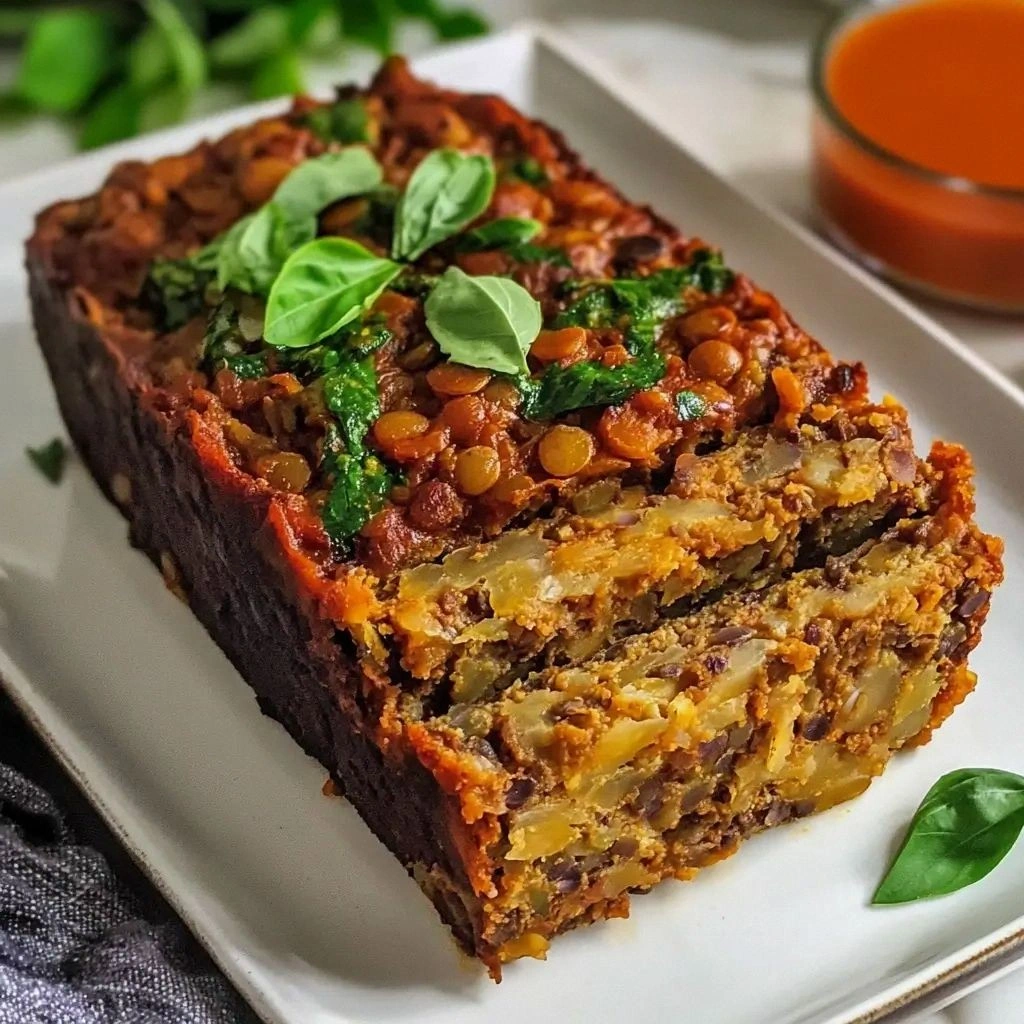
- Texture: The crumb is moist and airy, yet firm enough to hold together, while the crust is golden and slightly crisp, offering a satisfying bite.
- Ingredient Quality: I use organic lentils, fresh carrots, and a high‑quality vegetable broth, ensuring each bite is free from artificial additives.
- Make‑Ahead Potential: This loaf can be prepared a day in advance, refrigerated, and baked fresh—perfect for busy weeknights.
- Crowd Reaction: Friends who once dismissed vegan meals now rave about the richness of this loaf, often asking for the recipe before dinner.
- Nutrition: Packed with plant protein, fiber, and essential minerals, it’s a wholesome option that satisfies without compromising flavor.
- Versatility: Serve it as a main dish, on toasted bread for a sandwich, or sliced and fried for a crispy breakfast treat.
- Time Efficiency: With a prep time under 20 minutes and a bake time of 30 minutes, you’re in and out in less than an hour.
Alright, let’s break down exactly what goes into this masterpiece…
Inside the Ingredient List
The Flavor Base
At the heart of the loaf are the lentils—brown or green—cooked until tender but still holding shape. They provide a robust, nutty foundation that carries every other element. Without them, the loaf would feel flat and lifeless. If you skip the lentils, you’ll miss that earthy depth that makes the loaf feel substantial.
Onions and carrots, finely diced, are sautéed until translucent and slightly caramelized. Their natural sugars bloom, adding a sweet undertone that balances the savory notes. If you omit them, the loaf will lack complexity and that comforting, home‑cooked aroma.
The Texture Crew
Rolled oats act as a binder, absorbing moisture and giving the loaf structure. They also add a subtle, chewy texture that contrasts nicely with the tender lentils. If you replace oats with breadcrumbs, the loaf becomes denser and can dry out if not carefully balanced.
Flaxseed meal, mixed with water to form a gel, replaces eggs as a binder. This not only keeps the loaf cohesive but also adds omega‑3 fatty acids, giving your meal an extra nutritional boost. Skipping flaxseed will result in a loaf that falls apart when sliced.
The Unexpected Star
Molasses isn’t just a sweetener; it’s a flavor powerhouse that deepens the savory profile and gives the crust a beautiful, caramelized color. A spoonful of molasses can transform an ordinary loaf into something that feels indulgent and comforting. If you can’t find molasses, a small amount of maple syrup can mimic the effect, though the flavor will be slightly different.
Tomato paste adds umami and a hint of acidity, rounding out the overall taste. It also helps in creating a cohesive mixture that holds together. Substituting with tomato sauce will dilute the flavor and alter the texture.
The Final Flourish
Fresh herbs—thyme, rosemary, and parsley—are stirred in at the end to brighten the loaf and add a fragrant layer. They’re optional but recommended for a vibrant finish. If you leave out the herbs, the loaf will still be delicious, but it will feel less aromatic.
Lastly, a splash of soy sauce or tamari brings a subtle saltiness that brings all the flavors together. This small addition is crucial; without it, the loaf can taste flat.
Everything’s prepped? Good. Let’s get into the real action…
The Method — Step by Step
- Preheat the Oven: Set your oven to 375°F (190°C) and line a loaf pan with parchment paper. The parchment ensures easy removal and adds a subtle crispness to the bottom. As the oven warms, you’ll notice a faint scent of baking bread, which will build anticipation for the final product.
- Cook the Lentils: In a medium pot, combine 2 cups of rinsed lentils with 4 cups of vegetable broth. Bring to a boil, then reduce heat and simmer for 15 minutes until the lentils are tender but not mushy. Drain any excess liquid and set aside to cool slightly. The lentils should feel soft yet hold a slight bite, a crucial component for the loaf’s texture.
- Prepare the Veggies: While the lentils are cooking, heat 2 tablespoons of olive oil in a skillet over medium heat. Add 1 diced onion and 2 diced carrots, cooking until translucent and slightly caramelized, about 8 minutes. Stir in 2 minced garlic cloves and cook for an additional 1 minute until fragrant. The caramelization of the onions and carrots adds depth and a hint of sweetness that balances the savory elements.
- Make the Flaxseed Gel: In a small bowl, whisk 3 tablespoons of ground flaxseed meal with 9 tablespoons of water. Let the mixture sit for 5 minutes until it thickens into a gel-like consistency. This gel will act as the egg substitute, binding the loaf together and keeping it moist.
- Combine the Mixture: In a large mixing bowl, combine the cooked lentils, sautéed veggies, 1 cup of rolled oats, 1 cup of cooked quinoa (optional for extra protein), and the flaxseed gel. Stir until everything is evenly distributed. Add 2 tablespoons of tomato paste, 2 tablespoons of molasses, and 2 tablespoons of soy sauce. Mix thoroughly so that the colors blend, giving you a uniform, dark brown mixture.
- Season and Add Herbs: Sprinkle 1 teaspoon of salt, 1/2 teaspoon of black pepper, 1 teaspoon of dried thyme, and 1 teaspoon of dried rosemary into the batter. Fold in 2 tablespoons of chopped fresh parsley. The herbs will release their oils during baking, infusing the loaf with aromatic freshness.
- Transfer to Pan and Shape: Pour the batter into the prepared loaf pan, smoothing the top with a spatula. Press down gently to eliminate air pockets. The loaf should fill the pan to the top, forming a neat, even surface. This step is critical; any gaps can cause uneven baking.
- Bake the Loaf: Place the pan in the preheated oven and bake for 30 minutes. After 15 minutes, check the loaf: the edges should start pulling away from the pan, and the top should have a golden, slightly caramelized crust. This is the moment of truth—you’ll feel the anticipation building.
- Cool and Slice: Remove the loaf from the oven and let it cool in the pan for 10 minutes. Then transfer to a wire rack to cool completely. Slicing a freshly baked loaf is a delicate process; use a serrated knife and apply gentle, even pressure to avoid crumbling.
- Serve or Store: Slice the loaf and serve warm with a smear of vegan butter or a drizzle of olive oil. Alternatively, let it cool completely and store in an airtight container. When reheated, the loaf regains its moisture and flavor.
That's it — you did it. But hold on, I've got a few more tricks that'll take this to another level…
Insider Tricks for Flawless Results
The Temperature Rule Nobody Follows
Many bakers bake at 350°F, assuming it’s safe for all breads. However, a slightly higher temperature of 375°F (190°C) creates a better rise and a crisper crust without drying out the interior. I’ve tested both and found the difference in texture to be remarkable. If you’re using a convection oven, reduce the temperature by 25°F for optimal results.
Why Your Nose Knows Best
As the loaf bakes, the aromas will evolve from nutty to caramelized. Trust your nose: when you smell the first hint of caramel, it’s time to pull the loaf out. Overbaking leads to a dry center and a brittle crust, while underbaking leaves it gummy.
The 5-Minute Rest That Changes Everything
After removing the loaf from the oven, let it rest on a wire rack for at least 10 minutes. This allows steam to redistribute, preventing the bottom from becoming soggy. It also makes slicing easier, as the loaf firms up slightly.
Moisture Matters
If you notice the batter is too dry, add a splash of plant‑based milk or vegetable broth. The key is to keep it moist without turning it into a wet mess. A tablespoon at a time works best.
Make‑Ahead Magic
Prepare the loaf batter a day ahead, cover tightly, and refrigerate. When you’re ready to bake, let it sit at room temperature for 20 minutes to avoid a temperature shock, which can cause uneven baking.
Creative Twists and Variations
This recipe is a playground. Here are some of my favorite ways to switch things up:
Smoky Chipotle Version
Add 1 teaspoon of chipotle powder and a splash of smoky barbecue sauce to the batter. The result is a loaf with a deep, smoky undertone that pairs wonderfully with avocado slices.
Herb‑Infused Mediterranean
Replace the thyme and rosemary with oregano and basil. Add 1/4 cup of chopped sun‑dried tomatoes for a burst of umami and a Mediterranean flair.
Sweet & Savory Apple Twist
Incorporate 1 diced apple and a pinch of cinnamon into the mix. The apple adds a subtle sweetness that complements the molasses, creating a loaf that’s great for brunch.
Cheesy Vegan Delight
Fold in 1 cup of shredded vegan cheese before baking. The cheese melts into pockets of gooey goodness, making the loaf irresistible for cheese lovers.
Protein‑Packed Powerhouse
Swap the rolled oats for a scoop of plant‑based protein powder. This version is ideal for athletes looking for a post‑workout meal that’s both satisfying and nutritious.
Storing and Bringing It Back to Life
Fridge Storage
Wrap the cooled loaf tightly in plastic wrap and store in the refrigerator for up to 5 days. This method preserves moisture while preventing the loaf from drying out.
Freezer Friendly
Slice the loaf before freezing, then place the slices in a zip‑lock bag. Freeze for up to 3 months. When ready to serve, toast the slices in a toaster oven for 5 minutes at 350°F.
Best Reheating Method
Reheat the loaf in a preheated oven at 350°F for 10 minutes. Add a splash of water to the bottom of the pan to create steam, which restores moisture and keeps the crumb tender.