The first time I tried to make meatballs, I thought I was about to create the next great thing in Italian cuisine. Instead, I ended up with a batch that was dry, bland, and as flat as a pancake. My friends called me out, saying, “You can’t just toss ground beef into a bowl and hope for the best.” That was the moment I decided to rewrite the entire recipe, to turn that kitchen disaster into a triumph that would have my friends begging for seconds.
Picture this: a kitchen filled with the aroma of sautéed onions and garlic, the sizzling sound of olive oil meeting hot meat, and the comforting smell of tomato sauce simmering like a slow caress. The air is thick with anticipation, and every surface gleams with the promise of something delicious. I’ve been standing in that space, watching the sauce bubble and the meatballs brown, and I’ve realized that the real magic happens when you let the flavors mingle and the textures contrast. That’s why this version of Italian meatballs is not just another recipe—it’s a revelation.
What makes this recipe stand out is the blend of technique, quality ingredients, and a few little secrets that most people overlook. It’s a dish that feels luxurious yet is incredibly accessible, a dish that can be whipped up in a flash and still taste like it was cooked by a seasoned chef. I dare you to taste this and not go back for seconds. The first bite will have you shouting, “I’ve never tasted anything like this before!”
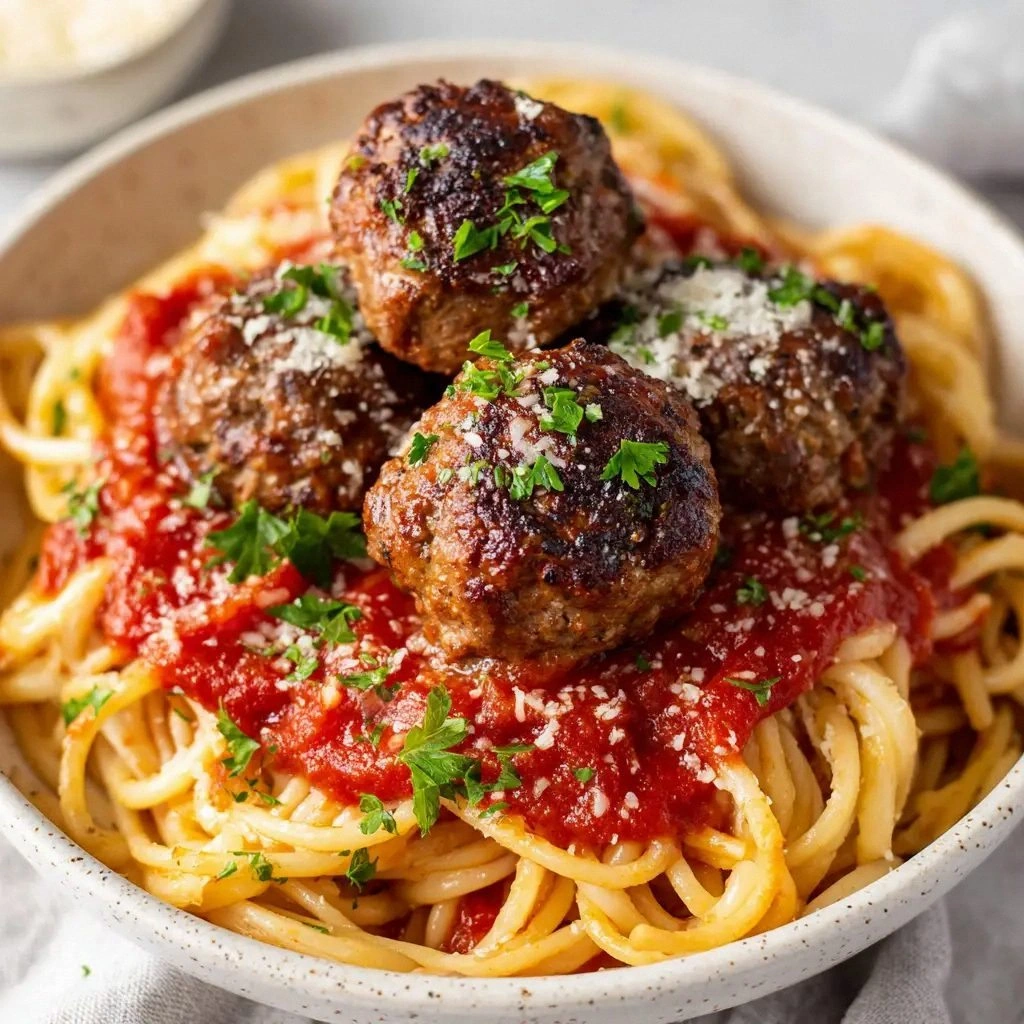
I’ll be honest—when I first made these meatballs, I ate half the batch before anyone else got a chance to try them. That’s the kind of confidence you get when you know a recipe works. The sauce coats the pasta like velvet, the meatballs have crispy edges that shatter like thin ice, and the Parmesan adds a salty finish that lingers. If you’ve ever struggled with meatballs that fall apart or taste flat, you’re not alone, and I’ve got the fix. This is hands down the best version you’ll ever make at home.
Picture yourself pulling this out of the oven, the whole kitchen smelling incredible, and your guests’ eyes widening in anticipation. The moment you bring the dish to the table, you’ll feel the weight of the moment settle in. And now, ready for the game‑changer? Let me walk you through every single step—by the end, you’ll wonder how you ever made it any other way.
What Makes This Version Stand Out
- Flavor: The marinara sauce is simmered long enough to develop depth, yet quick enough to preserve freshness. It’s a balance of sweet tomatoes and savory herbs that complements the meat without overpowering it.
- Texture: The meatballs have a crisp exterior thanks to panko breadcrumbs, while the interior remains juicy and tender. The contrast is like a well‑orchestrated duet.
- Simplicity: No fancy equipment or obscure ingredients—just ground beef, breadcrumbs, milk, and a handful of pantry staples. The steps are straightforward, and the timing is forgiving.
- Uniqueness: The addition of fresh parsley and a splash of whole milk keeps the meatballs moist and bright. It’s a small twist that makes a big difference.
- Crowd Reaction: Friends who have tried other meatball recipes rave that these are the most flavorful and satisfying. They ask for the recipe after every dinner.
- Ingredient Quality: Using 80/20 beef ensures richness, while the fresh Parmesan provides a nutty finish that elevates the dish.
- Cooking Method: The pan‑searing technique locks in juices and creates a caramelized crust, a simple step that yields maximum flavor.
- Make‑Ahead Potential: You can prepare the meatballs ahead of time and refrigerate or freeze them, then finish with sauce just before serving.
Inside the Ingredient List
The Flavor Base
Ground beef is the heart of this dish, and choosing the right cut is essential. A leaner cut will leave the meatballs dry, while a fattier cut will be too greasy. 80/20 ground beef strikes the perfect balance—enough fat to keep the meat moist, but not so much that it becomes oily. The 24 oz marinara sauce is the soul of the dish; it’s thick, robust, and packed with tomatoes that have been simmered until they’re practically syrupy. A splash of red wine or a pinch of sugar can be added during simmering to deepen the flavor, but the base is already rich enough to carry the dish.
The Texture Crew
Panko breadcrumbs are the secret to that coveted crisp exterior. They’re lighter and flakier than regular breadcrumbs, giving the meatballs a delicate crunch that doesn’t overpower the interior. Whole milk is mixed into the breadcrumbs to keep the mixture moist and to help bind the meat together. The egg acts as a binder, ensuring the meatballs hold their shape during cooking. Together, these ingredients create a texture that is both firm on the outside and tender on the inside.
The Unexpected Star
Freshly grated Parmesan cheese is more than a garnish; it’s an integral flavor component. The cheese adds a salty, nutty depth that rounds out the tomato’s acidity. Fresh parsley provides a bright, herbaceous note that lifts the dish. While many recipes call for dried herbs, fresh parsley gives a cleaner, more vibrant finish. A pinch of black pepper adds subtle heat without dominating the other flavors.
The Final Flourish
Olive oil is the key to a beautiful sear. A high‑smoke‑point oil ensures the meatballs develop a caramelized crust without burning. The 12 oz of dry spaghetti is the vehicle that carries the sauce and meatballs to your palate. Cooking the pasta al dente is essential; it provides the right bite and prevents the dish from becoming mushy. Once the pasta is drained, a splash of pasta water helps the sauce cling to the strands, creating a silky coating.
Everything’s prepped? Good. Let’s get into the real action…
The Method — Step by Step
- Prep the Meatball Mixture: In a large bowl, combine the ground beef, panko breadcrumbs, whole milk, grated Parmesan, chopped parsley, salt, and pepper. Gently mix with your hands until just combined; over‑mixing will make the meatballs tough. The mixture should feel moist but not sticky. This step is the foundation; a well‑balanced mixture translates to a juicy interior.
- Form the Meatballs: Using a tablespoon or a small ice‑cream scoop, shape the mixture into 1‑inch balls. If you prefer larger meatballs, simply increase the scoop size. Place them on a parchment‑lined tray to keep them from sticking. The size matters—too small and they’ll dry out, too large and they’ll be under‑cooked inside.
- Pan‑Sear the Meatballs: Heat the olive oil in a large skillet over medium‑high heat. Add the meatballs in batches, ensuring they don’t touch each other. Sear each side for 2–3 minutes or until a golden crust forms. The sizzle is your cue that the Maillard reaction is happening, adding depth to the flavor. When done, transfer the meatballs to a plate lined with paper towels to drain excess oil.
- Simmer the Sauce: In the same skillet, pour in the marinara sauce. Reduce the heat to low and let it bubble gently for 5 minutes. The residual heat from the meatballs will infuse the sauce with their savory essence. Stir occasionally to prevent sticking.
- Combine Meatballs and Sauce: Return the seared meatballs to the skillet, nestling them into the sauce. Cover and simmer for 10 minutes, allowing the flavors to meld. The sauce should thicken slightly, coating each meatball in a glossy sheen.
- Cook the Pasta: While the sauce simmers, bring a large pot of salted water to a boil. Add the spaghetti and cook until al dente, usually 8–10 minutes. Reserve a cup of pasta water before draining. The water’s starch helps the sauce adhere to the strands.
- Finish the Dish: Toss the cooked pasta in the skillet with the sauce and meatballs, adding a splash of reserved pasta water if needed. Stir to coat each strand evenly. Let it simmer for an additional 2 minutes to allow the pasta to absorb the sauce.
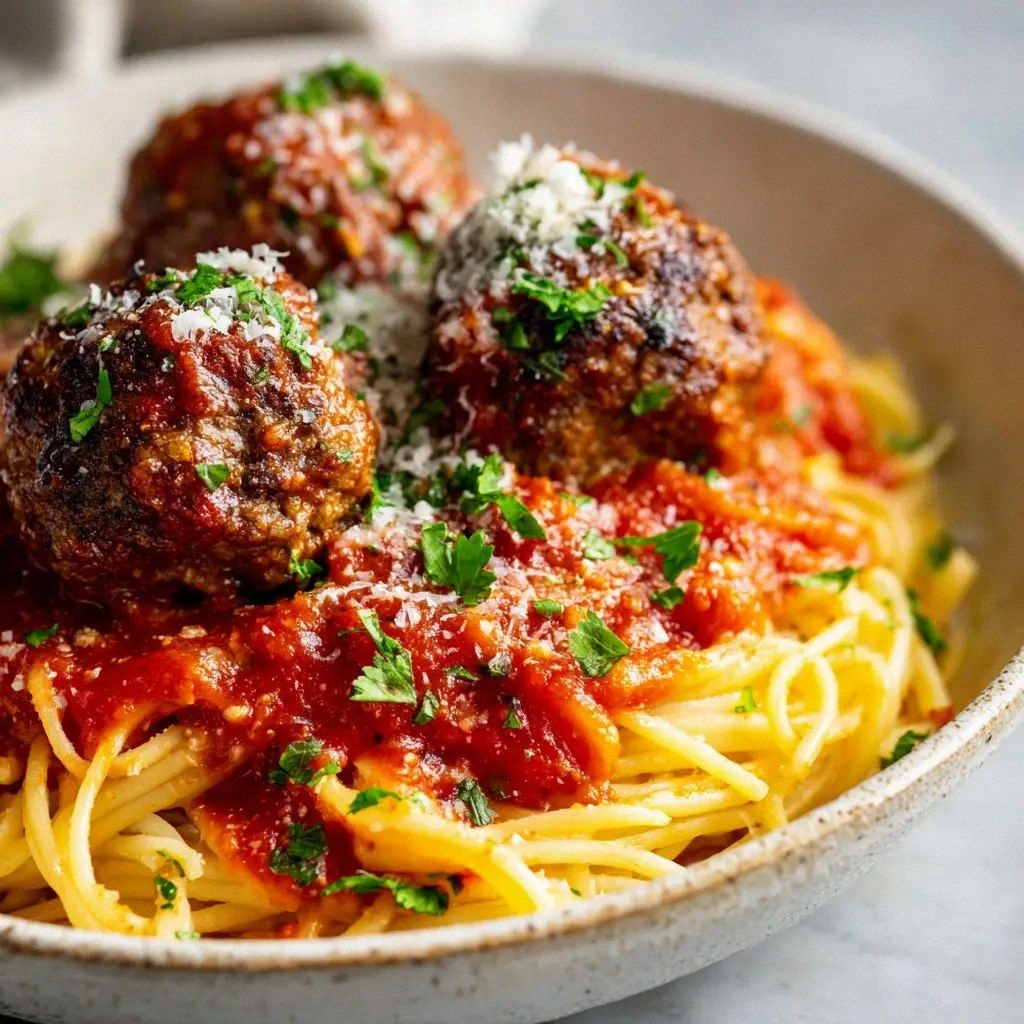
- Serve: Plate the pasta and meatballs, then drizzle a little extra olive oil on top. Sprinkle additional Parmesan and parsley for a bright finish. Serve immediately, allowing the sauce to cling to every bite.
- Enjoy: Take a bite and let the flavors explode. The meatballs should be tender, the sauce rich, and the pasta perfectly coated. This is the moment you realize you’ve mastered a dish that feels both comforting and sophisticated.
Insider Tricks for Flawless Results
The Temperature Rule Nobody Follows
The skillet’s temperature is crucial. If it’s too hot, the meatballs will brown on the outside but remain raw inside. If it’s too cool, they’ll release excess fat and become greasy. Aim for medium‑high heat; the oil should shimmer but not smoke. Test by dropping a small drop of water—if it dances, the skillet is ready.
Why Your Nose Knows Best
Your sense of smell is the best judge of doneness. When the sauce starts to bubble, and the meatballs emit a savory aroma, it’s time to add them to the sauce. The scent of caramelized meat is a clear sign that the Maillard reaction is complete.
The 5‑Minute Rest That Changes Everything
After cooking, let the meatballs rest for 5 minutes before serving. This allows the juices to redistribute, ensuring each bite is juicy and not dry. A quick rest also helps the sauce thicken slightly, giving it a richer consistency.
The Secret to Al Dente Pasta
Use a pot with plenty of water; the pasta needs space to move freely. Stir frequently to prevent sticking. Taste the pasta a minute before the package time; it should be firm yet yielding. Overcooked pasta will soak up sauce and lose its structure.
The Perfect Finish
A drizzle of high‑quality olive oil just before serving adds shine and a subtle fruity note. Finish with a sprinkle of grated Parmesan and a pinch of fresh parsley for color and freshness. The contrast of textures—the crisp meatball exterior, the silky sauce, and the al dente pasta—creates a harmonious bite.
Creative Twists and Variations
Spicy Sriracha Meatballs
Add a tablespoon of sriracha to the meatball mixture for a kick of heat. The spicy sauce pairs beautifully with the tomato base, creating a dynamic flavor profile that’s sure to excite adventurous eaters.
Herb‑Infused Meatballs
Swap parsley for a blend of basil, oregano, and thyme. The aromatic herbs give the dish a Mediterranean flair, making it perfect for a summer gathering.
Cheesy Cannelloni Filling
Use the meatball mixture as a filling for cannelloni tubes. Bake them in marinara sauce and top with mozzarella for a comforting, family‑friendly alternative.
Pork‑Chicken Fusion
Replace half the beef with ground pork or chicken for a lighter, yet still flavorful, version. The pork adds a subtle sweetness that balances the tomato sauce.
Gluten‑Free Pasta
Swap regular spaghetti for a gluten‑free variety. The dish remains hearty and satisfying, catering to those with dietary restrictions.
Lemon‑Zest Finish
Grate fresh lemon zest over the finished dish for a bright, citrusy lift. The acidity cuts through the richness, leaving a clean finish.
Storing and Bringing It Back to Life
Fridge Storage
Cool the meatballs completely before refrigerating. Store them in an airtight container for up to 3 days. The sauce can be stored separately; reheat the meatballs and sauce together for best flavor.
Freezer Friendly
Freeze the cooked meatballs and sauce in freezer‑safe bags for up to 2 months. Thaw overnight in the refrigerator, then reheat on the stove or in the microwave. The texture remains firm, and the sauce thickens nicely.
Best Reheating Method
When reheating, add a splash of water or broth to the sauce to keep it from drying out. Warm on low heat, stirring gently, until hot. The sauce will steam back to perfection, maintaining its silky consistency.