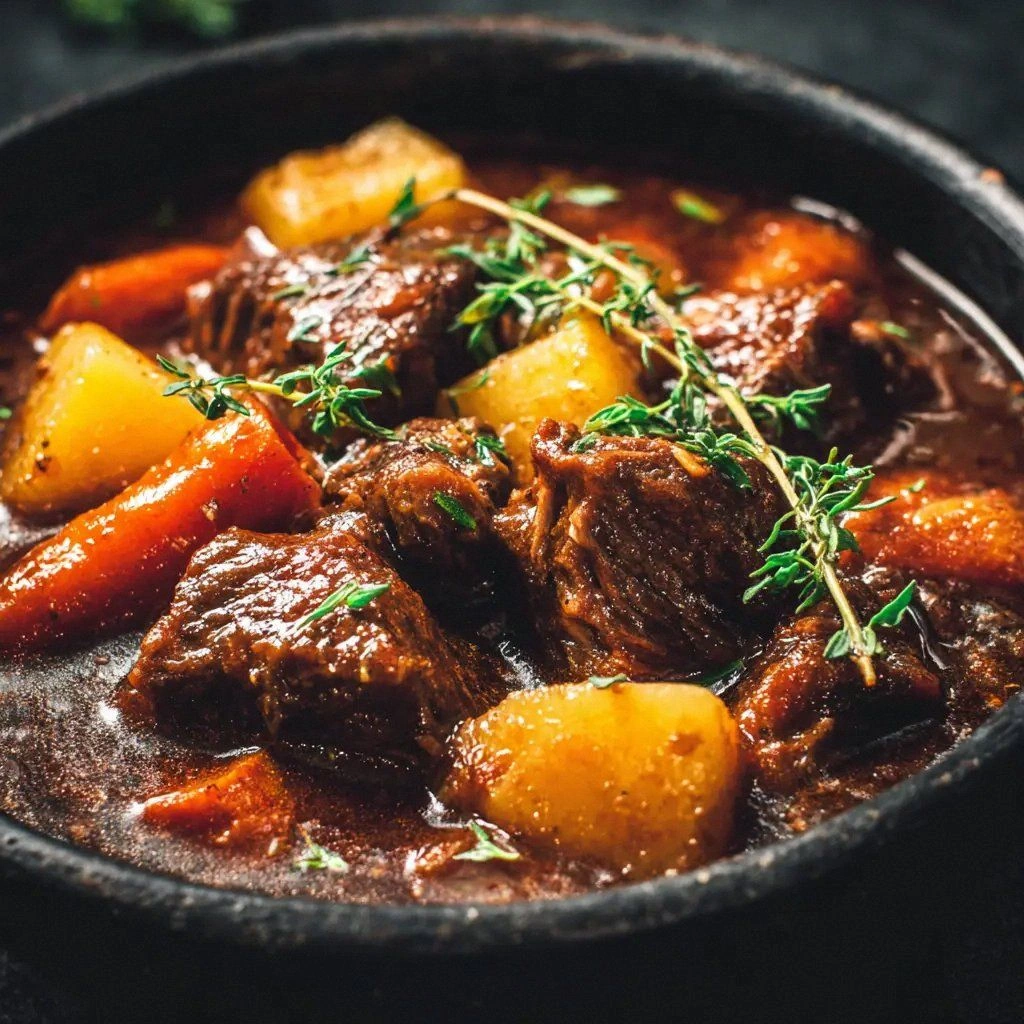
Picture this: it’s a rainy Sunday afternoon, the kind that makes you want to curl up with a book and a steaming bowl of comfort food. I was staring at my pantry, wondering what could turn a bland pot of leftover stew into something that would make my taste buds sing. That’s when the idea hit me like a lightning bolt – a beef stew so rich, so layered, that it could silence even the most skeptical food critics. I swear, the moment the broth hit the pot, the kitchen filled with a scent that made the whole house feel like a cozy cabin.
I’ve tried my fair share of beef stews over the years – from quick stovetop versions to slow cooker wonders. But none of them had the depth of flavor or the silky texture that this recipe delivers. The secret? A combination of searing, deglazing, and a slow, low simmer that lets the beef’s natural juices mingle with aromatic herbs and a splash of wine. Every bite feels like a hug from a grandmother’s kitchen, but with a modern twist that keeps it fresh and exciting.
What sets this version apart is that it’s not just a recipe; it’s a culinary experience. I’ve spent hours tweaking the balance of acidity, sweetness, and umami until it felt like the perfect harmony. Think of the tomato paste as the backbone, the red wine as the soul, and the bay leaf as the quiet whisper that ties everything together. The result? A stew that coats the spoon with silky sauce, the meat that’s melt‑in‑your‑mouth tender, and potatoes that hold their shape like little golden pillows.
And here’s the kicker – I discovered a technique that most stews overlook: a quick sear followed by a deglaze that captures all the browned bits, then a slow, low‑heat simmer that turns the broth into a velvety elixir. Trust me, this isn’t your average “put everything in a pot and wait” approach. I dare you to taste this and not go back for seconds. If you’ve ever struggled to get that “just right” flavor, you’re not alone – and I’ve got the fix.
What Makes This Version Stand Out
- Depth of Flavor: The combination of tomato paste, red wine, and Worcestershire sauce creates a complex base that feels both hearty and refined. The slow simmer allows the beef to absorb these layers, turning each bite into a revelation.
- Texture Mastery: The beef is seared to lock in juices, then simmered until it’s fall‑apart tender. Potatoes stay firm yet soft, providing a delightful contrast that keeps the mouthfeel interesting.
- Time Efficiency: While the stew benefits from a long, low simmer, the initial sear and deglaze can be done in under 15 minutes, making it a surprisingly efficient meal for busy weeknights.
- Ingredient Integrity: Each component – from the Yukon Gold potatoes to the bay leaf – is chosen for its role in the overall flavor profile. No filler, no gimmicks.
- Make‑Ahead Potential: The flavors deepen when the stew rests, so you can prepare it ahead of time and reheat it with minimal loss of quality.
- Versatility: Whether you’re feeding a crowd or cooking for one, the recipe scales up or down with ease, and it pairs beautifully with crusty bread or a simple green salad.
Alright, let's break down exactly what goes into this masterpiece…
Inside the Ingredient List
The Flavor Base
Tomato paste: This thick, concentrated tomato brings a deep umami sweetness that grounds the stew. It thickens the sauce and adds a subtle tang that balances the richness of the beef. If you skip it, the stew will feel watery and lacking depth.
Dry red wine: A splash of wine introduces acidity and a hint of fruitiness that cuts through the fat. It also helps to loosen the beef’s connective tissues during the long simmer. Substitute with a dry sherry or a splash of balsamic vinegar for a different twist.
Worcestershire sauce: This fermented condiment adds a savory, slightly sweet complexity. It’s the secret ingredient that many stews miss, giving the broth a nuanced flavor profile. If you’re gluten‑free, look for a gluten‑free version.
The Texture Crew
Beef chuck roast: This cut is prized for its marbling, which melts into the broth, creating a silky sauce. Choosing a well‑marbled piece ensures the stew stays moist. If you can’t find chuck, a brisket or short rib will also work.
Yukon Gold potatoes: Their waxy texture holds up during the long simmer, offering a pleasant bite that contrasts with the tender beef. They also release starch, which naturally thickens the stew. For a lower‑carb option, use cauliflower florets instead.
Onion, carrots, celery, garlic: This classic mirepoix forms the aromatic foundation. Each vegetable contributes its own sweetness and bite, creating a layered flavor profile that deepens over time. If you’re short on time, use pre‑chopped vegetables.
The Unexpected Star
Olive oil: A high‑quality olive oil not only helps sear the beef but also adds a subtle fruity note to the broth. A splash of extra‑virgin olive oil at the end brightens the dish and adds a silky finish.
Fresh parsley: Added at the end, parsley offers a fresh, peppery lift that balances the richness. It also provides a pop of color that makes the stew look as good as it tastes. If you’re allergic, substitute with chives.
The Final Flourish
Bay leaf and thyme: These herbs infuse the stew with earthy warmth. The bay leaf’s subtle bitterness cuts through the fat, while thyme offers a gentle herbal note. Remove the bay leaf before serving; it’s a flavoring, not a garnish.
Salt and pepper: Seasoning is crucial. Salt draws out flavors, while pepper adds a gentle heat. Taste the stew after the long simmer and adjust as needed.
Everything's prepped? Good. Let's get into the real action…
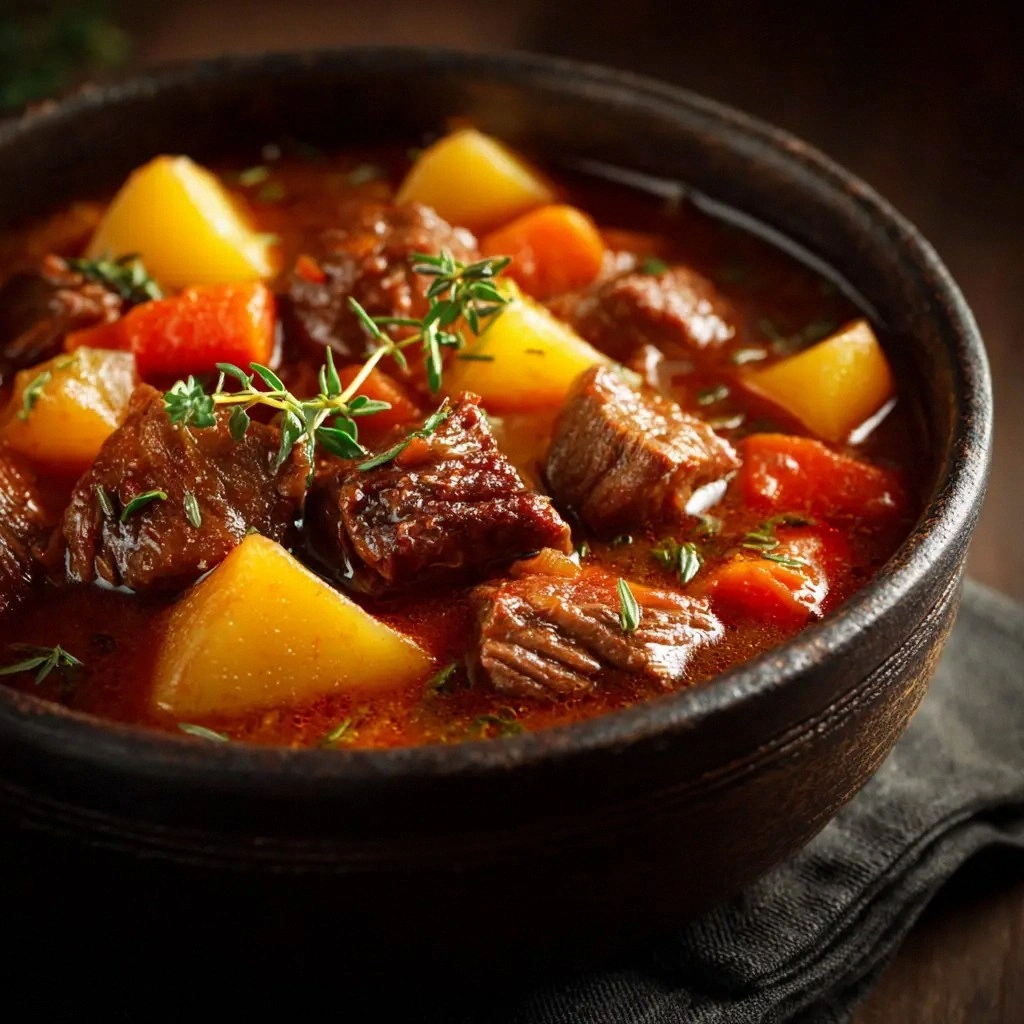
The Method — Step by Step
- First, season the beef chuck with salt and pepper. Heat a heavy‑bottom pot over medium‑high heat and add 2 tablespoons of olive oil. When the oil shimmers, place the beef in the pot. Sear each side until a deep brown crust forms, about 4 minutes per side. This caramelization locks in juices and builds flavor.
- Once the beef is seared, remove it from the pot and set aside. In the same pot, add the diced onion, carrots, and celery. Cook, stirring occasionally, until the vegetables soften and start to brown, about 6–8 minutes. The onions should be translucent and the carrots a hint of golden.
- Add the minced garlic to the vegetables and sauté for 30 seconds until fragrant. The garlic’s aroma should fill the kitchen, signaling that the base is ready. Be careful not to burn it – a burnt garlic taste ruins the stew’s balance.
- Stir in the tomato paste, letting it coat the vegetables. Cook for 2 minutes, allowing the paste to caramelize slightly. This step deepens the tomato flavor and gives the stew a richer color.
- Deglaze the pot with 1 cup of dry red wine, scraping up all the browned bits from the bottom. The wine should reduce by about a third, concentrating its flavor and adding acidity. If you prefer a non‑alcoholic version, replace the wine with beef broth.
- Return the seared beef to the pot, along with the bay leaf, thyme, Worcestershire sauce, and 4 cups of beef broth. Bring the mixture to a gentle boil, then reduce the heat to low and cover. Let it simmer for 2 hours, turning occasionally. The slow, low simmer allows the beef to become tender and the flavors to meld.
- After 2 hours, add the diced potatoes. Cover and simmer for an additional 30–45 minutes, or until the potatoes are fork‑tender and the beef is falling apart. The potatoes should retain some firmness, acting as little pillows of flavor.
- Once the stew is ready, remove the bay leaf. Taste and adjust seasoning with salt and pepper. Sprinkle fresh parsley over the top for a burst of color and freshness. Serve hot, with crusty bread or a simple green salad on the side.
That's it — you did it. But hold on, I've got a few more tricks that'll take this to another level. Stay tuned for insider tips and creative variations that will keep your guests coming back for more.
Insider Tricks for Flawless Results
The Temperature Rule Nobody Follows
Maintain a low simmer: A rolling boil can toughen the beef and break down the vegetables. Keep the heat low enough that bubbles just barely rise to the surface. This gentle cooking method preserves the meat’s tenderness and ensures the broth stays clear.
Why Your Nose Knows Best
Let the aroma guide you: The first hint that the stew is done is its scent. A warm, earthy aroma that smells like a forest after rain signals that the flavors have fully developed. Trust your nose over the clock.
The 5-Minute Rest That Changes Everything
Rest before serving: After you remove the stew from heat, let it sit covered for 5 minutes. This allows the juices to redistribute, ensuring each bite is moist. I’ve seen people skip this step and end up with unevenly seasoned stew.
The Quick Deglaze Trick
Use wine or broth: Right after searing, deglaze the pan with wine or broth to lift the browned bits. This not only cleans the pot but also adds depth. If you’re short on wine, a splash of balsamic vinegar works surprisingly well.
The Final Finish
Finish with a touch of acidity: A squeeze of fresh lemon or a splash of vinegar right before serving brightens the stew. It cuts through the richness and adds a lively counterpoint to the deep flavors.
Creative Twists and Variations
This recipe is a playground. Here are some of my favorite ways to switch things up:
Spicy Southwest Stew
Swap the bay leaf for a chipotle pepper: Add a diced chipotle in adobo sauce for a smoky heat. Pair with a side of corn tortilla chips for a Tex‑Mex twist. Your guests will love the unexpected kick.
Herb‑Infused Mediterranean
Replace thyme with oregano: Add a handful of fresh oregano and a squeeze of lemon juice. Serve over a bed of couscous for a Mediterranean flair that feels light yet comforting.
Root Vegetable Medley
Include parsnips and turnips: Toss diced parsnips and turnips with the carrots for a sweeter, earthy profile. The root vegetables absorb the broth beautifully, adding depth and color.
Mushroom Umami Boost
Add sliced shiitake mushrooms: Sauté them with the onions for an earthy umami punch. Mushrooms also add a pleasant texture and enhance the stew’s savory character.
Low‑Carb Version
Swap potatoes for cauliflower florets: They’ll absorb the broth and give the stew a lighter feel. Pair with a side of sautéed spinach for a complete, low‑carb meal.
Storing and Bringing It Back to Life
Fridge Storage
Cool quickly: Once the stew has cooled to room temperature, transfer it to airtight containers. Store in the fridge for up to 4 days. The flavors deepen as the stew sits, so it’s even better the next day.
Freezer Friendly
Freeze in portions: Portion the stew into freezer‑safe containers and freeze for up to 3 months. Thaw overnight in the fridge before reheating. This is ideal for busy weeknights or meal prepping.
Best Reheating Method
Simmer gently: Reheat the stew on low heat, adding a splash of water or broth to keep it moist. A tiny splash of water before reheating steams the stew back to perfection, preventing it from drying out.