Picture this: a rainy Saturday evening, a stubborn, soggy chicken breast that refuses to stay tender, and you, armed with nothing but a kitchen timer and a craving for comfort. I was staring at that wilted white slab, and the thought popped into my head: “What if I could turn this into something that feels like a hug, with a crisp, golden armor that whispers secrets of Italy?” I pulled out the pantry, rummaged through the fridge, and found the secret weapon: a handful of grated parmesan and a jar of panko breadcrumbs. The idea was simple, but the outcome? A dish that feels like a culinary dare, a challenge that I’m about to lay out for you, step by step, so you can taste the triumph without ever needing to go back for seconds.
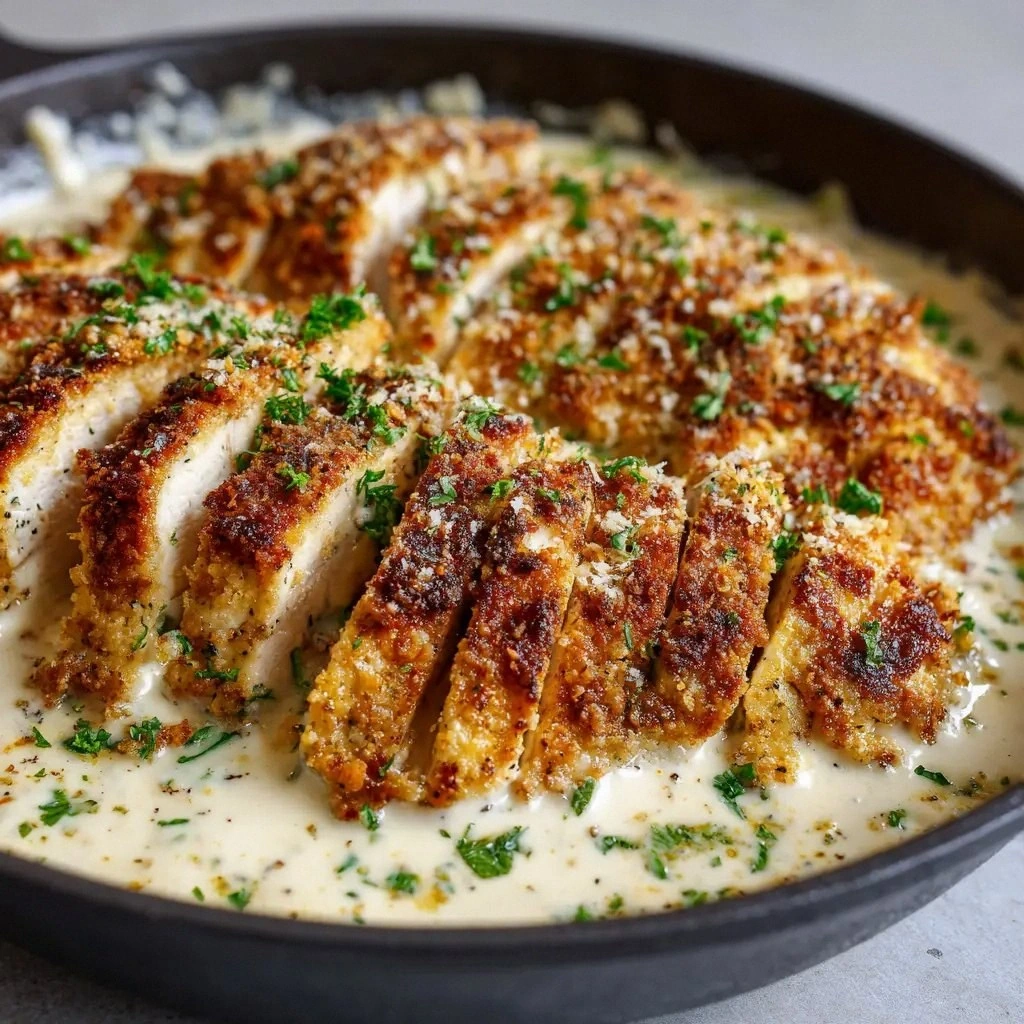
You’ll be surrounded by the scent of fresh garlic sizzling in butter, the sound of a pan crackling as the chicken’s skin turns a perfect, caramelized brown, and the visual spectacle of a golden crust that shatters like thin ice when you bite into it. The sauce that follows—rich, velvety cream thickened with parmesan—clings to every bite, coating the chicken like velvet. The contrast between the buttery, buttery exterior and the silky interior will leave your taste buds dancing, while the fresh parsley adds a bright, almost citrusy finish that lifts the whole plate. If you’re still skeptical, let me tell you: this is hands down the best version you’ll ever make at home, and I dare you to taste it and not go back for seconds.
Most people think a parmesan crust is just a fancy garnish, but I’ve cracked the code that turns it into a flavor powerhouse. The secret? A combination of panko for that airy crunch, a generous amount of parmesan for depth, and a dash of pepper that cuts through the richness. The heavy cream and chicken broth blend to create a sauce that’s not just a side but a character in its own right, swirling around the chicken like a decadent cloud. And the best part? It’s so simple you can whip it up on a busy weekday and still feel like you’re treating yourself to a Michelin‑level experience. Let me walk you through every single step—by the end, you’ll wonder how you ever made it any other way.
What Makes This Version Stand Out
- Flavor: The parmesan and panko create a double-layered crust that’s both savory and slightly sweet, giving the chicken an irresistible bite that’s far above your typical fried chicken.
- Texture: The contrast between the crisp, golden exterior and the moist, tender interior is a textural symphony that satisfies every palate.
- Simplicity: With only a handful of pantry staples, you can assemble this dish in under 30 minutes, making it a go-to for weeknight dinners.
- Uniqueness: The creamy garlic sauce, thickened with parmesan, sets this recipe apart from standard chicken casseroles or skillet meals.
- Crowd Reaction: Friends who’ve tried it swear it’s the best chicken they’ve ever tasted, and they’ll ask for the recipe after every dinner.
- Ingredient Quality: Using fresh, high‑quality parmesan and real butter elevates the dish from ordinary to extraordinary.
- Cooking Method: The combination of searing and baking ensures even cooking and a perfectly caramelized crust.
- Make‑ahead Potential: The chicken can be pre‑coated and frozen, then baked straight from the freezer—ideal for busy schedules.
Alright, let's break down exactly what goes into this masterpiece...
Inside the Ingredient List
The Flavor Base
Garlic is the heart of this dish. Fresh, minced cloves release a punchy, aromatic profile that permeates the butter and the cream, giving the sauce an unmistakable depth. Skipping garlic would leave the sauce flat and bland—think of it as a silent partner that keeps the entire flavor narrative alive. If you’re a garlic lover, feel free to double the amount; if you’re a garlic‑averse, a single clove is enough to keep the sauce bright.
The Texture Crew
Panko breadcrumbs are the unsung hero of crunch. Unlike traditional breadcrumbs, panko has a lighter, airier structure that yields a crisp exterior without becoming soggy. The flour acts as a binder, ensuring the coating adheres firmly to the chicken. The butter and olive oil collaborate to create a golden, buttery crust that melts in your mouth. If you’re looking to reduce fat, replace half the butter with a light olive oil spray, but be warned—the crust will be less indulgent.
The Unexpected Star
Parmesan cheese is not just a garnish; it’s a flavor powerhouse. Its nutty, umami notes infuse the crust and the sauce, creating a cohesive taste experience. A generous amount—1.5 cups—is essential; too little and you’ll miss the signature richness. If you’re a fan of sharper cheeses, a sprinkle of pecorino can add a salty edge that complements the creaminess.
The Final Flourish
Fresh green parsley adds a burst of color and a fresh, herbaceous lift that cuts through the richness of the sauce. It also adds a subtle crunch that balances the silky texture of the cream. If you’re out of parsley, a pinch of chopped chives or even a dash of lemon zest can provide a similar bright contrast. Remember, the parsley is added at the very end to preserve its vibrant color and fresh flavor.
Everything's prepped? Good. Let's get into the real action...
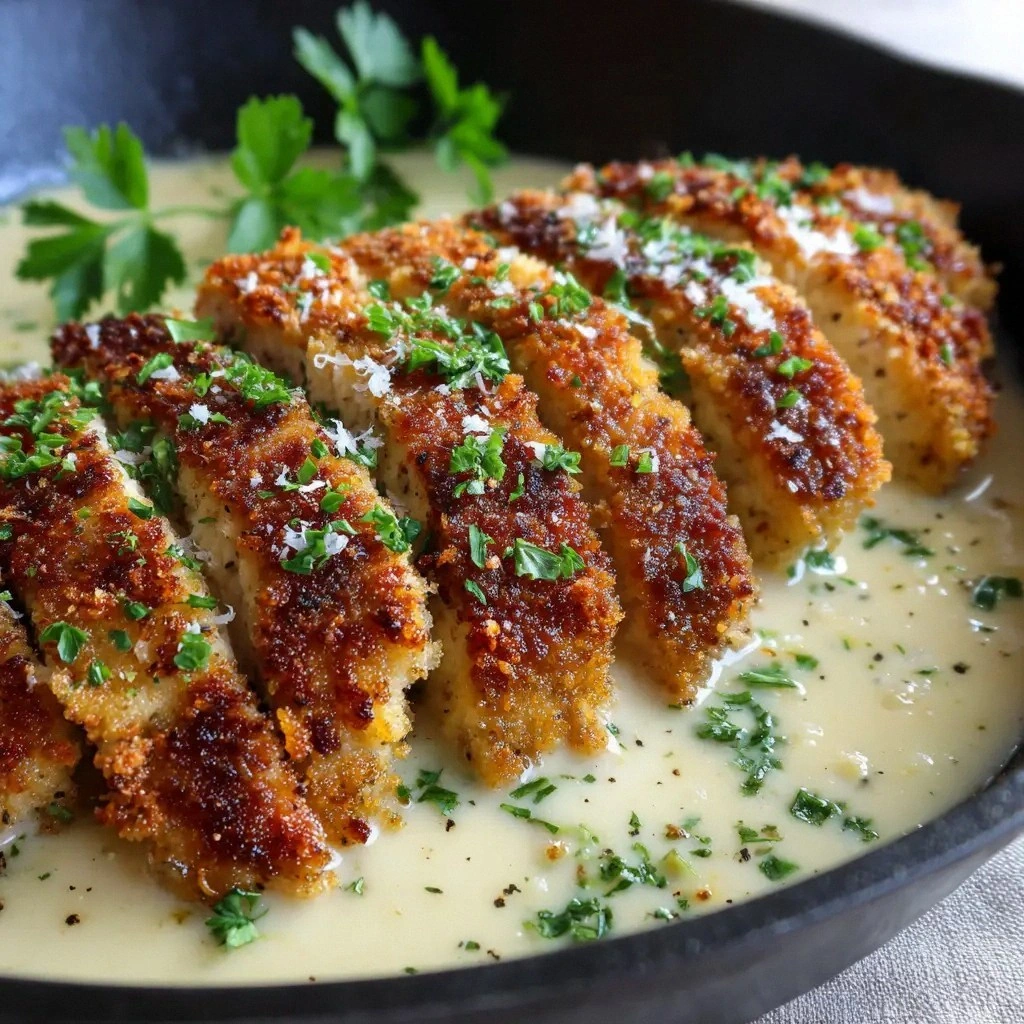
The Method — Step by Step
- First, let the chicken breasts sit at room temperature for about 10 minutes. This helps them cook evenly and prevents a shock that can cause the meat to toughen. Season each breast generously with salt and the 1 tsp of black pepper, then set aside.
- In a shallow dish, combine ½ cup of all‑purpose flour. In a second dish, whisk together 2 large eggs until frothy. In a third dish, mix 1 cup of panko breadcrumbs with 1.5 cups grated parmesan. The three dishes will keep the coating process streamlined.
- Dredge each chicken breast first in flour, shaking off the excess. Then dip into the beaten eggs, letting the excess drip off. Finally, coat thoroughly with the panko‑parmesan mixture, pressing gently to ensure the crumbs stick. This three‑step coating guarantees a uniform, crunchy crust.
- Heat 3 Tbsp of olive oil in a large skillet over medium‑high heat. Add the coated chicken breasts and cook for 3–4 minutes on each side until golden brown and the internal temperature reaches 165 °F (74 °C). This searing locks in juices and creates a caramelized exterior.
- Remove the chicken and set aside on a plate. In the same skillet, reduce heat to medium and add 2 Tbsp of unsalted butter. Once melted, toss in the minced garlic, sautéing for 30 seconds until fragrant—watch out for burning; garlic burns fast and turns bitter.
- Pour in 1 cup of heavy cream and ½ cup of chicken broth. Stir to deglaze the pan, scraping up the browned bits that carry flavor. Bring the mixture to a gentle simmer; the sauce should thicken slightly and develop a glossy sheen.
- Reduce the heat to low and let the sauce simmer for 5 minutes, allowing the parmesan to melt into the cream and create a silky, nutty coating. The sauce should coat the back of a spoon and cling to the chicken when you lift it.
- Return the seared chicken breasts to the skillet, nestling them into the sauce. Cover and let them steam for an additional 5 minutes so the flavors meld together. The chicken should be tender, juicy, and infused with the savory sauce.
- Finish by sprinkling 2 Tbsp of fresh green parsley over the top. This adds a bright, herbal note that cuts through the richness. Serve immediately, spooning the creamy sauce over each piece and letting the crunch of the crust shine.
That's it — you did it. But hold on, I've got a few more tricks that'll take this to another level. Stick around for insider tips that will elevate your dish from great to unforgettable.
Insider Tricks for Flawless Results
The Temperature Rule Nobody Follows
Many cooks swear by high heat to get a crust, but the trick is to start medium‑high and then lower the heat once the chicken is browned. This prevents the outside from burning while the inside remains undercooked. I’ve found that a steady 350 °F (177 °C) in the oven after searing ensures even cooking and a perfect golden crust.
Why Your Nose Knows Best
The aroma of garlic and butter is your secret gauge. When the garlic releases a sweet, nutty scent, it signals that the butter has melted just right and the flavor is ready to bloom. If the smell turns sharp or burnt, lower the heat immediately to avoid bitterness.
The 5‑Minute Rest That Changes Everything
After baking or searing, let the chicken rest for 5 minutes. This allows the juices to redistribute, making each bite juicy and flavorful. A quick rest also lets the crust firm up slightly, preventing it from becoming soggy when the sauce is poured over.
The Butter‑to‑Oil Ratio Hack
Using a mix of butter and olive oil gives you the best of both worlds: butter’s rich flavor and oil’s high smoke point. If you’re watching calories, swap half the butter for a light olive oil spray, but be prepared for a less decadent crust.
The Parmesan “Heat‑Up” Trick
Grate the parmesan just before cooking. Freshly grated cheese melts more evenly and releases more flavor than pre‑grated blocks, giving your crust and sauce a brighter, more aromatic profile.
Creative Twists and Variations
This recipe is a playground. Here are some of my favorite ways to switch things up:
Spicy Cajun Kick
Swap the black pepper for a Cajun seasoning blend and add a splash of hot sauce to the sauce. The result is a fiery, smoky profile that pairs well with a cool cucumber salad.
Mushroom & Thyme Fusion
Sauté sliced mushrooms and fresh thyme with the garlic before adding the cream. The earthy flavors deepen the sauce and add a rustic, comforting vibe.
Lemon‑Zest Surprise
Add a tablespoon of lemon zest to the sauce and finish with a squeeze of fresh lemon juice. The bright citrus cuts through the richness, making the dish feel lighter.
Pesto‑Infused Version
Stir a few spoonfuls of basil pesto into the sauce for an herbal, green twist. The pesto’s oils mingle with the cream, creating a vibrant, aromatic sauce.
Cheesy Parmesan Swirl
Fold in an extra cup of shredded mozzarella into the cream before simmering. This adds a gooey, melty layer that’s irresistibly indulgent.
Herb‑Roasted Chicken
Marinate the chicken in olive oil, garlic, rosemary, and thyme for 30 minutes before coating. The herb infusion permeates the meat, giving each bite a fragrant, savory depth.
Storing and Bringing It Back to Life
Fridge Storage
Store leftovers in an airtight container in the refrigerator for up to 3 days. The crust may soften slightly, but the flavor remains intact. Reheat gently in a 350 °F (177 °C) oven for 10 minutes to restore crispness.
Freezer Friendly
Wrap each chicken breast individually in foil, then place in a freezer bag. Freeze for up to 3 months. When ready, thaw overnight in the fridge, then bake at 375 °F (190 °C) for 25 minutes, or until the internal temperature reaches 165 °F.
Best Reheating Method
Add a splash of water or broth to the pan before reheating to prevent the sauce from drying out. Steam the chicken gently over low heat, covering the skillet, for 5 minutes. This technique keeps the sauce silky and the chicken juicy.